

A Cancer Thriver’s Guide to Health Policies

Navigating life after cancer treatment presents new realities that we, as survivors, need to manage. Our journey does not end with the final chemotherapy session or the last radiation treatment; it transforms into a different phase where we start to live as thrivers, not just survivors.
We find ourselves in a phase where our health and well-being require ongoing attention, informed by personal experiences of overcoming lymphoma and a keen understanding of health policies.
As we move forward, embracing lifestyle and wellness practices becomes vital to sustaining the quality of life we fought to regain.
We learn to work with intricate healthcare systems, seeking comprehensive care tailored to our needs.
This involves regular follow-ups, awareness of potential late effects, and the need to stay vigilant regarding our health.
It’s also about harnessing community support, engaging with social groups that empower us, and navigating the psychological aftermath with resilience and determination.
Key Takeaways
- We transition into thriving by managing health and well-being post-treatment.
- Continuous engagement with healthcare systems is crucial for maintaining health.
- Community support bolsters our emotional and psychological resilience.
Understanding Cancer Survivorship

As survivors, we face a reality reshaped by our experiences with cancer. Survivorship starts after treatment and spans our remaining life. It’s a unique phase where we monitor for recurrence and address the lingering physical and psychological effects.
- Post-Treatment Monitoring: Surveillance for potential cancer recurrence.
- Health Promotion: Guidance on lifestyle for improving overall health.
The American Cancer Society provides guidelines to aid in surveillance for recurrence and managing long-term effects.
Similarly, resources from the National Cancer Institute serve as a compass, directing our journey towards wellness.
Physical and Mental Well-being:
- Physical Health: We must stay vigilant about new symptoms and engage in regular checkups.
- Mental Health: Seeking support for psychological struggles is a sign of strength, not weakness.
In our shared struggle, we must unite, especially as men are often sidelined in the discourse on cancer survivorship.
We tackle our challenges head-on with the camaraderie and resilience found in team sports.
Lastly, survivorship means embracing our new normal and advocating for ourselves with the same tenacity as we did battling lymphoma. Our collective voice can shape health policies, ensuring that survivorship care evolves to meet our needs.
Post-Treatment Health Management

Navigating life after cancer treatment involves a proactive approach to health management, reinforcing our resilience and commitment to thriving.
We tackle the ongoing necessities of follow-up care, strive to improve our physical and emotional well-being, and take steps to minimize the risk of recurrence or other health issues.
Long-Term Follow-Up Care
Consistent follow-up care is crucial for us as survivors, tailored to detect any signs of recurrence and to address the latent effects of treatment.
Regular screening and monitoring become part of our routine, often involving specialists coalescing around our long-term recovery.
This multidisciplinary oversight ensures we stay vigilant against complications and secondary health concerns like heart disease or hypertension.
- Regular checkups: Including physical examinations, blood tests, and imaging scans.
- Specialist appointments: Cardiology, endocrinology, etc., if necessary.
- Lifestyle assessments: Reviews of diet, activity levels, and stress management.
Managing Physical and Emotional Effects
Post-treatment, we often grapple with persistent fatigue and other physical challenges.
Healthy living takes precedence, encompassing diet, exercise, and mental health strategies to elevate our quality of life.
Equally, we acknowledge and address the psychological aftermath; counseling or support groups can help us navigate the lasting emotional toll, fostering our emotional well-being.
- Healthy habits: Balanced diet, regular exercise.
- Support systems: Therapy and support groups for shared experiences.
- Restorative practices: Mindfulness, relaxation techniques.
Preventing Recurrence and Secondary Cancers
Preventive measures become a bedrock of our daily lives to avert further cancer challenges.
We integrate healthy living strategies known to reduce cancer risk, from dietary adjustments to regular physical activity.
As cancer thrivers, assessing our lifestyle choices for their benefit in decreasing the probability of recurrent or new cancers is a commitment we hold dear.
- Lifestyle modifications: Smoking cessation, alcohol moderation.
- Weight management: Reducing obesity risk, a key factor in many cancers.
- Vigilant monitoring: Ongoing screenings tailored to our unique health history.
Lifestyle and Wellness After Cancer
As survivors, we navigate the path to wellness, knowing our choices can significantly influence our continued health and quality of life.
Importance of Physical Activity
Incorporating regular exercise into our lives post-treatment lays the foundation for stronger recovery and reduced risk of recurrence.
Structured workouts and sports bolster our physical strength and improve our cardiovascular health, which is vital considering the heightened risk of heart disease.
Studies have illuminated that survivors engaging in daily physical activity can experience enhanced energy levels and decreased fatigue.
Survivors should aim for at least 150 minutes of moderate aerobic activity weekly. Here are some exercise ideas:
- Brisk walking
- Cycling
- Swimming
- Team sports like basketball or soccer
Additionally, resistance exercises, done at least two days a week, help with muscle strength, which is crucial in battling the potential long-term effects of treatment like muscle atrophy and weight management issues often linked with diabetes risks.
Nutrition and Diet Considerations
A nutrient-rich diet plays a pivotal role in our rehabilitation and longevity.
Balanced meals rich in fruits, vegetables, whole grains, and lean proteins provide us with energy and nutrients.
For us survivors, a particular mention goes to fish, a source of omega-3 fatty acids known to reduce inflammation and aid in preventing secondary health complications.
Here’s a simple guide to shaping our diet:
| Food Group | Recommendations |
|---|---|
| Fruits and Vegetables | At least 5 servings per day |
| Whole Grains | Choose whole-grain bread, pasta, and rice |
| Proteins | Lean meats, legumes, and fish at least twice a week |
Remember, healthy living transcends beyond food. Limiting alcohol, staying hydrated, and not smoking are integral parts of a healthy lifestyle post-cancer.
Let us be vigilant about these lifestyle changes as they are directly within our control and substantially impact our well-being.
Navigating Healthcare Systems

After facing the trials of cancer, we enter a new phase where understanding and interaction with healthcare systems become crucial for maintaining our well-being.
Patient Navigation and Support Services
Patient navigation proves vital in charting a course through the often complex healthcare environment.
As survivors, we find solace and clarity in these services, which guide us from diagnosis through the realms of treatment into survivorship.
They address health disparities by offering tailored support, ensuring quality cancer care is within reach.
For instance, ACS CARES offers resources that enhance our journey, facilitating access to necessary care and the ability to return to our lives with strength.
Navigation services also extend to securing grants and ensuring we receive the education needed to make informed decisions about our health.
By availing of navigation and support, we safeguard our progress and uphold the foundations of our health.
Understanding Health Policies
Grasping health policies plays a pivotal role in our ability to secure and utilize care effectively.
Policies dictate the scope of coverage, our rights as patients, and the availability of services integral to our recovery and continued health.
For example, training programs funded by specific health policies can empower healthcare professionals to deliver care that addresses our unique needs as men who have battled cancer.
We must familiarize ourselves with these policies to advocate for ourselves confidently.
Knowledge is power; in this arena, it means the difference between merely surviving and thriving post-treatment.
Social Support and Community Engagement
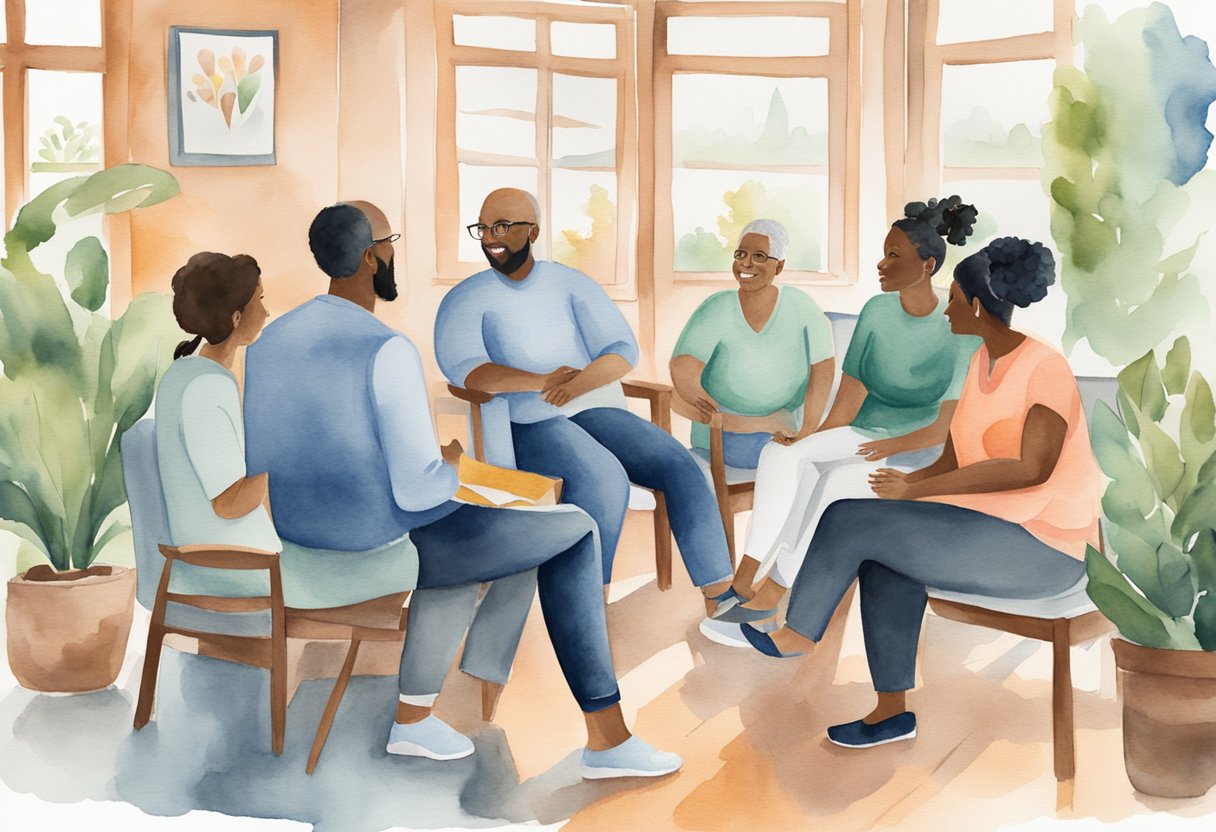
As we navigate the complexities of post-treatment life, the tapestry of social support and community involvement becomes crucial to our well-being. Together, they foster resilience and create a purpose beyond our experiences.
Relationships and Family Dynamics
Our families often become an involuntary part of the cancer journey. The dynamics within our family can profoundly affect recovery and ongoing resilience. We recognize the significance of family caregivers as part of the dyad—a pair in which one is a member who has faced cancer and the other is a committed supporter. Both need support and guidance to navigate the changed landscape of their relationship.
Tips for Strengthening Family Dynamics:
- Engage in open communication to express needs and concerns.
- Educate family members about the specifics of the post-treatment phase.
- Establish mutually beneficial routines that accommodate our new reality.
Volunteerism and Advocacy
Volunteer work and advocacy offer us opportunities to give back and foster community engagement, transforming our struggles into action. We contribute to a greater cause and build shared resilience by participating in initiatives and movements.
How Volunteerism Empowers Us:
- Provides a sense of purpose and belonging.
- Encourages mutual support among peers.
- Promotes awareness and drives change in health policies.
In weaving social support into the fabric of community engagement, we don’t merely thrive alone; we lift each other, creating a collective strength that guides us through life’s uncertainty after treatment.
Comprehensive Care for Specific Cancer Types

Navigating post-treatment care requires understanding the nuances associated with different cancer types. Each cancer demands a tailored approach to ensure the well-being of survivors.
Lymphoma and Prostate Cancer Survivorship
After braving lymphoma, we often face a landscape altered by our treatment. Survivorship plans address follow-up care, potential side effects, and overall health maintenance. For prostate cancer, regular screenings like PSA tests remain a cornerstone of our vigilance against recurrence. Our collective experience underscores the necessity for routine medical appointments and a sustainable lifestyle that may include:
- Regular exercise
- Dietary adjustments
- Stress management techniques
Challenges in Advanced and Rare Cancers
Our journey with advanced or rare cancers presents a unique set of hurdles. Access to specialized care and cutting-edge treatments becomes paramount. We strive for inclusion in clinical trials, offering hope through innovation. Support systems for us, especially men grappling with these diagnoses, focus on creating networks that provide guidance and understanding through:
- Patient navigation programs like those provided by the American Cancer Society
- Resources connecting us to financial assistance and essential services, as discussed by Mayo Clinic
For lung cancer and skin cancer tied to tobacco use, aggressive surveillance post-treatment is crucial. Counseling and cessation programs help us tackle the root cause and prevent recurrence. When we talk about sporting a new outlook on life, we mean integrating physical activities into our daily routine to strengthen our body’s defenses against cancer’s return.
Psychological Impact and Mental Health
As cancer thrivers, we understand that the end of treatment marks the beginning of a new chapter, one that often brings with it a wave of complex emotions and psychological challenges. Our mental health can significantly affect how we navigate life post-treatment.
Coping with Anxiety and Depression
The cessation of regular hospital visits and the security net of constant medical supervision can leave us feeling vulnerable, leading to heightened anxiety and depression. Symptoms such as persistent worry, sleep disturbances, or a pervasive sense of hopelessness are signals that we need to seek support.
Learning about the experiences of others, we can affirm that we’re not alone in this battle. Techniques like mindfulness meditation, support groups specifically for men with cancer, and structured physical activities can serve as powerful tools in regaining control over our mental state.
- Mindfulness Meditation: Guided visualization can improve our emotional well-being, helping us anchor in the present moment.
- Support Groups: Connecting with fellow survivors offers community and shared understanding.
- Physical Activity: Regular exercise, tailored to our capabilities, can boost mood and reduce anxiety.
Promoting Resilience and Emotional Well-Being
Resilience is our ability to adapt to adversities such as those post-cancer treatment. We must cultivate a resilient mindset, embracing changes with a proactive approach. We find strength in our shared experiences and through strategic planning for the future. Setting goals for our recovery and celebrating small victories enable us to reclaim a sense of normalcy and purpose.
Maintaining a balanced diet, regular exercise suited to our interests—whether it be yoga, swimming, or team sports— and keeping open communication with healthcare professionals can significantly contribute to our emotional well-being.
- Balanced Diet and Exercise: Nutrition and physical health are foundational to mental wellness.
- Open Communication: Regular consultations with our healthcare providers keep us informed and reassured about our recovery progress.
Final Thoughts…
In the quiet after the storm of treatment, we find ourselves on unfamiliar terrain. Fellow survivors, our post-cancer landscape often appears daunting, but together, we can navigate this new chapter with grace.
- Acceptance: We embrace the changes in our bodies and schedules, acknowledging that fatigue may linger and our pace might need adjusting.
- Adaptation: We tailor our routines, incorporating moderate exercise with activities like basketball or swimming to combat fatigue and revive our strength.
Remember, our journey shapes us into advocates for our health, so communicating with our healthcare team remains crucial. We schedule regular follow-ups, stay informed on the latest health policies, and ensure that we’re abreast of how to maintain our well-being.
Resilience isn’t just a buzzword; it’s our lived truth. We’ve weathered the storms of lymphoma, not once but twice, and emerged with a profound understanding of our endurance.
For us men who’ve battled through cancer, the solidarity in shared experiences forges a path forward. We inspire each other to reclaim our lives, one layup, one lap at a time, proving that life after cancer not only exists but thrives.
Let’s keep these discussions open, support one another, and hold onto the belief that, side by side, we’ll thrive in our survivorship. Together, we’re not just survivors; we are victors, champions in the most critical match of all – life. -T
Frequently Asked Questions
Navigating life after cancer treatment presents a multifaceted journey where knowledge empowers us to face the future confidently. Our shared experiences can illuminate our collective path forward as a community of survivors.
What are the components of a Cancer Survivorship program?
A Cancer Survivorship program often includes comprehensive care plans tailored to our unique health needs, focusing on monitoring for recurrence, managing long-term side effects, and promoting wellness strategies. Programs like the Facing Forward initiative by NCI provide valuable resources.
What does it mean to be a cancer thriver rather than a cancer survivor?
Being a cancer thriver suggests embracing life beyond survival, actively pursuing personal growth, and finding fulfillment despite the challenges cancer may bring. It emphasizes continuous improvement in our quality of life.
How can survivors manage the fear of cancer recurrence?
Managing the fear of recurrence involves staying informed about our health, maintaining regular checkups, and seeking support. Mindfulness and setting achievable goals can help us maintain a positive outlook. The American Cancer Society offers insights on coping with these concerns.
What are common challenges faced by stage 4 cancer survivors?
Stage 4 cancer survivors often grapple with uncertainty, long-term treatment effects, and the need for ongoing management of health. Accessing supportive care and resources like those provided by Mayo Clinic can help us overcome these hurdles.
What can oncologists do to support patients post-treatment better?
Oncologists can support us by offering clear communication about our recovery. They can also facilitate connections to support services and help us manage the transition to life after treatment.
Consistent follow-up and personalized care plans are crucial in post-treatment support.
