

How a Cancer Thriver Can Make Healthier Choices
As we navigate our health journeys, the significance of diet and nutrition becomes apparent, especially after a cancer diagnosis. Faced with lymphoma cancer, we learn that food is more than just sustenance; it’s a cornerstone of recovery and long-term well-being.
Unhealthy eating habits have been scrutinized for their role in elevating cancer risks, prompting us to examine our plates with a more critical eye. While certain foods have been linked to increased cancer risks, others possess protective qualities, guiding us toward a diet that supports our health as thriving cancer survivors.
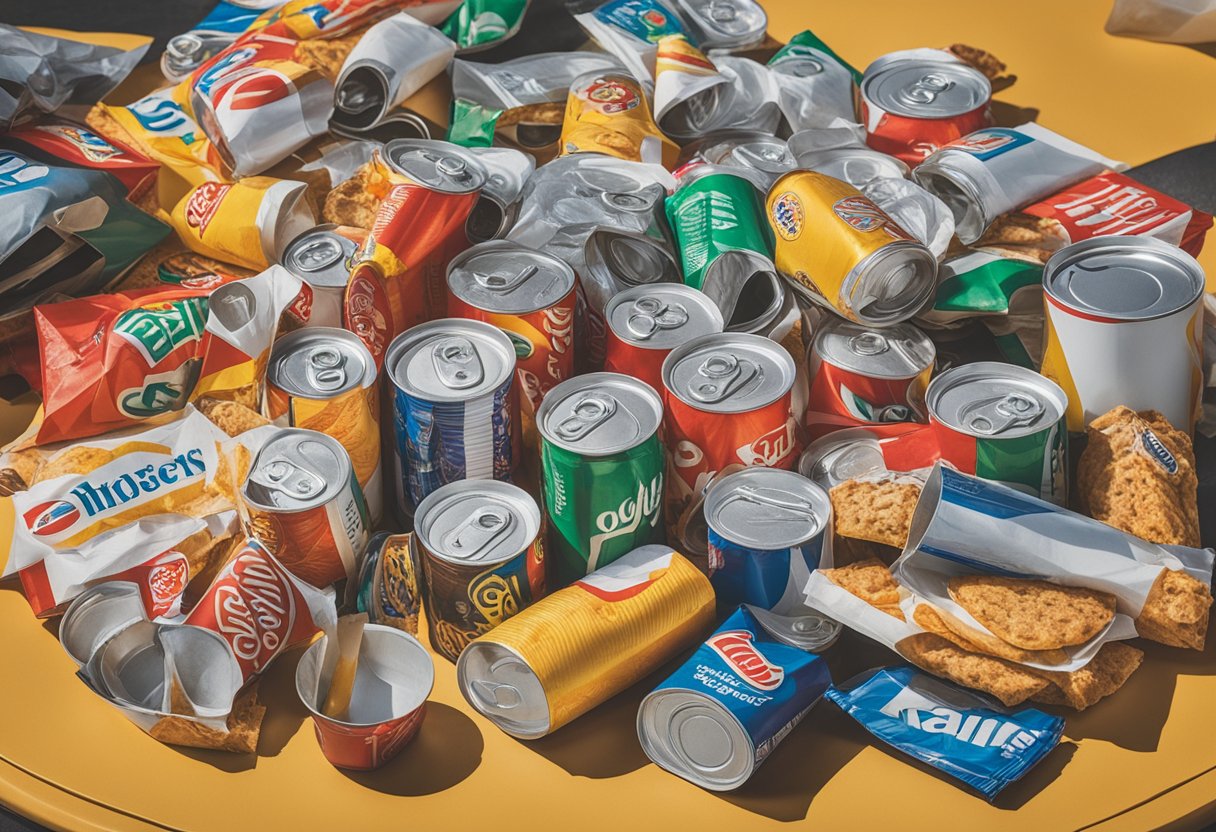
Our focus shifts from mere survival to thriving as we adjust to a life post-cancer. We seek diets that energize and rebuild, emphasizing whole, unprocessed foods that help us maintain healthy body weight and stay active – essential for our collective healing process.
It’s not just about reducing the intake of harmful substances like alcohol; it’s about embracing a way of eating that honors the resilience of our bodies. This approach fosters an environment where we, as men who have faced cancer, can not just live but thrive.
Key Takeaways
- Diet plays a pivotal role in cancer recovery and sustained health.
- Active lifestyles and mindful eating are key for thriving post-cancer.
- Whole foods and limited alcohol intake can support our continued well-being.
Understanding the Link Between Diet and Cancer
Our choices at the dining table can exert a significant influence on our likelihood of facing cancer. It’s a connection that involves the sustenance we obtain and substances that can cause harm.
Role of Nutrition in Cancer Prevention
Nutrition is a guardian against cancer. A balance of fruits, vegetables, and whole grains provides vitamins, minerals, and antioxidants that foster robust health and reduce cancer risks.
Research indicates obesity and alcohol consumption have strong ties to cancer occurrence. Therefore, maintaining a healthy weight and moderating alcohol intake are strategies we can adopt.
We prepare our bodies to defend against cancer by choosing meals loaded with diverse nutrients while consciously eliminating excess calories and harmful fats.
Impact of Carcinogens in the Diet
Carcinogens in what we eat have a direct pathway to influence our cells. For instance, processed meats contain chemicals linked to an increase in the risk of colorectal cancer.
Elements such as preservatives in smoked or cured meat could alter our cellular structures, triggering cancer development.
It benefits us to scrutinize food labels, opting for those with minimal additives. Grilling meat at high temperatures also introduces carcinogenic compounds; therefore, we can opt for gentler cooking methods such as steaming or baking.
Identifying Unhealthy Eating Habits
Our journey toward recovery and strength needs a keen awareness of dietary choices. Here’s how we can spotlight patterns that may not serve our long-term health.
Processed Foods and Cancer Risk
We often overlook how much-processed food permeates our diet. These foods are altered from their natural state, often for convenience, undermining their nutritional value.
In the context of cancer, links between processed foods and increased health risks highlight a need for caution in our daily choices. A study suggests that these food types, which can be high in additives and low in nutrients, might contribute to cancer risk, especially when they become a staple in our meals.
High Sugar and Fat Consumption
Sugary foods and drinks coat our taste buds with sweetness and offer a quick energy boost, but these fleeting pleasures carry long-term disadvantages.
Our diets consistently high in sugar and fat don’t just lead to weight gain; they’re associated with a higher likelihood of developing health issues, like some cancers.
Recognizing and reducing our sugary snacks and fatty foods intake, we take a crucial step toward well-being. Eating habits that focus on balance rather than excess keep us on track.
Processed Meat Intake
Lastly, when we grill out or enjoy packaged meats, we often consume processed meats—bacon, sausages, and deli slices.
Though they may be favorite choices for many, evidence indicates a correlation between such foods and certain types of cancer, particularly for us men. Reducing our intake of processed meats and opting for fresh, quality protein sources can be a vital strategy in maintaining our health post-recovery.
Key Dietary Elements and Cancer
Our journey through cancer recovery teaches us the critical role diet plays in our healing processes. A few dietary changes can significantly improve our resilience and overall health.
Crucial Vitamins and Minerals
Vitamins and minerals are the building blocks for repairing and maintaining our body tissues.
Vitamin C, found abundantly in citrus fruits, supports our immune function. At the same time, Vitamin D, attainable through sensible sun exposure and fortified foods, helps maintain bone health, which is pivotal for us when recovering.
Selenium, present in Brazil nuts, offers antioxidant protection, and zinc, available in beans and seeds, facilitates cell repair.
| Nutrient | Sources |
|---|---|
| Vitamin C | Citrus fruits, bell peppers, broccoli |
| Vitamin D | Sunlight, fortified dairy, fatty fish |
| Selenium | Brazil nuts, seafood, grains |
| Zinc | Beans, seeds, nuts, whole grains |
Benefits of Fiber and Whole Grains
Ingesting fiber and whole grains is crucial in nurturing our gastrointestinal system and keeping it functioning effectively.
Dietary fiber in oats and brown rice assists us in maintaining a healthy weight, a critical factor in reducing cancer reoccurrence risk. It also aids in regulating blood sugar levels, sustaining our energy throughout recovery and beyond.
- Oats, barley, and quinoa contain beta-glucan, a soluble fiber beneficial for heart health.
- Brown rice and whole wheat provide insoluble fiber, supporting digestive health.
Significance of Fruits and Vegetables
Our plates should burst with colors from a variety of fruits and vegetables. These foods contain antioxidants and phytochemicals that shield cells against damage.
Tomatoes, rich in lycopene, and cruciferous vegetables like broccoli, which contains sulforaphane, are excellent choices that may help lower the chance of cancer returning unwelcomely to our lives.
We stand together in this battle, supporting each other with knowledge gained from personal triumphs over illness and a dedication to a healthful lifestyle. Making these informed choices about our diet can be a powerful ally in our ongoing quest for vitality and longevity.
The Role of Body Weight and Physical Activity

Understanding the impact of body weight and engaging in regular physical activity is pivotal in our fight against cancer.
Obesity and Cancer Correlation
We now recognize that carrying excess body weight can lead to a heightened risk for various cancers.
It’s not just about the scale; it’s about the accumulation of fat that can drive hormonal imbalances and inflammation, setting the stage for cancerous growth.
Studies suggest that obesity is linked to an increased likelihood of developing cancer. When our body mass index (BMI) creeps into the overweight or obese categories, we inadvertently ramp up the risk factors that can lead to malignancies.
Maintaining a healthy weight is good for our general health and protects us against potential threats.
The evidence is compelling; people who keep their BMI within a normal range have a reduced risk of encountering several cancers. The connection is simple yet profound: less body fat means a lesser chance for cancer to thrive among us.
Advantages of Maintaining a Healthy Weight
For those of us who have felt the weight of cancer, we recognize the myriad benefits that stem from a healthy weight.
A leaner physique typically leads to better hormone regulation and lower insulin levels and inflammation, which can diminish one’s chances of cancer recurrence.
We see time and time again, among our peers, that when we shed unnecessary weight, we improve our odds of longevity and set a precedent for a life less burdened by disease.
Physical Activity as a Preventative Measure
Physical activity is our ally in this enduring battle. It bolsters our fitness and is a formidable opponent to cancer’s advances.
Engaging in consistent exercise strengthens our body’s defense systems, reduces inflammation, and enhances immune function.
From brisk walking to more vigorous sports, the movement we choose can be a powerful preventative measure, aiding us in keeping cancer at bay.
We owe it to ourselves to embrace an active lifestyle for our wellness today and as a promise for a healthier tomorrow.
Alcohol Consumption and Cancer Risk

As we consider the health of our bodies, it’s crucial to recognize the link between alcohol consumption and cancer risk. Our choices regarding alcohol have tangible effects on our likelihood of developing certain cancers.
Effects of Alcohol on Cancer Incidence
Alcohol, even in moderate amounts, can increase the risk of several types of cancer.
For example, heavy alcohol use is linked with an elevated chance of developing liver cancer.
Similarly, drinking is also related to the incidence of cancers in the digestive system, including colorectal cancer.
Lymphomas also demonstrate a complex interplay with alcohol intake, although the evidence is less direct compared to other cancers.
- Liver Cancer: Alcohol can damage liver cells, leading to inflammation and scarring that increases cancer risk.
- Colorectal Cancer: Alcohol may contribute to the cancer risk by affecting the body’s ability to absorb certain nutrients and by producing harmful byproducts during digestion.
- Lymphomas: While less clear, research suggests there may be a correlation between alcohol consumption and recurrence.
Guidelines for Alcohol Intake
Given the connection between alcohol and cancer, guidelines suggest moderation or, for those with a history of cancer, potentially abstaining entirely.
Current perspectives advocate for limiting intake to reduce risks.
For men, this means aiming for two or fewer drinks per day.
Yet, if we’re committed to a lifestyle that prioritizes minimizing our risk, considering giving up alcohol could be a reasonable choice for our well-being.
- Moderation: Men are limited to two drinks daily.
- Abstinence: Omitting alcohol to support cancer prevention.
Moderation and mindful choice in alcohol consumption can significantly affect our health trajectory, potentially reducing the recurrence of cancer and enhancing our overall quality of life.
Examining Protective Foods and Diets
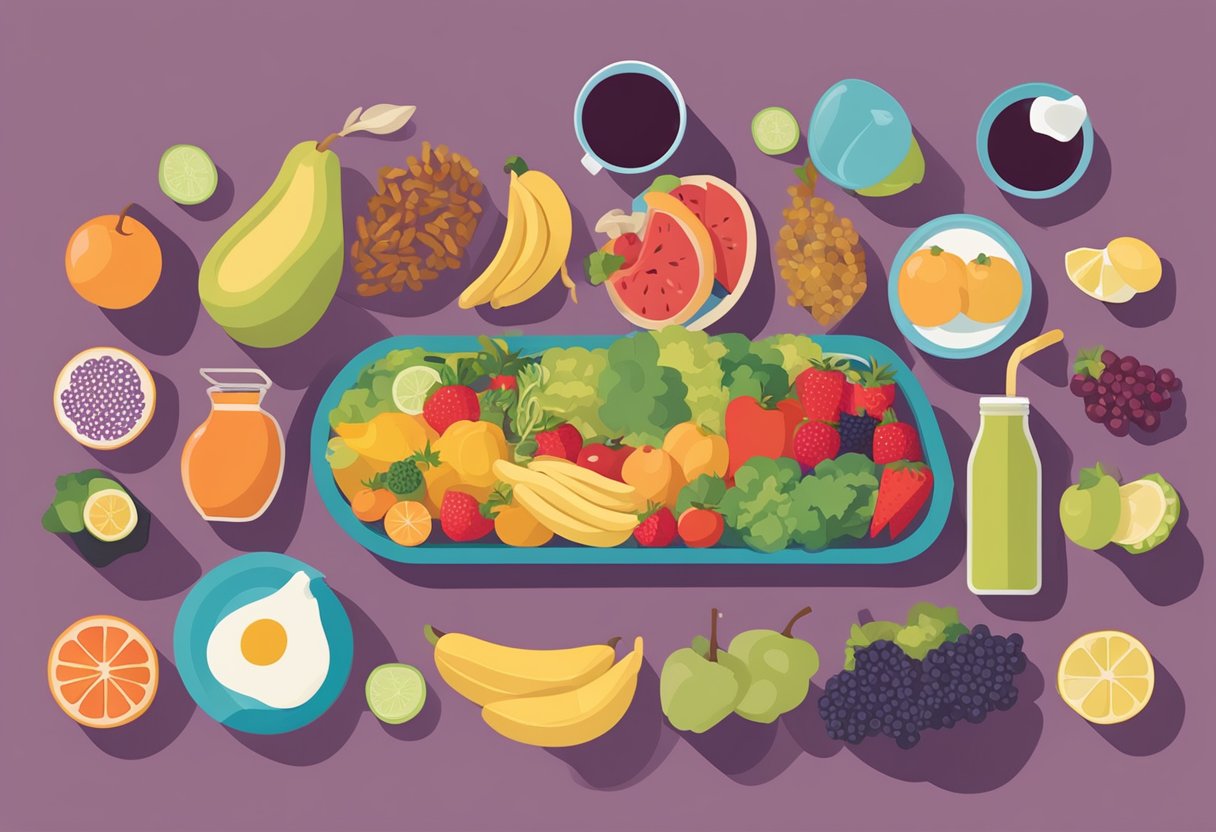
We thrive when we feed our bodies the right fuel, especially in our defense against cancer. Choosing the proper diet can harness the natural power of foods to reduce disease risk and improve our overall health.
Plant-Based Diet and Cancer Defense
Embracing a plant-based diet can be a powerful ally in the battle against cancer.
Studies indicate that vegetarians often have lower incidences of cancer, underscoring the potential of plant-sourced foods in cancer inhibition.
A diet rich in beans, whole grains, fruits, and vegetables provides essential nutrients and fiber that support our immune system.
Beans, in particular, are a nutrient-dense food packed with phytochemicals and proteins that can act as cancer-fighting agents.
Cancer-Fighting Phytochemicals in Foods
We can’t ignore the role of phytochemicals in bolstering our body’s resilience.
These naturally occurring compounds are found in a wide range of fruits and vegetables and have been researched for their capacity to reduce cancer risk.
For instance, the phytochemicals in cruciferous vegetables such as broccoli and kale may interrupt cancer growth and promote cellular health.
To optimize our intake, consuming a colorful variety of plants is beneficial, as different colors often signify varying phytochemical content and benefits.
Strategies to Thrive as a Cancer Patient or Survivor
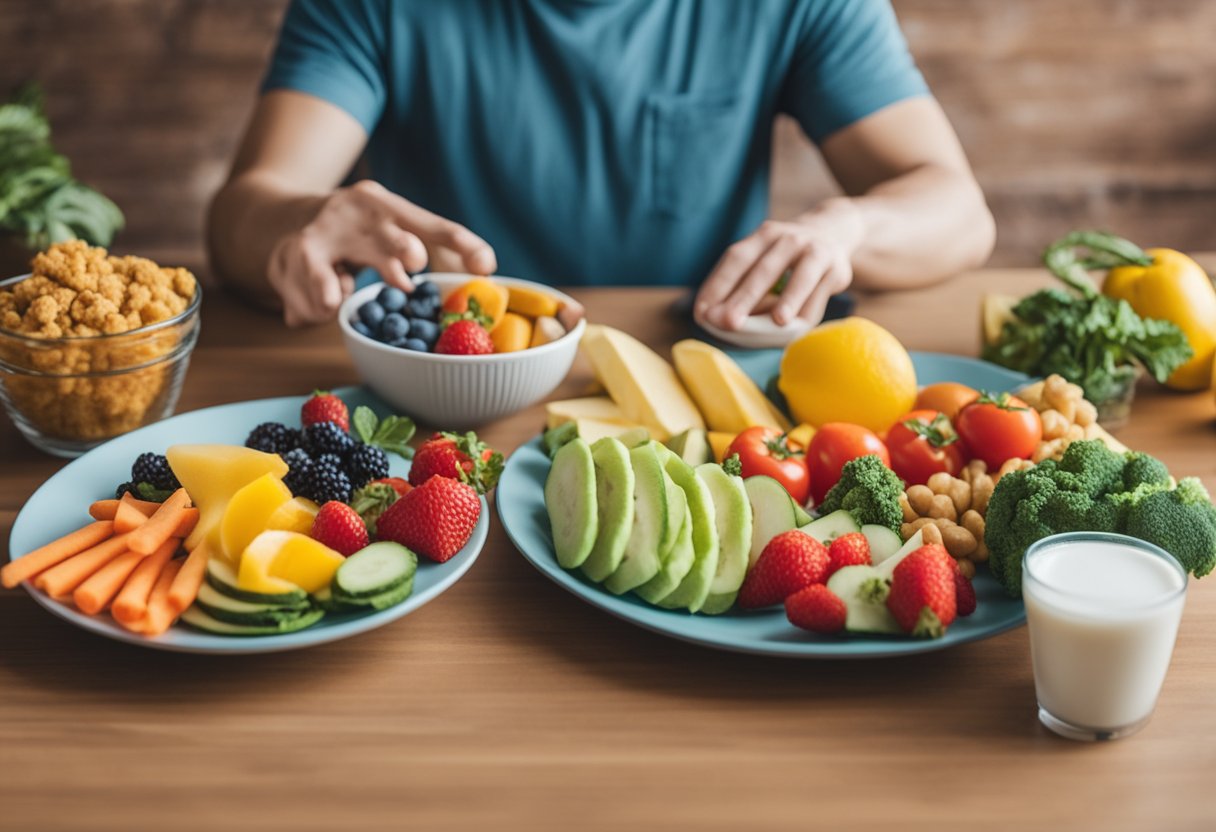
Thriving after a cancer diagnosis means embracing changes that foster wellness. We can make these shifts through deliberate dietary choices and a renewed focus on a healthy life.
Building a Cancer-Fighting Diet
Crafting a diet that supports our healing process starts with incorporating a variety of nutrients that our bodies need to recover and strengthen.
We need to focus on a balanced diet that includes:
- Vegetables: A rainbow on our plates ensures a wealth of antioxidants and vitamins. Think greens like spinach and vibrant vegetables such as carrots and bell peppers.
- Fruits: Whole fruits offer fiber and essential vitamins. Choices like blueberries and oranges are flavorful and packed with beneficial compounds.
- Whole Grains: Quinoa, brown rice, and whole wheat provide sustained energy and essential fibers that aid digestion and maintain our energy levels.
- Proteins: Lean proteins support muscle repair. Incorporating fish, chicken, and plant-based options like beans and lentils can make a significant difference.
- Healthy Fats: We should not neglect fats; rather, we should select sources rich in omega-3s, such as avocados and nuts, to support cell growth and hormone function.
Following guidance from nutrition experts, we adopt strategies to treat cancer and prevent its return.
By the grace of these well-rounded meals, we sustain our bodies and thrivers like us, especially men who might face unique nutritional needs during and after treatment.
Lifestyle Adjustments for Cancer Thrivers
Beyond what we eat, how we live is pivotal in thriving with and beyond cancer. We embrace two main aspects:
- Physical Activity: We might choose sports that cater to our enjoyment and physical condition.
Exercises range from walking to team sports, all of which contribute to maintaining a healthy weight and mitigating the side effects of cancer treatment.
- Emotional Well-being: Engaging in activities that soothe our minds is equally crucial.
This could involve fishing, attending support groups, or indulging in hobbies that bring us joy and peace.
We understand the challenges we face, having stood in the shoes of a cancer thriver not once but twice.
Our collective experience confirms the power of these lifestyle maneuvers. Through them, we harness control over our health trajectory, finding solace in the camaraderie and support we offer one another in our journeys. -T
Frequently Asked Questions
Navigating dietary needs during cancer treatment can be challenging, and we’ve learned through our own experiences the impact nutrition plays in recovery and wellness.
What foods are recommended for cancer patients experiencing a lack of appetite?
When our appetite wanes, we focus on small, nutrient-dense meals.
Foods like smoothies, yogurts, and soups can be less daunting and easier to consume. These meals provide vital nutrients without the need to eat large quantities.
How can nutrition improve the quality of life for cancer patients?
Proper nutrition replenishes our body with necessary vitamins and minerals, boosts our energy levels, and supports our immune system.
Tailoring our diet to include a variety of whole foods helps us feel better and cope more effectively with treatment side effects.
Which specific diet has been suggested by Sloan Kettering for cancer patients?
Memorial Sloan Kettering Cancer Center recommends a diet consisting mainly of fruits, vegetables, whole grains, and lean proteins.
These foods contribute to better health outcomes and can aid in recovery.
Are there particular fruits that cancer patients are advised to avoid?
Some of us may need to avoid fruits high in sugar or those that could interfere with medications.
Instead, we opt for fruits like berries and apples, which provide antioxidants and other health benefits without excessive sugars.
How can lung cancer patients alter their diet to potentially improve their prognosis?
A diet high in fruits, vegetables, and lean proteins, while low in processed foods and sugars, can contribute to better overall health, which might improve the prognosis for lung cancer patients.
What are some top cancer-fighting foods that can support a cancer thriver?
We eat foods such as leafy greens, garlic, and tomatoes. These foods contain compounds that may support our bodies in the fight against cancer.
