

Male Cancer Warrior’s Path to Recovery
Becoming a cancer warrior isn’t an easy journey, but aquatic therapy has been one of the best treatments I’ve discovered.
Exercising in water reduces joint stress while improving strength and flexibility. This gentle approach is crucial, especially during the taxing phases of cancer treatment.
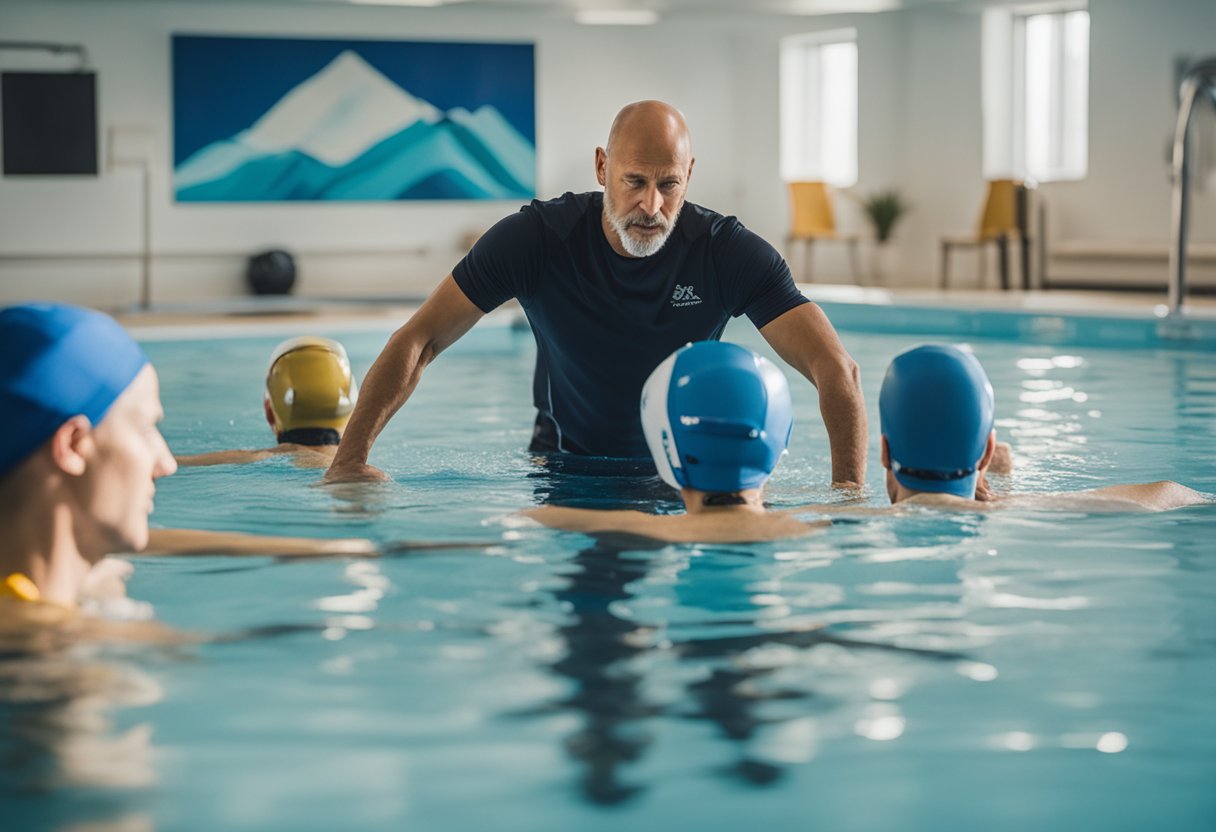
Aquatic therapy has allowed us to manage stress more effectively and practice breathing techniques essential for our well-being.
Each swim session significantly boosted our endurance and offered a therapeutic escape, easing both body and mind.
The water’s supportive environment for men battling cancer cannot be overstated. It’s a soothing sanctuary that aids in accelerating healing and maintaining physical fitness. Exploring aquatic therapy has enhanced our physical health and contributed to a sense of overall well-being.
Key Takeaways
- Aquatic therapy reduces joint stress and improves physical health.
- Swimming aids in stress management and enhances flexibility.
- The water’s supportive environment provides significant therapeutic benefits.
The Basics of Aquatic Therapy
Aquatic therapy offers a unique way for male cancer warriors to improve their health. Buoyancy, hydrostatic pressure, and water resistance are crucial to its effectiveness.
Defining Aquatic Therapy
Aquatic therapy is a type of physical therapy performed in water. It uses water’s natural properties, like buoyancy and resistance, to help patients improve physical function. As survivors, we find it especially beneficial due to its low-impact nature.
In this therapy, we engage in exercises while submerged in water, helping to reduce joint stress. Doing so promotes ease of movement, making it easier to perform exercises that might be difficult on land. The therapeutic environment fosters a range of activities tailored to our needs.
Principles of Water’s Healing Properties
Water’s unique characteristics make it a powerful tool for therapy. Buoyancy lessens the impact on our joints and muscles, helping us to move more quickly and without pain.
Another property of water is hydrostatic pressure, which supports blood circulation and can reduce swelling. The resistance provided by water also helps to build muscle strength and endurance. As a result, our sessions in the pool serve multiple functions, from improving cardiovascular health to enhancing mobility.
By understanding and leveraging these properties, we can engage in more effective and targeted rehabilitation.
Aquatic Exercises and Techniques
Aquatic therapy incorporates various exercises tailored to our needs.
Basic exercises include walking or jogging in water, providing excellent cardiovascular benefits and minimal joint stress.
We also perform stretches and strength training using water weights, which add resistance and help build muscle.
Specific techniques like aqua jogging, aquatic yoga, and balance drills enhance flexibility and coordination.
Hydrotherapy, using warm water, adds another layer of benefit. Warm water soothes muscles and enhances relaxation, allowing for better movement and less pain.
These methods combine to create an effective program that targets multiple aspects of physical health.
Following these structured activities can substantially improve our strength, endurance, and flexibility while maintaining a gentle approach to our bodies.
Benefits of Aquatic Therapy for Cancer Patients
Aquatic therapy is beneficial for cancer patients by enhancing pain relief, increasing flexibility, and reducing stress. This supportive environment also aids in rehabilitation after treatments like chemotherapy and surgery.
Pain Management and Relief
Water provides a gentle resistance, easing joint stress and helping alleviate pain. This environment is soothing, which is crucial for cancer patients experiencing pain from treatments such as chemotherapy and radiotherapy.
The natural buoyancy reduces the load on painful joints and muscles, aiding pain management.
Hydrotherapy sessions can help us feel less pain and move more freely. The warmth of the water also enhances blood flow, promoting relaxation and reducing stiffness.
We can work on reducing pain levels through targeted exercises, making daily activities more bearable.
Enhancing Range of Motion and Flexibility
Exercising in water allows a greater range of motion by minimizing the impact on joints. Flexibility often decreases during cancer treatments due to muscle tension and fatigue. Aquatic exercises help us stretch and move more freely.
These exercises can be tailored to our needs, focusing on problem areas.
For instance, water-based leg lifts and arm swings help improve joint mobility. Water also offers support, making it easier to perform stretching exercises without overexertion.
Stress and Anxiety Reduction
Cancer treatments can cause a lot of stress and anxiety. Water has a calming effect, making aquatic therapy sessions an excellent way to reduce stress.
The sensory experience of being submerged in warm water helps relax our muscles and minds.
Participating in group sessions can also build community and provide emotional support. We feel less isolated and more connected to others who understand our journey.
This shared experience can significantly reduce feelings of anxiety and make us feel more grounded.
Physical Therapy’s Role in Rehabilitation
Aquatic therapy plays a vital role in rehabilitation. After treatments like surgery or radiotherapy, we often face challenges with mobility and strength.
Water-based exercises help us regain strength and endurance without straining our bodies.
Physical therapists guide us through specific exercises to improve our overall physical condition.
These exercises include walking or jogging in water, which helps rebuild muscle strength. This type of therapy promotes gradual, safe progress in our rehabilitation journey.
Aquatic Therapy vs. Land Exercise

Engaging in aquatic therapy and land exercise offers distinct advantages and challenges. It’s vital to understand these differences to determine which might be more suitable for male cancer warriors, especially those who have faced lymphoma.
Comparing Benefits and Limitations
Aquatic therapy provides a supportive environment, ideal for reducing joint stress and easing movement.
Water’s buoyancy supports body weight, reducing the impact on joints and muscles. This makes it suitable for those with limited mobility or pain.
Swimming and other aquatic exercises can enhance strength, endurance, and flexibility.
On the other hand, land exercise allows for weight-bearing activities, aiding bone health. It also offers a variety of exercises, including running, weight training, and cycling, which can be adjusted for higher intensity.
Nonetheless, the high impact of some land exercises might not be ideal for everyone.
Applicability for Specific Cancer Types
For blood cancer survivors, especially those who have faced lymphoma, the reduced strain on the body in aquatic therapy is valuable. After undergoing treatments, our bodies may feel weakened.
Exercising in water can help us rebuild strength without excess stress.
Land exercises also play a role, particularly in strengthening bones and muscles.
For those of us who have reached a stable point in recovery, integrating land exercises can provide the variety needed to keep workouts engaging.
However, the choice of exercise should consider current health status and joint conditions specific to our experiences.
Adjusting Intensity for Optimal Support
Modifying exercise intensity is crucial for both aquatic and land workouts.
In aquatic therapy, water resistance can be adjusted by changing the speed of movements or using aquatic weights. Speeding up exercises in water can significantly improve cardiovascular health and muscle strength.
Inland exercises, intensity can be adjusted through varied weights, resistance bands, or altering durations.
Lower body strains are key when choosing activities post-cancer treatment. Monitoring our body’s reaction to different intensities ensures that we don’t push beyond safe limits while still gaining the benefits of a robust exercise regimen.
Designing an Aquatic Therapy Program

We must ensure that our aquatic therapy program is tailored to meet the specific physical, emotional, and psychological needs of male cancer survivors.
This program should include individual tailoring, diverse exercises, and regular monitoring to ensure effectiveness.
Tailoring to Individual Needs
Each of us has different needs based on our cancer journey. In aquatic therapy, personalizing the program is vital.
We consider our fitness levels, any limitations due to cancer treatments, and our overall health status.
The water’s buoyancy helps reduce stress on our joints, making it easier to perform movements.
We might focus on flexibility or mobility exercises if stiffness is an issue. Exercises with water resistance can be included for those looking to rebuild strength.
Incorporating Resistance and Aerobic Exercises
Aquatic therapy isn’t just about gentle movements. We also need resistance and aerobic exercises to build endurance, strength, and cardiovascular health.
Water naturally provides resistance, which allows us to strengthen our muscles without the weight we would feel on land.
We can use tools like aquatic dumbbells or resistance bands to challenge our muscles further.
Aerobic exercises such as water jogging or swimming laps help improve our heart health and stamina.
A balanced mix of resistance and aerobic exercises will aid our fitness journey.
Monitoring Progress and Adjusting as Needed
An effective program must adapt as we progress. Regular check-ins and assessments are crucial.
We monitor our physical improvements and emotional wellbeing, ensuring that the therapy continues to meet our needs.
Sometimes, we may need to adjust the intensity or type of exercise. Adding new activities or increasing the duration can keep us motivated.
Continuous feedback from us, the participants, helps in tailoring the program to our evolving needs.
Understanding the Physiological Impact

Engaging in aquatic therapy offers several advantages to our bodies. The buoyancy of water reduces stress on joints, while the temperature can help alleviate pain and inflammation.
Effects on Joints and Muscles
Aquatic exercises are great for our joints and muscles since the water’s buoyancy lessens the strain. This stress reduction makes movements smoother and less painful.
For us men fighting cancer, this gentleness allows us to work on strength and mobility without overloading our joints.
We can engage in various exercises that target different muscle groups, enhancing our overall physical health.
Warm Water Benefits: Soothing Swelling and Inflammation
Warm water has a soothing effect that helps in reducing swelling and inflammation. Immersing ourselves in warm water can lead to substantial relief from pain.
The heat aids in dilating blood vessels, promoting better circulation and relaxation of tense muscles.
This soothing property is essential for healing and comfort, allowing us to manage discomfort efficiently.
Warm water exercises can be done gently, making it suitable even for those experiencing severe soreness.
Cold Water and Its Analgesic Impact
Cold water, on the other hand, offers an analgesic impact. Taking a cold plunge can provide immediate pain relief.
It helps numb nerve endings and reduce the sensation of pain. For men post-treatment, this can be a game-changer in managing pain levels.
Cold water also helps in reducing inflammation by constricting blood vessels. This can effectively recuperate muscles after intensive aquatic exercises, enhancing recovery.
Cold water treatment is a powerful technique to manage chronic pain and swelling, contributing significantly to our physical rehabilitation journey.
Safety and Accessibility Concerns

Engaging in aquatic therapy offers numerous benefits for male cancer survivors, but we must stay vigilant about safety and ensure everyone has access to therapy pools.
Addressing Potential Risks
When participating in aquatic therapy, we need to keep an eye on possible risks. Cancer treatments like chemotherapy and radiation can leave us with weakened immune systems. This makes us more susceptible to infections.
It’s crucial to maintain clean therapy pools to minimize this risk.
Another concern is monitoring symptoms like bleeding or fatigue. Using gentle movements and avoiding vigorous exercises help in reducing these risks.
Always having medical personnel available during sessions can provide immediate help if needed.
Lastly, water supports our joints, so slipping or falling in a wet environment is possible. Anti-slip surfaces and proper supervision can help prevent accidents.
Accessibility in Therapy Pools
Ensuring that therapy pools are accessible to all cancer survivors is equally essential.
We need to consider factors like pool entry and exit options. Ramps, lifts, or gentle slopes can help those with limited mobility to enter and exit the pool safely.
Therapists should be trained to work with people who have chronic pain and limited movement. They can adapt exercises to fit our abilities and needs.
Additionally, scheduling sessions at different times helps accommodate those with work or other responsibilities.
Accessible changing facilities and rest areas also play a significant role.
Providing handrails, wide doors, and non-slip floors can make the entire experience more comfortable.
Evidence-Based Analysis of Aquatic Therapy Efficacy

Aquatic therapy has shown great promise in improving the quality of life and rehabilitation outcomes for male cancer survivors. We will look at recent studies and examine their methods.
Surveying Recent Research and Studies
Recent research has highlighted the many benefits of aquatic therapy for cancer survivors. Studies have demonstrated that water-based exercises can enhance mobility and balance.
The buoyancy of water reduces joint stress, making physical activity easier and less painful.
For men fighting cancer, randomized controlled trials (RCTs) have shown that aquatic therapy helps in managing pain and fatigue.
These exercises also improve our strength, flexibility, and endurance. Furthermore, systematic reviews positively impact mental health, such as reduced anxiety and better sleep quality.
Understanding Methodological Quality
When evaluating studies on aquatic therapy, we must consider the quality of their methodologies. Quality assessment ensures that the findings are reliable and applicable.
Studies often use a PICO model to define patient inclusion and outcome criteria.
High-quality RCTs and systematic reviews provide the best evidence. They use clear inclusion criteria, well-defined interventions, and measurable outcomes like pain reduction, mobility improvement, and quality of life enhancements.
For us, examining these factors helps in choosing the right rehabilitation strategy.
The Debate
Aquatic therapy for men with cancer has mixed opinions.
Some believe it’s a game-changer. It allows us to exercise without straining our bodies.
Water offers a gentle yet effective medium to build strength and endurance. This can be exceptionally comforting when dealing with the physical toll of cancer treatments.
Pros of Aquatic Therapy:
- Low-impact: Minimal stress on joints
- Improved flexibility: Aid in regaining the range of motion
- Endurance: Boosts cardiovascular health
- Strength: Builds muscle through resistance
While these benefits seem straightforward, there are challenges.
Critics argue that accessibility is a problem. Not all cancer patients have access to facilities offering aquatic therapy. This can limit who benefits from this type of treatment.
Challenges:
- Lack of facilities
- Potential high cost
- Need for specialized therapists
Moreover, there’s a concern about the lack of conclusive evidence. Some professionals argue that more research is needed to prove its benefits for cancer patients definitively.
Critics also worry about the risk of infections. Cancer patients often have weakened immune systems, and public pools could pose a risk.
Concerns:
- Risk of infection
- Insufficient research
- Accessibility issues
Final Thoughts
As men who have faced the challenging path of cancer twice, we understand the journey’s toll on the body and mind.
Aquatic therapy offers a gentle yet effective way to regain strength and resilience. The water’s support reduces joint stress, allowing for greater movement ease.
Engaging in water exercises helps us build endurance, flexibility, and muscle strength.
The soothing nature of water therapy also aids in managing pain and improving our range of motion, which is crucial during recovery.
Benefits of Aquatic Therapy:
- Reduced Joint Stress: Water supports our weight, reducing strain on joints.
- Enhanced Movement Ease: The buoyancy of water makes movements smoother and more controlled.
- Improved Strength and Endurance: Regular aquatic exercises help build muscle and cardiovascular fitness.
- Pain Management: Warm water can alleviate pain and promote relaxation.
- Flexibility: Increased ease of movement leads to better overall flexibility.
By sharing our experiences, we aim to offer hope and practical solutions to our fellow men facing their battles.
Let’s use the serenity and support of aquatic therapy to rebuild our strength and improve our quality of life.
We can take control of our healing journey, finding solace and support in the water. Our shared experiences can guide us through recovery, helping us become more robust and resilient. -T
Frequently Asked Questions
Exercising in water can reduce joint stress and improve movement for cancer recovery. It helps build strength, endurance, and flexibility without straining the body.
What are the benefits of aquatic therapy for cancer patients in rehabilitation?
Aquatic therapy decreases joint stress, makes movements easier, and gently builds strength, endurance, and flexibility. It can also help manage swelling and ease pain. Many people notice reduced fatigue and better sleep.
How can aquatic therapy aid in the recovery process of male cancer survivors?
Water offers a low-impact environment. It supports the body, making it easier to perform exercises. This therapy improves our muscle strength, flexibility, and range of motion. We find it boosts our overall well-being and confidence.
What aquatic therapy programs are available for post-treatment fitness for cancer patients?
There are various programs to consider. Hydrotherapy sessions involve guided exercises in warm water. Aqua aerobics includes more dynamic and cardiovascular-focused workouts. Balneotherapy uses mineral-rich water that can soothe our muscles and joints.
Are there any specific aquatic exercises recommended for men recovering from cancer treatment?
We benefit from gentle movements. Walking or jogging in water, simple stretching, and range of motion exercises can be effective. Resistance exercises using water weights can help us rebuild strength. Pool exercises like water yoga also enhance our flexibility and balance.
What should male cancer patients consider when looking for an aquatic therapy facility?
Look for facilities with warm-water pools. Trained professionals should guide the sessions. The environment must be clean and welcoming. We should feel comfortable and safe. Check if the facility offers specialized programs for cancer recovery.
How does aquatic therapy compare to traditional physical therapy for men with a history of cancer?
Both therapies aim to improve our physical health.
Aquatic therapy is gentle on joints and muscles. Meanwhile, traditional physical therapy can be more intense but effective.
Each has unique benefits. Combining both can provide comprehensive support for our recovery.
