

What Is It? A Guide to This Essential Lung Examination Procedure
A bronchoscopy is a medical test that lets doctors see inside your lungs. I’ve had this procedure twice during my cancer journey, and it’s not as scary as it sounds.
The doctor uses a thin tube with a camera to examine your airways and take samples if needed.

Think of it like a referee using a tiny camera to check for fouls in a football game. The “referee” (doctor) can spot any issues in your lungs and airways. This test helps find problems like infections, bleeding, or tumors.
As a two-time lymphoma survivor, I know how vital early detection is. A bronchoscopy can be a game-changer in diagnosing and treating lung problems. It’s like having a secret weapon in your medical playbook.
Key Takeaways
- Bronchoscopy uses a thin tube to examine the lungs and airways
- Doctors can diagnose and treat lung issues with this procedure
- Recovery is usually quick, with most people going home the same day
Understanding the Basics of Bronchoscopy
Bronchoscopy is a crucial procedure for examining the lungs and airways. As a two-time lymphoma survivor, I’ve experienced this test firsthand and can share insights to help fellow patients navigate it with confidence.
What is a Bronchoscope?
A bronchoscope is a specialized medical tool to examine the inside of the lungs and airways. It’s a thin, flexible tube with a light and camera attached. Doctors insert this device through the nose or mouth, guiding it down the throat and into the lungs.
The bronchoscope allows doctors to view the airways on a screen in real-time. This visual inspection helps identify any abnormalities or collect samples for further testing. As someone who’s been through this procedure, I can assure you it’s not as daunting as it might seem.
Types of Bronchoscopes
There are two main types of bronchoscopes: flexible and rigid. Each serves a specific purpose in diagnosing and treating lung conditions.
Flexible Bronchoscope: This is the most common type used today. It’s a thin, bendable tube that can easily navigate the twists and turns of the airways. Doctors use it for:
- Viewing the airways
- Taking tissue samples
- Removing small objects
Rigid Bronchoscope: This is a straight, hollow metal tube. While less comfortable, it’s useful for:
- Removing larger foreign objects
- Controlling bleeding
- Performing certain surgical procedures
Pulmonologists choose the type of bronchoscope based on each patient’s specific needs. In my experience, the flexible scope was used, and the procedure was quicker and more comfortable than expected.
Indications for Bronchoscopy
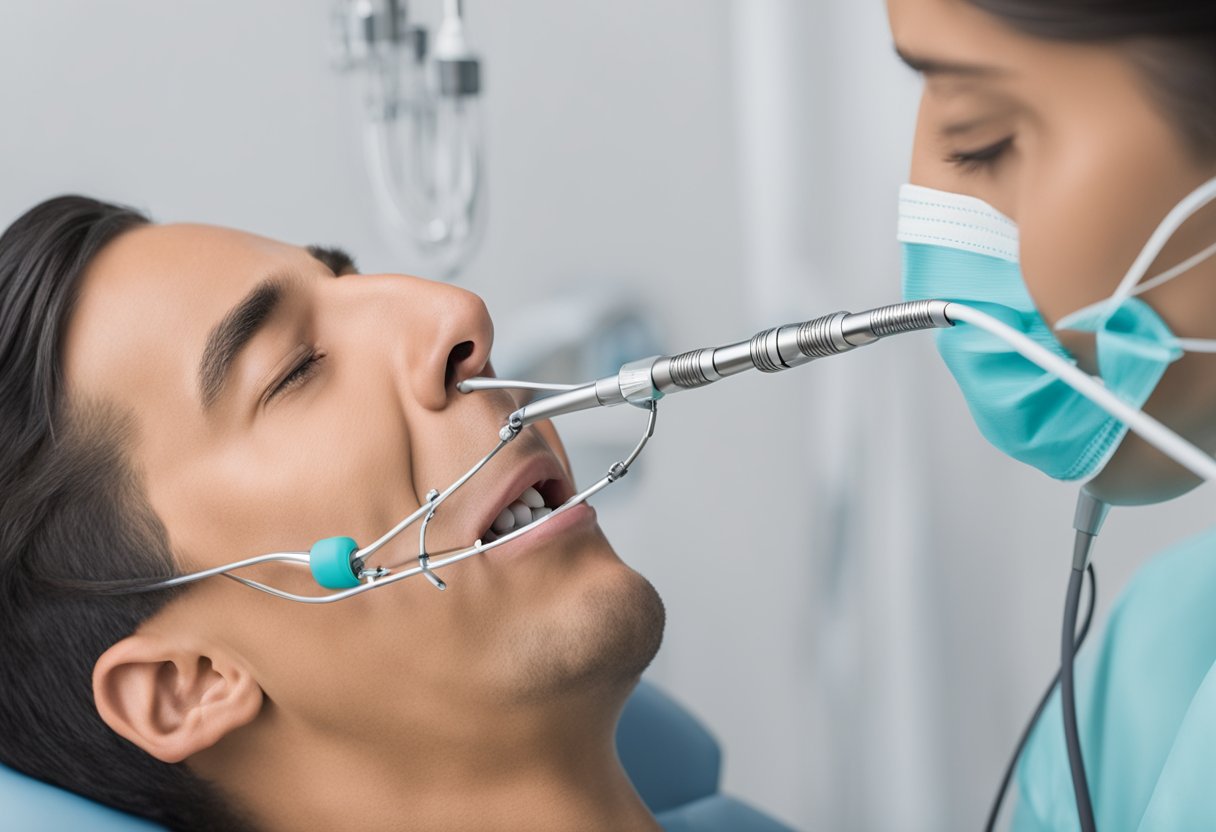
Doctors use bronchoscopy for several reasons. As a cancer survivor, I know how vital this procedure can be for diagnosing and treating lung issues. Let’s explore two main uses of bronchoscopy.
Diagnosing Lung Disorders
Bronchoscopy helps doctors find the cause of lung problems. I’ve been through this test, and it’s a game-changer for spotting issues early. Here’s what it can do:
- Detect lung cancer in its early stages
- Identify infections like pneumonia or tuberculosis
- Pinpoint the source of a persistent cough
This procedure can be a lifesaver for men with chronic coughs. It allows doctors to take samples from your lungs for further testing. Think of it as scouting the field before the big game—you need to know what you’re up against.
Assessing Airway Obstructions
Bronchoscopy isn’t just for diagnosis – it can also tackle blockages head-on. Here’s how it helps:
- Removes foreign objects stuck in airways
- Clears mucus plugs causing breathing issues
- Evaluate narrowed or blocked airways
If you cough up blood, a bronchoscopy can find the bleeding source. It’s like having a skilled field referee spot and addressing fouls quickly.
This procedure is crucial in your healthcare lineup for men battling lung issues. It gives your medical team the insights they need to create a winning treatment plan.
The Bronchoscopy Procedure Explained
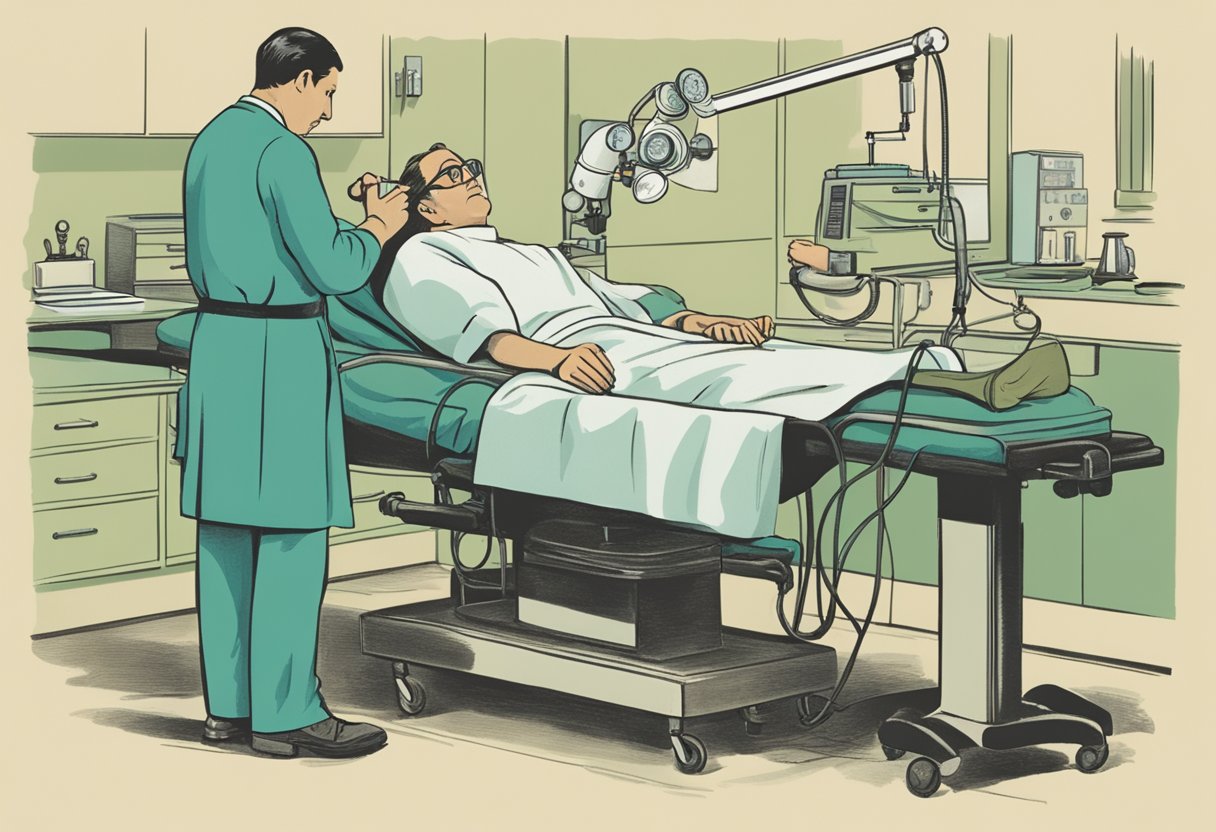
A bronchoscopy involves several steps to ensure your comfort and safety. First, doctors check your lungs and airways using a small camera.
Preparation for Bronchoscopy
Before my bronchoscopy, I had to fast for about eight hours. The doctor told me to stop taking blood thinners and certain medications. I wore comfy clothes and left jewelry at home.
Nurses checked my vitals at the hospital and asked about my medical history. They put in an IV for fluids and medicine. I got a sedative to help me relax.
The team explained what would happen and answered my questions. This helped calm my nerves. They applied a numbing spray to my throat to prevent gagging.
During the Procedure
Once in the procedure room, I lay on my back. The doctor gave me more medicine through the IV. This made me tired but not fully asleep.
The bronchoscope was inserted through my nose or mouth. It felt weird but didn’t hurt. The camera showed my airways on a screen, and the doctor took samples if needed.
The whole thing took about 30-60 minutes. I coughed a bit, which is normal. The team monitored my breathing and comfort the entire time.
Post-Procedure Recovery
After the bronchoscopy, nurses watched me in a recovery area. My throat felt sore, and I had a slight cough, but these effects soon disappeared.
I couldn’t eat or drink for a while until the numbness wore off. This prevented choking. The doctor went over the initial findings with me.
I needed someone to drive me home since I was still groggy from the medicine. I rested for the rest of the day, and my voice sounded hoarse for a day or two.
Follow-up instructions included when to resume normal activities and medications. I called the doctor if I had any concerns or unusual symptoms.
Potential Complications and Risks
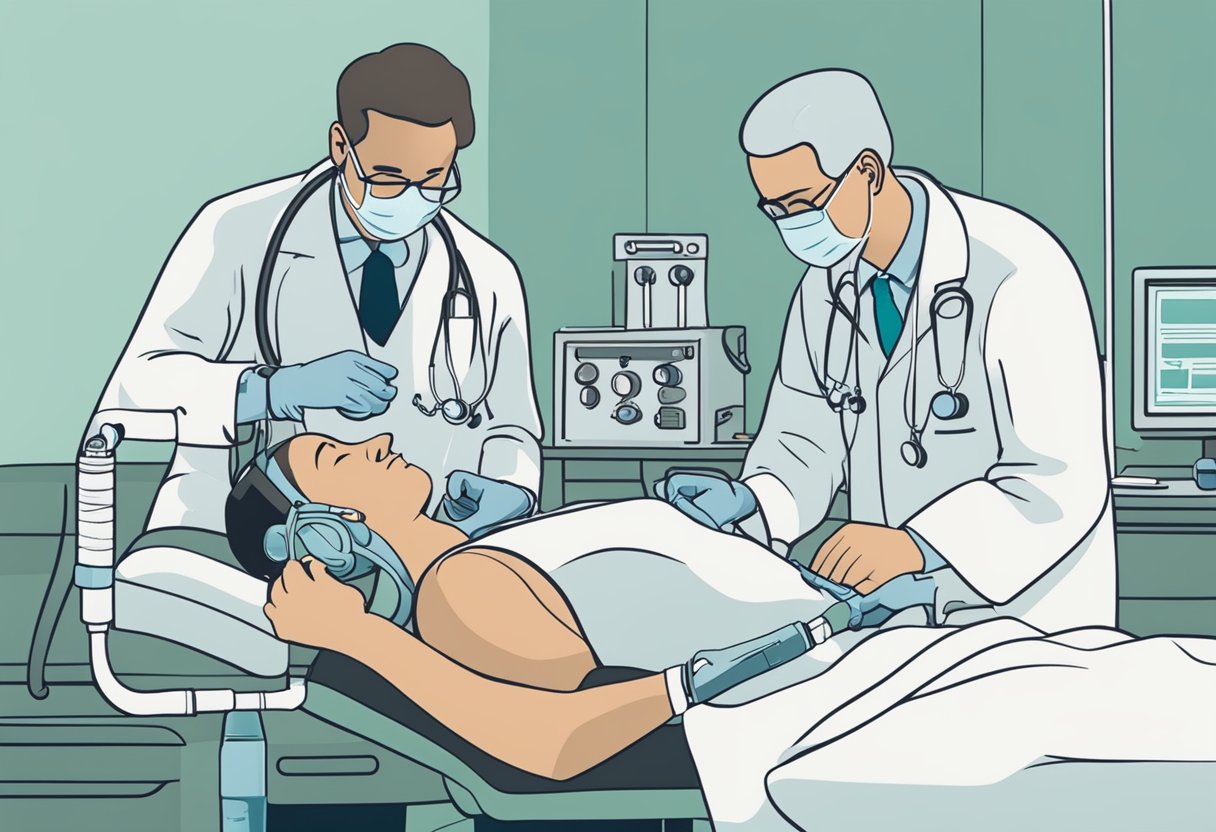
While bronchoscopy is generally safe, it can lead to some complications. Knowing what to watch for and how to minimize risks can help patients feel more prepared and confident.
Recognizing Complications
As a two-time lymphoma survivor, I’ve learned to stay alert for signs of complications after procedures. Bleeding is one potential issue, especially if a biopsy is taken. I remember feeling sore in my throat afterward – this is common and usually goes away quickly.
Pneumothorax, or a collapsed lung, can occur but is rare. Call your doctor immediately if you notice sudden chest pain or trouble breathing. Infection is another possibility, so watch for fever or chills in the days following the bronchoscopy.
Some patients experience low oxygen levels during or after the procedure. Your medical team will monitor this closely and provide oxygen if needed.
Managing Risk Factors
Be upfront with your doctor about your medical history and medications to reduce risks. As someone who’s been through cancer treatment, I know how vital clear communication is.
Follow pre-procedure instructions carefully. This may include fasting or adjusting medications. If you smoke, try to quit or cut back before the bronchoscopy – it can make a big difference in how your lungs respond.
Choose an experienced doctor for your procedure. A skilled bronchoscopist can help minimize the chance of complications like lung damage. Don’t hesitate to ask about their experience and success rates.
Stay calm during the procedure – easier said than done, I know! But taking slow, deep breaths can help prevent complications and make the experience smoother.
Diagnostic and Therapeutic Applications
Bronchoscopy serves as a vital tool for diagnosing and treating lung conditions. This procedure allows doctors to examine airways, collect samples, and perform interventions.
Biopsy and Tumor Assessment
As a cancer survivor, I know how crucial early detection can be. Bronchoscopy helps doctors diagnose lung cancer by allowing them to see tumors and take tissue samples. The doctor guides a thin tube through the airways during the procedure to reach suspicious areas.
They can then use tiny tools to collect cells or small pieces of tissue for testing. This process, called a biopsy, can reveal whether a growth is cancerous. The doctor may also examine nearby lymph nodes to check if the cancer has spread.
For men facing potential lung cancer, bronchoscopy offers a less invasive option compared to surgery. The procedure can also help determine the stage of cancer, which guides treatment decisions.
Airway Stent Placement
Sometimes, lung cancer or other conditions can block the airways, making breathing hard. In these cases, doctors may use bronchoscopy to place a stent. A stent is a small tube that holds the airway open, allowing air to flow more freely.
I’ve seen firsthand how this can improve the quality of life for cancer patients. The doctor inserts the stent through the bronchoscope, positioning it in the narrowed airway area. Once in place, the stent expands, pushing the airway walls outward.
This procedure can provide quick relief from breathing difficulties. For men battling advanced lung cancer, stent placement can make a big difference in day-to-day comfort and ability to stay active.
Recovery and Aftercare
After a bronchoscopy, patients need time to rest and recover. The process involves close monitoring and following specific care instructions at home.
Post-Procedure Monitoring
Nurses will check my vital signs and oxygen levels in the recovery room. I might feel groggy from the sedation, so I’ll stay until I’m alert and stable.
Some common side effects I experienced included:
- Sore throat
- Hoarseness
- Mild fever
These usually subsided within a day or two. If symptoms persist or worsen, it’s crucial to contact the doctor.
Home Care Instructions
Once home, I followed these guidelines for a smooth recovery:
- Rest for 24 hours
- Avoid driving or operating machinery for a day
- Drink plenty of fluids
- Eat soft foods if my throat is sore
- Use throat lozenges for discomfort
I refrained from smoking and avoided alcohol for at least 24 hours. My doctor scheduled a follow-up appointment to discuss the results and any necessary next steps.
If I noticed bleeding, chest pain, or trouble breathing, I knew to seek immediate medical attention. Following these instructions, I recovered quickly and returned to my regular activities, including my favorite sports.
Advanced Bronchoscopic Technologies
New tools have changed how doctors look inside the lungs. These methods help find and treat lung problems better than ever before.
Endobronchial Ultrasound (EBUS)
EBUS is a game-changer for lung cancer patients like me. It uses sound waves to create detailed images of the airways and nearby lymph nodes.
During the procedure, a thin tube with a camera and ultrasound probe goes down the throat. This allows doctors to see areas they couldn’t before.
I’ve had EBUS twice during my lymphoma battles. It’s less invasive than surgery and gives quick results. The doctor can take small tissue samples through the scope if needed. This helps figure out if cancer has spread to lymph nodes.
EBUS is excellent for staging lung cancer and finding the right treatment plan. It’s like having x-ray vision inside the chest. For guys facing lung issues, EBUS can be a lifesaver.
Navigational Bronchoscopy
Navigational bronchoscopy is like GPS for the lungs. It helps doctors reach hard-to-get spots deep in the airways. This tech combines CT scans with special software to create a 3D map of the lungs.
I wish this were around during my first cancer fight. It guides the scope to exactly where it needs to go. This means doctors can biopsy small nodules that were tough to reach before.
The procedure is done while you’re asleep. Recovery is usually quick—I was back on the golf course within days. For men worried about lung spots, this can give answers without major surgery.
Navigational bronchoscopy boosts the chances of getting a good sample, leading to faster, more accurate diagnoses. It’s a real game-changer in the fight against lung cancer. -T
Frequently Asked Questions
Bronchoscopy patients often have concerns about recovery, preparation, and potential risks. Let’s address some common questions to help you feel more at ease with this procedure.
What is the typical recovery time after undergoing a bronchoscopy?
Most patients recover quickly from a bronchoscopy. I was back to my regular routine within 24 hours.
Your throat might feel sore for a day or two. Drink plenty of water and rest your voice to speed up healing.
Can a bronchoscopy assist in diagnosing cases of recurrent pneumonia?
Yes, bronchoscopy can be a game-changer for diagnosing recurrent pneumonia. It helped my doctors identify the root cause of my persistent lung infections.
The procedure allows doctors to examine the airways and collect samples for further testing.
What are the potential complications associated with a bronchoscopy?
While bronchoscopy is generally safe, some risks exist. I experienced mild bleeding and a sore throat.
Other potential complications include:
- Fever
- Difficulty breathing
- Chest pain
- Pneumonia
How should patients prepare for a bronchoscopy procedure?
To prepare for my bronchoscopy, I followed these steps:
- Fasted for 6-8 hours before the procedure
- Take blood thinners as directed by my doctor
- Arrange for a ride home
- Wore comfortable clothing
Are there any restrictions or special care required following a bronchoscopy?
After my bronchoscopy, I took it easy for the rest of the day. My doctor advised me to:
- Avoid eating or drinking for a few hours
- Refrain from driving or operating machinery
- Skip strenuous activities for 24 hours
- Report any unusual symptoms
What sort of anesthesia is typically used during a bronchoscopy?
Doctors use various types of anesthesia for bronchoscopies. In my case, they used local anesthesia to numb my throat and nose. Some patients receive conscious sedation to help them relax. General anesthesia is less common but may be used for complex procedures.
