

Understanding the Potential Links and Risks
Cancer and autism may seem like two very different conditions, but researchers have found some interesting links between them. I’m a two-time lymphoma survivor, and I’ve learned that our bodies are complex and interconnected in ways we don’t always expect.
Studies show that people with autism may have more gene mutations linked to cancer, but they get cancer less often than others. This surprising finding has sparked new research into how these conditions relate.

I’ve seen firsthand how cancer can change your life. For those on the autism spectrum, dealing with cancer brings unique challenges. Communication difficulties may make it harder to express symptoms or understand treatment plans. Sensory issues could make hospital stays extra stressful. But there’s hope – doctors are learning more about helping autistic patients through cancer care.
Looking at the genetics behind both conditions reveals shared pathways and risk factors. This knowledge could lead to better treatments for cancer and autism. As someone who’s faced cancer twice, I’m excited to see how this research might help others in the future.
Key Takeaways
- People with autism have more cancer-related gene mutations but lower cancer rates.
- Autism traits can affect cancer diagnosis, treatment, and care experiences
- Studying links between autism and cancer may improve understanding of both conditions
Understanding Cancer
Cancer is a complex disease that affects millions of people worldwide. As a two-time lymphoma survivor, I’ve learned firsthand about its intricacies and the ongoing research to combat it.
The Basics of Oncology
Oncology is the study and treatment of cancer. It involves examining how tumors form and spread throughout the body.
Doctors use various methods to diagnose cancer, such as:
- Blood tests
- Imaging scans (X-rays, CT, MRI, PET)
- Biopsies
Treatment options often include surgery, chemotherapy, and radiation therapy. These aim to remove or shrink tumors and kill cancer cells. New targeted therapies and immunotherapies are changing the game for many cancer patients.
As a survivor, I can attest to the physical and emotional toll of treatment. Support from family, friends, and medical teams makes a huge difference in the journey.
Influence of Genetics on Cancer
Genes play a crucial role in cancer development. Some people inherit gene mutations that increase their cancer risk, while others develop mutations over time due to environmental factors or random cell changes.
Common cancer-related genes include:
- BRCA1 and BRCA2 (breast and ovarian cancer)
- p53 (various cancers)
- APC (colon cancer)
Research shows a link between autism and cancer risk genes. This connection could lead to new treatments for both conditions.
Genetic testing can help identify high-risk individuals. It allows for early screening and preventive measures. As someone who’s faced cancer twice, I encourage men to discuss their family history with their doctors.
Cancer Risk and Population-Based Studies
Population-based studies help us understand cancer patterns and risk factors. These large-scale research projects track cancer rates across different groups.
Key findings from population studies include:
- Smoking increases lung cancer risk
- Obesity is linked to several cancer types
- UV exposure raises skin cancer rates
Autism spectrum disorder patients show unique cancer risks. They have more gene mutations that drive cancer but lower overall cancer rates.
These studies guide public health policies and prevention strategies. They also help allocate resources for cancer research and treatment programs. As a survivor, I’ve seen how this research translates into better care for patients like me.
Exploring Autism Spectrum Disorders
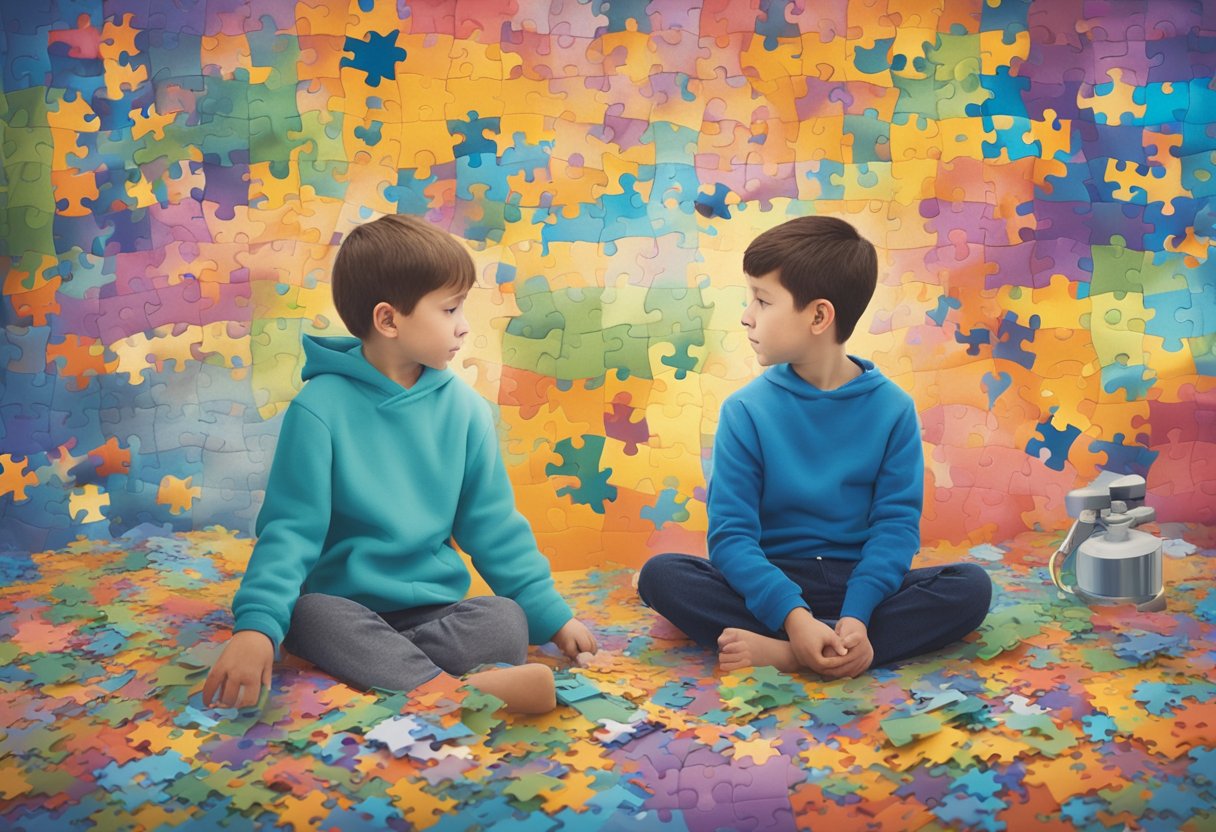
Autism spectrum disorders (ASD) shape the lives of many individuals, affecting how they interact and perceive the world. Let’s dive into the essential aspects of ASD, from its foundations to its genetic roots.
Fundamentals of Neurodevelopmental Disorders
Neurodevelopmental disorders impact brain function and behavior from early childhood. As a cancer survivor, I’ve learned that understanding these conditions is crucial for good support.
ASD falls under this umbrella, alongside conditions like ADHD and intellectual disabilities. These disorders affect learning, communication, and social skills.
Early signs often appear in childhood. They can include delayed speech, difficulty with eye contact, or repetitive behaviors.
Diagnosis usually involves behavioral assessments and developmental screenings. Early intervention can make a big difference in outcomes.
The Spectrum of Autism Disorders
The term “spectrum” in ASD reflects the wide range of symptoms and severity. No two people with autism are exactly alike.
Some individuals with ASD may need significant support in daily life. Others might excel in certain areas while struggling in others.
Common traits include:
- Challenges with social interaction
- Repetitive behaviors or interests
- Sensory sensitivities
- Difficulty with change
Autism spectrum disorder can affect communication in various ways. Some people might be nonverbal, while others speak fluently but struggle with social cues.
Special interests are often a hallmark of ASD. These intense focuses can lead to expertise in specific subjects.
Genetic Architecture of Autism
The genetic factors behind ASD are complex. Research shows that both inherited and new genetic changes play a role.
Studies of twins suggest a vital genetic component. If one identical twin has ASD, the other is more likely to have it too.
Specific genes linked to ASD affect brain development and function. Some of these genes are associated with other conditions, including certain cancers.
Environmental factors may interact with genetic predispositions. This interaction could influence ASD development or severity.
Advances in genetic testing have improved our understanding of ASD’s complexity. This knowledge opens doors for personalized interventions and support strategies.
Intersections of Cancer and Autism
Cancer and autism share surprising connections in our genes and biology. As a two-time lymphoma survivor, I’ve learned how these conditions intertwine in ways that affect many men’s lives.
Shared Genetic Pathways
Cancer and autism have overlapping risk genes. My battle with lymphoma taught me how genetic pathways like PTEN and MeCP2 play a role in both conditions. PTEN helps control cell growth, while MeCP2 regulates gene expression.
These shared pathways affect how our cells communicate and divide. In cancer, this can lead to tumor growth. In autism, it may influence brain development and function.
Understanding these connections could lead to better treatments for both conditions. As a survivor, I’m excited by the potential for new therapies that target these shared pathways.
Common Risk Genes and Their Functions
Several genes increase the risk for both cancer and autism. My experience with lymphoma made me curious about these genetic links. Here are some key players:
- PTEN: Controls cell growth and division
- MeCP2: Regulates gene expression
- CHD8: Involved in chromatin remodeling
- NRXN1: Affects synaptic function
These genes impact how our cells grow, communicate, and function. Mutations in cancer can lead to uncontrolled cell growth, and in autism, they may alter brain development and connectivity.
Research shows that people with autism have more cancer-driving gene mutations. Yet, they often have lower cancer rates. This paradox fascinates me and could lead to new cancer prevention strategies.
Molecular Pathways and Genetic Mutations
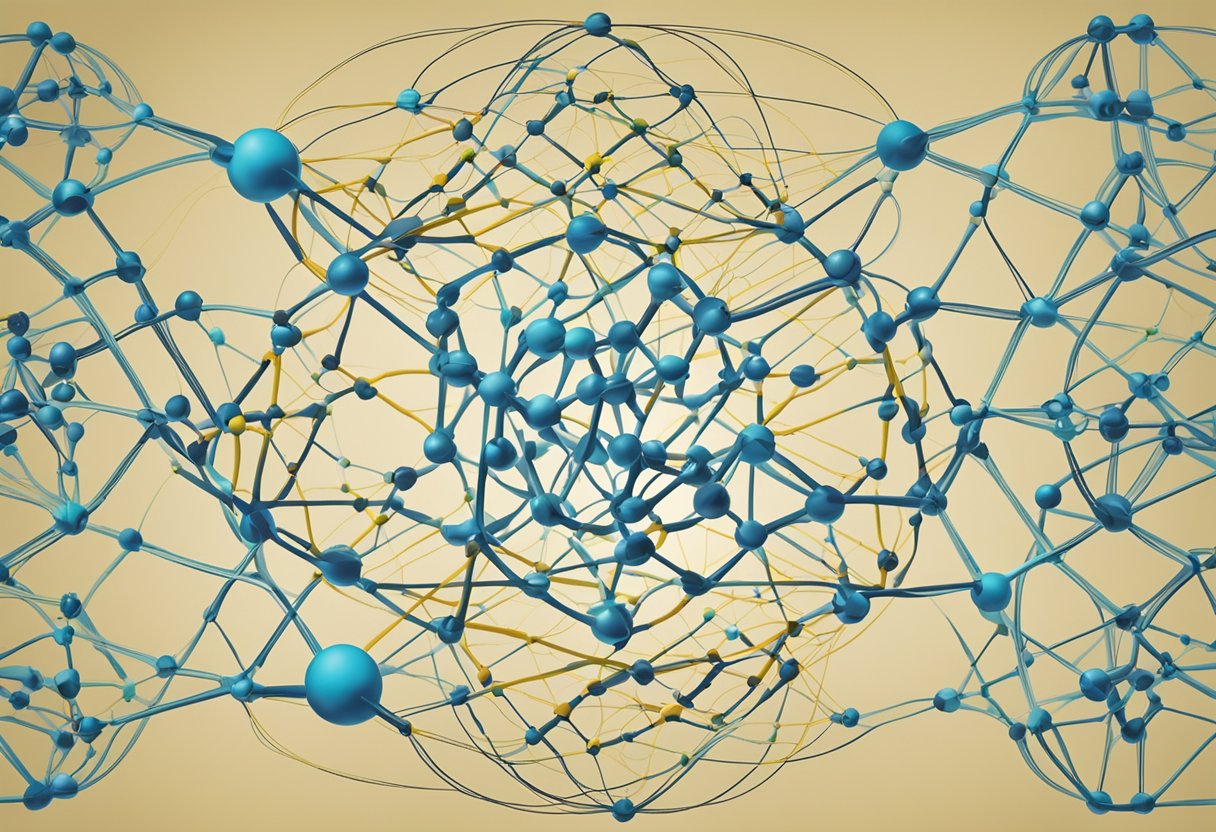
Cancer and autism share some surprising links at the genetic level. Mutations in specific genes can increase the risk for both conditions. Key signaling pathways also play a role in their development.
PTEN and Its Role in Disease
The PTEN gene acts as a tumor suppressor and regulates cell growth. When PTEN mutates, it can lead to uncontrolled cell division. This mutation increases cancer risk, especially for lymphomas like the ones I battled.
PTEN mutations also appear in some autism cases. They can cause brain overgrowth and affect neuronal connections. As a cancer survivor, I’ve learned how one tiny change in DNA can have huge effects.
Research shows that PTEN impacts the PI3K/AKT pathway. This pathway controls cell survival and metabolism in both cancer and autism. Understanding these shared mechanisms could lead to new treatments for both conditions.
Signaling Pathways in Cancer and Autism
Several signaling pathways link cancer and autism at the molecular level. The MET signaling pathway stands out as a critical player in both disorders.
Overactive MET signaling drives tumor growth and spread in cancer. I remember learning about MET’s role during my lymphoma treatment. For autism, MET affects brain development and neuron communication.
DNA repair pathways also connect these conditions. Faulty repair can cause genetic instability in cancer cells and, in autism, may lead to neurodevelopmental issues.
My experience taught me how complex these molecular networks are. Each pathway interacts with others, creating a web of connections. Unraveling these links could unlock new ways to help both cancer patients and those with autism.
Clinical and Behavioral Aspects
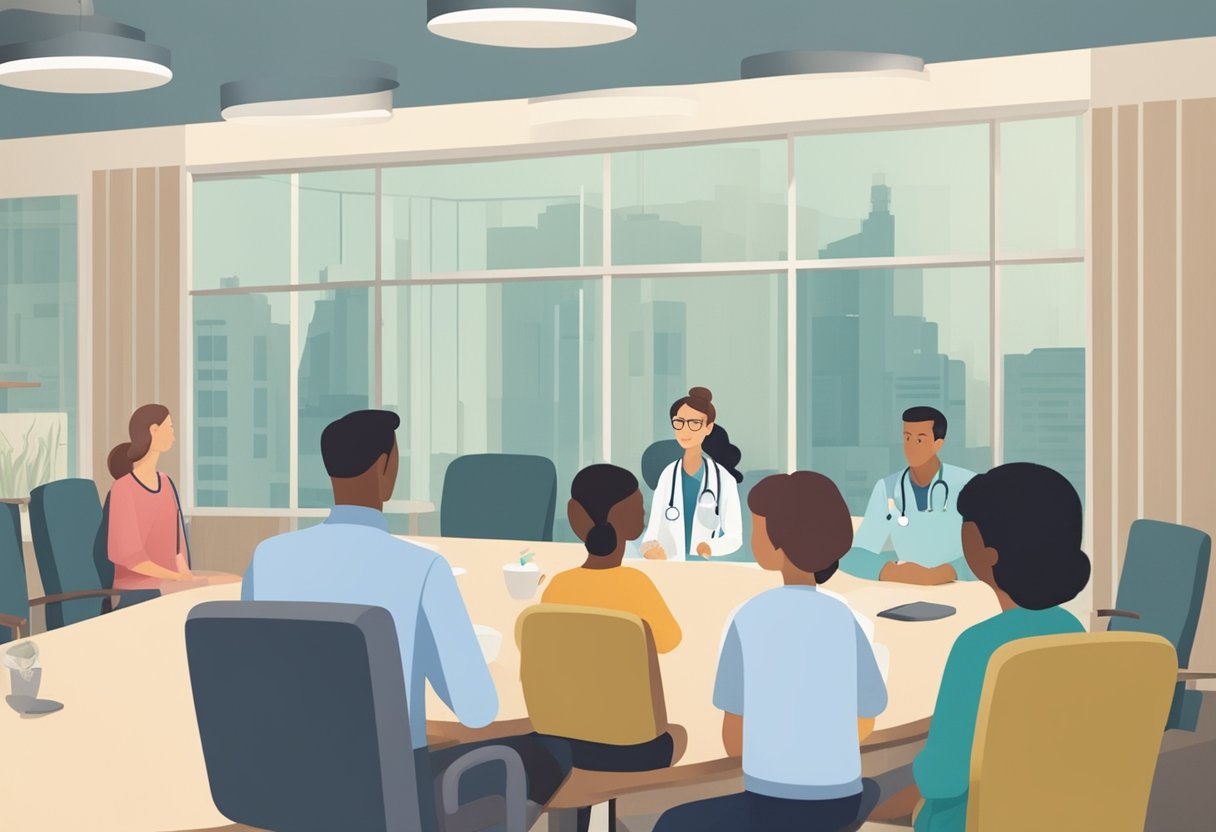
Cancer and autism present unique challenges for patients. They affect how we think, act, and connect with others, shaping our care and daily lives.
Intellectual Disability and Behavioral Phenotype
As a cancer survivor, I’ve seen how intellectual disability can impact care. Many autistic patients struggle with complex medical information. This makes it hard to understand treatments and follow-up care.
Behavioral traits like repetitive actions or sensory sensitivities can affect medical procedures. I remember feeling overwhelmed by hospital sounds and lights during my lymphoma treatment. For autistic patients, these sensations can be even more intense.
Doctors and nurses need special training to work with autistic cancer patients. They must adapt their approach to each person’s needs. This might mean using visual aids or breaking instructions into small steps.
Communication Skills and Social Interaction
Cancer care requires good communication. Autistic patients may find it hard to express pain or side effects. This can lead to missed symptoms or delayed treatment.
Social challenges can make hospital stays and doctor visits stressful. I found comfort in talking to other patients during my treatment. For autistic individuals, this social support might be more challenging to access.
Healthcare teams should use clear, direct language, avoiding idioms or abstract concepts. Written instructions or visual schedules can help autistic patients navigate their care.
Family members often play a key role in bridging communication gaps. They can help explain the patient’s needs to medical staff. This teamwork is vital for effective cancer treatment in autistic individuals.
Research and Technological Advances
New tools and methods have changed how we study and treat cancer and autism. These advances help us understand these conditions better and find new ways to help people.
The Role of Exome Sequencing
Exome sequencing has revolutionized how we look at genes in cancer and autism. This technique lets us see small changes in DNA that might cause problems. As a lymphoma survivor, I’ve seen firsthand how this can help doctors choose the proper treatment.
Exome sequencing can find mutations that run in families. This helps us understand why some people get cancer or autism. It also helps create new drugs that target specific gene changes.
For men with cancer, exome sequencing can reveal unique genetic patterns. This knowledge leads to more personalized treatments, improving our chances of beating the disease.
Innovations in Immunotherapy for Cancer
Immunotherapy has been a game-changer in cancer treatment. It teaches our body’s defenses to fight cancer cells. As someone who’s fought lymphoma twice, I can say this approach offers new hope.
New research shows that some genes linked to autism also play a role in cancer. This discovery could lead to new immunotherapy treatments that work for both conditions.
For men battling cancer, immunotherapy can be like having an all-star team on your side. It’s like training your body to be the ultimate cancer-fighting machine. The results can be excellent, with some patients seeing their tumors shrink or disappear.
Genetic Syndromes with Cancer and Autism Traits
Some genetic conditions link cancer risks with autism-like features. These syndromes affect brain development and cell growth in unique ways. Let’s explore two key examples and their connections to brain tumors.
Analysis of Coffin-Siris and Cornelia de Lange Syndromes
Coffin-Siris syndrome and Cornelia de Lange syndrome share traits with autism and cancer risks. As a lymphoma survivor, I’ve learned these conditions affect genes that control how cells grow and communicate.
Coffin-Siris syndrome impacts chromatin remodeling genes. This can lead to autism-like behaviors and higher cancer risks. People with this syndrome may have:
• Developmental delays
• Distinctive facial features
• Higher chance of certain tumors
Cornelia de Lange syndrome affects genes that help cells divide. It can cause:
• Autism-like communication challenges
• Growth issues
• Increased risk of certain cancers
Both syndromes teach us how genes shape brain development and cell growth.
Connections between Brain Tumors and Neurodevelopmental Disorders
My battle with cancer opened my eyes to links between brain tumors and conditions like autism. Some genes tie these seemingly different issues together.
Brain tumors and autism can stem from changes in how nerve cells grow and connect. Genes that control cell division play a key role. When these genes don’t work right, it can lead to:
• Uncontrolled cell growth (tumors)
• Altered brain wiring (autism traits)
I’ve seen how understanding these connections helps create better treatments. It gives hope to men facing either challenge. We can find new ways to tackle both links by studying these links. -T
Frequently Asked Questions
Cancer and autism intersect in complex ways. Men with autism face unique challenges when dealing with cancer. As a two-time lymphoma survivor, I’ve learned valuable lessons about navigating these issues.
What association exists between acute lymphoblastic leukemia and autism spectrum disorder?
Autism and acute lymphoblastic leukemia share some genetic risk factors. This link suggests a potential biological connection between the two conditions.
My experience with lymphoma taught me the value of understanding these connections. It helps doctors provide better care for patients with both autism and cancer.
How does autism impact the treatment and management of cancer?
Autism can affect how a person handles cancer treatment. Communication challenges may make it harder to express symptoms or side effects.
Working closely with my medical team to address my specific needs was crucial. We developed strategies to make treatments more manageable, like creating visual appointment schedules.
Is there a connection between breast cancer and autism spectrum conditions?
Research has shown some links between autism and breast cancer. Some shared genetic factors may play a role in both conditions.
While I didn’t have breast cancer, I learned the importance of regular screenings. Early detection is crucial for all cancer types, especially for those with autism who might face additional challenges.
What is the increased risk of cancer among individuals with autism?
Some studies suggest a slightly higher cancer risk for people with autism. This may be due to shared genetic factors or environmental influences.
My advice is to stay proactive about health screenings. Regular check-ups helped me catch my lymphoma early, which was crucial for successful treatment.
Can individuals with autism have a different prognosis or cancer outcome?
Autism itself doesn’t necessarily change cancer outcomes. However, communication challenges can impact treatment effectiveness.
Being clear about my needs and preferences helped my doctors tailor my care. This approach can lead to better outcomes for autistic individuals with cancer.
How do co-occurring conditions in autistic individuals influence their overall health?
Autistic people often have other health conditions that can affect cancer treatment and overall health.
These may include sensory sensitivities or gastrointestinal issues.
My lymphoma treatment was adjusted to account for my sensory needs. This personalized approach made a big difference in my ability to cope with treatment.
