

Male cancer survivor shares empowering journey to resilience
As a two-time lymphoma survivor, I’ve learned that life after cancer is a journey filled with challenges and triumphs. Men who’ve faced cancer often struggle to find their footing in the aftermath.
This blog post aims to illuminate the survival skills that can make all the difference in rebuilding our lives.

Developing strong self-advocacy skills is vital to thriving as a male cancer survivor. Whether communicating effectively with healthcare teams or managing treatment’s physical and emotional impacts, taking an active role in our care is crucial.
I’ve found that learning to speak up for myself and ask questions has been a game-changer in my post-cancer life.
Staying physically active and maintaining a healthy diet have been vital to my recovery. Research shows that proper nutrition and exercise can help cancer survivors live longer and reduce the risk of recurrence.
As men, we often neglect these aspects of our health, but I’ve discovered that embracing them can significantly boost our quality of life and overall well-being.
Key Takeaways
- Self-advocacy skills empower survivors to take control of their health journey.
- Regular exercise and a balanced diet can improve long-term outcomes for cancer survivors.
- Developing coping strategies helps manage the emotional challenges of life after cancer.
Understanding Cancer Survivorship

Cancer survivorship affects millions of people worldwide. It brings unique challenges and opportunities for growth. As a two-time lymphoma survivor, I’ve learned valuable lessons about navigating life after cancer.
Defining Survivorship and Its Importance
Cancer survivorship begins at diagnosis and continues through treatment and beyond. It encompasses physical, emotional, and practical aspects of living with and after cancer. For men, survivorship often involves redefining masculinity and identity.
I found strength in connecting with other survivors. We shared tips on managing side effects and rebuilding our lives. Survivorship also means regular check-ups and screenings to catch any recurrence early.
Research shows that the quality of life for cancer survivors can improve with proper support. This includes:
- Access to mental health services
- Exercise programs tailored to survivors
- Nutrition guidance
- Career counseling
Challenges Faced by Male Cancer Survivors
As men, we often face unique hurdles in cancer survivorship. Many of us struggle with:
- Body image issues due to treatment effects
- Changes in sexual function or fertility
- Difficulty expressing emotions or seeking help
I battled depression after my treatments ended. It took time to accept my new normal and rebuild my confidence. Joining a support group for male cancer survivors was a game-changer.
Fear of recurrence can be paralyzing. I cope by staying active and focusing on what I can control. Regular exercise, like swimming or hiking, helps me feel strong and resilient.
Work-related concerns are common, too. I had to learn to pace myself and communicate my needs to my employer. Many organizations now offer resources for cancer survivors returning to work.
Medical Management After Cancer

After beating cancer, staying on top of your health becomes a crucial part of the survivorship journey. Regular check-ups and proactive care can help catch any issues early and keep you feeling your best.
Surveillance for Second Cancers
As a two-time lymphoma survivor, I’ve learned that vigilance is vital. Regular screenings for second cancers are a must. I schedule annual physicals and follow my oncologist’s recommendations for specific tests. These may include blood work, imaging scans, or biopsies.
Early detection can make a world of difference. I keep a calendar of appointments and set reminders on my phone. It’s like training for a sport – consistency is vital.
For us guys, it’s easy to brush off symptoms. But speaking up about any changes in my body has been a game-changer.
Managing Long-Term Side Effects
Cancer treatment can leave lasting effects on our bodies. I’ve dealt with fatigue, cognitive changes, and nerve pain. Working with my healthcare team, I’ve developed strategies to manage these issues.
Exercise has been my secret weapon. A mix of cardio and strength training helps combat fatigue and keeps my mind sharp. I started slow, like a rookie in training, and gradually built up my endurance.
Nutrition plays a significant role, too. I fuel my body with fruits, vegetables, and whole grains. It’s like meal prep for a big game – planning makes healthy eating easier.
For specific side effects, I’ve found targeted therapies helpful. Physical treatment for nerve pain and cognitive exercises for “chemo brain” have made a real difference.
Role of Oncologists in Continuous Care
My oncologist has been like a coach, guiding me through the ups and downs of survivorship. Regular check-ins help us stay on top of any potential issues.
We work together to create a survivorship care plan. This roadmap outlines follow-up care, screening schedules, and strategies for managing long-term effects.
I’ve learned to come prepared to appointments with questions and concerns. Clear communication helps ensure I get the most out of each visit.
My oncologist also coordinates with my other healthcare providers. This team approach ensures all aspects of my health are covered, from cancer surveillance to general wellness.
Incorporating Nutrition and Physical Activity

Boosting my health through diet and exercise became a game-changer in my cancer recovery journey. These lifestyle changes helped me regain strength and improve my overall well-being.
Adopting a Healthy Diet
After beating lymphoma twice, I learned the value of nourishing my body with the right foods. I focused on eating plenty of fruits, vegetables, and whole grains. Lean proteins like chicken, fish, and beans became staples in my meals.
I cut back on processed foods, sugary drinks, and red meat. Instead, I opted for water, herbal teas, and fresh juices. Cancer survivors can benefit from a nutrient-rich diet that is low in empty calories.
To track my nutrition, I used a food diary app. This helped me stay accountable and ensure that I got the right balance of nutrients daily.
Exercise as a Keystone Habit
Physical activity played a huge role in my recovery. I started small, with short walks around the block. As I got stronger, I added more challenging exercises to my routine.
The American Cancer Society recommends 150-300 minutes of moderate or 75-150 minutes of vigorous weekly exercise. I aimed for this goal by mixing up my activities to keep things interesting.
Some of my favorite workouts included:
- Swimming laps at the local pool
- Joining a cancer survivors’ yoga class
- Strength training with resistance bands
- Hiking in nearby parks
Exercise boosted my energy levels, improved my mood, and helped me maintain a healthy weight. It also gave me a sense of control over my health, which was empowering during a time when so much felt out of my hands.
Mental Health and Emotional Well-Being

Cancer can take a toll on our minds as well as our bodies. I’ve learned that taking care of our mental health is vital to thriving after treatment.
Coping with Anxiety and Depression
As a two-time lymphoma survivor, I’ve faced my share of anxiety and depression. These feelings are common and valid.
I found that exercise helped me manage my mood. A quick jog or gym session can boost endorphins and clear the mind.
Mindfulness practices like meditation also proved valuable. Taking a few minutes daily to breathe deeply and focus on the present moment helped ease my worries about the future.
Connecting with other survivors gave me perspective. Joining a support group let me share experiences and learn coping strategies from others who truly understood.
The Role of Counseling and Emotional Support
Seeking professional help was a game-changer for me. A therapist specializing in cancer survivors helped me process my emotions and develop coping skills.
My loved ones were my rock, but I needed to learn to lean on them. Being open about my needs allowed them to provide better support.
I also found strength in helping others. Volunteering at cancer centers gave me purpose and perspective. Sharing my story and supporting fellow survivors became a powerful part of my healing journey.
Rebuilding Life with a Focus on Health
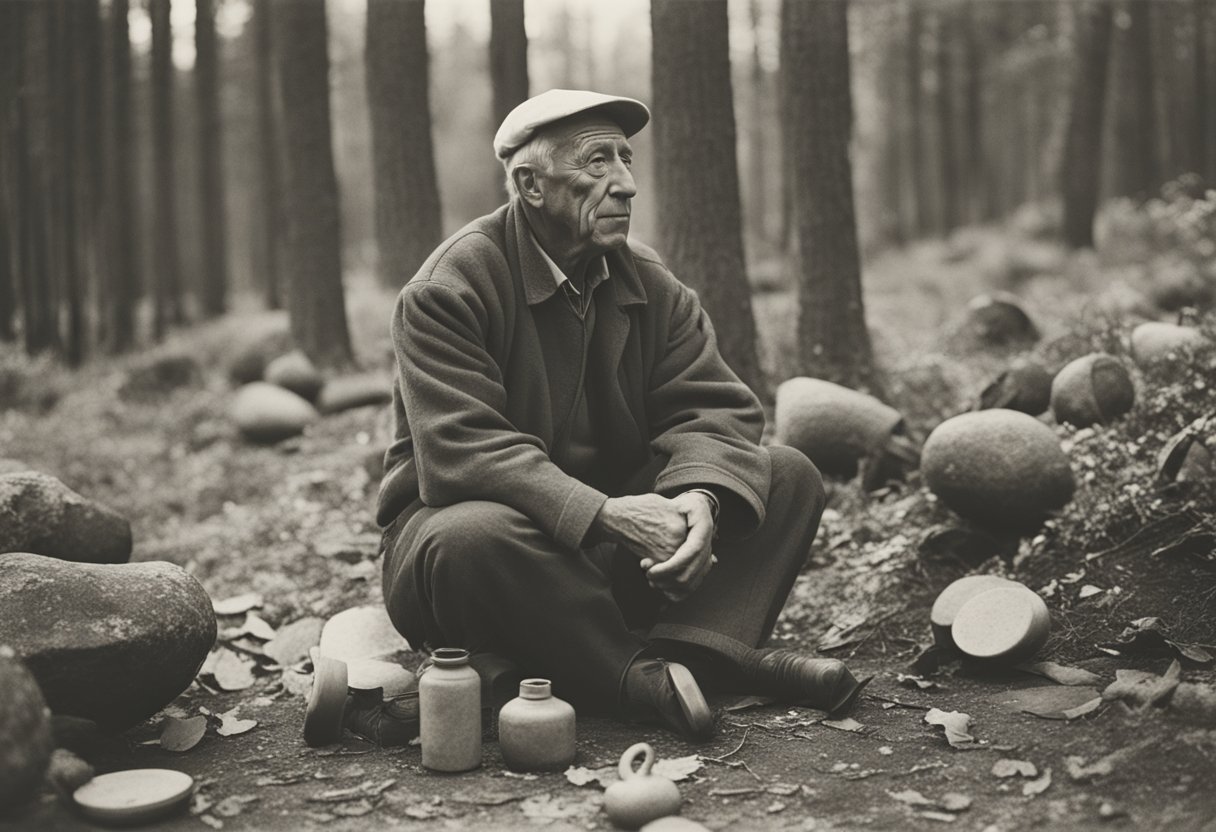
After surviving cancer, I learned that prioritizing health is vital to thriving. A renewed focus on wellness can boost energy, mood, and overall quality of life for male cancer survivors like myself.
Improving Sleep and Managing Fatigue
Cancer treatments often disrupt sleep patterns, leaving survivors feeling drained.
I found that establishing a consistent bedtime routine helped reset my body clock.
Dimming lights an hour before bed and avoiding screens signaled to my brain it was time to wind down.
I started with short walks to combat fatigue and gradually increased my activity level.
Naps can be helpful, but I limited them to 30 minutes to avoid interfering with nighttime sleep.
Getting enough vitamin D through sunlight or supplements supported my bone health and energy levels.
Talking to your doctor about potential underlying causes is crucial if fatigue persists.
Engaging in Social and Healthy Lifestyles
Connecting with others who’ve faced similar challenges can be incredibly uplifting.
I joined a local cancer survivors’ group where we share experiences and motivate each other to stay healthy.
Being physically active became a cornerstone of my new lifestyle.
I started with gentle exercises like swimming and yoga, which were easy on my joints. As I got stronger, I added more challenging activities.
Nutrition played a significant role in my recovery.
I filled my plate with colorful fruits, vegetables, lean proteins, and whole grains.
Staying hydrated and limiting alcohol intake also made a noticeable difference in how I felt.
Managing Physical Challenges and Rehabilitation
Cancer treatment can leave lasting effects on the body. I’ve found ways to tackle physical issues and rebuild strength after my lymphoma battles. These strategies have helped me regain confidence and improve my quality of life.
Dealing with Chronic Pain and Lymphedema
Chronic pain became my constant companion after cancer treatment.
I learned to manage it through a mix of methods.
Physical therapy exercises, tailored to my needs, helped reduce discomfort and improve mobility. Gentle yoga and stretching became part of my daily routine.
For lymphedema, I wear compression garments and practice manual lymphatic drainage. These techniques keep swelling in check.
I also found swimming an excellent, low-impact exercise that aids circulation.
Regular check-ins with my healthcare team ensure I stay on top of any new developments.
They’ve provided valuable advice on pain management techniques and lymphedema care.
Body Image and Sexual Health
Cancer treatment changed my appearance and affected my self-esteem.
I tackled this by focusing on what my body could do rather than how it looked. Setting small fitness goals, like walking further daily, helped me appreciate my resilience.
Joining a support group for male cancer survivors was a game-changer.
Sharing experiences with others who understood my journey boosted my confidence. We discussed everything from hair loss to changes in sexual function openly.
To address sexual health concerns, I had frank conversations with my doctor.
They suggested treatments for erectile dysfunction and referred me to a therapist specializing in cancer-related intimacy issues.
This holistic approach has helped me reclaim my sexual well-being.
Navigating the Health Care System
Male cancer survivors face unique challenges when dealing with the medical system after treatment. I’ve learned strategies to work effectively with doctors and get the needed care.
Consulting with Health Care Professionals
As a two-time lymphoma survivor, I’ve had many doctor visits.
Clear communication is vital.
I prepare questions ahead of time and take notes during appointments. Being honest about symptoms and side effects helps my care team provide better treatment.
I’m not afraid to ask for explanations in simple terms. Medical jargon can be confusing. My urologist taught me a lot about how cancer affected my body.
Building relationships with nurses and staff is helpful, too. They often have great practical advice for managing day-to-day health issues.
The Role of Primary Care in Survivorship
My primary care physician plays a crucial role in my ongoing health.
He coordinates my care between specialists and manages my overall wellness.
Regular check-ups help catch any new health concerns early.
My doctor keeps track of my cancer history and screens for potential late effects of treatment.
We work together on lifestyle changes to reduce my cancer risk.
He advises me on nutrition, exercise, and stress management tailored for cancer survivors.
I’ve found that taking an active role in my healthcare leads to better outcomes. By partnering with my medical team, I feel more in control of my health journey.
The Debate
As a two-time lymphoma survivor, I’ve witnessed firsthand the challenges men face after cancer treatment. The Cancer Survival Toolbox has sparked discussions about the best ways to support male survivors.
Some argue that men need tailored resources focusing on traditionally masculine coping strategies.
They believe sports metaphors and physical activities can help guys process their emotions and build resilience.
Others contend that gender-specific approaches reinforce harmful stereotypes.
They advocate for universal tools that encourage all survivors to embrace vulnerability and seek emotional support.
My experience has shown me the value of both perspectives. While shooting hoops helped me work through frustration, learning to open up in support groups was equally crucial.
The debate extends to financial concerns unique to male survivors.
Job loss and reduced income can threaten a man’s sense of identity as a provider.
Some programs emphasize career counseling, while others focus on redefining self-worth beyond work.
Communication skills are another hot topic.
Many men struggle to articulate their needs to healthcare teams and loved ones.
Advocates disagree on whether to teach assertiveness or encourage a more collaborative approach.
Final Thoughts
As a two-time lymphoma survivor, I’ve learned that developing survival skills is a game-changer for men facing cancer. These skills can help us navigate the challenges ahead with confidence and resilience.
The Cancer Survival Toolbox offers valuable resources for honing these abilities.
I’ve found that mastering communication with healthcare teams is like learning a new sport – it takes practice, but the payoff is enormous.
Managing finances during and after treatment can feel like a marathon.
Creating a budget and exploring financial assistance options can help ease the strain.
Remember, asking for help is a sign of strength, not weakness.
Self-advocacy is another crucial skill.
It’s like being your coach, pushing for the best care and support. Don’t be afraid to speak up and ask questions.
Connecting with other male survivors has been a game-changer for me.
Sharing experiences and tips can provide both emotional support and practical advice.
Lastly, focus on your physical and mental well-being.
Gentle exercise, mindfulness, and pursuing hobbies can boost your spirits and aid recovery.
Remember, we’re all part of the same team in this fight against cancer. Stay strong, keep learning, and never give up. You’ve got this! -T
Frequently Asked Questions
Cancer survival brings unique challenges for men. As a two-time lymphoma survivor, I’ve learned valuable lessons about navigating life after treatment. Let’s explore key questions many survivors face.
What resources are essential for cancer survivors to enhance their survival skills?
I found the Cancer Survival Toolbox invaluable. This audio program taught me to communicate effectively with my healthcare team and advocate for my needs. Support groups also played a crucial role in my recovery, connecting me with fellow survivors who understood my journey.
How can cancer survivors manage long-term side effects after treatment?
Managing side effects requires a proactive approach.
I work closely with my medical team to address lingering symptoms.
Regular exercise, like swimming or cycling, helps combat fatigue.
A balanced diet of fruits, vegetables, and whole grains supports my body’s healing process.
What is the survivorship checklist recommended for cancer survivors to maintain health?
My survivorship checklist includes regular check-ups, staying active, and maintaining a healthy weight. I prioritize stress management through meditation and yoga. Keeping up with recommended screenings and vaccinations is also essential for my long-term health.
What are common emotional and physical challenges faced by long-term cancer survivors?
Fear of recurrence often looms large for survivors.
Physically, I’ve dealt with fatigue and changes in my body’s functionality.
Emotionally, I’ve experienced anxiety and periods of depression.
Seeking professional help and joining a men’s support group have been game-changers for me.
How often should cancer survivors follow up with healthcare providers post-recovery?
My follow-up schedule has evolved.
Initially, I had check-ups every few months. Now, years post-treatment, I see my oncologist annually.
However, each survivor’s needs differ, so it is crucial to discuss your specific follow-up plan with your healthcare team.
What strategies do cancer survivors employ to prevent recurrence?
Preventing recurrence involves a multi-faceted approach.
I maintain a healthy lifestyle through regular exercise and a nutritious diet.
Stress reduction techniques like mindfulness have become part of my daily routine.
I also stay vigilant about any new symptoms and report them promptly to my doctor.
