

A Male Cancer Warrior’s Journey to Recovery
When we face a cancer diagnosis, it’s easy to feel isolated and overwhelmed. As male cancer warriors, we understand that the journey can be physically and emotionally taxing.
Yet, spending time in nature offers a unique way to heal and find solace. The serene beauty of natural surroundings helps us reconnect with the world, providing comfort and peace during tough times.

By exploring nature, male cancer survivors can significantly enhance their well-being.
Simple activities like walking through a forest or sitting by a stream reduce stress and promote mental clarity.
These moments allow us to reflect and build resilience. They also remind us of our strength and capacity to overcome challenges.
In addition to nature’s soothing effects, advancements in cancer treatment have greatly improved our quality of life. Targeted therapies and support networks play vital roles in our recovery journeys.
Sharing our experiences can inspire and uplift others facing similar battles as we continue to fight and thrive.
Key Takeaways
- Nature boosts the mental and physical well-being of cancer survivors.
- Cancer treatment advancements improve quality of life.
- Sharing experiences strengthens our community.
Understanding Male Cancer

Male cancer encompasses a variety of cancer types that affect men. This section explores the biology, genetics, specific types of cancers, and the role of diagnosis and oncology.
The Biology and Genetics of Male Cancer
Male cancers often originate from abnormal cell growth in reproductive organs or other body parts. These cells can form tumors, which may be either benign or malignant. Malignant tumors grow uncontrollably and can spread to other body parts.
Genetics plays a critical role in male cancer. Mutations in specific genes can increase cancer risk.
For example, mutations in the BRCA1 and BRCA2 genes increase the likelihood of prostate cancer. Understanding these genetic markers helps in early detection and targeted treatments.
Our DNA contains instructions for cell growth and division, and when errors occur, cancer can develop. Recognizing these genetic factors is vital to managing and treating male cancers.
Types of Male-Specific Cancers
Several types of cancers primarily affect men. Prostate cancer is the most common, occurring in the prostate gland.
Lung cancer is another prevalent form, often linked to smoking and environmental factors.
Pancreatic cancer affects the pancreas and is known for its aggressive nature.
Blood cancers, such as lymphoma and leukemia, affect the blood, bone marrow, and lymphatic system.
Each type has unique symptoms, risk factors, and treatment methods.
The Role of Diagnosis and Oncology
Early diagnosis is critical. Screening methods like PSA tests for prostate cancer or CT scans for lung cancer aid in detecting cancer early.
Oncology is the study and treatment of cancer. Oncologists specialize in diagnosing and treating cancers through various methods, including chemotherapy, radiation, and surgery. They work closely with patients to develop personalized treatment plans.
Accurate diagnosis and effective treatment strategies are essential. As cancer warriors, being informed about our options empowers us to make better decisions and actively participate in our journey toward recovery. Understanding the role of oncologists and the importance of diagnosis can make a significant difference in outcomes for male cancer patients.
The Impact of Nature on Wellbeing

Engaging with nature offers several benefits for men coping with cancer. It aids in mental relaxation and promotes physical health through outdoor activities.
Mental Health and Nature
Spending time in natural settings can significantly benefit our mental health. Natural landscapes have a unique way of calming the mind and reducing stress levels.
Studies have shown that exposure to nature helps lower anxiety and depression among cancer patients [role of nature in cancer patients’ lives].
Connecting with the natural world helps us feel more grounded and present. This creates a mental sanctuary where we can momentarily escape from worries about health.
Walking through parks or hiking in scenic areas can reduce feelings of isolation. These activities also enhance our mood and create a sense of hope and resilience.
Physical Health and Outdoor Activities
Physical activities in nature support overall physical well-being. They help maintain fitness and improve bodily functions.
Activities like hiking, cycling, and even gentle walks offer cardiovascular benefits and boost energy levels.
The positive impact of nature on physical health is well-documented, showing improvements in blood pressure and physical activity levels [nature exposure and health].
Outdoor exercises promote better sleep patterns and enhance immunity, crucial for those battling cancer.
Engaging in these activities regularly helps us stay active, contributing to a stronger and healthier body. It can be therapeutic, offering a sense of normalcy and strength in our daily lives.
Cancer Treatments and Advancements

New cancer treatment advancements promise to improve patient outcomes and quality of life. From innovative therapies to drug development, research is constantly evolving.
Innovations in Cancer Therapy
Recent years have witnessed significant progress in cancer therapy, particularly natural-killer-cell therapy. This therapy harnesses the body’s immune system to target and destroy cancer cells.
Additionally, immune checkpoint inhibitors have revolutionized treatment by blocking proteins that prevent the immune system from attacking cancer.
Equally notable is the development of chimeric antigen receptor (CAR) T-cell therapy. This method modifies T-cells to recognize better and combat cancer cells, offering new hope for patients who do not respond to traditional treatments.
Drug Development and Targeted Treatments
In drug development, targeted therapies like kinase inhibitors have become game-changers. They specifically target molecules involved in cancer growth.
This precision reduces damage to healthy cells, minimizing side effects.
Another breakthrough is using monoclonal antibodies to target specific antigens on cancer cells.
By binding to these antigens, the antibodies can either directly inhibit cancer growth or flag the cells for destruction by the immune system.
Moreover, nucleic acid-based drugs like small interfering RNAs (siRNAs) are being explored to silence cancer-causing genes, offering a promising new frontier in treatment.
Survivorship and Quality of Life

Navigating life after a cancer diagnosis involves various challenges and rewards. This section will explore life post-diagnosis, coping mechanisms, and relevant research for male cancer survivors.
Life After Cancer Diagnosis
After a cancer diagnosis, life takes a different turn. We often find ourselves balancing our need to return to normalcy with the ongoing fear of cancer recurrence.
Fear of cancer recurrence can be paralyzing, creating anxiety about regular check-ups and potential treatments like radical treatment.
Engaging in hiking or simple walks helps us connect with nature and find peace. Our mental well-being often improves with these activities.
Spending time outdoors helps us to reflect and appreciate life from a new perspective.
Social well-being is also crucial; maintaining relationships and community helps combat feelings of isolation.
Coping Mechanisms for Cancer Warriors
We develop various coping mechanisms to manage the emotional and physical strain of surviving cancer.
Participating in sports or physical activities is an effective way to rebuild strength and confidence.
Discussing our experiences with support groups helps us find solace and understanding.
Embracing a positive body image, despite cancer metastasis or treatments, boosts our self-esteem.
Practicing attachment theory in relationships enables us to create healthier emotional bonds with our loved ones.
Active surveillance of our health reduces anxiety and empowers us to take control of our well-being.
Research and Meta-Synthesis in Male Cancer
Meta-synthesis of research on male cancer survivorship provides valuable insights.
Studies show that our community faces unique challenges, including maintaining masculinity and coping with PSA anxiety.
Qualitative studies explore how we handle the uncertain future after treatment.
Research highlights the need for patient-reported outcome measures to capture our experiences accurately.
By contributing our stories to research, we help shape better support systems for future survivors.
Navigating Life as a Male Cancer Warrior
Living as a cancer warrior requires balance and resilience. We must find activities that bring joy and peace, such as exploring nature or engaging in hobbies.
Maintaining physical health through exercise aids in restoring our body’s strength.
Building a routine with regular check-ups and proactive health measures ensures we stay on top of our health while reducing stress.
Joining communities dedicated to cancer survivors offers us the support and understanding necessary to tackle day-to-day challenges.
Fostering a positive mindset helps us to navigate life post-cancer with courage and determination. Together, we create a stronger, more resilient community of survivors.
The Debate
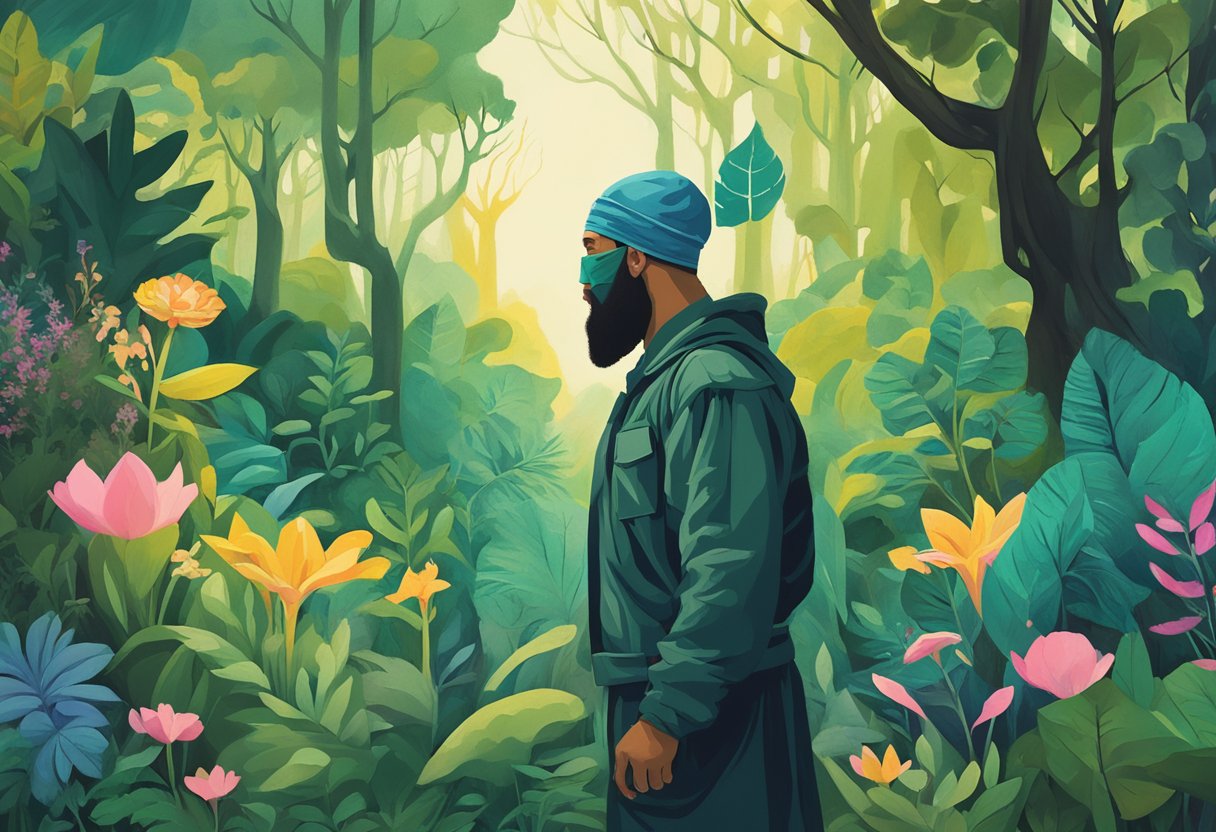
In our journey as survivors, we find the debate over the “male warrior” concept relevant. The perspective that men are inherently programmed to exhibit warrior-like tendencies arises from our evolutionary past. This theory, known as the Male Warrior Hypothesis, suggests that competition shaped male psychology.
Opponents argue that this perspective is too simplistic. They believe it’s a mix of biology, culture, and environment. It is not just heredity that shapes our reactions to battles, whether in nature or against diseases like cancer.
Points of Debate:
| Proponents | Opponents |
|---|---|
| Evolutionary past shapes male behavior. | Hormones like testosterone play a significant role. |
| Cultural and environmental factors matter, too. | Cultural and environmental factors matter too. |
| Men’s warrior tendencies are natural. | Tendencies can vary widely among men. |
We, as survivors, see another side to this. Facing cancer, we had to channel both physical and mental strength. It’s not just biological. Emotional resilience in nature also contributes to our recovery.
Nature helps us reconnect with ourselves. While hiking or just walking, we find peace in natural beauty. This experience challenges the rigid views of the Male Warrior Hypothesis. It shows that our fight against illness encompasses more than ancient instincts.
The debate continues, but our shared experience emphasizes the complex nature of our responses. It’s a blend of factors, from competitive remnants to the healing grace of nature exercises.
Final Thoughts
Our journey through cancer isn’t just medical; it’s deeply personal—spending time in nature, whether mountain biking or hiking, brings us peace and connection.
Engaging in outdoor activities helps us reconnect with the world. Nature’s beauty offers a serene escape, allowing us to reflect and find calmness amidst the chaos.
We have found that activities like snowboarding or simple nature walks provide not just physical exercise but mental clarity. The challenges of nature parallel our battle with cancer, teaching us resilience and perseverance.
In these natural settings, we meet fellow warriors who share similar stories. This camaraderie strengthens our resolve and helps us feel less isolated.
Nature invites us to live in the moment. Whether it’s the quiet of a forest or the thrill of a mountain trail, we learn to appreciate life’s simple joys.
By embracing nature, we nurture our spirit and body. Each moment spent outdoors reinforces our belief in recovery. Engaging with the environment is our solution for finding inner peace and strength. -T
Frequently Asked Questions
Engaging with nature offers several benefits for men coping with cancer. From physical activities to psychological support, nature exploration can be crucial to the healing journey.
What activities are recommended for men coping with cancer to engage in nature exploration?
We find hiking, fishing, and birdwatching to be engaging. Simple activities like gardening and nature walks also offer peaceful relaxation. Paddleboarding or kayaking can be added for those seeking more vigorous exercise.
How does spending time outdoors benefit individuals fighting cancer?
Nature has a calming effect and reduces stress. Fresh air and natural scenery lift our mood and enhance our immune function. Physical exertion in nature strengthens our bodies, offering a holistic benefit.
What are the psychological effects of being labeled a ‘cancer warrior’ for men dealing with cancer?
The “cancer warrior” label can empower us, instilling a fighting spirit. Yet, it may also add pressure to stay strong. Balancing this identity with vulnerability helps us share our journey with others.
What are some nature-oriented coping strategies for male cancer patients?
Meditating in a park or by a river helps us center ourselves. Drawing or sketching natural landscapes encourages creativity. Watching wildlife and star-gazing at night provides a sense of wonder and solace.
How do nature exploration programs support male cancer survivors’ mental health?
These programs build community among us survivors. We share our experiences while hiking or camping, fostering camaraderie. Guided nature therapy walks provide structured mental health support.
In what ways can nature exploration help in the healing process of male individuals battling cancer?
Immersing in nature minimizes our anxiety and fear. Physical activities like walking or rock climbing rebuild our strength and confidence.
The sights and sounds of nature provide needed mental breaks from treatment routines.
Engaging in activities and exploring the outdoors can be transformative, offering solace and strength.
