

A Path to Healing and Acceptance
Survivor’s guilt can weigh heavily on those of us who have beaten the odds. As male cancer warriors who have faced lymphoma twice, we understand this profound emotional burden.

To overcome survivor’s guilt, we must first recognize that our feelings are valid.
It’s common to struggle with such emotions; acknowledging them is the first step toward healing.
Engaging in a supportive community and discussing our experiences can help release pent-up guilt.
Focusing on making a positive impact, perhaps through volunteering or joining support groups, can give our survival new meaning.
Sharing our stories not only helps us cope but also inspires others who might be battling similar emotions.
Together, we can create a path forward, embracing our new routine with hope and resilience.
Key Takeaways
- Recognition of feelings is the first step to healing
- Supportive communities provide emotional relief
- Positive impact and volunteering offer new meaning
Understanding Survivor’s Guilt
Survivor’s guilt is a challenging and emotional experience many of us endure. We will explore its meaning and the typical symptoms we might face.
Defining Survivor’s Guilt
Survivor’s guilt, also known as survivor guilt, arises when we outlive traumatic events while others do not. This feeling commonly affects those of us who have survived severe illnesses like cancer.
We often grapple with feelings of unearned privilege and question why we survived.
These thoughts can lead to emotional turmoil, profoundly affecting our mental and emotional well-being.
Those of us who have battled cancer twice may feel this guilt intensely.
We might wonder why we were given another chance while others were not. This can create an internal conflict, making it hard to accept our survival.
Common Symptoms of Survivor Guilt
Emotional Symptoms:
We may feel intense sadness, shame, and loneliness.
These emotions can be overwhelming, and often, we may not even realize they stem from our survival.
Physical Symptoms:
Survivor’s guilt isn’t just emotional.
We might experience sleeplessness, fatigue, or a lack of appetite.
These physical effects often accompany our feelings of guilt and anxiety.
Behavioral Changes:
Some of us might find ourselves becoming more irritable or angry.
Others may withdraw from social activities, feeling disconnected from those not sharing their experiences.
Mental Health Effects:
Anxiety and numbness are also common.
We might struggle to find joy in activities we once loved, constantly haunted by the thoughts of those who didn’t make it.
Addressing these symptoms is crucial. We must discuss our feelings openly and seek support groups and possibly professional help to navigate this challenging time.
This holistic approach can help us move forward positively and manage our survivor’s guilt constructively.
The Male Cancer Warrior’s Battle

As male cancer warriors, we face unique challenges. Our journey is marked by the emotional impact of diagnosis, demanding treatment stages, and raising awareness for lymphoma.
The Impact of Cancer Diagnosis
Receiving a cancer diagnosis is a life-changing experience.
Being told I have stage IV, Hodgkin’s lymphoma felt like a punch in the gut.
The initial shock is overwhelming, and we often struggle to process the news.
Many of us may experience anxiety and fear about the future.
Acknowledging these emotions and seeking support from loved ones and professionals is crucial.
Understanding our diagnosis helps us take the first steps toward battling the disease with determination.
Treatment Stages and Emotional Toll
Treatment for blood cancer typically involves chemotherapy, radiation, and sometimes major surgery.
Each stage of treatment presents its own set of challenges.
Chemotherapy can be physically draining, causing fatigue, hair loss, and nausea.
Radiation treatments can lead to severe skin irritation and other side effects.
Significant surgeries for cancer removal demand long recovery periods.
Throughout these treatments, we experience emotional highs and lows.
Connecting with fellow cancer survivors and support groups can help mitigate the emotional toll.
Openly discussing our feelings and challenges allows us to find hope and strength in unity.
Lymphoma Awareness
Lymphoma Awareness Month is pivotal to spreading knowledge about this blood cancer.
Raising awareness is essential in promoting early detection and supporting research efforts.
Educational campaigns and community events spotlight the signs and symptoms of lymphoma.
We often share our personal stories to inspire others to get regular check-ups.
Raising awareness also involves advocating for better treatment options and healthcare accessibility.
By participating in and supporting these initiatives, we contribute to the fight against lymphoma and help save lives.
The Psychology Behind Survivor’s Guilt

Survivor’s guilt is a complex mental health condition often experienced by those who survive cancer, including men who have battled lymphoma.
Let’s break down the cognitive and emotional dimensions and explore the critical role of mental health professionals in addressing this challenging experience.
Cognitive and Emotional Dimensions
Survivor’s guilt often stems from negative self-evaluation and questioning why we survived when others did not.
Guilt is a self-conscious emotion intertwined with moral judgment, creating a heavy emotional burden.
For men who have survived cancer, this can manifest as a sense of unworthiness or responsibility for the outcomes of others.
Emotionally, this type of guilt can lead to feelings of sadness, anxiety, and even depression.
It’s not uncommon for cancer warriors to struggle with pervasive thoughts of “Why me?” or “I should have done more.”
These emotional responses can hamper recovery and prevent us from enjoying life post-treatment. Recognizing these emotional and cognitive patterns is the first step toward healing.
The Role of Mental Health Professionals
Professional help is crucial for overcoming survivor’s guilt.
Mental health professionals such as psychologists, counselors, and therapists provide tailored strategies and therapies.
For example, cognitive behavioral therapy (CBT) helps us identify and challenge irrational thoughts that contribute to guilt.
Disaster psychologists and experts from institutions like the Humanitarian Disaster Institute are specially trained to handle trauma-related guilt.
Engaging with professionals who have specific mental health care training for cancer survivors is beneficial.
They employ techniques to foster resilience and promote positive coping mechanisms.
Seeking help isn’t a sign of weakness but a step toward healing. Mental health care can support us through the most challenging times, providing the tools and understanding needed to move forward positively.
Coping Strategies and Support Systems

We can overcome survivor’s guilt by addressing guilt and finding positive ways to move forward. To achieve well-being, we need practical methods and emotional support.
Understanding the Healing Process
Healing from survivor’s guilt is a unique journey for each person.
We must recognize that guilt is usual and part of our recovery.
Acknowledge our emotions and understand that our feelings are valid.
It’s crucial to give ourselves time and space to process these emotions.
Journaling can help us track our progress and recognize patterns in our healing process.
Speaking with other survivors helps us see we’re not alone in our feelings. Acceptance is key.
Professional and Emotional Support
Seeking professional counseling or therapy plays a vital role in our healing.
A professional counselor can offer guidance tailored to our needs.
We should look for cancer-specific support groups. These groups offer a safe space to share experiences and emotions.
Emotional support from friends and family is also crucial.
They provide love and empathy, creating a support system that helps us feel cared for and understood.
Online forums and organizations dedicated to cancer recovery can also be valuable resources.
We can volunteer to mentor new survivors, helping us and others find meaning and purpose.
Building Resilience and Self-compassion
Building resilience involves developing coping skills and fostering self-compassion.
Engage in physical activities like swimming, cycling, or running to boost our mental and physical well-being.
We can practice mindfulness and meditation to stay grounded and reduce stress.
Self-compassion practices, such as speaking kindly to ourselves, help us forgive ourselves.
Emphasizing our strengths and celebrating small victories helps build confidence.
We can thrive despite our challenges by focusing on self-care and surrounding ourselves with a supportive community.
Integrative Therapies and Self-Help

Addressing survivor’s guilt and fostering lasting well-being involves meditation, mindfulness, and physical exercise.
Meditation and Mindfulness
Meditation has helped us find peace amid chaotic thoughts. We practice mindfulness to stay grounded in the present moment.
Focusing on our breath can reduce stress and anxiety. Meditation techniques like deep breathing and guided imagery help us regain mental clarity.
A few minutes of meditation every morning can set a positive tone for the day. By practicing gratitude during meditation, we recognize small victories and positive actions.
Mindfulness keeps us aware of our body’s signals, helping us manage emotional and physical stress more effectively.
This combination strengthens our mental resilience, making it easier to cope with feelings of guilt.
Physical Exercise and Well-being
Exercise has been a game-changer in our journey. Physical activity boosts endorphins, which improve our mood and energy levels.
Engaging in regular workouts promotes overall well-being. We notice the changes in our bodies and feel stronger and healthier.
A routine helps us stay disciplined and connected to our goals.
Exercise also provides a sense of achievement. Participating in sports like cycling or swimming brings joy and fulfillment.
We channel our energy positively through physical activity, supporting mental and physical health.
Community Engagement and Volunteering
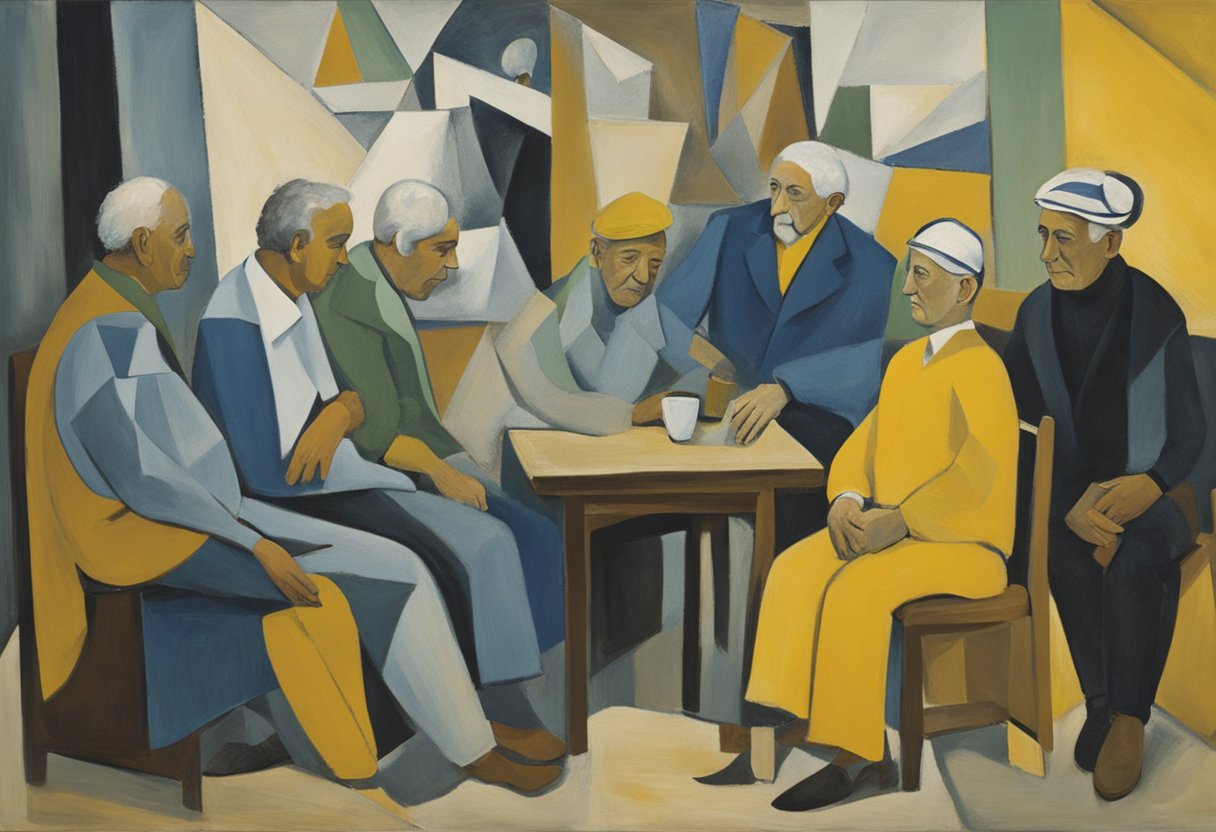
Finding a way to help others while connecting with those who understand our journey can be healing. One way to do this is to participate in support groups or volunteer for cancer-related causes.
Enhancing Connectivity
Building connections makes the journey more bearable. Joining support groups allows us to share experiences and learn coping strategies.
Online forums and social media platforms provide spaces to connect with fellow survivors. Here, we can discuss our feelings and reduce isolation.
Face-to-face meetups offer direct human contact, which strengthens bonds.
Being part of a community helps in dealing with survivor’s guilt. Sharing our stories and listening to others fosters empathy and understanding.
This shared empathy is crucial in our healing journey.
Volunteering and Purpose
Volunteering gives a sense of purpose and helps people cope with guilt. It can involve working at local hospitals or participating in awareness campaigns.
Engaging in disaster mental health care training enables us to offer meaningful support to others facing crises.
It provides tools to address trauma and emotional distress effectively.
Joining programs that support cancer patients connects us with those undergoing treatment. Offering our experiences and support can have a profound impact on their journey.
Volunteering instills a sense of accomplishment and fulfillment, enhancing our emotional well-being.
Life Post-Cancer and Embracing a New Normal
Life after cancer invites us to redefine normalcy, confront challenges, and find renewed meaning. These experiences build our resilience and encourage growth.
Navigating Changes and Growth
Post-cancer life often brings a wave of emotions. The physical and emotional battle scars serve as reminders of our journey.
Adjusting to these changes can be challenging. We might feel survivor guilt, questioning why we made it while others didn’t. This is a typical response for many cancer survivors.
Staying active helps. For some, moderate exercise reduces fatigue and boosts mood.
Seeking professional medical advice can guide us through this transition.
Embracing new habits is vital. We may need to alter our diets or avoid certain activities.
These changes, though challenging, are steps towards a healthier, balanced life. We partner with our doctors to stay informed and on track.
Finding Meaning after Cancer
Coming through cancer often reshapes our perspective on life. This diagnosis is a life-changing event that prompts reflection.
Facing our mortality can foster a deeper appreciation for daily moments.
Engagement with support groups can ease feelings of loneliness. Connecting with others who understand our journey provides comfort and shared strength.
Exploring new passions or revisiting old ones helps. Volunteering, picking up hobbies, or simply spending time with loved ones brings joy.
These activities counteract feelings of isolation and help us reclaim a fulfilling life.
Resilience is built through these experiences. Each step forward, no matter how small, contributes to our healing process.
Acknowledging our progress fosters hope and a sense of purpose.
The Debate
There is a debate surrounding survivor’s guilt, especially among men who have battled cancer. Some believe embracing guilt helps process emotions. Others see guilt as a barrier to healing.
Arguments for Embracing Guilt:
- Acknowledgment: Accepting guilt validates our feelings.
- Growth: We learn to navigate our emotions.
- Connecting: Sharing guilt stories can connect us with others.
Arguments Against Embracing Guilt:
- Healing Block: Guilt can prevent mental recovery.
- Isolation: We may withdraw from social circles.
- Negative Impact: It can lead to depression and anxiety.
Survivor’s guilt can be a double-edged sword. Understanding both sides helps us find balance.
Speaking from personal experience, finding support, and discussing our experiences is beneficial. -T
Tips for Addressing Guilt:
- Active Support Groups: Engage in groups with similar experiences.
- Therapy: Professional help can guide us through complex emotions.
- Physical Activities: Sports can be a positive outlet for mental stress.
Final Thoughts
As men who have survived cancer, we often face feelings of guilt. It’s natural to wonder why we survived when others didn’t.
A good step is to share our stories. Speaking about our experiences can help ease some of the guilt. It also allows others who might feel isolated in their journey.
Exercise can be incredibly therapeutic. Engaging in sports or physical activities helps our bodies heal and clears our minds.
We should connect with others who understand our feelings. Men’s support groups or online forums can provide a safe space to talk about our struggles and gain strength from each other.
Engaging in hobbies or volunteer work can shift our focus from guilt to positive action. Helping others can bring a sense of purpose and fulfillment.
Seeking professional help is okay. Therapists can offer strategies for coping with these heavy emotions, and there’s no shame in asking for help.
Let’s remember that being survivors gives us the strength to help others. Together, we can move forward with resilience and hope.
For more insights, visit Overcoming Survivor Guilt or Managing Your Emotions After Treatment.
Frequently Asked Questions
Addressing feelings of guilt and finding ways to move forward positively.
How can individuals cope with feelings of guilt after surviving cancer?
Coping with survivor’s guilt involves acknowledging our emotions and talking with supportive friends or family. Therapy can provide tools to manage guilt effectively. Engaging in activities that bring joy and purpose helps shift focus from guilt to gratitude.
What strategies are effective in managing survivor’s guilt for male cancer survivors?
Connecting with fellow survivors helps, as shared experiences provide comfort. Volunteering or advocating for cancer awareness can turn guilt into positive action. Exercise boosts mental health, providing a constructive outlet.
Why might a cancer survivor feel anger post-recovery, and how can it be addressed?
Survivors may feel anger due to the trauma and changes brought by cancer. Recognizing that anger is valid and speaking to a therapist can provide coping strategies. Physical activities like sports help release pent-up emotions.
How does survivor’s guilt impact the emotional well-being of male cancer fighters?
Survivor’s guilt can lead to depression and anxiety, affecting daily life. It’s crucial to remind ourselves that feeling this way is normal. Seeking support groups or therapy can mitigate these feelings, fostering emotional health.
What are some ways to connect with others who understand survivor’s guilt from cancer?
Joining support groups in person or online creates a sense of community among survivors. Participating in cancer awareness events can also lead to meaningful connections, providing a network of understanding and support.
How can male cancer survivors rebuild their lives with positivity after experiencing survivor’s guilt?
Focusing on personal goals and hobbies helps rebuild a life with a positive outlook. We can set realistic objectives and celebrate small achievements.
Surrounding ourselves with positive influences and staying physically active contributes to mental well-being.
