

Overcoming Obstacles and Embracing Life After Treatment
Cancer changes everything. As a two-time lymphoma survivor, I know firsthand how this disease can shake your world. But it also pushed me to find new strength and purpose. Cancer motivated me to get in the best physical shape of my life.

After my diagnosis, I turned to cycling, especially mountain biking, to rebuild my body and reconnect with nature.
It wasn’t easy. The journey tested my patience and willpower. But the results have been worth it.
I’ve lost over 55 pounds, and my endurance now surpasses my days as a professional snowboarder.
My experience taught me that men facing cancer need both physical and mental support.
We often struggle to ask for help or express our fears. But finding ways to stay active, set goals, and lean on others can make a big difference.
Whether hitting the bike trails or trying a new sport, movement can be a powerful tool for healing and motivation.
Key Takeaways
- Physical activity can boost recovery and mental well-being during cancer treatment.
- Setting achievable fitness goals helps maintain motivation and track progress.
- Building a support network is crucial for men navigating the cancer journey.
Understanding Cancer

Cancer changes lives. As a two-time lymphoma survivor, I’ve learned the value of knowledge and early action. Let’s explore the types of cancers men face, their signs, and why catching them early matters.
Types of Male Cancers
Men face several cancer types unique to our biology. Prostate cancer tops the list as the most common, affecting 1 in 8 men.
Testicular cancer, while less frequent, often strikes younger males. Colorectal cancer doesn’t discriminate by gender but remains a significant threat.
Blood cancers like leukemia and lymphoma can develop at any age. My battle with lymphoma taught me these cancers are tough but beatable.
Lung cancer, often linked to smoking, claims many lives each year. But even non-smokers can develop it, so awareness is critical for everyone.
Signs and Symptoms
Cancer symptoms vary, but some common red flags exist:
- Unexplained weight loss
- Persistent fatigue
- Unusual lumps or swelling
- Changes in bowel or bladder habits
- Persistent cough or trouble breathing
For prostate cancer, difficulty urinating or frequent nighttime urination can be signs. Testicular cancer may cause painless swelling or lumps.
Blood cancers like lymphoma can cause swollen lymph nodes, night sweats, and fever. My experience taught me to pay attention to these subtle changes.
Importance of Early Diagnosis
Early detection can be a game-changer. Regular check-ups and screenings increase the chances of finding cancer before it spreads.
For prostate cancer, PSA tests and digital rectal exams are vital tools.
Self-exams, especially for testicular cancer, can catch issues early. Like my cycling workouts, I’ve made them part of my routine.
Empowerment through knowledge is crucial. Understanding your body and being proactive about health can lead to better outcomes. My journey with lymphoma showed me the value of acting quickly on concerns.
Don’t hesitate to see a doctor if something feels off. Early diagnosis often means more treatment options and better chances of survival. Trust your instincts and prioritize your health.
The Journey of a Cancer Thriver
My path as a cancer thriver has been filled with challenges, growth, and unexpected triumphs. It’s reshaped my outlook on life and pushed me to new heights of physical and mental strength.
From Diagnosis to Treatment
When I first heard the word “lymphoma,” my world turned upside down. Fear gripped me, but I knew I had to face this head-on.
The diagnosis process was a whirlwind of tests, scans, and consultations. Each day brought new information and decisions to make.
Treatment was tough. Chemotherapy drained my energy and changed my body. I lost my hair and felt weak but refused to give up.
My doctors and nurses became my allies in this fight. They guided me through each step, explaining options and helping me make informed choices.
I found comfort in connecting with other men going through similar experiences. We shared tips on managing side effects and staying positive. These bonds helped me feel less alone in my cancer journey.
Survival and Resilience
Beating cancer once was a victory, but facing it again tested my resolve.
I dug deep, drawing on the strength I’d built during my first battle. This time, I approached treatment with hard-earned wisdom and determination.
Physical activity became my secret weapon. I traded my snowboard for a mountain bike, finding new thrills on dirt trails.
Cycling pushed my limits and reconnected me with nature. It became more than exercise – it was my body and mind therapy.
My fitness journey yielded terrific results. To date, I’ve shed 55 pounds and built endurance that rivals my pro athlete days.
This transformation wasn’t just about looking good – it was about reclaiming control over my health and reducing the risk of recurrence.
Surviving cancer twice has taught me patience and perseverance. I’ve learned to celebrate small victories and find joy in each day. Now, I strive to inspire other men facing cancer, showing them that survival and thriving are possible.
Embracing Hope and Optimism
Hope and optimism fuel the journey of male cancer thrivers. These powerful forces drive us to overcome challenges and find renewed purpose in life.
Building a Positive Outlook
As a two-time lymphoma survivor, I’ve learned that a positive outlook can transform the cancer experience.
I focus on gratitude for each day and the progress I’ve made.
Exercise plays a huge role in my recovery. Mountain biking has become my go-to activity for both physical and mental health.
Setting achievable goals helps maintain motivation.
I started with short rides and gradually increased my distance and intensity. Now, I’m in better shape than before my diagnosis.
Surrounding yourself with supportive people is critical. My cycling buddies encourage and keep me accountable. Their friendship reminds me that I’m not alone in this journey.
Inspirational Stories of Thrivers
Hearing stories from other male cancer thrivers can spark hope and determination.
One fellow survivor I met took up marathon running after his treatment. He now raises funds for cancer research through his race.
Another thriver started a support group for men facing similar diagnoses. His initiative has created a safe space for guys to share their experiences and fears.
These stories remind me that cancer doesn’t define us. It’s an opportunity to discover inner strength and resilience.
Many thrivers find new passions or reignite old ones during recovery.
I’ve seen men start businesses, write books, or become advocates for cancer awareness. These achievements show that life after cancer can be rich and fulfilling.
Support Systems and Communication
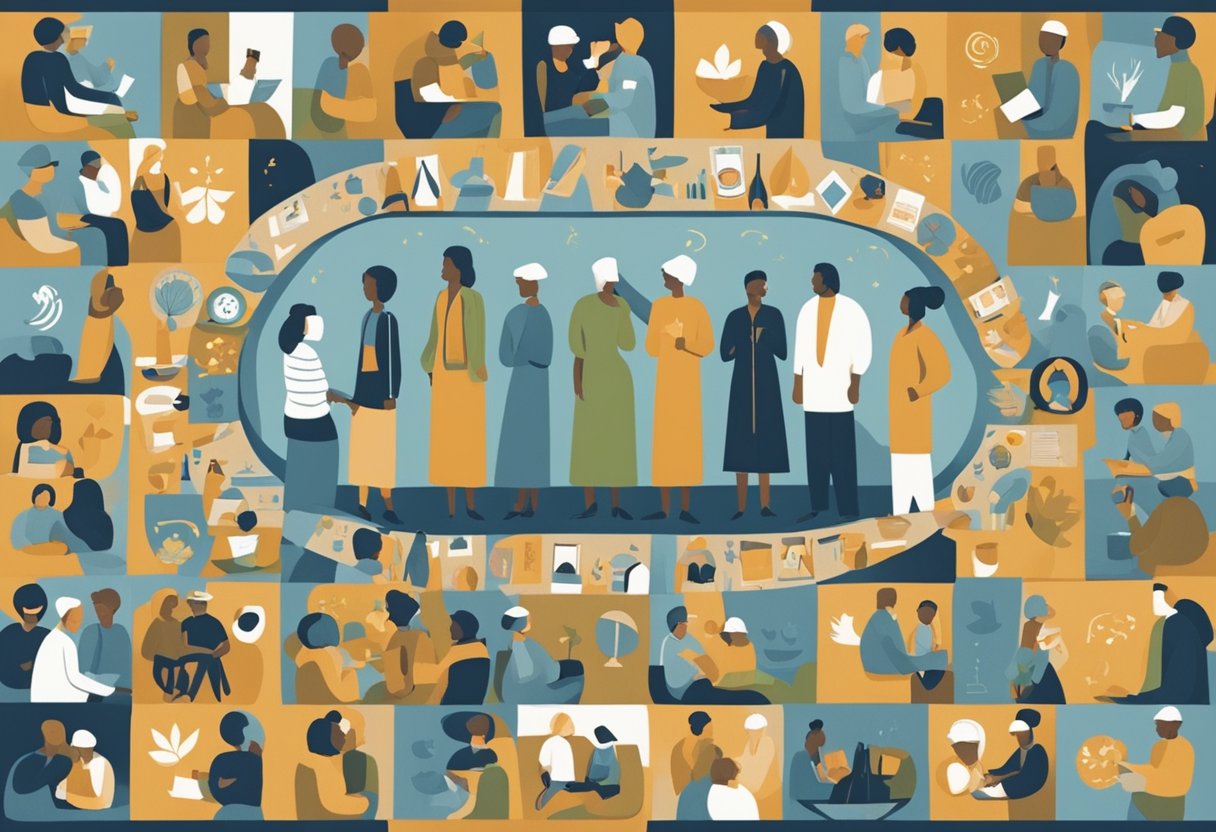
Building strong support networks and open communication channels can make a massive difference for male cancer thrivers. These connections provide strength and encouragement throughout the healing journey.
Family and Friends
My family and friends became my rock during cancer treatment. Their unwavering support gave me the courage to face each day with hope.
We had honest conversations about my fears and needs, which brought us closer.
They joined me for hospital visits, cooked meals, and even learned to mountain bike so we could ride together during recovery.
Creating a support system takes effort, but it’s worth it.
I found sharing my experience with other men going through similar challenges incredibly helpful.
We formed a weekly cycling group that combines physical activity with emotional support.
Professional Support
Professional help played a crucial role in my recovery.
My oncology team provided expert medical care and clear explanations of treatment options.
They connected me with a nutritionist who helped fuel my body for healing and sports performance.
A therapist specializing in cancer patients gave me tools to manage stress and anxiety.
She taught me mindfulness techniques I still use before big bike rides.
Support groups led by healthcare professionals offered a safe space to discuss male-specific concerns like fertility and body image changes.
Treatments and Coping Mechanisms

Cancer treatment can be brutal, but there are ways to make it easier. I’ve learned some tricks that helped me through my lymphoma battles twice. Let me share what worked for me and other men facing cancer.
Chemotherapy and Radiation
Chemo and radiation were rough, but I found ways to cope.
I kept my mind busy during treatments by listening to audiobooks about mountain biking techniques. It gave me something to look forward to post-treatment.
Eating small, frequent meals helped with nausea. Ginger tea was a lifesaver, too.
I made sure to stay hydrated and got plenty of rest.
Exercise was vital, even on tough days.
A short walk or gentle bike ride boosted my energy and mood. To stay motivated, I set small goals each week.
Joining a support group for male cancer patients was helpful.
We shared tips and encouragement. It made me feel less alone in the fight.
Holistic and Supportive Therapies
Complementary therapies enhanced my cancer treatment.
Acupuncture eased chemo side effects like nausea and fatigue. Massage therapy helped with pain and stress.
Meditation and deep breathing exercises calmed my nerves before scans and appointments.
I used a mindfulness app to guide me through quick sessions.
Nutrition played a significant role in my recovery.
I worked with a dietitian to create a meal plan full of cancer-fighting foods. Smoothies packed with berries and leafy greens became my go-to breakfast.
Art therapy let me express feelings I couldn’t put into words. Painting scenes from my favorite bike trails was incredibly therapeutic.
Staying active through gentle exercises like yoga or swimming helped me manage stress and boost my mood.
Even on tough days, moving my body made a difference.
Recovery and Quality of Life
Cancer recovery transforms both body and mind. Embracing life after treatment involves finding new ways to thrive and rediscover joy.
Physical and Emotional Healing
My path to recovery started with small steps.
I began with gentle exercises like walking and stretching. As my strength grew, I challenged myself with more intense workouts. Physical activity is crucial to cancer survivors’ well-being, boosting energy and mood.
Emotionally, I faced ups and downs.
Some days felt dark, but I found comfort in talking with other survivors. Support groups became my lifeline. I learned to be patient with myself and celebrate small victories.
Nutrition became a focus, too.
I filled my plate with colorful vegetables and lean proteins. These choices fueled my body’s healing process.
Maintaining Wellness Post-Cancer
Staying healthy after cancer became my mission.
I dove into mountain biking, rekindling my love for outdoor sports. The rush of wind and nature’s beauty lifted my spirits on tough days.
I set new fitness goals, pushing myself to regain my athletic edge.
My efforts paid off – I lost weight and built endurance beyond my expectations. This drive came from a deep place: never wanting to face cancer again.
Optimism and mastery contribute to better health in cancer survivors.
I embraced this idea, taking charge of my health through regular check-ups and stress management techniques like meditation.
Recovery is not a race. It’s about finding what works for you and never giving up on yourself.
Living with and Beyond Cancer

Cancer changes everything. It pushes us to find new ways to live, grow, and thrive. I’ve learned that adapting and staying positive can make a huge difference.
Adapting to the New Normal
After cancer, life looks different. I had to adjust my routines and expectations.
Some days were tough, but I learned to be patient with myself. I found new hobbies that fit my energy levels. Mountain biking became my go-to activity for exercise and enjoying nature.
I made minor changes to my diet and sleep habits. These tweaks helped boost my energy and mood.
Support groups connected me with other cancer survivors who understood my journey. Their tips and encouragement were priceless.
Work-life balance took on new meaning.
I set boundaries and prioritized self-care. This shift allowed me to focus on healing and rediscovering joy in everyday moments.
Thriving, Not Just Surviving
Cancer taught me to live fully.
I embraced a thriver mindset, pushing beyond mere survival. Each day became a gift, a chance to grow stronger and chase new goals.
I poured myself into fitness, using my past as a pro snowboarder to fuel my comeback.
Cycling became my new passion. It challenged me physically and mentally, helping me shed 15 pounds and build incredible endurance.
My focus shifted to helping other men with cancer.
I share my story to inspire hope and offer practical advice. We discuss:
- Nutrition tips for recovery
- Exercise routines that work with treatment
- Ways to stay mentally strong
- Strategies for managing side effects
This journey has humbled me and shown me the power of resilience and community. Together, we can turn cancer into a catalyst for positive change and personal growth.
Final Thoughts
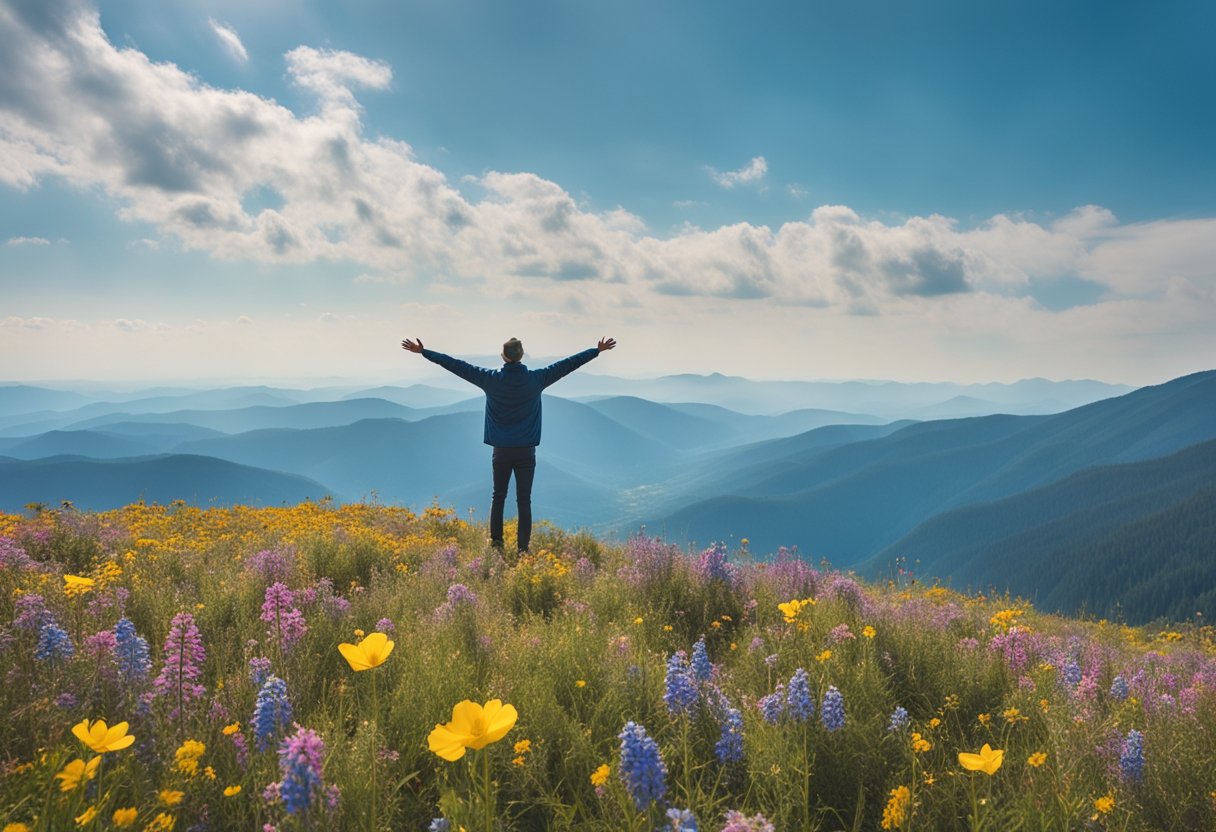
As a two-time lymphoma survivor, I’ve learned that cancer can be a catalyst for positive change. My journey led me to rediscover my passion for sports and fitness. Mountain biking has become my new outlet, helping me reconnect with nature and push my physical limits.
The path to recovery isn’t always smooth. It takes time, patience, and dedication. But the rewards are worth it.
I’ve lost weight, gained endurance, and felt stronger. This transformation didn’t happen overnight, but I’ve seen remarkable progress with consistent effort.
For fellow male cancer thrivers, I encourage you to find your path to wellness.
It might be cycling, swimming, or any activity that brings you joy and challenges you physically. The key is to start small and build gradually.
Remember, every step forward is a victory. Celebrate your progress, no matter how small it may seem. Your body has been through a lot, so be kind to yourself as you rebuild your strength.
Staying active has become my way of taking control of my health.
It’s not just about preventing a recurrence; it’s about living life to the fullest.
So grab your bike, lace up your running shoes, or hit the gym. Your body will thank you, and you might surprise yourself with what you can achieve. -T
Frequently Asked Questions
Cancer thrivers often seek guidance and support during their journey. These questions address common concerns and provide helpful insights for patients and their loved ones.
What supportive phrases can boost someone’s morale when battling cancer?
“You’ve got this” and “I’m here for you” are simple yet powerful words.
As a two-time lymphoma survivor, I found strength in hearing, “Your resilience inspires me.” These phrases remind us we’re not alone in our fight.
How can family members best express encouragement to a loved one fighting cancer?
Offer specific help, such as “I can drive you to appointments” or “Let me cook dinner this week.”
Show up consistently and listen without judgment. Your presence means more than you know.
What are empowering words for male patients overcoming cancer?
“You’re a warrior” resonates with many men.
I embraced, “Cancer picked the wrong guy to mess with.” Phrases that acknowledge strength can boost confidence during tough times.
In what ways can you provide comfort to a cancer patient through words?
Share stories of hope or say, “I’m thinking of you.”
Ask about their day and listen. Sometimes, a quiet “I’m here” speaks volumes when words fail.
What essential support do cancer thrivers find most beneficial during their journey?
Practical help, such as meal prep or house cleaning, eases daily burdens. Emotional support through check-ins and companionship lifts spirits. Encourage physical activity when possible—it played a key role in my recovery.
What can you say to provide hope and strength to a male confronting a cancer diagnosis?
“This is tough, but you’re tougher,” acknowledges the challenge, affirming capability.
Remind them that many thrive after cancer.
Share how facing cancer motivated me to get into the best shape of my life through cycling and mountain biking.
