

Male Cancer Survivor Battles Obsession After Treatment
Cancer changes you. After beating lymphoma twice, I learned that surviving isn’t just about winning the disease. It’s about living well afterward.
For many men, the fear of relapse can turn into an obsession that takes over their lives.

I’ve been there. The constant worry, the need for reassurance, the feeling that every ache could mean the cancer’s back. Men who’ve had cancer may feel a strong need to constantly check for signs of recurrence, which can become all-consuming. This obsession can hurt our relationships and quality of life.
But there’s hope. We can learn to manage these fears and live fully again.
It takes work, but I’ve found ways to quiet those anxious thoughts and focus on what matters. Let me share what’s helped me and other survivors move past the constant need for certainty.
Key Takeaways
- Cancer survivorship often brings fears of recurrence that can become obsessive
- Men may struggle to open up about their emotional needs after cancer
- Support from loved ones and professionals can help survivors regain quality of life
Next Steps
Now that you’re set up with the Neon CLI, you can start managing your Neon resources from the command line. Explore the various commands and integrate Neon into your development workflow.
Remember to check the Neon documentation for detailed information on Neon features and best practices.
The Psychology Behind Obsession Post-Cancer

Cancer recovery can spark intense emotions and behaviors. As a two-time lymphoma survivor, I’ve experienced the mental challenges that come after treatment. Let’s explore the psychological impact and how to navigate these complex feelings.
Understanding the Emotional Aftermath
Cancer leaves a lasting mark on our psyche. I felt anxious about every new ache or pain, wondering if my cancer had returned. This fear can lead to psychological distress that impacts daily life. Depression often creeps in, as we grapple with our mortality and changed bodies.
Many survivors describe feeling:
- Vulnerable
- Uncertain about the future
- Hyper-aware of health changes
- Isolated from others
These emotions can snowball, creating a cycle of worry that’s hard to break. I found myself constantly checking for symptoms, unable to relax or enjoy life fully.
Distinguishing Healthy Concerns from Obsessive Behaviors
It’s expected to be more health-conscious after cancer. But there’s a fine line between vigilance and obsession. I learned to recognize when my concerns became excessive:
Signs of Obsessive Behavior:
- Constant body scanning for symptoms
- Frequent doctor visits without cause
- Inability to focus on anything but health
- Avoiding activities due to fear
To combat these tendencies, I developed coping strategies:
- Set designated “worry time” each day
- Practice mindfulness to stay present
- Engage in physical activities like team sports
Talking to other male cancer survivors helped me gain perspective. We shared tips on managing anxiety without letting it control our lives.
Surviving Cancer: A Comprehensive Look at Life After Diagnosis

Cancer changes everything. As a two-time lymphoma survivor, I’ve learned that life after diagnosis brings new challenges and opportunities for growth.
Navigating the New Normal
After treatment, I faced a different world. My body felt unfamiliar, and my priorities shifted. I focused on rebuilding strength through gentle exercises like walking and swimming. Nutrition became key – I loaded up on fruits, veggies, and lean proteins.
Mental health support was crucial. I joined a men’s cancer support group and started counseling. These spaces allowed me to process my experiences and fears.
I set small, achievable goals each week. This helped me regain confidence and a sense of control. Celebrating these wins, no matter how small, lifted my spirits.
Long-Term Effects on Survivors
Years after treatment, some effects lingered. Fatigue hit me hard some days. I learned to listen to my body and rest when needed. Chemo’s brain made multitasking tricky, so I used lists and reminders to stay organized.
Regular check-ups became part of my routine. I stayed vigilant about my health, reporting any new symptoms promptly. This proactive approach eased my anxiety about recurrence.
I found purpose in volunteering with cancer support organizations. Helping others navigate their journey gave me strength and perspective. It turned my experience into something positive.
Survivorship brought unexpected gifts. I developed more profound relationships and a new appreciation for life’s simple joys. Each day became an opportunity to live fully and make a difference.
Cancer Types and Their Psychosocial Impact
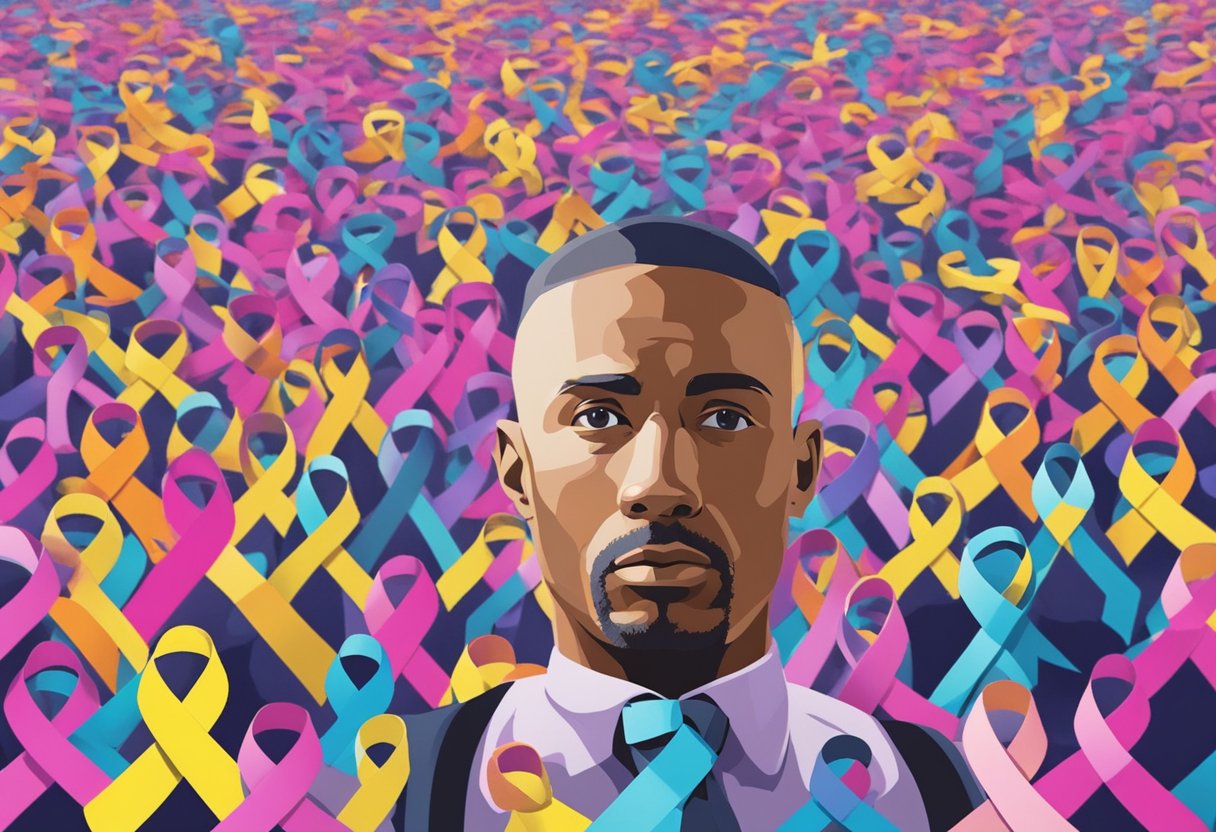
Different cancers bring unique mental and emotional challenges. Each type affects a person’s life in specific ways, shaping their journey and outlook.
Prostate Cancer: A Deep Dive
As a prostate cancer survivor, I know the toll it takes on a man’s sense of self. The diagnosis often comes with fears about masculinity and sexual function. Treatment side effects can be challenging to handle.
Many guys struggle with incontinence or erectile dysfunction after surgery. It’s like learning to live in a new body. Hormone therapy can cause mood swings and weight gain. These changes hit hard.
Support groups helped me cope. Talking with other survivors made me feel less alone. Exercise became my outlet for stress and frustration. It gave me back some control over my body.
The Unique Challenges of Ovarian Cancer Survivors
While I haven’t experienced ovarian cancer firsthand, I’ve met many brave women who have. This cancer often gets diagnosed late, leading to intense treatments and uncertain outcomes.
Survivors face body image issues after surgery. Chemotherapy can trigger early menopause, affecting fertility and hormones. The physical changes can feel overwhelming.
Many women I’ve met found strength in creative outlets like art or writing. Some turned to yoga or meditation to manage anxiety. Building a support network of fellow survivors proved crucial for emotional healing.
Addressing Unmet Needs in Cancer Care
As a two-time lymphoma survivor, I’ve learned that cancer care goes beyond medical treatment. Patients and caregivers face challenges that require comprehensive support. Let’s explore how we can bridge these gaps and improve care quality.
Identifying Critical Gaps in Support
Cancer patients often struggle with unmet needs that impact their recovery. I faced financial strain from medical bills and lost work time. Many men feel isolated, unsure of how to ask for help. Emotional support is crucial but often overlooked.
Practical assistance with daily tasks can make a huge difference. During treatment, I couldn’t mow my lawn or cook meals. Friends who stepped up were lifesavers.
Information gaps leave patients feeling lost. Clear explanations about treatment options and side effects empower us to make informed decisions. A trusted care team that listens makes all the difference.
Integrating Psychological Care into Oncology Practice
Mental health is a vital part of cancer care. I battled anxiety and depression during my journey. Integrating psychological support into oncology creates a more holistic approach.
Screening for mental health issues should be standard practice. My oncologist noticed my mood changes and referred me to a therapist. This early intervention was crucial to my recovery.
Support groups provide a safe space to connect with others who get it. Sharing experiences with fellow survivors helped me feel less alone. It was like having my cheer squad.
Family caregivers need support, too. My wife struggled while caring for me. Offering resources and respite care for caregivers improves their quality of life and patient outcomes.
The Role of Caregivers in Alleviating Burden
Caregivers play a crucial part in easing the load for cancer survivors like me. Their support can improve our quality of life and recovery journey.
Supporting the Supporters
Family caregivers often face immense challenges while looking after loved ones with cancer. I’ve seen firsthand how this role can be physically and emotionally draining. Caregivers need their support system to maintain their well-being.
Some ways to help caregivers include:
- Regular check-ins from friends and family
- Respite care services to give them breaks
- Support groups where they can share experiences
- Training on proper care techniques
By caring for caregivers, we ensure they can better support cancer patients. This creates a positive cycle of care and recovery.
Reducing Caregiver Strain through Community and Resources
Community involvement can significantly lessen caregiver burden. Local organizations often offer valuable resources that many people are unaware of.
Some helpful community resources include:
- Meal delivery services
- Transportation assistance
- Home care aids
- Financial counseling
These services can free up caregivers’ time and energy, allowing them to focus on providing emotional support and companionship.
Online platforms also connect caregivers with others facing similar challenges. Sharing tips and experiences can be incredibly empowering, reminding caregivers they’re not alone in this journey.
Advanced Cancer and End-of-Life Considerations
As a two-time lymphoma survivor, I’ve learned that facing advanced cancer requires courage and support. End-of-life care focuses on comfort and quality of life when curative treatment is no longer an option.
Palliative Care: Objectives and Benefits
Palliative care aims to relieve suffering and improve the quality of life for men with advanced cancer. It addresses physical symptoms like pain, nausea, and fatigue. Emotional and spiritual support are also crucial components.
Comforting care helped me maintain my dignity and feel more in control. It allowed me to focus on meaningful activities and relationships. The team approach includes doctors, nurses, social workers, and chaplains. They work together to meet the patient’s unique needs.
Palliative care can begin at any stage of illness, even alongside curative treatments. It’s not just for end-of-life situations. Many men report better quality of life and mood with early palliative care.
Navigating End-of-Life Decisions
Making end-of-life decisions can feel overwhelming. As difficult as it was, I found peace in planning ahead. Advance directives outline your wishes for medical care if you cannot communicate.
Consider your values and what matters most to you. Do you want to focus on comfort or pursue all possible treatments? Discuss your preferences with loved ones and your healthcare team.
Critical decisions may include:
- Choosing a healthcare proxy
- Deciding on hospice care
- Preferences for life-sustaining treatments
Remember, you can always change your mind. The goal is to ensure your care aligns with your wishes. Don’t hesitate to ask questions and seek support during this process.
Medical Technologies in Cancer Prognosis and Treatment
Thanks to new medical technology, cancer treatment has improved greatly. As a two-time lymphoma survivor, I’ve seen firsthand how these tools can make a big difference.
PET Scans and Their Importance in Treatment Planning
PET scans changed the game for my cancer care. These scans use a special dye that lights up cancer cells, showing doctors exactly where tumors are hiding. For us guys dealing with cancer, this means more precise treatment plans.
My first PET scan felt like suiting up for a big game. The machine circled, mapping out my body’s playbook. It showed my care team where to focus their efforts, like a coach drawing up the perfect strategy.
PET scans also help track how well treatment is working. After chemo rounds, I’d get rescanned to see if we were winning the fight. This tech lets doctors adjust the game plan, giving us the best shot at beating cancer.
Emerging Trends in Cancer Detection and Care
New cancer tech keeps popping up, giving us more ways to tackle the disease. One cool trend is liquid biopsies, which can find cancer cells floating in the blood. It’s like having a scout watching for the enemy before they can strike.
AI also joins the team, helping docs spot cancer faster in scans and lab results. This means earlier detection and quicker treatment, boosting our odds of victory.
Personalized medicine is another game-changer. Doctors can now examine a cancer’s genetic makeup and select treatments that target its weaknesses. It’s like having a custom playbook for each patient’s unique cancer type.
These advances give us more tools in our cancer-fighting toolkit. As survivors, we can feel hopeful about the future of cancer care and the new ways to keep us in the game of life. -T
Frequently Asked Questions
Cancer survival brings unique challenges. These questions address common concerns for survivors and their loved ones.
How can a cancer survivor cope with the psychological changes post-recovery?
I found talking to a therapist helped me process my emotions. Joining a support group connected me with others who understood my journey. Exercise and meditation became crucial parts of my routine, helping me manage stress and anxiety.
What behaviors indicate that a Cancer man might be obsessed?
Cancer men can become overly clingy or possessive. They might constantly check in or demand attention. Some may try to control their partner’s actions or become jealous quickly. These behaviors often stem from fear of loss after facing a life-threatening illness.
What are common signs that a Cancer woman is no longer interested in a relationship?
Cancer women may become distant or withdraw emotionally. They might avoid physical contact or stop sharing their thoughts and feelings. A lack of effort in maintaining the relationship or making plans together can also signal disinterest.
What potential psychological issues might a cancer survivor face?
Fear of recurrence kept me up at night for months. Depression and anxiety are common among survivors. Some of us struggle with survivor’s guilt or PTSD. Body image issues and self-esteem problems can arise from physical changes caused by treatment.
What can friends and family do to support a cancer patient’s needs?
Offer practical help, such as meals, rides to appointments, or childcare. Listen without judgment and respect their feelings. Be patient as they navigate recovery. Stay in touch and include them in activities when they feel up to it.
How does the personality of a Cancer survivor change after battling the disease?
My outlook on life shifted dramatically. I became more grateful for small joys and less worried about trivial matters.
Some survivors develop a stronger sense of purpose or become more assertive in pursuing their goals. Others may struggle with feeling vulnerable or experience mood swings.
