

A Cancer Thriver’s Guide to Holistic Recovery
Cancer changes lives. The game plan must include physical and mental strength for men facing this formidable opponent.
Psychosocial care offers vital support to help guys tackle the emotional side of their fight.

Men who beat cancer need a team that understands their unique challenges and can coach them through recovery. Just like training for a big game, it takes practice to build mental toughness after cancer treatment.
Talking about feelings might seem like a new sport, but it’s crucial to getting back on top form.
Advances in psycho-oncology are giving male cancer survivors new playbooks for dealing with stress, fear, and life changes.
These tools help men get back into the game of life with renewed purpose and confidence. With the right support, guys can move from surviving to thriving after cancer.
Key Takeaways
- Psychosocial care helps men tackle the mental game of cancer recovery
- Advances in psycho-oncology offer new strategies for male cancer survivors
- Support teams play a crucial role in helping men thrive after beating cancer
Understanding Psychosocial Oncology
Psychosocial oncology addresses the emotional and mental challenges faced by cancer patients. It aims to enhance the quality of life and support patients through their treatment journey.
The Role of Psychosocial Care in Oncology
Psychosocial care plays a crucial role in cancer treatment. It helps patients cope with the stress of diagnosis and manage debilitating symptoms.
This care includes counseling, support groups, and stress management techniques.
Men with cancer often benefit from tailored psychosocial interventions. These can include:
• One-on-one therapy sessions
• Group support meetings
• Mindfulness practices
• Physical activities like team sports
These approaches help men build resilience and maintain a positive outlook. They also provide tools to navigate relationships and work challenges during treatment.
Challenges in Psychosocial Oncology
Despite its value, psychosocial oncology faces hurdles. Many cancer patients’ psychosocial needs go unrecognized by clinical teams. This leads to unmet needs and potential psychosocial morbidity.
Access to care remains a challenge. Some reasons include:
• Limited availability of trained professionals
• Lack of awareness among patients
• Stigma around seeking mental health support
For male cancer survivors, these barriers can be amplified. Cultural norms may discourage men from seeking emotional support. Creating men-centered psychosocial oncology supports that resonate with their experiences and preferences is vital.
The Psychological Impact of Cancer on Men

Cancer affects men’s mental health in profound ways. It brings challenges that test emotional strength and resilience. Proper support can help men navigate these difficulties.
Coping with a Cancer Diagnosis
A cancer diagnosis often hits men hard. Many feel shock, fear, and anger. Some struggle with their sense of identity and masculinity. Physical changes from treatment can affect self-image and confidence.
Men may try to stay strong for loved ones. This can lead to bottling up emotions.
Talking to other survivors helps. Support groups provide a safe space to share feelings.
Exercise can boost mood and energy. Even light activity like walking helps. Setting small goals gives a sense of control. Focusing on nutrition and sleep supports overall well-being.
Addressing Mental Health Needs
Depression and anxiety are common in male cancer patients. Signs include sleep problems, irritability, and loss of interest in activities. Some men turn to alcohol or isolate themselves to cope.
Therapy offers tools to manage stress and difficult emotions. Cognitive behavioral therapy helps change negative thought patterns. Meanwhile, mindfulness techniques can reduce anxiety.
Medication may help in some cases. Antidepressants can lift mood and ease anxiety.
Working with a mental health professional ensures proper treatment.
Loved ones play a key role in support. It is vital to encourage men to open up about their feelings. Small gestures like watching a game together or going for a walk can make a big difference.
Assessing Psychosocial Needs in Male Cancer Survivors
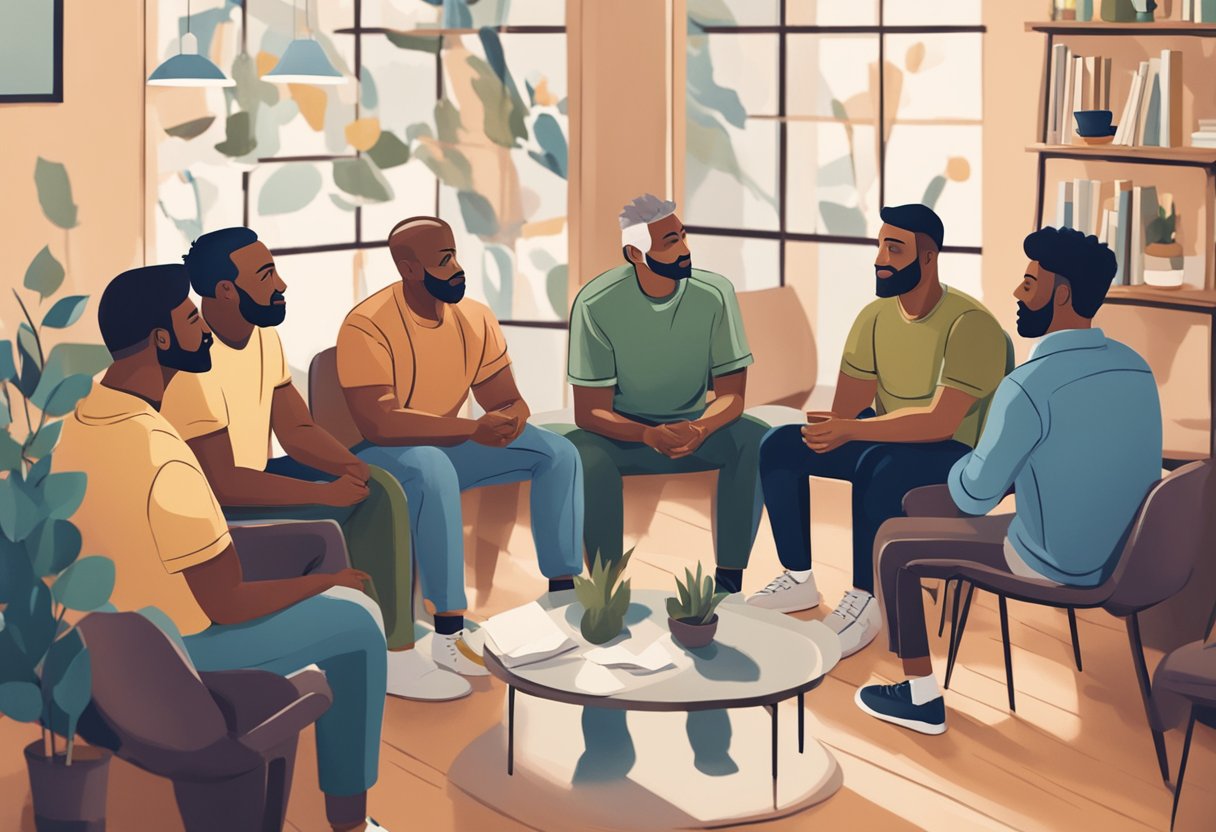
Cancer survivors face unique challenges that affect their quality of life. Men who have overcome cancer often struggle with emotional and social issues that require targeted support.
Methods of Psychosocial Assessment
Screening tools play a crucial role in evaluating the mental and social well-being of male cancer survivors. Questionnaires like the Supportive Care Needs Survey help identify areas where men need assistance.
Interviews conducted by trained professionals can uncover deeper concerns that standardized forms might miss.
Psychologists use cognitive assessments to gauge how cancer has affected a man’s thinking and memory. These tests can reveal issues with concentration or decision-making that may impact daily life. Physical exams and psychological evaluations provide a complete picture of a survivor’s health.
Identifying Unmet Psychosocial Needs
Male cancer survivors often have unmet needs that can be addressed through targeted interventions. Common issues include:
- Fear of cancer recurrence
- Body image concerns
- Relationship and intimacy problems
- Career and financial worries
Support groups tailored for men can create a safe space to discuss these challenges. One-on-one counseling sessions allow for personalized strategies to cope with lingering anxieties.
Survivorship care plans should include regular check-ins to assess evolving psychosocial needs. As men transition back to their pre-cancer lives, new issues may arise that require fresh approaches to support.
Integration of Systematic Review Findings

Research shows effective psychosocial care can significantly improve the lives of men facing cancer. Tailored interventions and best practices offer hope and support throughout the cancer journey.
Evidence-Based Psychosocial Interventions
Randomized controlled trials have demonstrated the value of various psychosocial interventions for men with cancer.
Cognitive-behavioral therapy helps manage anxiety and depression. Meanwhile, mindfulness practices reduce stress and improve quality of life.
Support groups provide a team atmosphere where men can share experiences and coping strategies. One-on-one counseling offers personalized guidance for navigating treatment decisions and relationship challenges.
Exercise programs boost physical and mental well-being. Art therapy and music therapy serve as outlets for emotional expression. These evidence-based approaches empower men to take an active role in their care.
Best Practices in Psychosocial Care
Effective psychosocial care for male cancer patients requires a multifaceted approach. Early screening for distress helps identify those who need extra support.
Culturally sensitive care respects diverse backgrounds and beliefs.
Involving partners and family members strengthens the support network. Clear communication between patients and healthcare teams builds trust and reduces anxiety.
Addressing sexual health concerns is crucial for maintaining intimacy and self-esteem. Providing resources for practical issues like financial planning and return-to-work guidance eases the burden on patients.
Ongoing follow-up care helps men navigate survivorship challenges. Peer mentoring programs connect newly diagnosed patients with cancer survivors who’ve been through similar experiences.
Improving Quality of Life Through Psychosocial Interventions
Psychosocial interventions offer powerful tools for cancer survivors to enhance their well-being and regain control over their lives. These approaches address emotional needs and provide practical coping strategies, helping men navigate the challenges of cancer recovery.
Enhancing Emotional Well-Being
Psychosocial care for advanced cancer encompasses interventions that support patients in managing symptoms and making life-changing decisions. For male cancer survivors, emotional well-being forms a cornerstone of recovery.
Counseling sessions can help men process complex feelings and rebuild self-esteem.
Group therapy allows men to connect with others who truly understand their journey. Sharing experiences in a supportive environment can reduce feelings of isolation and foster resilience.
Mindfulness techniques, such as meditation and deep breathing exercises, equip survivors with tools to manage stress and anxiety. These practices can be especially beneficial during follow-up appointments or when dealing with fear of recurrence.
Non-Pharmacological Support Strategies
Quality of life improvements can be achieved through various non-drug approaches.
Physical activity is crucial in rehabilitation, boosting energy levels and mood. Tailored exercise programs help men regain strength and confidence in their bodies.
Nutrition counseling empowers survivors to make informed dietary choices, supporting overall health and potentially reducing the risk of cancer recurrence. Learning to prepare nourishing meals can also provide a sense of control and accomplishment.
Creative therapies, such as art or music, offer alternative ways to express emotions and process the cancer experience. These activities can be constructive for men who struggle with verbal expression of feelings.
Relaxation techniques, including progressive muscle relaxation and guided imagery, provide useful tools for managing pain and discomfort without relying solely on medication.
Support Systems and Caregiver Roles
Cancer survivors rely on a network of support and dedicated caregivers. These relationships provide crucial emotional and practical assistance throughout the treatment journey and beyond.
Involvement of Family in Cancer Care
Family members play a vital role in a cancer survivor’s care team. Spouses, children, and siblings often provide hands-on support during treatment and recovery.
They may attend doctor’s appointments, manage medications, or help with daily tasks.
Extended family can offer additional layers of assistance. Grandparents might watch the kids, while cousins organize meal trains. This collective effort creates a safety net for the survivor.
Men facing cancer sometimes struggle to accept help. Encouraging open communication within the family can foster a sense of teamwork. It allows the survivor to feel supported without losing his sense of independence.
Empowering Caregivers in the Psychosocial Aspects
Caregivers need tools and resources to provide practical psychosocial support.
Education about cancer’s emotional impact equips them to recognize signs of distress in their loved ones.
Support groups for caregivers offer a space to share experiences and coping strategies. These gatherings can prevent burnout and isolation. Online forums provide 24/7 access to peer support, fitting into busy schedules.
Healthcare teams can empower caregivers by involving them in care discussions. Teaching stress-reduction techniques benefits both the caregiver and the survivor. Encouraging self-care activities like exercise or hobbies helps caregivers maintain their well-being.
Strategies for Health Communication and Decision-Making
Effective health communication and informed decision-making can significantly impact a male cancer survivor’s journey. These skills empower patients to take control of their treatment and recovery process.
Fostering Effective Provider-Patient Interactions
Cancer survivors benefit from open, honest conversations with their healthcare team. Men can prepare for appointments by writing down questions and concerns beforehand.
Active listening during consultations helps patients absorb crucial information. Bringing a trusted friend or family member to appointments can provide support and help you remember details.
Communication skills training for both patients and providers enhances these interactions. Patients learn to express their needs clearly, while healthcare professionals develop techniques to explain complex medical information in understandable terms.
Navigating Treatment Options and Outcomes
Male cancer survivors face numerous treatment decisions throughout their journey. Gathering reliable information from credible sources helps men make informed choices.
Patients can ask their oncology team about the pros and cons of each option, including potential side effects and long-term outcomes.
Decision-making aids, such as question prompt lists or educational videos, can guide patients through this process. These tools help clarify personal values and preferences, enabling survivors to align treatment choices with their goals and lifestyles.
Seeking second opinions can provide additional perspectives and treatment alternatives. Men should feel empowered to advocate for themselves and explore all available options before making decisions about their care. -T
Frequently Asked Questions
Psychosocial care plays a crucial role in supporting cancer patients through their journey. Men facing cancer often have unique needs and challenges that require tailored approaches.
What psychological support strategies are effective for cancer patients?
Cognitive-behavioral therapy has shown positive results for cancer patients. This approach helps men reframe negative thoughts and develop coping skills.
Meanwhile, mindfulness techniques can also reduce stress and anxiety.
Group therapy allows men to connect with others facing similar challenges. Sharing experiences in a safe space can foster community and reduce isolation.
How can psychosocial care enhance the quality of life for cancer survivors?
Psychosocial care helps survivors regain a sense of control over their lives. It addresses emotional and practical concerns that may arise after treatment.
Support programs focused on lifestyle changes can improve physical and mental well-being. These may include nutrition guidance, exercise plans, and stress management techniques.
What are the crucial psychosocial needs of individuals battling cancer?
Emotional support tops the list of psychosocial needs for cancer patients. Men often struggle with expressing vulnerability and may need encouragement to open up.
Practical assistance with daily tasks and financial concerns can alleviate stress. Information about treatment options and side effects empowers patients to make informed decisions.
Which evidence-based psychosocial interventions are recommended for advanced cancer patients?
Meaning-centered psychotherapy has shown promise for advanced cancer patients. This approach helps individuals find purpose and meaning in their lives.
Dignity therapy allows patients to reflect on their life experiences and legacy. It can provide comfort and a sense of closure during difficult times.
What role do nurses play in delivering psychosocial interventions to cancer patients?
Nurses serve as front-line providers of psychosocial support. They often have frequent contact with patients and can identify emotional distress early.
Oncology nurses can offer brief counseling sessions and refer patients to specialized mental health professionals when needed. Their compassionate care can significantly improve a patient’s experience.
How can cancer patients maintain a thriving mindset throughout treatment?
Setting achievable goals, such as small daily objectives or longer-term aspirations, helps maintain a sense of progress and purpose.
Engaging in enjoyable activities, even during treatment, can boost mood and energy. Staying connected with loved ones and maintaining social relationships provides emotional support.
