

Cancer Survivor Shares Journey of Healing and Resilience
As a two-time lymphoma survivor, I know the mental battle that comes with cancer. My mind was a maze of worries, fears, and doubts.
Cancer can break your thoughts, leaving you feeling lost and alone. But there’s hope.
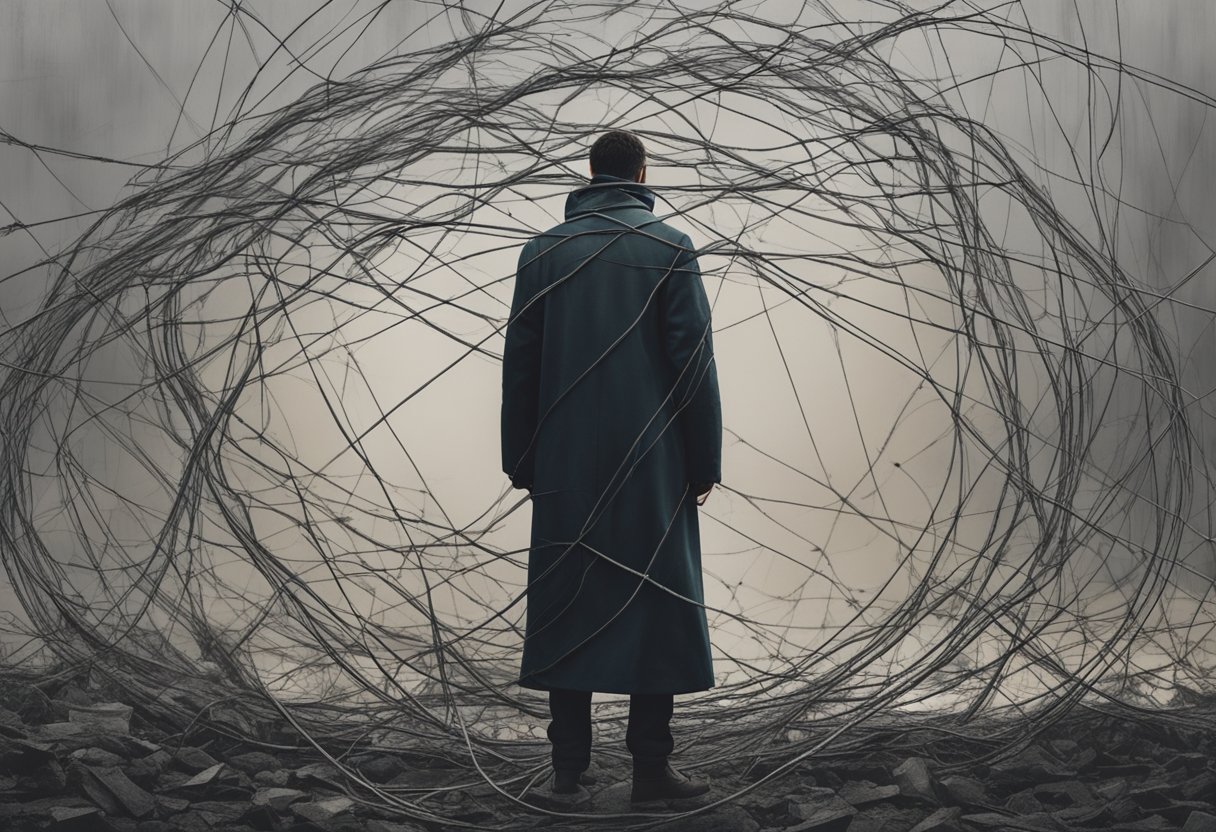
I found ways to piece my mind back together. Talking to other survivors helped me see I wasn’t the only one struggling.
Exercise became my refuge, clearing my head and boosting my mood. Even small activities like taking walks or shooting hoops made a big difference.
Focusing on the present moment helped quiet the noise in my head. I learned to appreciate little joys, like a sunny day or a good meal.
It wasn’t always easy, but I rebuilt my mental strength over time. Now, I want to help other men do the same.
Key Takeaways
- Cancer survivors may face mental health challenges like depression and anxiety.
- Physical activity and mindfulness can help manage emotions after cancer treatment.
- Connecting with other survivors provides valuable support and understanding.
Understanding Cancer

Cancer affects many men, changing lives in ways we can’t always predict. Learning about cancer types and how doctors find them helps us face the challenge head-on.
Types of Male Cancers
Prostate cancer tops the list of male-specific cancers. It’s like a sneaky opponent, often showing no signs until it’s advanced.
Testicular cancer, while less common, tends to strike younger men. I’ve seen how blood cancers like leukemia and lymphoma can throw a curveball at any age.
Lung cancer doesn’t discriminate – it hits both smokers and non-smokers. Colorectal cancer is another heavy hitter for men. We can’t forget about skin cancer either – it’s the most common cancer overall.
The Diagnosis Process
Getting a cancer diagnosis feels like being blindsided in a big game. It starts with noticing something’s off – a lump, pain, or just feeling run down.
- Physical exams
- Blood tests
- Imaging scans (X-rays, CT, MRI)
- Biopsies
The American Cancer Society recommends regular screenings for early detection.
Catching cancer early is like intercepting a pass – it can change the whole game. Remember, a diagnosis isn’t the end; it’s the start of your comeback story.
The Emotional Journey

Cancer brings a rollercoaster of feelings. I’ve faced fear, anxiety, hope, and love during my battles with lymphoma. These emotions shape our recovery and outlook on life.
Confronting the Reality
When I heard “cancer” for the first time, my world stopped. Fear gripped me tight.
Questions raced through my mind: Would I survive? How would this affect my family? My career?
Anxiety became my constant companion. Every scan and every blood test felt like a life-or-death moment.
I struggled with my changing body image. Hair loss and weight changes challenged my self-esteem.
But amid the darkness, hope flickered.
I found strength in setting small, achievable goals. Completing each chemo session felt like scoring a touchdown, so I celebrated these victories, no matter how small.
Finding Support and Strength
Family and friends’ love became my lifeline. Their unwavering support gave me the courage to face each day.
I opened up about my struggles, which helped ease the burden.
I joined a support group for male cancer survivors. Sharing experiences with others who truly understood was invaluable.
We talked about everything from treatment side effects to relationship challenges.
Exercise became my secret weapon. A short walk or gentle yoga boosted my mood even on tough days, giving me a sense of control over my body again.
I learned to be kind to myself.
Some days were more complicated than others, and that was okay. I focused on progress, not perfection. This mindset helped me tackle the mental fog of “chemo brain” with patience.
Medical Treatment and Care
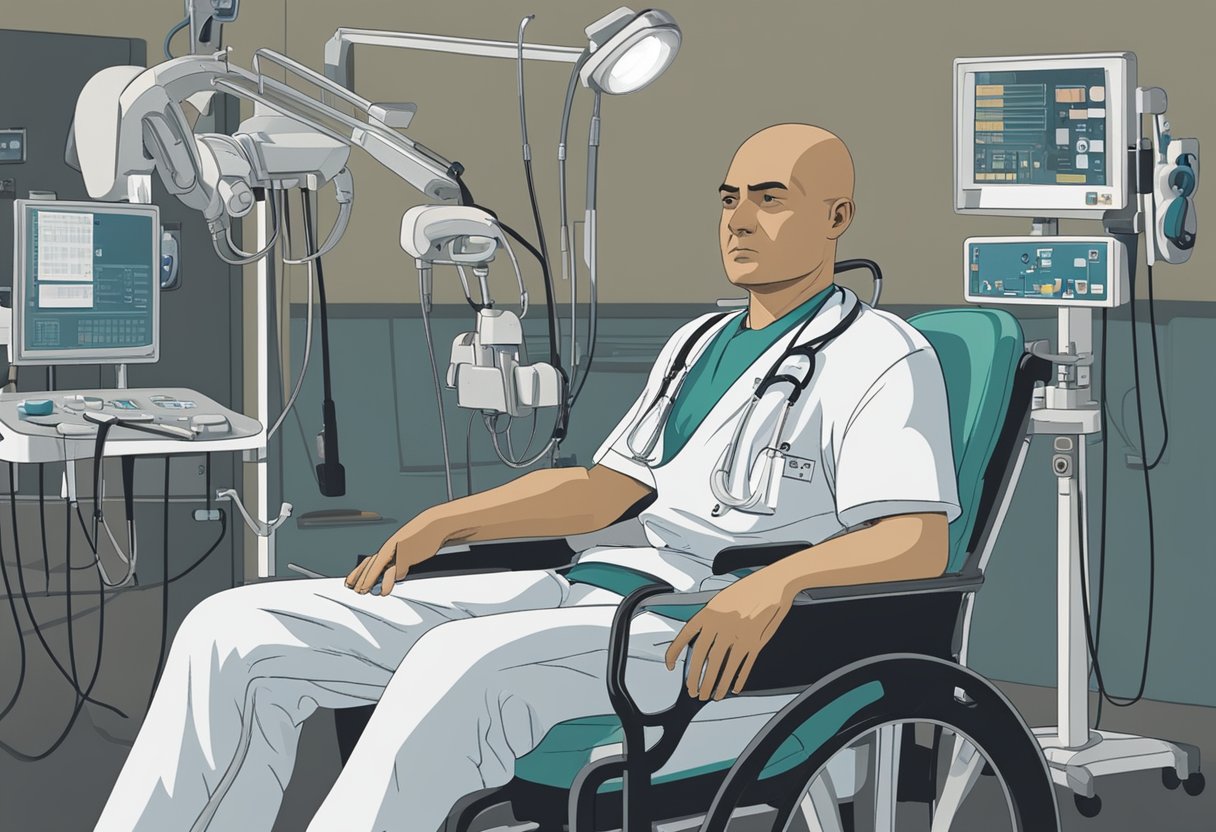
Cancer treatment involves complex decisions and dedicated support. The journey through medical care can be challenging, but it becomes more manageable with the right approach and people by your side.
Navigating Treatment Options
As a two-time lymphoma survivor, I’ve learned that understanding your treatment options is fundamental.
Chemotherapy, radiation, and immunotherapy are common choices. I opted for a combination of chemo and radiation both times.
It’s crucial to discuss potential side effects with your oncologist.
Ask questions about how treatments might affect your daily life and work.
Don’t hesitate to seek second opinions. During my first battle, I consulted three doctors before making a decision. This helped me feel confident in my treatment plan.
Keep a journal of your symptoms and side effects. This information will be valuable for your medical team.
Remember, every man’s cancer journey is unique. What worked for me might not be the best for you.
The Role of Caregivers
Caregivers are the unsung heroes in a cancer patient’s life.
My wife was my rock through both rounds of treatment. She attended appointments, managed medications, and provided emotional support.
Caregivers need support, too. Please encourage them to take breaks and seek help when needed.
During my recovery, we joined a support group for patients and caregivers. This allowed us to connect with others who understood our struggles.
Clear communication with your caregiver is vital. Share your needs and listen to theirs.
Together, you can tackle the challenges of treatment and recovery.
Remember, accepting help isn’t a sign of weakness—it’s a smart move in your fight against cancer.
The Power of Mindset
Our mindset shapes our cancer journey. It influences how we handle challenges and find strength. A positive outlook and mindfulness can be game-changers in healing and recovery.
Pick up a copy of Carol Dweck’s book Mindset here.
Cultivating a Positive Outlook
As a two-time lymphoma survivor, I’ve learned the value of a positive mindset.
It’s like training for a marathon – it takes practice and dedication.
I focus on small wins daily, celebrate progress, and surround myself with uplifting people.
Positive self-talk is crucial. I replace negative thoughts with encouraging ones.
Instead of “I can’t do this,” I say, “I’m getting stronger every day.” This shift boosts my mood and energy.
I also set achievable goals.
Whether walking an extra block or trying a new healthy recipe, these small victories build confidence. They remind me of my resilience and ability to overcome obstacles.
Mindfulness and Healing
Mindfulness has been a powerful tool in my recovery.
It’s like strength training for the mind. Regular practice taught me to stay present and manage stress better.
I start each day with a short meditation.
This helps me center myself and face the day with calm.
When anxiety creeps in, I use deep breathing exercises to refocus.
Mindfulness also helps me listen to my body.
I’m more aware of how I feel physically and emotionally.
This awareness guides my self-care routines and helps me communicate better with my healthcare team.
I’ve found mindfulness can improve quality of life and help manage cancer-related symptoms. It’s been crucial in healing my mind and body.
Life After Cancer

The journey beyond cancer treatment brings new challenges and opportunities. Adapting to change and finding fresh purpose are vital parts of a survivor’s path.
Embracing Change
As a two-time lymphoma survivor, I’ve learned that life after cancer is a constant evolution.
My body felt different, and my mind worked in new ways. I had to redefine my “normal” and accept that some changes were permanent.
Physical healing took time. To rebuild strength, I started with gentle exercises like swimming and yoga. Nutrition became a focus, too. I filled my plate with colorful fruits and veggies to fuel my recovery.
Emotional healing was just as vital.
I joined a men’s cancer support group where we shared our struggles openly. It helped me process my feelings and realize I wasn’t alone in this fight.
Finding New Purpose
Cancer shifted my priorities and opened my eyes to what truly matters. I found new meaning by gaining a new appreciation for time.
I also rediscovered my love for sports. Training for mountain biking provided me with a specific goal to work toward and helped me rebuild confidence in my body.
Each milestone – from my first run to the finish line – felt like a victory over cancer.
Work took on new significance, too. I switched careers to become a patient advocate, using my experience to help others navigate their cancer journeys. This role gives me purpose and allows me to turn my struggle into something positive for others.
Inspirational Narratives
Cancer survivors face tough battles. Our stories and words can lift spirits and inspire hope. They remind us of our strength and resilience.
Stories of Hope and Courage
As a two-time lymphoma survivor, I’ve seen the power of shared experiences. Men battling cancer often feel alone, but hearing about others’ journeys can change that.
I remember meeting Tom, a fellow survivor, at a support group. His story of beating stage 4 lung cancer gave me hope when I needed it most.
Another story that stuck with me was Mike’s. He used his cancer experience to start a charity for young adult survivors. His work has helped countless men find purpose after treatment.
These narratives show us that life after cancer can be fulfilling. They prove that we can not only survive but thrive.
Quotes to Inspire Resilience
Words have power. The correct quote can give us strength on tough days. Here are some that helped me through my cancer journey:
- “Cancer is a word, not a sentence.” – John Diamond
- “You beat cancer by how you live.” – Stuart Scott
I often turned to sports legends for motivation. Lance Armstrong’s words resonated: “Pain is temporary. Quitting lasts forever.” It reminded me to keep fighting, even when treatment felt overwhelming.
A quote from my oncologist became my mantra: “Your body is strong. Your mind is stronger.” It pushed me to stay positive during difficult times.
These quotes can be anchors during the storm of cancer. They remind us of our inner strength and the power of perseverance.
Building a Supportive Community
A strong support network can make a world of difference for male cancer survivors. Connecting with others who understand your journey and joining cancer support groups can provide invaluable encouragement and resources.
Connecting with Others
As a two-time lymphoma survivor, I’ve learned the value of reaching out to fellow survivors. Sharing experiences with others who’ve faced similar challenges can be incredibly healing.
I found comfort in talking to men who understood our unique struggles.
Here are some ways to connect:
- Join online forums for male cancer survivors
- Attend local meetups or events for cancer patients and survivors
- Reach out to friends or family members who’ve battled cancer
- Volunteer at cancer-related organizations
These connections can help combat feelings of isolation and provide a sense of belonging. Remember, you’re not alone in this fight.
Role of Cancer Support Groups
Cancer support groups played a crucial role in my recovery. They offer a safe space to express fears, frustrations, and triumphs with others who truly get it.
Many groups focus on men’s issues, which can be particularly helpful.
Benefits of joining a support group:
- Shared coping strategies
- Emotional support
- Practical advice for managing side effects
- Information about new treatments or clinical trials
The American Cancer Society offers resources to find support groups in your area. You can also ask your healthcare team for recommendations.
Participating in these groups can boost your mood, reduce anxiety, and help you feel more in control of your situation. It’s a team effort, and together, we’re stronger.
The Debate

As a two-time lymphoma survivor, I’ve witnessed firsthand the debate surrounding cancer patient labels. Some folks prefer “warrior” or “fighter,” while others avoid battle metaphors. It’s a personal choice.
I lean towards “survivor” because it feels empowering without constant pressure to fight. But I respect each man’s decision on how to identify his cancer journey.
The debate extends to treatment approaches, too. Traditional vs. alternative methods spark heated discussions. I found a mix that worked best for me, but every case is unique.
Mental health support is another hot topic. Some argue it’s crucial, while others focus solely on physical recovery. In my experience, addressing both was key to healing.
There’s also debate about how to live post-treatment. Should we make drastic lifestyle changes or try to resume normalcy? I found balance through minor, meaningful adjustments.
Sports played a significant role in my recovery. Some doctors advised against intense exercise, but gentle training boosted my spirits and strength.
Ultimately, these debates highlight the complexity of the cancer experience. There’s no one-size-fits-all approach. Each man must navigate his path, drawing support from various coping techniques that resonate with him. -T
Final Thoughts
As a two-time lymphoma survivor, I’ve learned that healing goes beyond the physical. Our minds need care, too. Dealing with cancer can leave us feeling broken, but we can rebuild.
I found strength in connecting with other men who’ve faced similar battles. Sharing our stories and struggles creates a powerful bond. It’s okay to admit when we’re struggling – that’s not weakness, it’s courage.
Exercise became my secret weapon against those broken thoughts. Whether it’s hitting the gym, shooting hoops, or running, physical activity boosts both body and mind.
Mindfulness and meditation helped me quiet the mental noise. These practices can give us a sense of control when everything else feels chaotic.
I encourage my fellow survivors to seek professional help if needed. Therapy provided me with tools to navigate the emotional ups and downs of survivorship.
Remember, healing isn’t linear. Some days will be more challenging than others. Be patient with yourself and celebrate small victories.
To my brothers in this fight: you’re not alone. We’re a team that can turn those broken thoughts into a foundation for a stronger future. Let’s tackle this challenge head-on, just like we did on the field or court. We’ve got this.
Frequently Asked Questions
Cancer survivors face many emotional and mental challenges after treatment. These questions address common issues and offer practical advice for coping and finding support.
What are common emotional challenges faced by male cancer survivors?
As a two-time lymphoma survivor, I’ve experienced anxiety, depression, and feelings of isolation. Many men struggle with changes in body image and self-esteem. Fear of recurrence can be overwhelming. Relationships may also become strained as we adjust to life post-cancer.
How can cancer survivors manage long-term psychological effects post-treatment?
I’ve found cognitive behavioral therapy helpful for challenging negative thoughts. Regular exercise boosts my mood and energy. Joining a support group connected me with others who understand. Mindfulness meditation reduces my stress and improves my focus.
What are some inspiring quotes that encapsulate the journey of a cancer survivor?
“Cancer may have started the fight, but I’ll finish it.”
“Scars are tattoos with better stories.”
“I am not what happened to me; I am what I choose to become.”
Which mental health resources are recommended for cancer survivors looking for support?
I’ve benefited from counseling services at cancer centers. Online forums like Cancer Survivors Network offer 24/7 peer support. The American Cancer Society provides free resources and referrals to local support groups.
Can you provide short, positive messages to uplift someone who has survived cancer?
You’ve shown incredible strength. Your journey inspires others.
Every day is a gift – make it count.
You’re not just a survivor. You’re a thriver.
How might cancer survivors cope with everyday struggles after their treatment?
I set small, achievable goals each day to build confidence.
Staying active through sports helps me feel strong and capable.
I practice self-compassion when I have bad days.
Talking openly with loved ones about my needs has improved my relationships.
