

Embracing the Journey of Cancer Thrivers

Cycling offers us a unique path to reclaim our health and spirit after a cancer diagnosis. As we pedal through our recovery, we embrace the synergy between movement and healing, discovering renewed vitality with every turn of the wheels.
For those of us who have faced lymphoma (or cancer), we know the journey to remission is both arduous and enlightening; it’s a process that forges resilience and a deeper appreciation for our bodies’ capabilities. Integrating cycling into our daily routines bolsters our physical stamina and nurtures our mental well-being.
Cycling goes beyond mere exercise; it becomes a therapy that can significantly improve our quality of life. Mounting evidence suggests that this low-impact activity aids in managing the side effects of cancer treatments and can contribute positively to long-term survival rates.
As a community of survivors, we collectively understand the importance of safety and adaptability in our workout regimens. We seek to create supportive networks that empower each man among us to maintain an active lifestyle that respects the boundaries set by his body and medical team.
Key Takeaways
- Cycling enhances physical and mental recovery for cancer survivors.
- Safety and personal adjustment are critical when integrating cycling post-diagnosis.
- Support networks play a crucial role in encouraging a sustainable, active lifestyle.
The Role of Cycling in Cancer Recovery
Cycling can offer a wealth of benefits during the aftermath of cancer treatment, particularly for us men striving to regain strength and vitality. It represents a gentle yet effective modality to reintroduce exercise into our lives, bolstering our physical and psychological well-being.
Benefits of Physical Activity for Survivors
Physical Enhancement: As survivors, introducing cycling into our recovery toolkit catalyzes our physical reconstruction. We experience improved cardiovascular fitness, which is critical for our long-term health. This study on the impact of recreational cycling showcases cycling’s utility in enhancing various facets of well-being during recovery from cancer.
Emotional Fortitude: The journey through cancer leaves us with formidable psychological battles. Physical endeavors like cycling infuse a dose of endorphins, those natural mood lifters, which aid in alleviating aspects of depression and anxiety so common post-treatment.
Therapeutic Integration: Therapy extends beyond the clinic. Our bikes become therapeutic partners that complement medical interventions. As we pedal, we embody a proactive stance in our survivorship, returning the reins on our health.
Community and Camaraderie: Joining a cycling group knits us into a community, providing a network of understanding peers. The shared experience, the collective push through each route, fortifies our resolve and embeds us in a supportive social fabric vital for recovery.
Restorative Routine: Structuring a routine around cycling installs a sense of normalcy in our lives shaken by cancer’s turbulence. Each stride on the bike is a stride towards reclaiming the rhythm of our pre-cancer days.
As we mount our bikes and embrace the cadence of recovery, we must listen to our bodies and tailor our activities to our individual recovery needs. By doing so, we harness the transformative power of cycling, steering towards a horizon of health and hope.
Understanding Cancer and Its Treatments
As we cycle through life changes, understanding cancer’s intricacies becomes crucial. From recognizing various types to facing treatments, knowledge equips us for the journey ahead.
Overview of Cancer Types
Cancer manifests in multiple forms, each with unique characteristics. Leukemia, for example, affects blood and bone marrow, disrupting the production of functional blood cells. Unlike leukemia, solid tumors such as ovarian cancer arise from a specific set of cells, often leading to additional symptoms related to the organ affected. Ovarian cancer may cause abdominal discomfort or changes in bowel habits, prompting us to seek medical evaluation.
Men aren’t exempt from these challenges; we, too, face diagnoses like lymphoma, a cancer of the lymphatic system that I have personally battled. This form of cancer can lead to swollen lymph nodes and fatigue, among other symptoms, all of which demand attention and action.
Common Treatment Modalities
Cancer treatments are as diverse as the diseases themselves. Chemotherapy uses drugs to eradicate rapidly dividing cells, a characteristic common to many cancers, including lymphoma and leukemia. This systemic approach circulates medicine throughout the body, targeting cancer cells wherever they may lurk.
Another weapon in the arsenal, radiation therapy, directs high-energy particles or waves specifically at cancerous areas, aiming to destroy or damage the cells so they can’t multiply. This can be a highly effective method for localized cancers to halt progression. These treatments, often combined, form a multifaceted approach to managing and sometimes curing cancer, and they’re tailored to each individual’s unique condition.
Exercise Safety and Considerations
Engaging in physical activity like cycling brings benefits even during cancer treatment, but we must approach it with caution and awareness, considering our unique needs and safety.
Adapting to Treatment-Induced Limitations
Treatments can sap our stamina, leading to fatigue, which limits how much exercise we can handle. We must listen to our bodies and adjust the intensity accordingly, perhaps swapping long rides for shorter sessions or flat routes. Lower-impact cycling can help maintain muscle tone without overexertion, respecting our energy reserves.
Equipment and Safety Gear
Safety gear is non-negotiable when cycling. A helmet is essential for protecting our heads. For gear, focus on choosing a bike that matches our current physical state—sturdy, with the right seat height and handlebar reach to avoid unnecessary strain on our muscles. Reflective clothing and lights enhance visibility, reducing the risk of accidents.
Cancer Survivor Stories
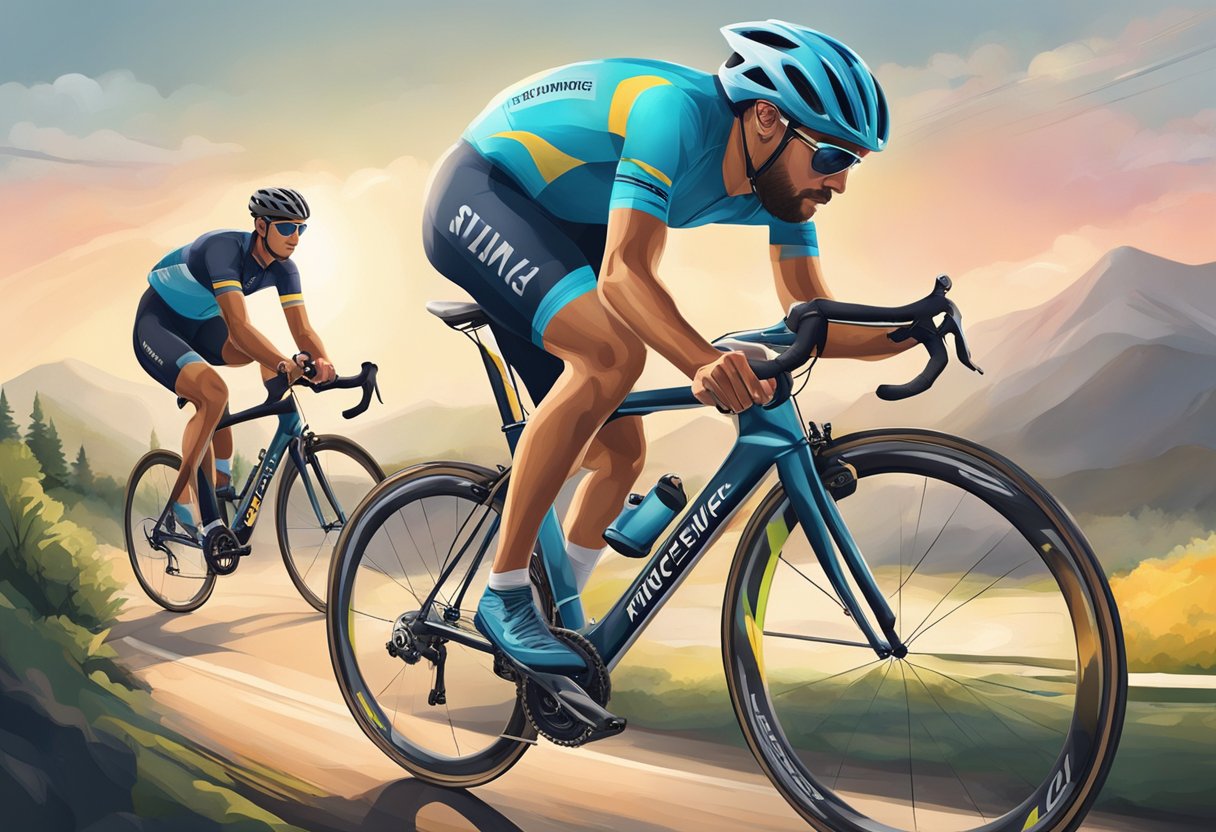
The narratives of cancer survivors often serve as a beacon of hope and resilience in the face of adversity, providing insight into the profound emotional and physical changes that accompany the journey through and beyond cancer.
Inspirational Journeys Through Change
As we navigate the uncertain waters of a cancer diagnosis, we often find that our experiences foster a sense of community among fellow survivors. Our stories share a common thread of transformation—emotional upheaval giving way to newfound meaning and an appreciation for life’s nuances. These testimonials are not just chronicles of survival but roadmaps to enhancing quality of life post-diagnosis.
For us, surviving lymphoma was not merely an end goal but the beginning of an ongoing commitment to wellness and support for others, especially men who are battling this disease. We recognize our unique challenges in confronting societal expectations about strength and vulnerability. Through candid conversations, we strengthen our collective resolve and empower one another to pursue fulfillment despite our struggles.
These stories underscore the breadth of survival beyond physical endurance, including emotional fortitude. We emphasize that living through cancer profoundly impacts us, often requiring us to rebuild our identities and purposes. Solutions emerge from communal support and a determination to endure but thrive, thus shaping an environment where every survivor can find solace and solidarity.
Sharing these tales is not about drawing sympathy. Instead, it’s about highlighting the intricate tapestry of our experiences—each account underscoring our shared humanity and perseverance. We strive to provide practical advice and understanding, carving a path forward for those who will follow in our footsteps.
Through reflection, connection, and the exchange of life-affirming narratives, we contribute to a more profound, collective wisdom. This resource proves invaluable as we cycle through the various stages of our survivorship. Each survivor’s journey reinforces the conviction that we can foster hope and facilitate healing together.
Community and Support Networks
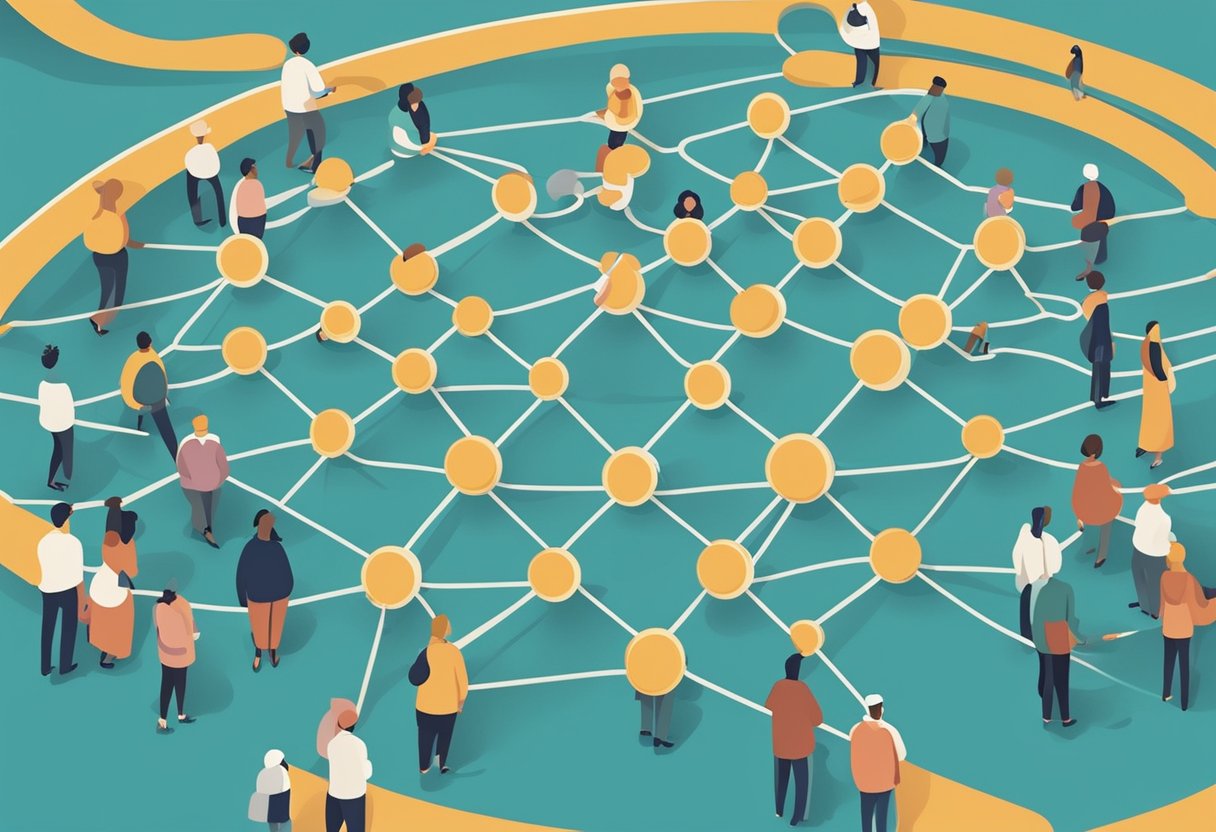
As individuals navigating the uncharted waters of survival after cancer, we understand the transformative power that community and dedicated support networks hold.
Connecting with Others
After my battles with lymphoma, discovering solace in camaraderie amongst fellow survivors became a cornerstone of my journey. We engage in conversations that foster strength and resilience, strengthening our resolve to thrive beyond our diagnoses. Community gatherings and peer-to-peer support sessions provide a platform where our shared experiences create a sanctuary of understanding and mutual encouragement.
Charities and Advocacy
Charities stand at the vanguard, offering tangible aid and advocacy that safeguard our collective interests. They champion our cause, ensuring that we remain heard in more significant dialogues about cancer care and survivorship. Clinicians and healthcare professionals collaborate with these entities to amplify our access to cutting-edge therapies and integrative wellness programs. Together, our voices resonate in the halls of change, advocating for policies and resources that support us and countless others in our fraternity.
Through this unified front, we not only survive but aspire to a life where our trials forge a path for those who will follow.
Integrating Exercise into Daily Routines

Embracing an active lifestyle is vital for maintaining health, especially after overcoming health challenges. Let’s transform our commutes and workday habits into opportunities for physical strength and resilience.
Cycling to Work and Commuting
Cycling provides a dual benefit: it’s an efficient mode of transport and a splendid way to include fitness in our routine. By opting for a road bike to navigate to our places of employment, we’re not just dodging traffic, we’re also engaging muscles and bolstering our cardiovascular health. Here’s how to make it work:
- Map Out Your Route: Research the safest and most efficient routes, paying close attention to bike lanes and traffic patterns.
- Prepare Your Gear: Equip our bike with necessary safety gear, such as lights and a helmet, and consider a sturdy lock for security when we arrive.
- Plan for Services: For smooth commutes, identify bike-friendly services along our route, from repair shops to rest areas.
Finding Time for Fitness Amidst a Busy Schedule
Juggling jobs and personal duties can be hectic, but fitness need not fall by the wayside. Scheduling regular bicycling sessions, even during packed days, keeps us on the path to well-being. Use these strategies:
- Prioritize Fitness: Treat our cycling time like any other critical appointment and block time in the calendar.
- Combine Activities: Integrate bicycling with family outings or errands to maximize our time.
- Stay Consistent: Even short, daily rides boost our health more than sporadic, longer sessions.
Let’s turn these routines into cornerstones of our recovery and continued health, shaping our robust future.
Navigating the Healthcare Landscape

In our journey as cancer thrivers, especially after defeating lymphoma, we understand that steering through the healthcare system demands clear, practical guidance.
The Importance of Clinical Guidance
As survivors, we rely on clinicians’ expertise to navigate the numerous services that our care requires. Regular consultations with oncologists ensure that the therapy we receive is tailored to our unique needs and our current health state. Appropriate medical oversight leads us to the right combination of treatments, and this personalized approach empowers us to manage our health proactively.
The clinician’s role extends beyond prescribing treatments; they serve as our pillar, offering us the insights and moral support we need at every step. We collaborate with these professionals, discussing our symptoms, concerns, and preferences. This dialogue is crucial in adjusting our care plans effectively to our evolving conditions.
Furthermore, we connect with healthcare professionals specializing in men’s health, which often has nuances that deserve careful and thoughtful consideration. These experts help us access the most beneficial support groups and recovery programs.
Through this collective effort, we move forward more robust and better equipped to face any challenges ahead, reinforcing our resilience and fostering patient well-being.
Advancements and News in Cancer Care

As survivors and advocates in the cancer community, we understand the significance of staying up-to-date with the latest in cancer care. Our journey is bolstered by cutting-edge research and new therapies, offering renewed hope to us and many others.
Emerging Therapies and Research
In the sphere of cancer treatment, researchers tirelessly work to develop new drugs and therapies that possess the potential to transform our lives. We’ve witnessed encouraging strides in pediatric oncology, where targeted treatments offer a glimpse of a brighter future for our youngest fighters. The innovative approaches for cancer treatment tackle the disease with greater precision and promise a better quality of life post-recovery.
Cancer Topics in the News
Cancer-related news often brings the latest breakthroughs in the fight against cancer. From advances in radiation therapy to minimally invasive surgical techniques, these developments directly impact our recovery process. News of a new drug or therapy reaches us, igniting conversations about possibilities and new avenues for treatment that were not available even a decade ago. For us men in this fight, every piece of news can be a beacon of hope, a potential game changer in our ongoing battle with cancer.
Final Thoughts…
Facing cancer not once but twice has grounded us in the value of resilience. We’ve gathered life-altering insights through a cycle of hope, despair, and triumph. For fellow men on this path, know you’re not solitary travelers; our shared stories forge stronger bonds than the most challenging trials.
Embrace change; it’s not a deterrent but a call to adapt to reinvent oneself in adversity. Seek connections; fellow survivors, support groups, and online communities offer sustenance for mind and spirit alike.
- Respect your body’s signals; rest when necessary.
- Pursue activities that revitalize your heart.
- Prioritize nourishing relationships; they’re the compass through rough waters.
Each challenge confronted is a beacon for others navigating these turbulent seas. We lead by example, demonstrating that life, even post-cancer, burgeons with opportunities for fulfillment and renewed purpose. -T
Frequently Asked Questions
In our shared journey as cancer survivors, we often encounter a wealth of questions concerning our battle and life beyond. Here, we tackle some inquiries most relevant to thrivers like us, specifically those navigating the changes after cancer.
What factors contribute to long-term survival in stage 4 cancer patients?
Our resilience in the face of stage 4 cancer is bolstered by a blend of aggressive treatment, diligent monitoring, and maintaining robust mental health. Surviving and thriving with cancer is not just possible; it’s a reality for many who have learned to navigate this challenge.
How can lifestyle changes impact the prognosis of a cancer patient?
Embracing eating nutritious foods, managing stress, and staying active can dramatically sway our prognosis. These choices can support our body’s ability to recover and reduce the risk of recurrence.
What is the likelihood of cancer recurrence after successful treatment?
Each of us faces a unique risk that varies by cancer type and individual health factors. While statistics offer a guide, our tenacity in follow-up care and adapting to a health-focused lifestyle are crucial in minimizing recurrence odds.
What are the most effective coping strategies for individuals thriving post-cancer?
We find solace and strength in fostering supportive relationships, engaging in meaningful activities, and being proactive about our mental well-being. These strategies are vital in helping us regain a sense of normalcy and joy in our lives.
What advancements in treatment are increasing the survival rates for late-stage cancer patients?
Breakthroughs such as targeted therapies, immunotherapies, and personalized medicine are revolutionizing our fight, delivering hope and improving survival rates for those facing advanced cancers.
How does early detection influence long-term outcomes for cancer thrivers?
Early detection profoundly impacts our survival, as it often allows for less invasive treatments and a greater chance of eradicating the disease. Staying vigilant and proactive with screenings and doctor visits is crucial to our success against cancer.
