

Navigating Life After Treatment
Cancer survivorship can be a challenging game. As a two-time lymphoma survivor, I’ve faced many challenges on and off the field.
Cancer survivorship helps people learn to live with the life changes that come with a cancer diagnosis. It’s like learning to play a new sport – you need to adapt your strategy and build new skills.

For men battling cancer, the journey can feel like a solo sport. But we’re part of a team. From diagnosis through treatment and beyond, survivorship care focuses on maintaining our health and wellness. It’s about more than just beating cancer – it’s about getting back in the game of life.
The road to recovery isn’t always smooth. We may face financial pressures, work challenges, and complex care needs. But with the right game plan and support system, we can overcome these hurdles.
By working closely with our healthcare providers and loved ones, we can develop strategies to preserve our quality of life and stay in the match.
Key Takeaways
- Cancer survivorship focuses on health and wellness from diagnosis through long-term care.
- Men with cancer face unique challenges but can thrive with proper support and care planning.
- Ongoing research and policy efforts aim to improve the quality of life for cancer survivors.
Understanding Cancer Survivorship
Cancer survivorship is a journey that begins at diagnosis and continues throughout life. As someone who has faced lymphoma twice, I’ve learned firsthand about the challenges and triumphs of this path.
Definition and Scope
Cancer survivorship encompasses the physical, emotional, and practical aspects of life after a cancer diagnosis. It starts when you hear those life-changing words and extends through treatment and beyond. I remember feeling overwhelmed at first, but I soon realized that survivorship is about more than just medical care.
It includes managing follow-up visits, dealing with side effects, and adapting to a new normal. For us men, it can mean tackling issues like changes in physical strength or sexual health. Survivorship also involves preventive care and lifestyle changes to reduce the risk of recurrence.
Many cancer centers now offer special programs to help survivors thrive. These programs often include nutrition advice, exercise plans, and mental health support.
Statistics and Epidemiology
The number of cancer survivors in the United States keeps growing. This increase is due to better detection methods and more effective treatments. As of 2019, there were over 16.9 million cancer survivors in the U.S.
Here’s a breakdown of the most common cancer types among male survivors:
- Prostate cancer
- Colorectal cancer
- Melanoma
The 5-year relative survival rate for all cancers combined has improved significantly. It now stands at about 67% for men diagnosed between 2010 and 2016. This is up from 49% in the mid-1970s.
These stats show that more men are living longer after cancer. However, they also highlight the need for long-term survivorship care and support.
The Role of the NCI and Cancer Centers
The National Cancer Institute (NCI) is key in advancing cancer suIn 1996, itorship care and research. They established the unique needs of cancer survivors.
NCI-designated cancer centers across the country offer cutting-edge treatments and survivorship programs. These centers research to improve the lives of cancer survivors. They study everything from managing long-term side effects to preventing recurrence.
These programs have benefited me by helping me manage my health and connect with other survivors. Many centers offer support groups, which can be a game-changer for men who might not usually seek emotional support.
The NCI also funds research into survivorship issues. This includes studies on exercise programs for cancer survivors and ways to address the financial impact of cancer.
Challenges Faced by Cancer Survivors

Cancer survivors face a range of hurdles after treatment ends. These challenges affect our bodies, minds, relationships, and finances in ways that can be tough to navigate.
Physical Effects
As a two-time lymphoma survivor, I’ve dealt with lasting physical impacts. Fatigue often lingers long after treatment, making it hard to return to normal activities. Some of us experience neuropathy – numbness or tingling in our hands and feet. This can interfere with sports and exercise.
Bone lands are increasing fractures, which are other risk factors. I’ve had to adapt my workout routine to protect my bones. Lymphedema, or swelling in the arms or legs, can also develop. It requires special care and compression garments.
Chronic pain plagues many survivors. It may stem from surgeries, radiation, or other treatments. Managing this pain while staying active takes effort and creativity.
Emotional Well-Being
The emotional toll of cancer can be just as challenging as the physical effects. Fear of recurrence often lingers in the back of our minds. This fear can spike around follow-up scans or doctor visits.
Anxiety and depression are common among survivors. The experience of facing mortality can change our outlook on life. Some of us struggle to adjust to our “new normal” after treatment ends.
Mental health support is crucial. Connecting with other survivors through support groups has helped me process these complex emotions. Therapy and counseling can also provide valuable tools for coping.
Social and Family Dynamics
Cancer changes relationships. Some friendships may drift apart, while others grow stronger. Family members who acted as caregivers may struggle to shift back to normal dynamics.
Dating can feel daunting for single survivors. Deciding when and how to disclose our cancer history to new partners takes courage. Fertility issues may complicate family planning for some of us.
Work relationships can also be affected by our ongoing challenges. Balancing work demands with ongoing medical needs requires communication and flexibility.
Financial Implications
The financial impact of cancer can last long after treatment ends. Medical bills may pile up, even with insurance. Ongoing costs for follow-up care, medications, and supportive therapies add up.
Some survivors face reduced income due to job changes or inability to work full-time. This financial strain can lead to tough choices about healthcare, housing, or other essentials.
Programs exist to help with these costs, but navigating them can be complex. Financial advisors who specialize in working with cancer survivors can offer valuable guidance. Exploring options for disability benefits or insurance appeals may also help ease the burden.
Survivorship Care Planning
Cancer survivors face unique challenges after treatment ends. A well-crafted plan can ensure a smooth road ahead and address follow-up care and potential issues that may arise.
Developing a Survivorship Care Plan
As a two-time lymphoma survivor, I’ve learned the value of a comprehensive care plan. It’s like creating a playbook for your health journey. This document outlines your cancer history, treatments received, and potential long-term effects.
Your plan should include a schedule for follow-up appointments and tests. It’s crucial to list any symptoms to watch for and strategies to maintain your health. Think of it as your game plan for staying in top form.
Working with my medical team to tailor the plan to my specific needs is helpful. We discuss my goals, concerns, and lifestyle factors, and this collaborative approach ensures that the plan addresses all aspects of my well-being.
Integration with Oncology and Primary Care
Coordinating care between specialists and primary care doctors can be tricky. Your survivorship care plan acts as a communication tool, keeping everyone on the same page.
I share my plan with both my oncologist and primary care physician. This helps prevent gaps in care and reduces the risk of conflicting treatments. It’s like having a team of coaches working together for your best performance.
Regular check-ins with both providers allow for adjustments to the plan as needed. They can address any new health concerns and update your care strategy accordingly. This teamwork approach has been key to my long-term health management.
Monitoring and Management of Recurrence
Staying vigilant about potential cancer recurrence is an ongoing process. Your survivorship care plan should outline specific signs to watch for and when to seek medical attention.
I’ve learned to trust my body and report any unusual symptoms promptly. As specified in my plan, regular screenings and follow-up tests provide peace of mind and catch any issues early.
My plan also includes strategies for maintaining a healthy lifestyle. Exercise, nutrition, and stress management are vital in reducing the risk of recurrence. I treat these activities like training sessions, keeping my body and mind in peak condition for whatever challenges may come.
Advancing Survivorship Through Research and Policy

As a two-time lymphoma survivor, I’ve seen firsthand how research and policy shape cancer care. Let’s explore the key areas that can improve life for men facing cancer and enhance long-term outcomes for all survivors.
Research Opportunities and Gaps
Cancer survivorship research needs to focus more on men’s unique challenges. I’ve noticed a lack of studies on male-specific side effects and coping strategies. We need more clinical trials targeting long-term issues like fatigue and cognitive changes in male survivors.
Qualitative research can reveal hidden struggles men face after treatment. Sharing our stories can guide researchers to ask the right questions. I believe exploring the impact of cancer on men’s relationships and careers could lead to better support systems.
Longitudinal studies tracking survivors for decades could uncover late effects we have yet to recognize. This knowledge would help primary care doctors provide better follow-up care for long-term survivors.
Policy Impacting Survivorship Care
Policy changes can dramatically improve cancer survivorship care. Insurance coverage for follow-up screenings reduces anxiety and catches recurrences early. We need policies that ensure all survivors have access to these vital services.
Workplace protections for cancer survivors returning to work are crucial. I struggled to balance my recovery with job demands. Policies supporting flexible schedules and reasonable accommodations can help men maintain their careers and financial stability.
Ethics in survivorship care is an often overlooked area. We need guidelines that respect survivor autonomy while ensuring we receive necessary follow-up care. Policies should also address using our medical data in research, balancing privacy with scientific progress.
Education and Advocacy
Education empowers survivors to take charge of their health. When I finished treatment, I felt lost. We need comprehensive survivorship education programs that teach men about potential late effects and self-care strategies.
Oncology and primary care teams need training on the unique needs of male cancer survivors. I’ve had to educate my doctors about my ongoing concerns. Better provider education can lead to more personalized and adequate follow-up care.
Advocacy is a powerful tool for improving survivorship care. By sharing our experiences with policymakers, we can drive changes that benefit all survivors. I’ve found that joining cancer advocacy groups gives me a platform to make a real difference.
The Debate
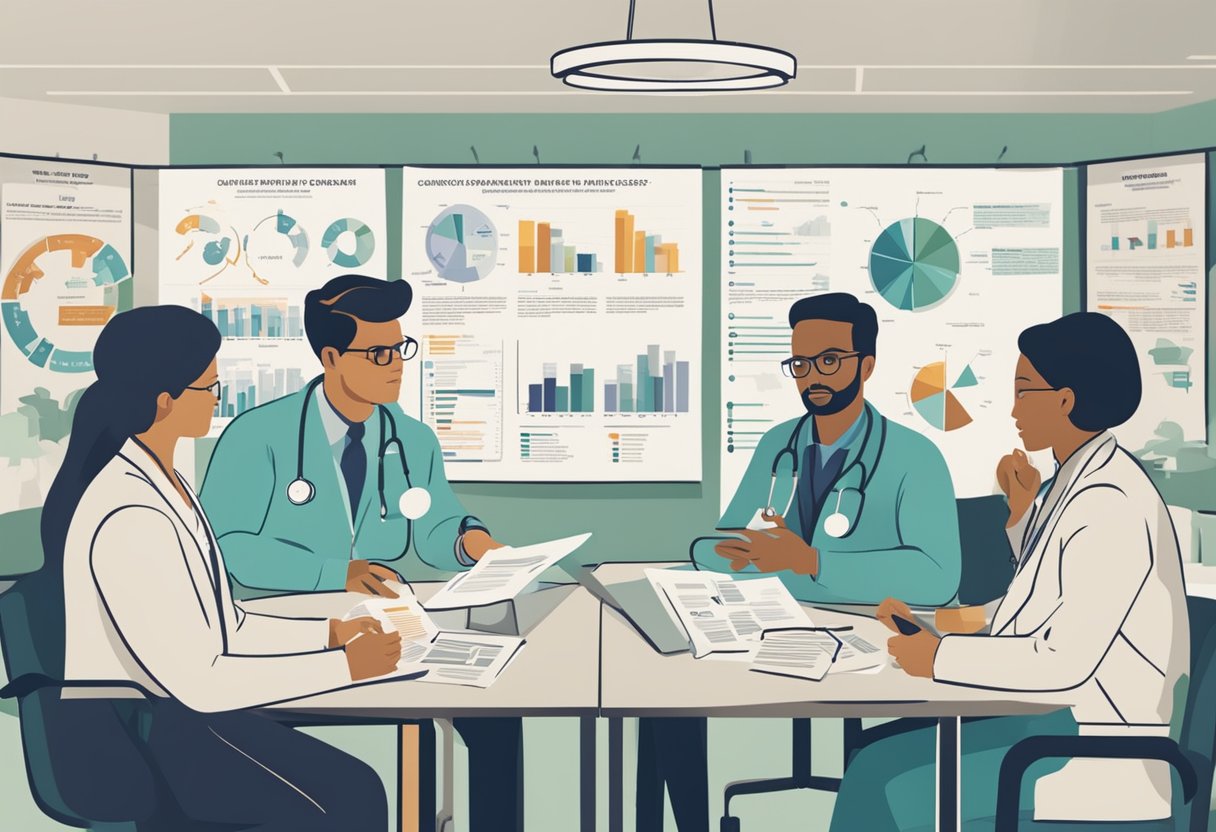
As a two-time lymphoma survivor, I’ve seen firsthand the challenges men face after cancer treatment. The debate around cancer survivorship is complex and multifaceted.
One key issue is the definition of survivorship. Does it start at diagnosis or after treatment ends? This affects how care is provided and when support services begin.
Financial strain is a major concern for many survivors. Cancer treatment can be expensive, and some men struggle to work during or after treatment. This can lead to difficult choices about healthcare and daily expenses.
Long-term side effects are another hot topic. Some treatments can cause lasting health issues, and there is an ongoing discussion about how to monitor and address these problems best.
Quality of life is a central focus. How can we help survivors not just live longer but live well? This includes physical, mental, and social aspects of life after cancer.
Here are some key points in the debate:
- When survivorship care should begin
- How to address financial toxicity
- Managing long-term side effects
- Improving quality of life
- Tailoring care to individual needs
As survivors, we need to speak up about these issues. Our experiences can help shape better care for future patients, and we can work together to find solutions that benefit all cancer survivors.
Final Thoughts
As a two-time lymphoma survivor, I’ve learned that cancer doesn’t define us. It’s a chapter in our story, not the whole book. Men facing cancer, you’re not alone in this fight. We’re a team, supporting each other through every step.
I found strength in sports. Shooting hoops or tossing a football helped me feel normal again. It’s amazing how physical activity can lift your spirits and boost your energy.
Remember, there’s no playbook for survivorship. Each of us has our journey. Some days will be tough but celebrate the small victories. Did you walk an extra block today? That’s a win.
Connect with other survivors. We understand what you’re going through in a way others can’t. Share your fears, your hopes, and your triumphs. These bonds can be potent.
Spirituality and faith can be game-changers. They gave me comfort and purpose when I needed it most. If that resonates with you, explore it.
Stay on top of your follow-up care. It’s like maintaining your car – regular check-ups keep things running smoothly.
Lastly, be kind to yourself. Survivorship is a process, not a destination. You’ve got this, and we’ve got your back. -T
Frequently Asked Questions
Cancer survivorship brings unique challenges and changes. As a two-time lymphoma survivor, I’ve learned valuable lessons about recovery, long-term effects, and emotional well-being.
What key challenges do individuals face during cancer survivorship?
Men who survive cancer often struggle with physical changes. I dealt with fatigue, weight loss, and muscle weakness after treatment. These issues affected my ability to work and enjoy sports.
Body image concerns can also arise. Hair loss, scars, or other visible changes may impact self-esteem. I found support groups helpful for discussing these sensitive topics with other survivors.
How does survivorship care change across the different stages of cancer recovery?
Early on, survivorship care focuses on monitoring for recurrence. My oncologist scheduled frequent check-ups and scans in the first year after treatment.
As time passes, care shifts to managing long-term effects. I now see my primary doctor yearly to check for heart issues linked to chemotherapy. We also discuss healthy lifestyle choices to reduce future cancer risks.
At what point in treatment do patients transition into the cancer survivorship phase?
The transition to survivorship typically begins after completing active treatment. For me, this happened when I finished my last round of chemotherapy for lymphoma.
Some doctors consider patients survivors from the moment of diagnosis. Others consider long-term survivorship to begin five years after treatment.
What are the long-term effects of cancer treatment on survivors?
Cancer treatments can cause lasting physical changes. Chemotherapy left me with nerve damage in my hands and feet, a condition called neuropathy.
Radiation therapy may increase the risk of secondary cancers. After my treatment, I learned about potential heart and lung issues that could develop years later.
How can survivors manage the emotional and psychological impacts of cancer?
Joining a cancer survivor support group helped me process complex emotions. Sharing experiences with others who understand can be healing.
Physical activity boosts mood and reduces stress. Returning to my favorite sports, like swimming and cycling, improved my mental well-being during recovery.
Professional counseling can provide tools for coping with the fear of recurrence. Cognitive behavioral therapy taught me strategies to manage anxiety about follow-up scans.
