

How Cancer Thrivers Foster Resilience and Hope
Navigating the path of cancer is a journey that intertwines medical treatment with the resilience of the human spirit. We are a community of survivors who have faced the uncertainty and challenges brought on by this life-altering diagnosis. For us, cancer is not just about enduring; it’s about thriving.

Drawing from our collective experiences, we understand that a robust support system is a cornerstone for thriving as a cancer thriver. These networks, whether from family, friends, or fellow survivors, provide emotional and practical support. Complementary approaches to care, crafted from a keen understanding of our unique experiences, serve as a testament to the multifaceted nature of recovery and personal growth.
Key Takeaways
- Embracing a resilient mindset contributes to thriving after a cancer diagnosis.
- The strength of a support system is vital to navigate treatment and recovery.
- A multifaceted approach to care is crucial for personal growth.
Understanding Cancer

Our collective journey through the complexities of cancer begins with knowledge and understanding, vital elements in navigating this daunting challenge.
Diagnosis and Symptoms
Cancer, a multifaceted disease characterized by abnormal cell growth, often presents itself through various symptoms. We may notice persistent coughs or changes in our lymph nodes, signaling potential issues such as lung cancer or lymphoma. A diagnosis follows a thorough medical evaluation, often involving blood tests, imaging, and biopsies, which can confirm the presence of diseases like Hodgkin’s lymphoma.
Types of Cancer
There are numerous types of cancer, each with its unique characteristics and effects on the body. Lung cancer is one of the most common cancers affecting us, posing severe challenges with symptoms like difficulty breathing and chest pain. Lymphoma cancer, another type, affects the lymphatic system, which is crucial for our immune response.
The Illness Journey
The illness journey is profoundly personal and variable. Those with stage IV lymphoma cancer, for example, have to endure rigorous treatment plans and emotional resilience. We find strength in each other’s stories, understanding that the path from a patient to a cancer thriver is paved with courage and unwavering support from our allies and health teams.
The Power of Mindset
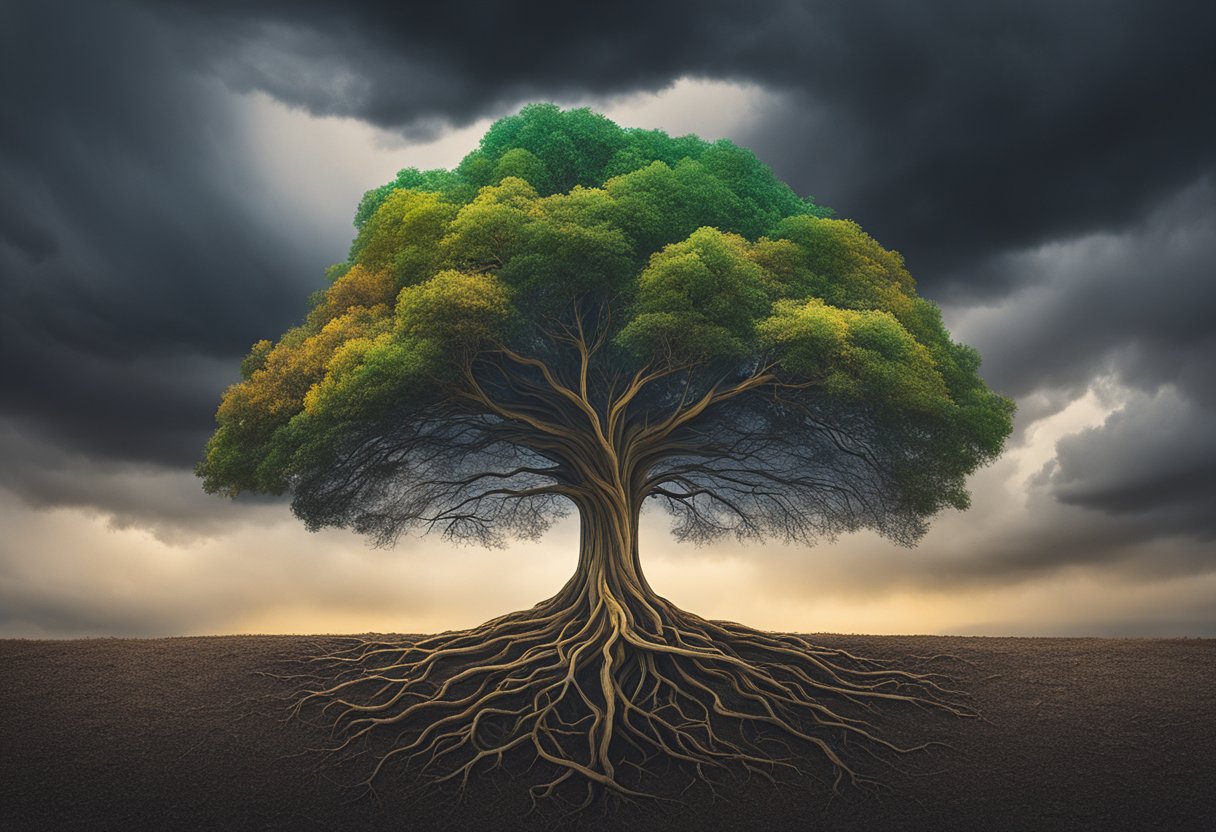
In the face of cancer, our collective mindset is a bastion of resilience, shaping our physical response and emotional well-being. As thrivers, we harness this intangible force, wielding belief as our shield and inner peace as our sanctum.
Mental Belief Systems
We recognize that our attitudes toward illness wield a transformative influence on our bodies. A shared experience of surviving lymphoma not once but twice has taught us that adopting a proactive belief system redefines our journey.
We become architects of our healing. Embracing practices inspired by the work of Byron Katie, we question and reconstruct the narrative of our illness, fashioning it into one of strength and gratitude. Within our community, a mindset coach becomes our ally, championing a tailored approach to emotional resilience and fostering an environment where we embrace spirituality as a source of sustenance.
Mindfulness and Inner Peace
With each breath, mindfulness anchors us in the now, a potent counter to the whirlwind of emotions unleashed by cancer. Practiced consistently, it offers us a clarity that catalyzes inner peace. Cancer can feel like an unruly storm, yet mindfulness is our calm harbor. It isn’t a vague concept but a tangible, structured practice, much like a sport where we train ourselves to focus, enhance self-awareness, and foster a sanctuary within. This spiritual gymnasium fortifies our inner core, allowing us to meet every challenge with equanimity.
Thriving Beyond Survival
Successful navigation through the cancer odyssey transforms survivors into thrivers. We go beyond mere survival, crafting identities that embrace life with vigor and purpose.
Identity as a Thriver
In the crucible of illness, our identity is forged anew. We are no longer just survivors; we are thrivers—men who seize life with both hands, living with an intensity that honors our battles and scars. Our journey reshapes us, and we emerge with an unwavering resolve to live the f*ck out of life.
Transforming Suffering into Strength
Every tunnel of suffering has a light; ours is the steel of resilience. Our struggles are not the end but the beginning of a new chapter, where each challenge is a catalyst for strength. We forge a path that others can follow, turning our pain into a legacy of triumph.
Support Systems on the Journey
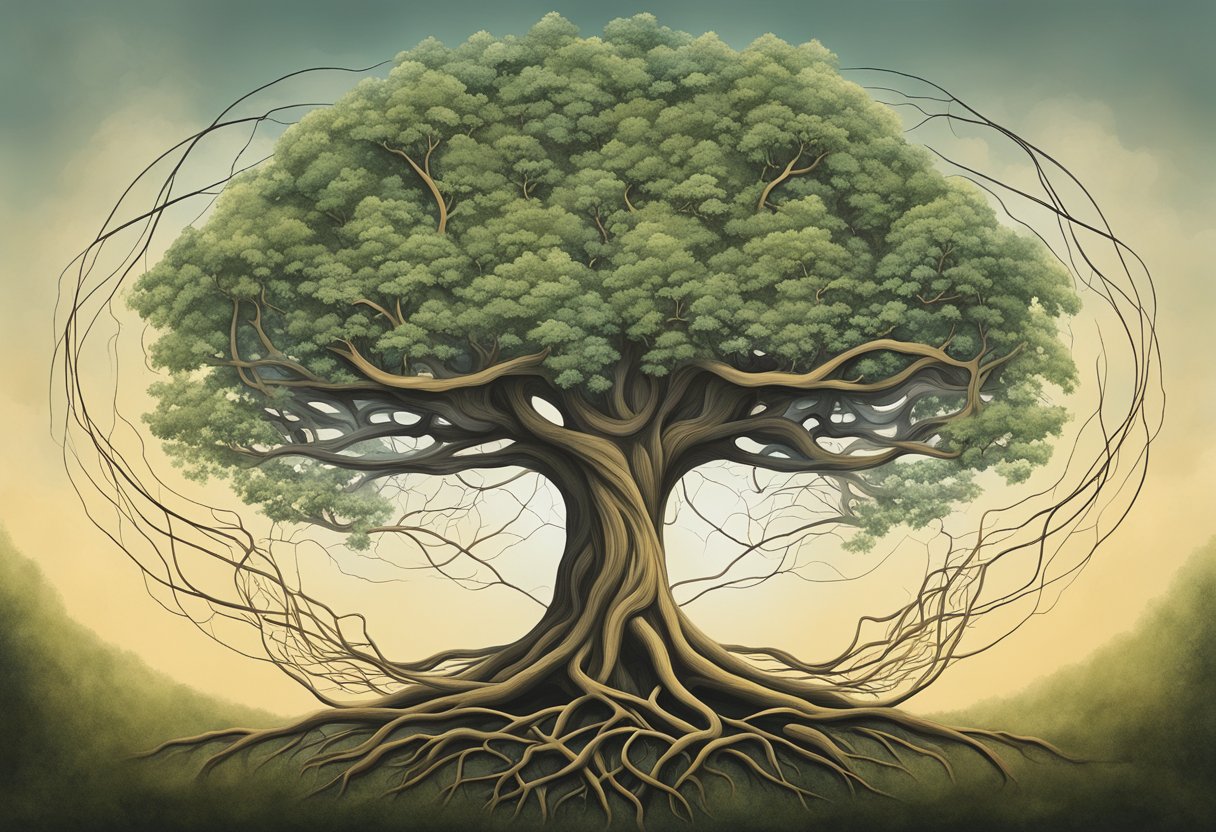
We often forget how vital our network can be when navigating the choppy waters of cancer recovery. Approaching this chapter with a team spirit buoys our morale and can provide practical guidance and emotional salve.
Community and Relationships
In my odyssey through lymphoma, the community stood as both refuge and fortress. When our world seems to shrink to hospital rooms and treatment schedules, we find solace in the more extensive network of friends and loved ones. Acknowledging our need for support can be tricky for us men, but it’s a game-changer. Peer groups, tailored for male cancer patients, offer a space where we can freely share without masks, strengthening our relationships and emotional well-being. Engagement in sports-oriented events, such as charity matches or ‘get moving’ groups, keeps our body active and fortifies our camaraderie spirit.
Professional and Compassionate Support
Guidance from seasoned professionals is like having a seasoned coach in your corner. A compassionate inner support system made up of healthcare providers who understand the intricacies of our emotions and physical challenges is instrumental. This team can include oncologists, counselors, and patient navigators who stand with us, offering tailor-made advice and interventions. For fathers, involving practitioners well-versed in familial dynamics ensures our children witness resilience in action, learning to address life’s trials with courage. Their expertise, blended with our collective determination, paves a path to empowerment and recovery.
Integrating Complementary Approaches

In our collective battle against cancer, integrating complementary approaches can provide solace and enhance conventional treatments. These integrative methods can range from traditional practices to spiritual coping mechanisms, fostering a terrain where body, mind, and soul are treated in concert.
Alternative Treatments
We recognize that complementary therapies play a pivotal role in cancer care. Nutritionists, massage therapists, and practitioners of Traditional Chinese Medicine often collaborate in Integrative Cancer Care programs. Such teams aim to support our healing process through various evidence-based treatments that align with conventional care. We may encounter therapies like acupuncture, which has been shown to alleviate specific treatment-related side effects. For us, the objective is clear: to enhance our quality of life and bolster our body’s capacity to heal.
- Nutrition: Tailoring our diet to support our immune system and energy levels during treatment.
- Massage: Seeking relief from pain and stress.
- Acupuncture: Managing nausea and other side effects from chemotherapy.
We tap into these resources with a clear goal – to sustain our strength and vitality during the arduous treatment journey.
The Role of Spirituality
Every step on our cancer journey resonates with our spiritual beliefs and practices. This spirituality, often intertwined with our religion, provides us with strength. It acts as a lighthouse guiding us through the stormy seas of uncertainty and fear.
Whether through prayer, meditation, or simply a quiet reflection, our spiritual practices encourage resilience and hope. For us, a profound spiritual perspective can be both a shield and a comfort, an intimate part of our support system that bolsters our spirit and infuses us with courage.
- Prayer and Meditation: Cultivating inner peace and clarity.
- Spiritual Community: Drawing strength from shared beliefs and communal support.
Navigating the Healthcare System

We understand that stepping into the world of healthcare after a cancer diagnosis can be daunting, especially for us men who have faced life’s stark realities head-on. Managing the road ahead takes courage, resilience, and a well-informed strategy.
With a focus on overcoming challenges such as recurrence and keeping abreast of the latest health news, we equip ourselves with the knowledge and support to make confident decisions in our cancer journey.
The Role of Physicians
Our physicians stand as the pillars of our medical journey. We rely on their expertise to guide us through diagnosis, treatment plans, and monitoring for recurrence. They are catalysts in interpreting screening results and tailoring our treatments to ensure our bodies and minds remain strong.
In trust, we place our health in their hands. We expect them to be current with the latest research and treatments that give us an edge in recovery and wellness.
Education and Research
Education grants us the power to demystify cancer’s complexities. We actively seek out and participate in workshops and seminars that sharpen our understanding of our condition.
We stay ahead by keeping abreast of meta-analysis studies and breakthroughs in cancer research. This helps us make informed decisions for our care. Research fuels our hope and equips us with tools for proactively engaging with our health providers and support networks.
We strive for excellence in every jump, throw, and sprint along this path. Our conversations with doctors, attendance at educational programs, and vigilance in following through on health news are all part of a strategic playbook we’ve developed to thrive despite the hurdles cancer places in our way.
Looking Towards the Future
As we chart our course through survival and beyond, we must consider the caliber of our lives and the marks we wish to leave.
Survival and Quality of Life
The triumph over lymphoma, not once but twice, offers us profound insight into the nuances of survival. Survival extends beyond mere existence; it encompasses a sustained quality of life that allows us to cherish moments of joy and attain clarity in our daily lives.
Treatments and therapies can significantly improve health outcomes, giving us a chance to enjoy life with vigor.
- Health management: Regular check-ups, advanced therapies, and a supportive community contribute to maintaining our well-being.
- Emotional resilience: Staying connected with fellow survivors and engaging in constructive conversations can foster a robust support system.
Leaving a Legacy
In contemplating mortality, leaving a legacy becomes a path of intention and purpose. We aim to set an example and be mentors who offer guidance and share the lessons learned from our guru—cancer.
Our legacy is defined not by death but by the lives we lead and touch.
- Mentorship: Offering guidance and sharing our story with men newly diagnosed with cancer can light their path.
- Community involvement: Participating in sports events to raise awareness and funds for cancer research is a proactive way to contribute to the cause.
Final Thoughts
In our collective battle with cancer, particularly for us men who have faced lymphoma, we’ve learned that our beliefs possess immense power. Through two lymphoma diagnoses, we discovered that inner strength and a community of support provide an unmatched source of resilience.
We advocate for three critical practices:
- Adopt a proactive mindset: A constructive approach to managing health is essential, focusing not on the setbacks but on the possibilities for recovery and wellness.
- Embrace community: We thrive on mutual encouragement, benefiting greatly from other survivors’ shared experiences and wisdom.
- Engage in physical activity: Staying active through a favorite sport or simply regular exercise contributes to our physical and mental well-being.
We recognize our unique struggles as men, often grappling with societal expectations to appear unyielding. Let us cast aside these stereotypes and permit ourselves to seek help, express emotion, and lean on others without shame or hesitation. In doing so, we pave the way towards healing not just the body but also the mind.
Together, as thrivers, we celebrate every milestone in our cancer journey and continue to learn from each other. With empathy and a focused, sportive attitude, we aim to be champions of our health and lives beyond cancer.
Let us move forward purposefully, drawing on insights from our lived experience. By fostering resilience within us, we enable a life defined not by cancer but by courage and a relentless spirit of hope. -T
Frequently Asked Questions
We understand that battling cancer goes beyond medical treatment; it’s a mental and community effort. Here’s a guide for thriving during this arduous journey.
What strategies can boost positivity in individuals facing cancer treatment outcomes?
We discover strength in practices such as mindfulness and setting small, achievable goals. Stanford Medicine highlights the role of spirituality, which often helps us find meaning in our battle with the disease.
Why is a strong support network vital for individuals undergoing cancer treatment?
A robust network of supportive family, friends, and fellow survivors offers more than just emotional solace; it provides practical assistance and a sounding board for our concerns. Psychology Today reminds us that our community can reinforce the identity we adopt in this fight.
What are effective methods to combat aggressive types of cancer?
We look to advancements in medical treatments, such as targeted therapies and immunotherapy, which have shown remarkable results. Additionally, staying informed about our specific type of cancer ensures that we can make educated decisions about our care.
How can emotional support animals contribute to the well-being of cancer patients?
Animals have a unique way of providing comfort. They offer unconditional love that alleviates loneliness, reduces stress, and improves our mood considerably during challenging times.
What are the best practices in counseling someone diagnosed with cancer?
We engage in open, empathetic dialogue that acknowledges feelings without judgment. We facilitate a safe space for processing emotions by encouraging the expression of fears and hopes.
What lifestyle changes have proven to help patients live well with cancer?
We advocate for regular physical activity that suits our condition. We also recommend a balanced diet and adequate rest.
These changes often lead to an enhancement in quality of life and may improve treatment outcomes.
