

Male Cancer Survivor’s Guide to Healthier Living
As a two-time lymphoma survivor, I know how challenging it can be to spot and break bad habits after cancer treatment. Many men face similar struggles, whether they’ve battled breast cancer, colorectal cancer, or other types. These habits often sneak up on us during recovery, when we’re at our most vulnerable.
Recognizing bad habits is the first step to reclaiming your health as a male cancer survivor. It might be stress eating, skipping workouts, or isolating yourself from loved ones. I’ve been there and learned that change is possible with the right mindset and support.
Breaking these patterns isn’t easy, but it’s worth it.
By focusing on healthy eating, regular exercise, and weight management, we can take control of our recovery.
It’s about making small, consistent changes that yield significant long-term results.
Key Takeaways
- Spotting bad habits early helps male cancer survivors take action
- Healthy eating and exercise are essential to long-term recovery
- Small, consistent changes lead to significant improvements in survivorship
Understanding Cancer and Its Impact on Men
Cancer can hit men hard, both physically and emotionally. I’ve been through lymphoma twice, and I know firsthand how it changes everything.
Let’s explore the types of cancer that affect us guys most often and how they can impact our lives.
Types of Cancer Prevalent in Men
Prostate cancer tops the list for men. It’s like a sneaky opponent that can creep up without warning.
Colorectal cancer comes in second – it’s no joke, but catching it early can make all the difference.
Lung cancer is another big player, often linked to smoking. Don’t forget about skin cancer either – it’s more common than you might think.
Other cancers to watch out for include:
- Bladder cancer
- Kidney cancer
- Non-Hodgkin lymphoma (my old foe)
Regular check-ups and screenings are essential. They’re like your first line of defense in this health game.
Physical and Emotional Effects of Cancer
Cancer treatment can feel like a challenging workout that never ends. Physically, it can leave you drained, weak, and dealing with side effects like nausea or hair loss. It’s rough, but remember – your body is fighting hard.
Emotionally, cancer can be a rollercoaster. Fear, anger, and sadness are all part of the ride. I’ve felt them all. But there’s also hope and strength you never knew you had.
Some ways to cope:
- Join a support group
- Talk to a therapist
- Stay active when you can
- Lean on friends and family
Cancer rates in men are expected to rise in the coming years. But don’t let that scare you. Instead, use it as motivation to take charge of your health now. Early detection and a healthy lifestyle can be game-changers.
Identifying and Overcoming Bad Habits
As a two-time lymphoma survivor, I’ve learned to spot harmful behaviors and make positive changes. Breaking destructive patterns takes effort but is vital to long-term health and well-being.
Recognizing and Breaking Unhealthy Behaviors
I noticed my drinking increased after cancer treatment. It started as a way to cope but became a crutch. I first had to admit it was a problem to break this habit.
I tracked my alcohol intake in a journal, which revealed the true extent of my consumption.
Next, I set clear goals to reduce my drinking. I replaced alcohol with healthier options like herbal tea or sparkling water. When cravings hit, I’d go for a run or call a friend instead.
Tobacco use is another common issue for cancer survivors. If you smoke, talk to your doctor about quitting aids. Set a quit date and tell your loved ones so they can support you.
Unhealthy eating habits often creep in during recovery. I found myself relying on fast food and skipping meals. To combat this, I meal-prepped on weekends and always kept healthy snacks on hand.
Role of Counseling in Behavior Modification
Seeking professional help was a game-changer in my journey. A counselor helped me uncover the root causes of my bad habits.
We worked together to develop coping strategies that didn’t involve harmful behaviors.
Cognitive-behavioral therapy (CBT) proved especially useful. It taught me to recognize negative thought patterns and replace them with more positive ones. This shift in mindset made it easier to stick to my health goals.
Group therapy sessions connected me with other male cancer survivors facing similar struggles. We shared tips and experiences, which made me feel less alone in my battle against bad habits.
Breaking ingrained behaviors isn’t easy, but counseling provides the tools and support to succeed. Don’t hesitate to seek help – it’s a sign of strength, not weakness.
The Role of Diet in Cancer Recurrence
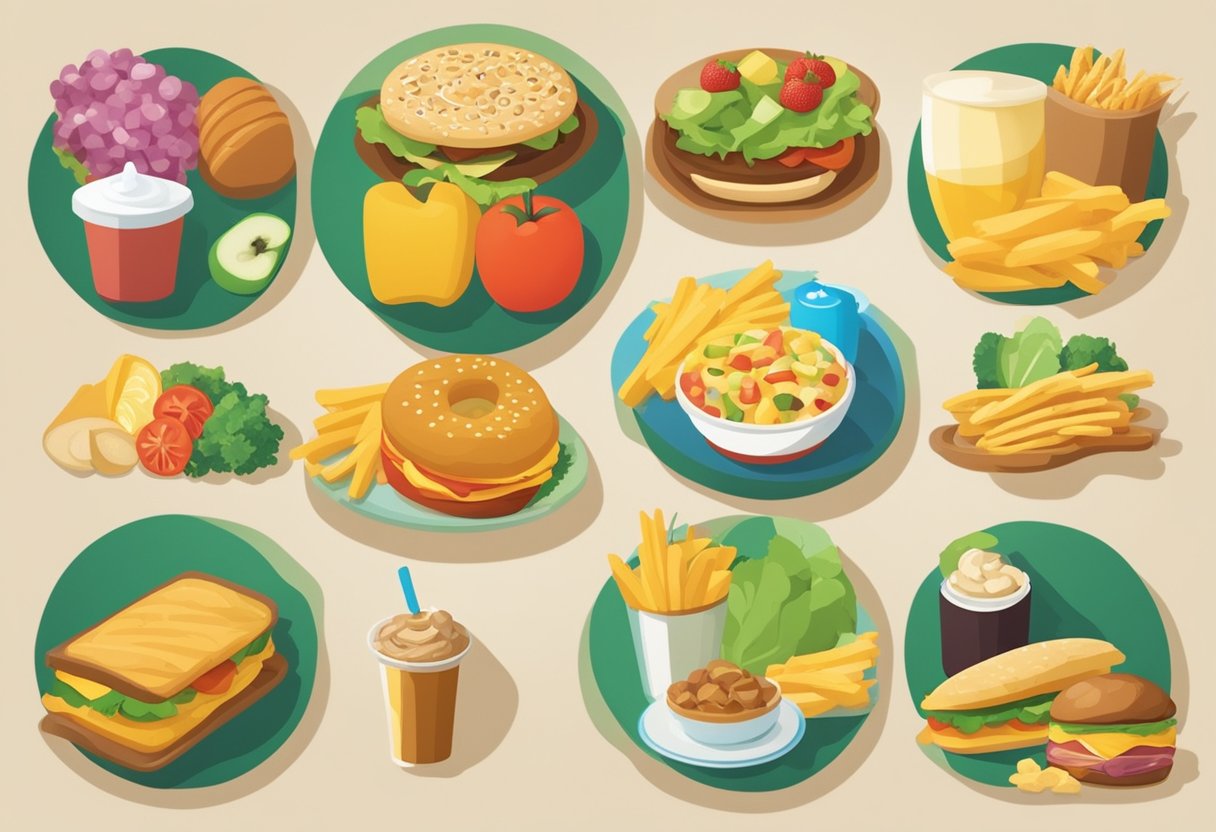
Diet plays a crucial role in cancer recurrence. As a two-time lymphoma survivor, I’ve learned that what we eat can impact our health and recovery. Let’s explore how to develop better eating habits and the benefits of a plant-based diet.
Developing Healthy Eating Patterns
I’ve found that making minor changes to my diet has made a big difference. Eating more fruits and vegetables boosts my energy and mood. I aim for 5-7 servings daily.
Fiber-rich foods like beans, whole grains, and leafy greens help me feel full and may lower cancer risk.
I’ve cut back on processed meats like bacon and hot dogs, which have been linked to higher cancer rates. I also limit red meat to once or twice a week. Instead, I choose lean proteins like fish, chicken, and plant-based options.
Reducing saturated fat from fried foods and full-fat dairy has helped me maintain a healthy weight. I’ve swapped these for heart-healthy fats from nuts, seeds, and avocados.
Whole-Food, Plant-Predominant Diet Benefits
Switching to a primarily plant-based diet has been a game-changer for me. I feel more vital and more energized.
This way of eating focuses on whole, unprocessed foods from plants.
A typical day includes:
- Breakfast: Oatmeal with berries and nuts
- Lunch: Large salad with mixed veggies and grilled chicken
- Dinner: Stir-fry with tofu, brown rice, and lots of colorful veggies
I’ve learned that dietary supplements aren’t a magic bullet. Whole foods provide the best nutrition.
By fueling my body with nutrient-dense foods, I feel I’m giving myself the best chance to stay healthy and cancer-free.
Incorporating Physical Activity into Survivorship

As a two-time lymphoma survivor, I’ve learned the value of staying active. Physical activity can boost energy and help us feel better during recovery. Let’s explore some practical ways to add exercise to our post-cancer routines.
Exercise Recommendations for Cancer Survivors
Physical activity guidelines for cancer survivors suggest aiming for 150 minutes of moderate or 75 minutes of vigorous exercise weekly.
I started with short walks and gradually built up my stamina.
Strength training twice a week can help maintain muscle mass. I began with light weights and resistance bands.
Swimming and yoga are gentle on the joints. These low-impact activities helped me regain flexibility and strength.
Always check with your doctor before starting a new exercise program. They can provide personalized advice based on your specific situation.
Balancing Exercise with Recovery
Finding the right balance between activity and rest is vital.
I learned to listen to my body and adjust my workouts accordingly.
When fatigue strikes, I opt for gentle stretching or a short walk. It’s okay to take it easy when needed.
Regular physical activity can reduce anxiety and depression in cancer survivors.
I found that exercise helped lift my mood and gave me a sense of accomplishment.
Joining a cancer survivor fitness group provided motivation and support. Sharing experiences with others who understand the journey can be beneficial.
Remember, progress takes time. Celebrate small victories and be patient with yourself as you build your strength and endurance.
Weight Management for Male Cancer Survivors
As a two-time lymphoma survivor, I’ve learned that maintaining a healthy weight is crucial for recovery and long-term well-being. Let’s explore how to manage weight effectively after cancer treatment.
Understanding Body Weight Changes After Treatment
Cancer treatments can affect our bodies in various ways. I experienced significant weight fluctuations during my journey.
Chemotherapy altered my appetite and metabolism, leading to unintended weight loss. On the flip side, some medications cause weight gain.
These changes can be frustrating, but they’re typical. Our bodies need time to adjust after treatment, so we must be patient and kind to ourselves during this process.
Excess body weight may increase the risk of cancer recurrence. This motivated me to take charge of my health and focus on reaching a healthy weight.
Strategies for Achieving a Healthy Weight
Finding the right balance for weight management took time and effort. Here are some strategies that worked for me:
Consult a nutritionist. They can create a personalized meal plan that meets your specific needs.
Set realistic goals. Aim for gradual, sustainable weight loss of 1-2 pounds weekly.
Stay active. Regular exercise helps maintain muscle mass and boosts metabolism.
Choose nutrient-dense foods. Focus on fruits, vegetables, lean proteins, and whole grains.
Stay hydrated. Drink plenty of water throughout the day.
Track your progress. Keep a food and exercise journal to stay accountable.
Mental Health Considerations Post-Cancer
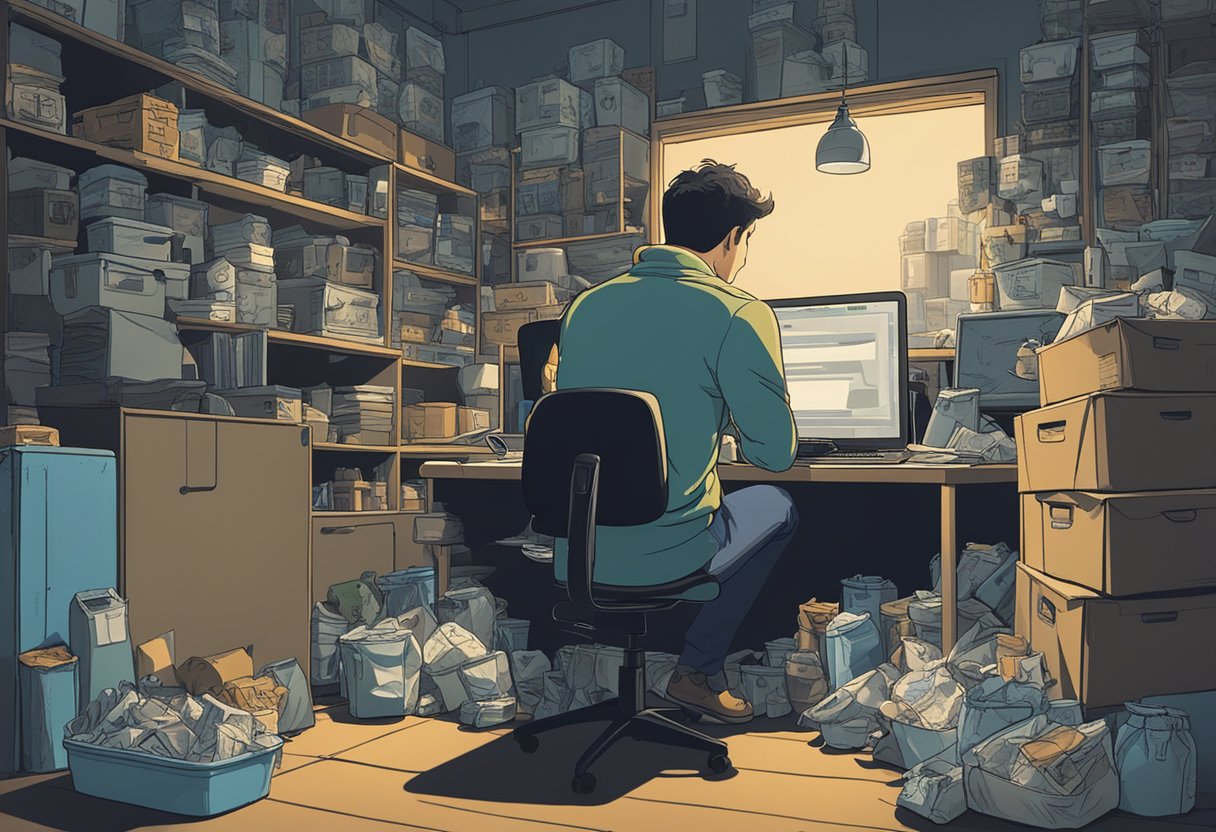
Cancer survivorship brings unique mental health challenges. As a two-time lymphoma survivor, I’ve faced emotional hurdles and learned the value of support.
Emotional Challenges and How to Address Them
Anxiety often lingers after treatment ends. I felt on edge, worried about every ache and pain. I tried deep breathing and gentle exercises like walking or swimming to cope. These activities helped calm my nerves and boost my mood.
Fear of recurrence is also common. I tackled this by focusing on what I could control—my diet, exercise, and follow-up appointments. Writing in a journal helped me process my thoughts and feelings.
Depression can creep in as well. I found talking to other survivors incredibly helpful. Support groups gave me a safe space to share my experiences and learn from others who truly understood.
The Importance of Mental Health Support
Professional help made a world of difference in my recovery. Counseling taught me coping strategies and helped me work through complex emotions. My therapist specialized in cancer survivorship, which was key.
I also learned to lean on my loved ones. Open communication with family and friends strengthened my support network. They provided practical help and emotional comfort when I needed it most.
Self-care became a priority. I made time for activities I enjoyed, like reading and playing tennis. These moments of joy helped balance the more challenging times.
Navigating Everyday Life After Cancer
As a two-time lymphoma survivor, I’ve learned valuable lessons about reclaiming my life post-treatment. Establishing new routines and safeguarding personal health information became crucial in my recovery journey.
Daily Routines and Long-term Health Goals
Creating a structured daily routine helped me regain a sense of normalcy. My mornings now start with a brisk walk and a nutrient-rich breakfast. This healthy lifestyle has become my anchor.
I consulted a nutritionist to develop a personalized nutrition plan. My diet now includes plenty of fruits, vegetables, and whole grains. I aim for 2.5 cups of veggies and 1.5 cups of fruit daily.
Regular exercise has been a game-changer. I joined a local cancer survivors’ sports league, which has boosted my physical and mental well-being. Setting achievable fitness goals keeps me motivated and focused on my long-term health.
Maintaining Privacy and Managing Health Information
Protecting my health information became a top priority after treatment. I learned to be cautious about sharing details online or through email.
I now use secure patient portals for medical communications. These platforms offer safer access to test results and communicate with my healthcare team.
I’ve become more selective about who I share my health status with. Close friends and family know the details, but I keep things general with others. This approach helps me maintain a sense of normalcy in social situations.
When discussing my health with providers, I ask about their privacy practices. Understanding how they protect my information gives me peace of mind. I also keep a personal health record, which helps me stay organized and informed about my ongoing care needs.
The Debate
As a two-time lymphoma survivor, I’ve grappled with recognizing and breaking bad habits. It’s not always easy to spot our destructive behaviors.
Some argue that awareness alone is enough to change habits. But in my experience, it takes more than just knowing.
Others believe willpower is vital. While determination helps, I’ve found it’s not the whole story. Lifestyle factors play a crucial role in cancer survivorship.
There’s debate about the best approaches for men facing cancer. Some advocate for tough love, while others emphasize gentler methods.
I’ve seen fellow survivors struggle with:
- Unhealthy eating
- Lack of exercise
- Smoking or excessive drinking
- Neglecting medical follow-ups
Breaking these habits can feel overwhelming. But small, consistent changes often work better than drastic overhauls.
Sports and physical activity have been game-changers for many of us. They offer a positive focus and help build healthier routines.
The challenge is to find what works for each individual. What motivates one person might not resonate with another.
Some experts push for strict regimens, while others favor flexibility. I believe the middle ground often yields the best results.
Final Thoughts
As a two-time lymphoma survivor, I’ve learned to spot bad habits that can hinder recovery. Recognizing these patterns is the first step to breaking free from them.
I’ve found that keeping a journal helps track behaviors and emotions. This simple act can reveal recurring themes we might otherwise miss.
Changing habits takes time and patience. Setting small, achievable goals has been vital to my critical progress. Celebrating each win, no matter how small, fuels motivation.
Support from fellow survivors has been invaluable. Connecting with others who understand our unique challenges can provide strength and inspiration.
Physical activity has been a game-changer for me. Even gentle exercise like walking or swimming can boost mood and energy levels.
Remember, setbacks are normal. When I stumble, I view it as a learning opportunity rather than a failure.
Seeking professional help is a sign of strength, not weakness. Therapists can offer tools to manage stress and anxiety common among cancer survivors.
To my fellow men battling cancer: you’re not alone. Reach out, stay active, and be kind to yourself. Together, we can overcome bad habits and thrive beyond cancer. -T
Frequently Asked Questions
As a two-time lymphoma survivor, I’ve learned valuable lessons about life after cancer. Men face unique challenges, but there are ways to overcome them and thrive.
What lifestyle changes are recommended for male cancer survivors?
I found that eating healthy foods made a big difference. I now eat more fruits, vegetables, and whole grains. Exercise became part of my daily routine. I aim for 30 minutes of activity most days. Quitting smoking and limiting alcohol also helped me feel better.
How can male cancer survivors manage long-term post-treatment challenges?
Fatigue was my biggest hurdle. I learned to pace myself and take short naps when needed. For pain, I tried gentle stretching and yoga. Regular check-ups with my doctor helped me catch any new issues early. I also joined a support group to share tips with other survivors.
What psychological support options are available for male cancer survivors?
Talking to a therapist helped me process my emotions. Many hospitals offer counseling services for cancer survivors. I also found comfort in peer support groups. Connecting with other men who’ve been through similar experiences was invaluable.
Which strategies are effective in preventing cancer recurrence in male survivors?
I focus on maintaining a healthy weight through diet and exercise. Staying active has been vital for me. I also make sure to get recommended screenings and follow-up tests. Managing stress through meditation and hobbies has been beneficial, too.
How does surviving cancer impact a man’s mental health and well-being?
Cancer changed how I view life. I experienced anxiety about recurrence and struggled with survivor’s guilt. But I also found a new appreciation for each day. Seeking help when I felt overwhelmed was crucial. Building a solid support network made a huge difference in my mental well-being.
What are common misconceptions about life after cancer for male survivors?
Many think life goes back to normal right away. For me, it was a journey of rediscovery.
Some assume male survivors don’t need emotional support, but we do.
Another myth is that we can’t be physically active. In reality, exercise has been vital to my recovery.
Lastly, some believe intimacy issues can’t be addressed, but there are solutions available.
