

Essential Tips for Empowerment and Resilience
Strength training can be a lifeline for men battling cancer. Through my journey of surviving lymphoma twice, I’ve witnessed the powerful impact it has on our physical and mental resilience.
Basic strength training exercises using light weights or resistance bands can help rebuild muscle mass, and strength lost during treatment. Strength training also helps improve bone health and overall physical resilience, making us feel capable in adversity.
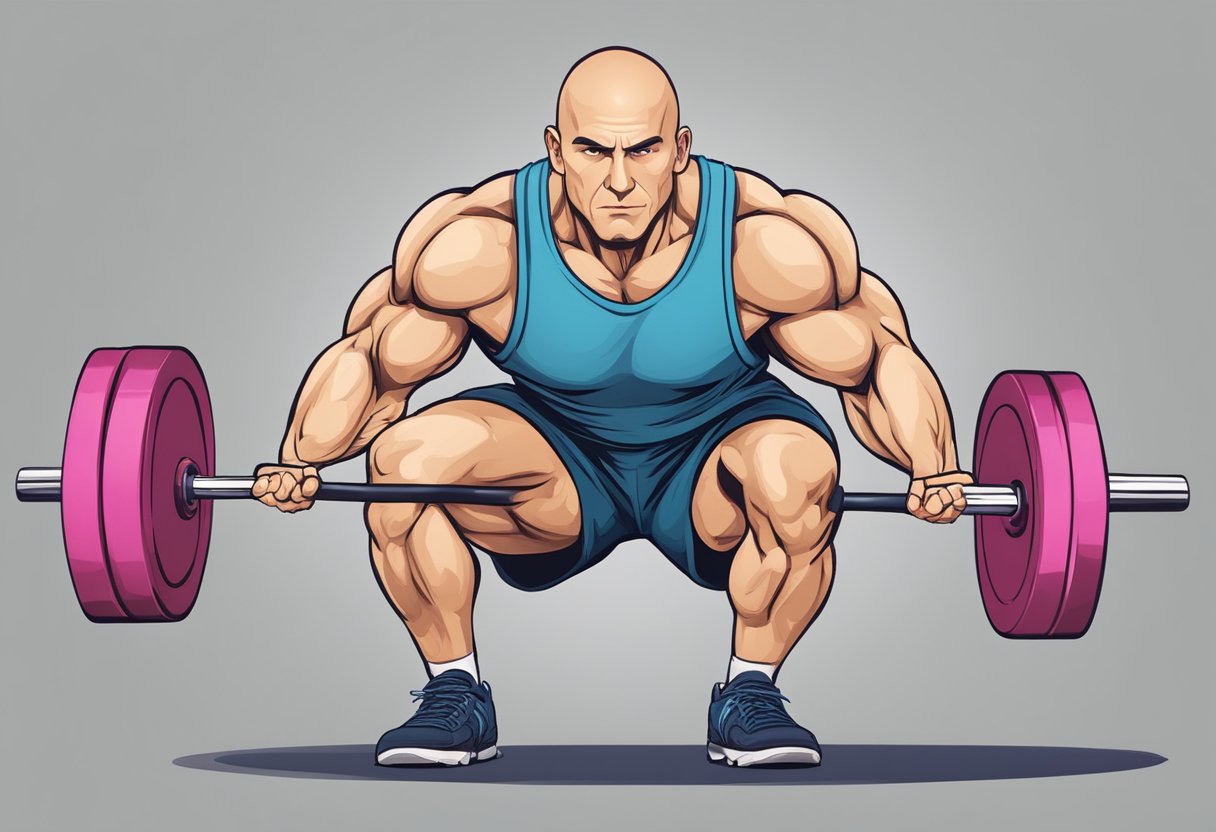
We should focus on customizing our strength training routines to fit our needs.
Whether newly diagnosed or post-treatment, listen to your body and adjust accordingly.
Incorporating exercises like squats, chest presses, and resistance band workouts can be effective.
Paying attention to our diet and nutrition plays a significant role in maximizing these benefits.
Protein helps muscle recovery, while other nutrients support overall health.
Key Takeaways
- Strength training rebuilds muscle mass and improves bone health.
- Customize routines to match personal needs and treatment stages.
- Monitor progress to stay motivated and celebrate small victories.
The Pillars of Strength Training
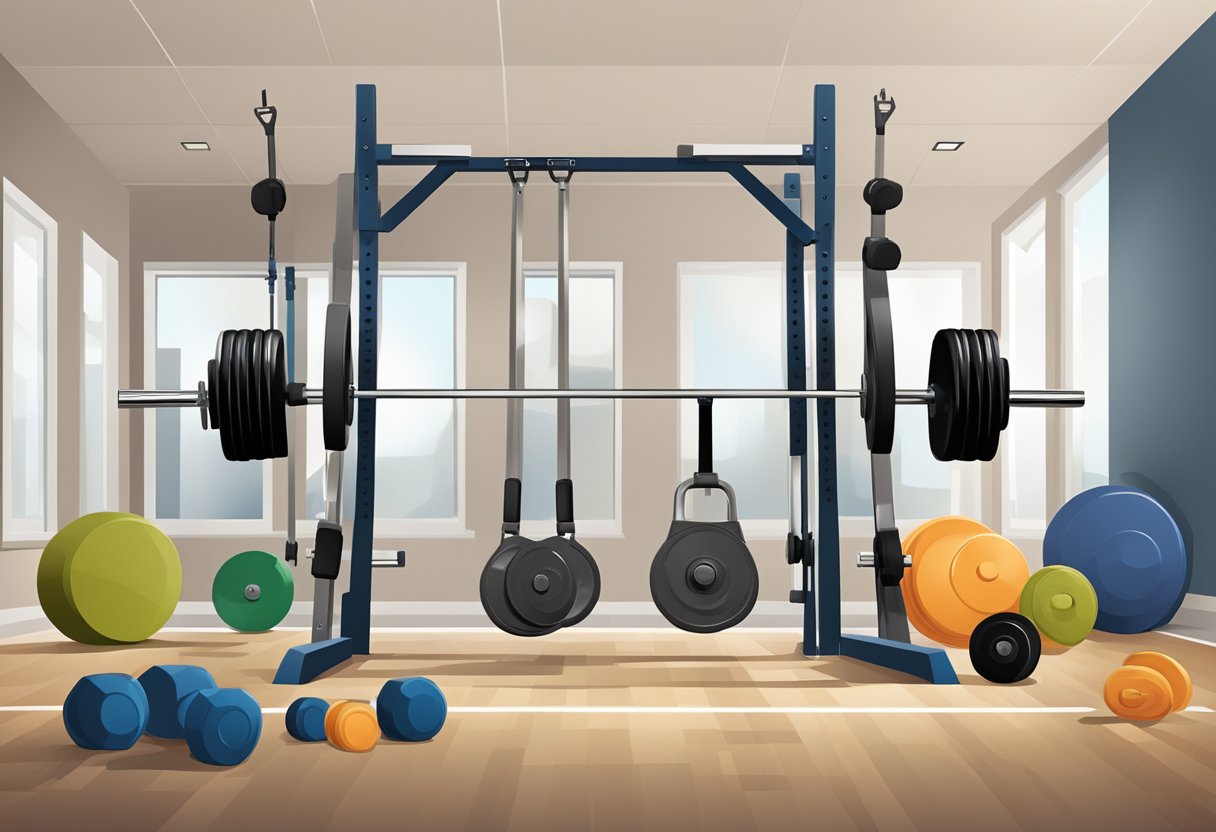
Strength training builds muscle mass and resilience. The correct exercises improve overall fitness and help maintain our physical health.
Understanding Resistance and Muscle Mass
Resistance is critical to building and maintaining muscle mass. We can use various tools to create resistance, such as free weights, resistance bands, machines, and even our body weight. Each type of resistance tool has its benefits.
Free weights, like dumbbells and barbells, allow a wide range of movements, engaging multiple muscle groups. This makes them versatile for different workouts.
Resistance bands provide a low-impact alternative. These portable bands are easy to use and ideal for home workouts or travel.
Strength-building machines offer stability, helping us target specific muscles safely, especially during recovery.
Building muscle mass goes beyond lifting weights. We need a well-rounded routine, proper nutrition, and rest to see progress.
Focusing on resistance and combining it with consistent effort helps gain and maintain strength, which is crucial for recovery and long-term health.
Mastering Fundamental Exercises
To build a strong foundation, we should focus on fundamental exercises. These exercises target major muscle groups and can be adapted to our fitness level.
Squats and lunges strengthen the legs and core. They can be done using body weight or with added resistance, like dumbbells.
Push-ups are excellent for the upper body, engaging the chest, shoulders, and arms. They can be modified to suit our strength levels, from knee push-ups to full push-ups.
Core exercises, such as planks and leg raises, improve stability and support overall strength.
Incorporating these into our routine helps build a solid core, which is essential for daily activities and other exercises.
Pull-ups or using a resistance band for assisted pull-ups work the back and biceps.
By mastering these basics, we create a strong base. This enables us to progress safely and effectively, enhancing our strength and overall physical health.
Health Benefits and Physical Well-being

Strength training provides several health benefits, including improving metabolism and bone density. It also enhances balance and reduces the risk of falls.
Improving Metabolism and Bone Density
Strength training helps us boost our metabolism. When we build lean muscle, our bodies burn calories more efficiently. This can help manage weight and improve overall fitness.
We can rebuild muscle mass lost during cancer treatment by lifting weights or using resistance bands.
Bone density is another crucial area. Weight-bearing exercises such as squats and lunges strengthen bones, reducing the risk of fractures.
This is vital for men recovering from cancer, as treatments can sometimes weaken our bones.
Consistent strength training enhances both our metabolism and bone health.
Enhancing Balance and Reducing Risks of Falls
Maintaining balance becomes more critical as we age. Strengthening exercises improve both balance and coordination, reducing the likelihood of falls.
This is particularly beneficial for us cancer survivors, who might face additional physical challenges.
Working on our leg muscles with exercises like lunges, leg lifts, and step-ups can improve stability. This leads to fewer injuries and a higher quality of life.
Incorporating balance training into our routine enhances our physical resilience and confidence in daily activities.
Cancer, Treatment, and Exercise Interplay

As men facing cancer, combining treatment with exercise can help us reclaim our strength and improve our physical function. Incorporating strength training into our recovery plan helps tackle treatment side effects like fatigue and muscle loss.
Strength Training During and After Treatments
Strength training during and after treatments can be a lifeline. Basic exercises with light weights or resistance bands rebuild muscle mass and strength lost during treatment.
This is crucial because treatment often impacts muscle strength and endurance.
I’ve found that these exercises also enhance bone health and overall resilience.
For example, exercises like leg lifts, push-ups, and bicep curls are practical. Short, manageable sessions fit into even the most demanding schedules.
It’s not about lifting heavy— it’s about consistency.
Combining resistance training with moderate cardio, like walking, benefits the heart and lungs without overtaxing our bodies.
Regular exercise might help reduce the risk of cancer recurrence, elevating our mental health and boosting our immunity.
Addressing Cancer-Induced Fatigue
Cancer treatments such as chemotherapy often lead to debilitating fatigue. This tiredness affects daily life and the motivation to exercise.
I’ve struggled with this during my treatment phases, finding that short, low-intensity exercise sessions help.
Low-impact exercises like gentle yoga or stretching can also boost energy levels.
Tracking our progress through journals or apps allows us to stay motivated.
Listening to our bodies and adjusting workouts according to how we feel that day is vital.
Rest is as important as exercise. Striking a balance between activity and rest helps manage fatigue effectively.
We should also prioritize nutritious food and plenty of hydration, supporting our bodies through the unique challenges of cancer treatment.
Customizing the Strength Training Journey
Our journey through strength training varies based on our health history and individual needs. Tailoring our workouts can help us rebuild muscle and improve our overall resilience.
Developing a Personalized Exercise Plan
Creating a personalized exercise plan requires understanding our physical abilities and setting realistic goals.
We start by discussing our fitness levels with a personal trainer who can help us design a plan that matches our unique needs.
Strength training with light weights or resistance bands can aid in rebuilding muscle mass and strength lost during cancer treatment.
Regular physical activity, like weekly gym sessions, should be balanced with adequate rest to avoid overexertion.
Simple squats, lunges, and push-ups can gradually build strength.
We must maintain a flexible schedule that allows adjustments based on our progress.
Collaborating with our trainer ensures that our plan evolves with us, addressing any new challenges or limitations we might encounter.
Incorporating Physical Therapy Insights
Physical therapy plays a crucial role in our strength training journey, especially after cancer treatment.
Consulting a physical therapist helps us understand our body’s specific needs and limitations. They provide exercises tailored to our recovery phases and help prevent injuries.
Incorporating physical therapy insights means integrating exercises that improve mobility and stability.
These exercises may include stretching routines and low-impact activities to enhance overall function.
Communication between our physical therapist and personal trainer ensures a well-rounded approach to our fitness goals.
We also focus on maintaining our health by addressing areas affected by treatment, such as joint pain or muscle weakness.
Personalized physical therapy sessions allow us to progress safely and effectively, making our strength training journey a positive and sustainable part of our recovery.
Diet and Nutrition Considerations

Nutrition is critical in strength training and maintaining energy, especially for males undergoing cancer treatments.
We will focus on muscle recovery and dietary needs during these challenging times.
Optimizing Nutrition for Muscle Recovery
Protein is vital for muscle recovery. Good sources include lean meats, fish, eggs, and plant-based alternatives like beans and lentils.
Balancing carbohydrate intake helps replenish energy levels. Whole grains, fruits, and vegetables are excellent choices.
Hydration cannot be overlooked. Water is essential for muscle function and overall energy. Aim for at least eight cups daily.
Omega-3 fatty acids in fish, walnuts, and flaxseeds reduce inflammation and aid recovery.
Managing Dietary Needs During Treatments
Cancer treatments can affect appetite and digestion. Small, frequent meals help manage nausea and maintain weight.
Incorporating raw fruits and vegetables provides essential vitamins and fiber.
High-calorie, nutrient-dense foods prevent weight loss. Avocados, nuts, and full-fat dairy are good options.
Staying mindful of hydration helps combat treatment side effects. Herbal teas and smoothies are gentle on the stomach.
Balancing nutrients supports daily activities and overall well-being.
Consulting with a dietitian ensures personalized advice and practical strategies to manage unique dietary needs during treatment.
Regular check-ups and adjustments keep us on track.
Lifestyle and Exercise Routines
As cancer warriors, setting up practical lifestyle and exercise routines can enhance physical resilience and well-being.
Balancing different types of workouts and integrating them into our everyday lives can make a significant difference.
Balancing Aerobic and Muscle-Building Workouts
We must balance aerobic exercise and muscle-building activities to regain strength and health.
Aerobic exercises, like brisk walking or cycling, improve our heart health and stamina.
Experts recommend moderate to vigorous physical activity for at least 150 minutes weekly. This routine can be spread out over several days to fit our schedule.
Muscle-building exercises, such as using light weights or resistance bands, help rebuild lost muscle mass.
These exercises also support bone health, which treatments can impact.
A mix of these workouts not only aids our recovery but also boosts our mood and energy levels.
Listening to our bodies and gradually increasing our exercise intensity is crucial.
Integrating Exercise into Daily Life
Incorporating exercise into our daily activities makes it easier to maintain a consistent routine.
Simple changes, like taking the stairs instead of the elevator or walking to nearby errands, can add physical activity to our day.
We can also schedule specific times for our workouts in our daily planner to ensure we stick to them.
Short, effective workouts can be a game-changer for those with busy schedules.
Even 10-minute sessions of bodyweight exercises can be done in between other commitments.
Setting realistic goals and celebrating small victories keep us motivated.
Remember, consistency is key, and every bit of movement counts toward our strength and recovery journey.
Monitoring Progress and Health Outcomes
Keeping an eye on our progress and health outcomes helps us stay motivated and avoid setbacks.
Setting Realistic and Achievable Goals
Setting realistic goals is essential for sustained progress.
We must consider our current strengths and health when we set our goals.
Start with small, measurable goals, such as increasing the weight we lift by a few pounds or adding a few more repetitions.
Using a journal or an app can help track these achievements.
We should also focus on improving our quality of life.
Don’t just aim for muscle mass; look at energy levels, sleep quality, and mood.
These aspects indicate how well our training is going and how healthy we are.
Aiming for well-rounded improvements, we help our bodies stay resilient and improve our overall health.
Understanding Recovery and Preventing Injuries
Recovery is crucial in strength training, especially for those of us who have faced cancer.
Listening to our bodies and allowing time to rest between workouts can prevent overtraining. This helps avoid injuries that could sideline our progress.
Pay attention to major muscle groups by rotating workout focus areas.
For example, if we work on our legs one day, give them a break the next day and focus on upper body exercises.
This strategy aids recovery and reduces stress risk in any single muscle group.
Incorporating activities like stretching or light cardio also helps muscles recover faster.
Staying hydrated, eating a balanced diet, and monitoring for signs of overuse, such as persistent soreness, are keys to safely maintaining our strength training routine.
Let’s keep our hearts and muscles healthy while working towards our fitness goals.
The Debate
There’s growing debate about the role of strength training for men recovering from cancer. Some experts argue that it might not be suitable for everyone.
Concerns
- Health Risks: Critics worry about the risk of injury. After treatments like chemotherapy, our bodies are fragile.
- Fatigue: Balancing exercise with cancer recovery can be challenging. The tiredness we feel sometimes makes it hard to stick to a routine.
Benefits
Strength training has its benefits. Rebuilding muscle mass and improving bone health are crucial for us.
- Muscle Mass: Light exercises help us regain lost strength.
- Bone Health: Strength training supports better bone density, reducing fracture risks.
Mixed Views
Some studies show a potential link between resistance training and reduced cancer risks.
For example, activities like muscle strengthening may reduce the incidence of cancer.
Yet, there’s still debate on this topic, as results vary. Research highlights differing opinions about whether muscle-strengthening exercises lower cancer incidence and mortality. People argue that more evidence is needed for a clear link.
Our Take
We believe in experiencing these routines firsthand. Trying out gentle exercises can offer a way to understand the benefits and limits and make informed decisions together as a community.
We engage in these practices, balancing the risks and rewards.
Final Thoughts
Rebuilding our strength after battling cancer takes dedication and patience.
Basic strength training exercises with light weights or resistance bands can help us regain lost muscle mass and strength.
This journey is not just about physical improvement. It’s about reclaiming our lives and finding resilience.
Here are some simple tips:
- Start Slowly: Begin with light weights and increase gradually.
- Stay Consistent: Regular workouts yield better results.
- Listen to Your Body: Listen to your body’s signals to avoid injury.
Strength training also enhances bone health and boosts our overall endurance.
We must remember that we’re not just survivors but fighters reclaiming our vigor and vitality.
It’s essential to stay positive and focused.
Celebrate small victories, whether lifting a few more pounds or completing another set.
Our journey doesn’t end with survival; it continues as we become stronger.
Some exercises to consider:
| Exercise | Equipment |
|---|---|
| Bicep Curls | Light Dumbbells |
| Squats | Bodyweight |
| Resistance Band Rows | Resistance Bands |
| Overhead Press | Light Dumbbells |
| Leg Raises | Bodyweight |
Together, we can inspire others and create a supportive community.
Let’s keep sharing our experiences and encouraging each other. This journey is ours; every step forward is a testament to our strength and perseverance. -T
Frequently Asked Questions
Let’s address some common questions about strength training, focusing on its fundamental principles and benefits, especially for those of us who are cancer warriors.
What are the foundational principles of strength training for beginners?
For beginners, starting with basic exercises is crucial.
We should focus on proper form and gradually increase intensity.
It’s essential to start with light weights or resistance bands to avoid injury.
Regularity is key—aim for at least two to three weekly sessions.
How can strength training benefits enhance physical health in cancer patients?
Strength training can significantly boost our physical health.
It helps rebuild muscle mass and strength lost during treatment.
Engaging in such exercises can also improve our balance and joint flexibility, reducing the risk of falls and injuries.
Weight control becomes easier as muscle gain promotes better calorie burning.
What are the best at-home strength training exercises can be performed without equipment?
Without equipment, we can still perform practical exercises.
Bodyweight exercises like squats, lunges, and push-ups are great options. Planks and wall sit also help in building muscle.
These exercises require no equipment and can be done in the comfort of our home.
How does one build muscle mass while undergoing cancer treatment?
Building muscle mass during cancer treatment involves a proper diet and regular exercise.
Consuming protein-rich foods can support muscle repair and growth.
Small, consistent steps in our workouts, even when we feel fatigued, can make a significant difference over time.
What are the different types of strength training suitable for cancer survivors?
Cancer survivors can benefit from various types of strength training.
Resistance bands offer a low-impact way to build strength. Light weightlifting and bodyweight exercises are also suitable.
We must choose activities that match our physical capabilities and not be ashamed to get expert advice when needed.
Can engaging in strength training aid in the recovery process for cancer warriors?
Yes, engaging in strength training can aid our recovery. These exercises enhance bone health, improve muscle strength, and boost physical resilience.
They can also help reduce the risk of recurrence and improve quality of life during and after recovery.
