

Stories of Courage and Resilience
Cancer can shake a man’s world. I’ve faced lymphoma twice, and I know the tough road ahead for male cancer warriors.
Men often feel pressure to be strong and silent, but opening up to fellow warriors can be freeing. It’s like joining a team where everyone understands the plays.
You’ll find guys who’ve been there and can share tips on coping with treatment side effects or navigating work during recovery.
The cancer fight isn’t just physical – it’s mental, too. Connecting with other men who’ve walked this path can help you tackle the emotional hurdles.
It’s not about being brave all the time but about finding your team and leaning on them when needed.
Key Takeaways
- Meeting other male cancer warriors provides vital support and understanding.
- Sharing experiences with fellow survivors can ease the emotional burden
- Connecting with others helps build resilience and a positive outlook
Understanding Cancer in Men
Cancer affects men in unique ways. As a two-time lymphoma survivor, I’ve learned the value of knowledge and early action. Let’s explore the common cancers men face and how to catch them early.
Prevalence and Types
Prostate cancer is the most common cancer in men, aside from skin cancer. About 1 in 8 men will get it in their lifetime. The risk goes up with age, especially after 65.
Colon cancer is another big concern for us guys. It can start as small growths called polyps. Regular screenings can find these early.
Lung cancer hits men hard, too. It’s the leading cause of cancer deaths in men. Smoking is a significant risk factor, but non-smokers can get it, too.
Other cancers to watch out for include:
- Bladder cancer
- Melanoma
- Lymphoma (which I battled twice)
- Kidney cancer
Early Detection and Diagnosis
Catching cancer early can make a huge difference. Here are some key ways to stay on top of your health:
- Don’t skip your annual physical.
- Follow guidelines for prostate, colon, and lung cancer screenings.
- Report any changes to your doctor.
Cancer cases in men are expected to rise from 10.3 million to 19 million by 2050. This makes early detection even more crucial.
Some warning signs to watch for:
- Unusual lumps or growths
- Unexplained weight loss
- Persistent cough or hoarseness
- Changes in bowel or bladder habits
Don’t ignore these symptoms. Early diagnosis can lead to better outcomes, and taking action early can make all the difference in your cancer journey.
The Cancer Warrior’s Journey
The path of a male cancer warrior is filled with ups and downs. It tests our strengths, reshapes our priorities, and often leads to unexpected personal growth.
From Diagnosis to Treatment
When I first heard the word “lymphoma,” my world turned upside down. Fear and uncertainty crept in as I faced countless medical appointments and tough decisions. I learned to take things one day at a time, focusing on small victories.
Treatment was grueling. Chemo left me feeling weak and sick. But I found strength in connecting with other men going through similar battles. We shared tips on managing side effects and keeping our spirits up.
I discovered the power of mindset. Visualizing myself as healthy and cancer-free became my daily practice. Exercise, even short walks, helped me feel stronger and more in control.
Living with Cancer
Life with cancer became my new standard. I had to adjust my expectations and learn to listen to my body. Rest became crucial, as did finding ways to stay active and engaged.
Work provided a sense of purpose, though I needed to be flexible with my schedule. I was open with my colleagues about my condition, which created a supportive environment.
Relationships evolved. Some friends stepped up in extraordinary ways, while others drifted away. I learned to value quality over quantity in my connections.
Survivorship brought its challenges. Fear of recurrence lingered, but I channeled that energy into advocacy and supporting other men facing cancer. Sharing my story became a way to give hope and strength to others.
Treatment Options and Management
Cancer treatment involves various approaches tailored to each person’s needs. Men facing cancer have several options to consider, from medical procedures to supportive care methods.
Medical Procedures and Chemotherapy
As a two-time lymphoma survivor, I’ve experienced different cancer treatments firsthand. Surgery can remove tumors, while radiation targets specific areas: chemotherapy, though brutal, fights cancer throughout the body.
I remember my first chemo session vividly. The nurses were kind, explaining each step. It wasn’t easy, but I focused on my goal: beating cancer. Hormone therapy and targeted therapy are other options some men might explore.
Your doctor will help you choose the best approach based on your cancer type and stage. Don’t hesitate to ask questions – understanding your treatment plan can make you feel more in control.
Holistic and Supportive Care
Beyond medical treatments, I found great value in holistic care. Nutrition played a crucial role in my recovery. I worked with a dietitian to create a meal plan that supported my body during treatment.
Exercise boosted my energy and mood even when I felt weak. Gentle activities like walking or yoga can make a big difference.
Emotional support is crucial, too. I joined a support group for men with cancer, which became my second team.
Complementary therapies like acupuncture or meditation helped me manage side effects. Remember, these methods work alongside medical treatments, not instead of them.
Every man’s cancer journey is unique. Trust your instincts and work closely with your healthcare team to find the right mix of treatments for you.
Support Systems and Networks
Cancer warriors need people to lean on during tough times. Strong support networks make a big difference in our cancer journey. Let’s look at two crucial areas of support.
Family and Relationships
My family was my rock during cancer treatment. They drove me to appointments, cooked meals, and sat with me on hard days. My wife became my caregiver, and cheerleader rolled into one.
Friends stepped up, too. Some relationships changed, but true friends stuck around. They listened without judgment and helped me feel normal again.
I learned to ask for help when I needed it. It wasn’t easy, but it made a huge difference. Sharing my fears and hopes brought us closer together.
Cancer can strain marriages. My wife and I went to counseling to work through the stress. It helped us communicate better and stay connected.
Community and Support Groups
Support groups were a game-changer for me. I met other men facing similar challenges. We shared tips, laughed, and sometimes cried together.
Online forums let me connect 24/7, and late-night chats helped me feel less alone. I found hope in others’ success stories.
Local cancer centers often host groups. I joined a men’s group focused on coping strategies. We talked about work, relationships, and side effects.
I also volunteered at cancer events. Giving back boosted my mood and gave me purpose, and helping new patients navigate treatment felt rewarding.
Sports teams for cancer survivors combined support with fitness. I joined a dragon boat team. The physical challenge and teamwork lifted my spirits.
Psychosocial Impact of Cancer
Cancer changes our lives in ways we never imagined. It affects our minds and relationships, pushing us to find strength we didn’t know we had. Let’s explore how we can face these challenges together.
Dealing with Isolation and Mental Health
As a two-time lymphoma survivor, I’ve felt the weight of loneliness during treatment. It’s like being benched in the biggest game of our lives. We might withdraw from friends and family, thinking they can’t understand our struggle.
But isolation can harm our mental health. I learned to reach out, even when it felt hard. Joining a support group for male cancer warriors became my game-changer. It gave me a team to lean on when things got tough.
Therapy helped, too. Talking to a professional about my fears and anxieties was like having a personal coach for my mind. It equipped me with tools to manage stress and anxiety.
Cultivating Resilience and Brotherhood
Building resilience is like training for a marathon. It takes time and effort. I found strength in connecting with other survivors.
We shared stories, laughed about hospital food, and supported each other through setbacks. This brotherhood became my lifeline. We celebrated each other’s victories, no matter how small. It taught me that vulnerability isn’t weakness – it’s the key to forming deep, meaningful bonds.
I started volunteering at cancer centers, offering support to newly diagnosed men. Helping others gave me purpose and perspective. It reminded me of how far I’d come and how much I had to offer.
Remember, we’re not just surviving – we’re becoming stronger, more compassionate versions of ourselves. Let’s face this challenge head-on together.
Navigating Information and Resources
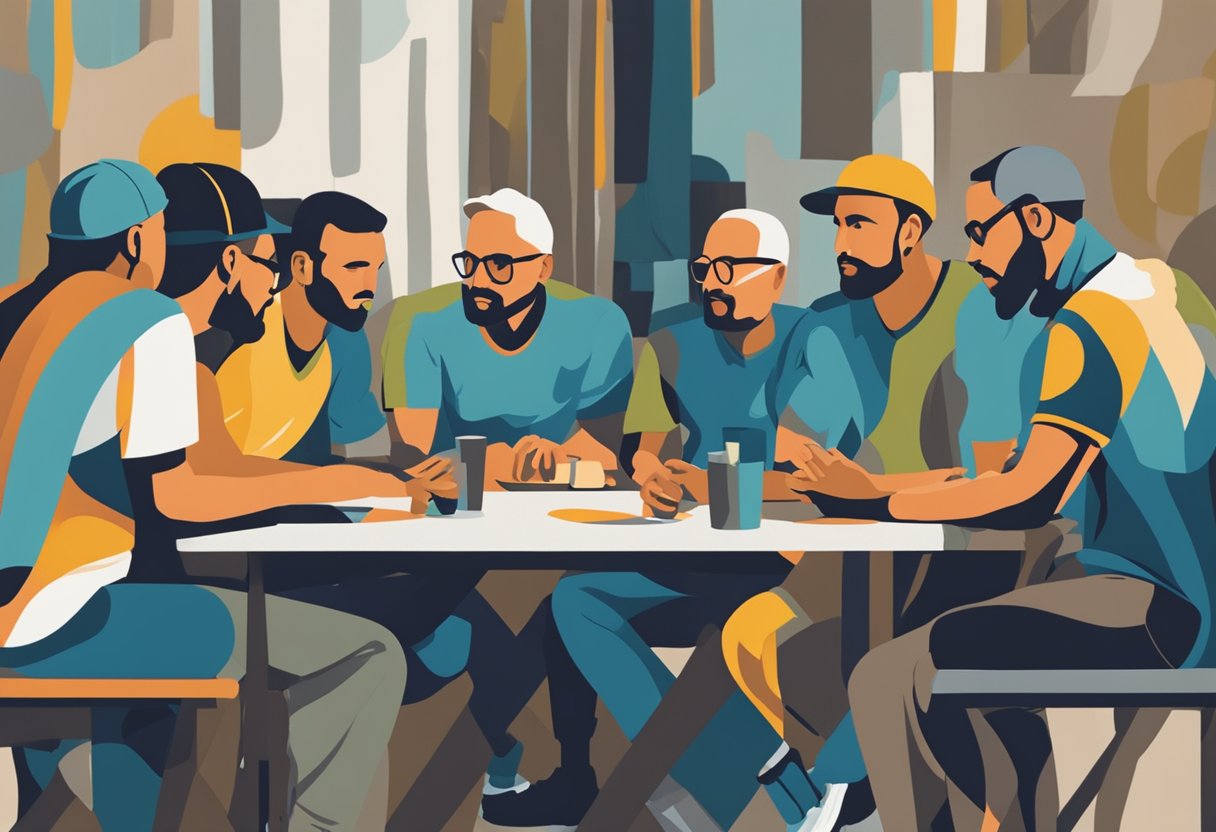
As a cancer warrior, finding reliable information and resources can feel like navigating a maze. I’ve learned to lean on trusted sources and support systems to guide my journey through treatment and beyond.
Educational Materials and Advocacy
I found patient navigators to be invaluable allies in my cancer fight. These professionals connected me with educational materials tailored to my specific needs. They helped me understand complex medical terms and treatment options in simple language.
Support groups became my lifeline. Connecting with other men facing similar challenges gave me strength and practical tips. We shared stories, coping strategies, and even jokes about our experiences.
I discovered advocacy groups that champion men’s cancer issues. These organizations offer webinars, workshops, and online forums. They empower us to become our own best advocates in the healthcare system.
Navigating Healthcare in British Columbia
British Columbia’s healthcare system can be complex, but I found ways to make it work for me. I learned to prepare for appointments by writing down questions and bringing a friend for support.
The BC Cancer Agency became my go-to resource. Their website offers precise info on treatments, clinical trials, and support services. They even have a helpline staffed by caring professionals who answered my most challenging questions.
I took advantage of the counseling services offered through my cancer center. Talking with a therapist helped me process emotions and develop coping skills. It made a world of difference in my mental game during treatment.
Survivor Stories and Insights
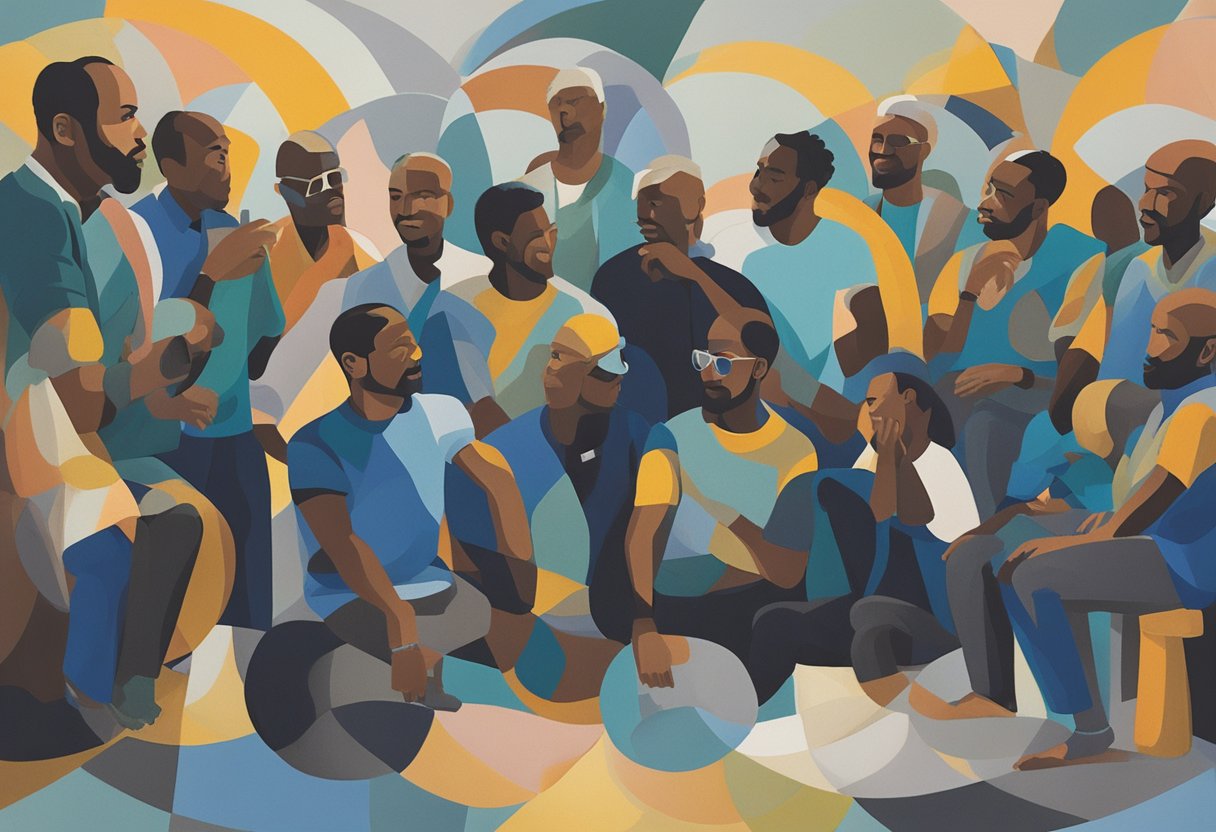
Cancer changes us. As a two-time lymphoma survivor, I’ve learned that sharing our stories and connecting with other men can be powerful medicine. It helps us heal and grow stronger together.
Lessons Learned and Shared Experiences
My cancer journey taught me to face fears head-on. I used to bottle up emotions, but now I’m not afraid to be vulnerable. Talking with other survivors showed me I’m not alone.
We swapped tips on handling treatment side effects and navigating relationships. One guy taught me to reframe challenges as chances to grow, and another reminded me to celebrate small wins.
We push each other to stay active – from gentle walks to pickup basketball games. Exercise boosts our moods and bodies. Humor helps, too. We laugh about the weird things cancer throws our way. It’s like we’re all on the same wacky team.
The Role of ‘Man Up to Cancer’
Man Up to Cancer changed my outlook. This group connects men facing cancer, creating a space where we can be confirmed. There is no need to put on a brave face here.
We talk openly about fears, treatment choices, and life after cancer. Guys share what worked for them – meditation apps and meal prep tricks. We cheer on each other’s progress and offer support on tough days.
The group organizes events like fishing trips and game nights. These outings let us bond and have fun despite cancer, reminding us that we’re more than our diagnosis.
Through Man Up to Cancer, I’ve made lifelong friends. We’re like a team tackling this disease together.
The Debate
Many cancer survivors face a dilemma when it comes to labels. Should we call ourselves warriors, fighters, or something else? As a two-time lymphoma survivor, I’ve grappled with this question.
Some men embrace the warrior mentality. It can provide strength and motivation during treatment, and the idea of “battling” cancer gives a sense of control.
On the flip side, war metaphors can be problematic. They imply that those who die from cancer didn’t “fight” hard enough. This puts unfair pressure on patients.
There’s also debate about the term “survivor.” While it acknowledges the ordeal we’ve been through, some feel it defines us by our illness.
I’ve found that sports analogies often resonate better with men. Cancer can be considered a formidable opponent or a marathon to endure. These metaphors focus on endurance and teamwork rather than combat.
Ultimately, there’s no one-size-fits-all approach. Each man must choose language that feels authentic to his experience. The key is supporting each other, regardless of the terms we use.
Final Thoughts
As a two-time lymphoma survivor, I’ve learned that the people we meet shape our cancer journey. Men facing cancer often struggle to open up, but connecting with others can be a game-changer.
I’ve found strength in sharing my story and listening to others. It’s not always easy, but it’s worth it. Joining a support group or finding a mentor can provide invaluable guidance and camaraderie.
Remember, asking for help isn’t a sign of weakness—it’s a power move. Don’t hesitate to reach out if you need emotional support or practical advice. Your cancer-fighting team can make all the difference.
Try reframing challenges as opportunities for growth. Each setback can teach us something new about ourselves and life. I’ve learned to appreciate the small victories and find joy in unexpected places.
Giving back has been a massive part of my healing process. Volunteering or mentoring other cancer warriors can be incredibly rewarding. It’s like joining a team where everyone has your back.
Stay active and set goals. Whether hitting the gym or planning a hiking trip, having something to work towards can motivate you. Physical activity has been my secret weapon against cancer fatigue.
Your cancer journey is unique, but you’re not alone. Embrace the connections you make- they might become your greatest allies in this fight. -T
Frequently Asked Questions
Cancer warriors face many challenges. These questions address ways to support, inspire, and communicate with men battling cancer. They also explore available resources and meaningful terms for the cancer journey.
What are uplifting ways to speak to someone who has survived cancer?
As a two-time lymphoma survivor, I’ve found that genuine conversations make a big difference. Avoid pity or excessive praise. Instead, ask about their interests or plans.
Acknowledge their strength without dwelling on the past. A simple “I’m glad you’re here” can mean the world.
Share stories of hope or humor. Laughter is a powerful tool. Remember, we’re more than our diagnosis. Talk about sports, hobbies, or current events. These chats help us feel regular and connected.
Can you share some inspirational quotes for males battling cancer?
“Cancer is a word, not a sentence.” This quote reminds us that our diagnosis doesn’t define us. It’s a challenge, not our identity.
“You beat cancer by how you live.” This speaks to the warrior spirit in all of us. Every day we choose to live fully is a victory.
“I am not what happened to me, I am what I choose to become.” This resonates with many cancer fighters. It’s about taking control of our journey.
What kind of support is available for men with colon cancer?
Support groups offer a safe space to share experiences. Many hospitals host these meetings, and online forums connect warriors globally.
Local cancer centers often provide counseling services. They can help with emotional and practical concerns. Some offer financial advice or help with treatment decisions.
Sports-based programs like Livestrong at the YMCA blend fitness with support. These can boost both physical and mental health during recovery.
How should one address individuals who have triumphed over cancer?
Use their name. We’re people first, survivors second.
If they’ve shared their story, it’s okay to say “cancer survivor.” But don’t assume everyone wants this label.
Ask how they prefer to be addressed. Some embrace terms like “warrior” or “thriver.” Others prefer no cancer-related terms at all.
Focus on the present. Instead of “How’s your cancer?” try “How are you doing today?” This shows you care about their whole self.
What do conversations with cancer warriors look like, and how can they be empowered?
Conversations vary widely. Some days, we might want to discuss treatment, while other times, we’d rather discuss the latest game scores.
Empower us by listening without judgment. Let us lead the conversation.
If we discuss cancer, it’s okay to ask questions. If not, follow our lead and offer specific help. Instead of “Let me know if you need anything,” try “Can I mow your lawn this weekend?” Concrete offers are easier to accept.
What terms embody someone’s experience on a cancer journey?
“Warrior” captures the fighting spirit many of us feel. It acknowledges the battle without glorifying it.
“Survivor” resonates with those who’ve completed treatment. It honors the journey we’ve been through.
“Thriver” speaks to living well beyond cancer. It’s about growth and finding a new purpose.
“Navigator” reflects the complex path we travel. It recognizes the skills we develop along the way.
