

Empowerment and Resilience
Setting goals to give back to the community can provide a sense of purpose and fulfillment. Having survived lymphoma cancer twice, I’ve seen firsthand the difference that volunteerism can make. Empowering male cancer thrivers through volunteer support is essential for improving their overall health outcomes and quality of life.
By stepping up as volunteers, we can offer the support and resources necessary for men to survive and thrive.
Men facing cancer often encounter unique challenges. As volunteers, we play a critical role in helping these men navigate their journey. This can include providing transportation through programs like Road to Recovery, connecting them with peer support, or simply offering a listening ear.
We can help build a thriving community where each member feels valued and supported.
Cancer thrivers benefit significantly from a robust support system. By becoming that support, we can ensure they have the physical and emotional resources they need. Our collective effort transforms survivors into thrivers, fostering resilience and a sense of community among those who need it most.
Key Takeaways
- Empowering male cancer thrivers through volunteer support is essential for improving their overall health outcomes and quality of life.
- Men facing cancer often encounter unique challenges that volunteers can help navigate.
- Collective effort transforms survivors into thrivers, fostering resilience and a sense of community.
Understanding Cancer in Men
Cancer in men involves specific types and unique challenges. Awareness and early action are vital to improving outcomes.
Prevalence and Types
Cancer commonly found in men includes prostate cancer, colorectal cancer, and various blood cancers such as lymphoma. Prostate cancer is the most common, with about 1 in 8 men likely to be diagnosed during their lifetime.
Colorectal cancer ranks high as well. Blood cancers, including lymphoma, present different challenges and require specific awareness and treatment approaches.
Men facing a cancer diagnosis often need to be proactive, seeking timely medical advice and understanding their risk factors.
The Importance of Early Screening
Early screening plays a vital role in catching cancers before they spread. Regular screenings for prostate cancer can detect issues early.
For colorectal cancer, screenings like colonoscopies can identify precancerous polyps. Blood tests and other diagnostic tools help in the early detection of blood cancers such as lymphoma.
Understanding these screening processes and staying attentive to our health can significantly improve survival rates and quality of life.
The Volunteer’s Role in Cancer Support

Volunteers in cancer care play vital roles in providing emotional support and educational outreach to those in need. They make a significant impact by offering companionship and sharing valuable information.
Providing Emotional Support
Volunteers provide a safe space for cancer patients to express their feelings and fears. They often become trusted confidants, offering a listening ear and empathetic conversation.
This support can help reduce feelings of isolation and loneliness. For many men, it becomes a vital link to a community that understands their journey.
Trained volunteers bring empathy to their roles, especially those facing cancer. Their presence can make a world of difference.
The shared experience uniquely fosters connection and mutual understanding, which is essential for emotional healing. They offer reassurance and can help navigate the often overwhelming emotional landscape of cancer care.
The emotional bond built with volunteers can help patients feel more at ease, aiding their overall well-being. Having someone who listens without judgment provides a much-needed outlet for many men dealing with cancer challenges.
Educational Outreach
Educational outreach by volunteers helps men with cancer become better informed about their condition and treatment options.
They distribute valuable resources and provide information tailored to individual needs.
This proactive approach aids in reducing confusion and anxiety often associated with cancer diagnoses.
These efforts include workshops and seminars where patients learn about the latest research, treatment methodologies, and self-care techniques.
Volunteers also help clarify complex medical terms and processes, making them more accessible and understandable.
Volunteers often collaborate with healthcare professionals to ensure that the information provided is accurate and current. This collaboration is key to delivering effective educational support.
Volunteers create an informed and resilient patient community by dedicating time and effort to these educational initiatives. This support reduces uncertainty and builds confidence in navigating cancer treatment and survivorship.
Empowerment Through Volunteerism
Empowerment through volunteerism can give male cancer thrivers the feeling of purpose and boost their self-esteem. It helps us build resilience and maintain a positive outlook on life.
Building Strength and Self-Efficacy
We can gain strength and self-efficacy by dedicating our time to helping others.
Volunteering allows us to set and achieve goals, which fosters a sense of accomplishment. Engaging in community service inspires hope and reinforces the belief that we can make a positive impact.
For men who have survived cancer, this can be especially powerful.
Completing tasks and seeing the results of our efforts can rebuild our confidence. As we support others, we remind ourselves of our journeys and triumphs, reinforcing our sense of determination and self-worth.
Encouraging Positive Mental Health
Volunteering positively influences our mental health.
It provides a social outlet to connect with others who understand our experiences. These connections can alleviate feelings of isolation and foster a sense of belonging.
Engaging with our community and hearing stories of hope and resilience can uplift our spirits.
Being active in volunteer work keeps our minds occupied and focused on positive activities.
Instead of dwelling on our struggles, we channel our energy into helping others.
This shift in focus can reduce stress and anxiety, promoting a more positive mental state. Giving back instills a sense of purpose, making us feel valued and appreciated.
Comprehensive Support for Male Cancer Survivors
Male cancer survivors face unique challenges, including navigating post-treatment life and enhancing their quality of life. By addressing these aspects, we can provide tailored support to help men thrive after their cancer journey.
Navigating Post-Treatment Life
Adjusting to life after cancer treatment involves both practical and emotional challenges.
Many men struggle to return to their pre-diagnosis routines. Financial pressures, lingering physical effects, and emotional hurdles like anxiety or depression are common.
Healthcare providers can offer services to help navigate these challenges. Organizations like the American Cancer Society have survivor care guidelines.
Peer support groups are also vital. Connecting with other survivors provides a sense of camaraderie and shared understanding.
Education on health maintenance is crucial.
Regular check-ups, a balanced diet, and exercise can help manage long-term effects. Access to physical therapy and counseling services ensures comprehensive recovery support.
Enhancing Quality of Life
Improving the quality of life for male cancer survivors means addressing physical, emotional, and social wellbeing. It’s about thriving, not just surviving.
Engaging in regular physical activities can boost energy levels and mental health.
Social connections are also key.
Many survivors benefit from joining clubs, volunteering, or reconnecting with old friends. These activities can reduce feelings of isolation.
Supportive care services aim to address these needs.
For instance, the National Cancer Institute focuses on creating supportive environments for survivors.
Emotional support through counseling and support groups helps people cope with post-treatment life.
Creating a Thriving Community
Creating a thriving community requires fostering social connectedness and organizing events focusing on fun, gratitude, and shared experiences. These aspects help to build strong bonds and offer a sense of belonging.
Fostering Social Connectedness
Social connectedness is vital for community well-being. We can start by creating support groups where men can share their cancer experiences. These groups help us laugh, understand each other’s perspectives, and express gratitude for our journeys.
Volunteer roles such as Hope Lodge Guest Services Volunteer support those in need and foster strong connections. These roles benefit everyone involved by enabling meaningful interactions and building lasting friendships.
Regular meetings and casual get-togethers encourage a supportive environment where everyone feels valued.
Online forums and social media groups also serve as platforms for sharing experiences and offering advice, keeping the community engaged beyond physical meetups.
Organizing Community Events
Community events bring us together and create a sense of unity.
Events like charity runs, sports tournaments, and local clean-ups are great for participation and engagement.
Relay for Life is a notable example of volunteers coming together for a common cause, promoting camaraderie and a shared mission. Organizing fun activities like game nights or picnics can also bring a sense of joy and fun.
Engaging local businesses and public figures in these events adds visibility and impact. Their involvement can inspire more people to join and contribute, enhancing the sense of community and shared purpose.
Health Outcomes and Volunteer Impact
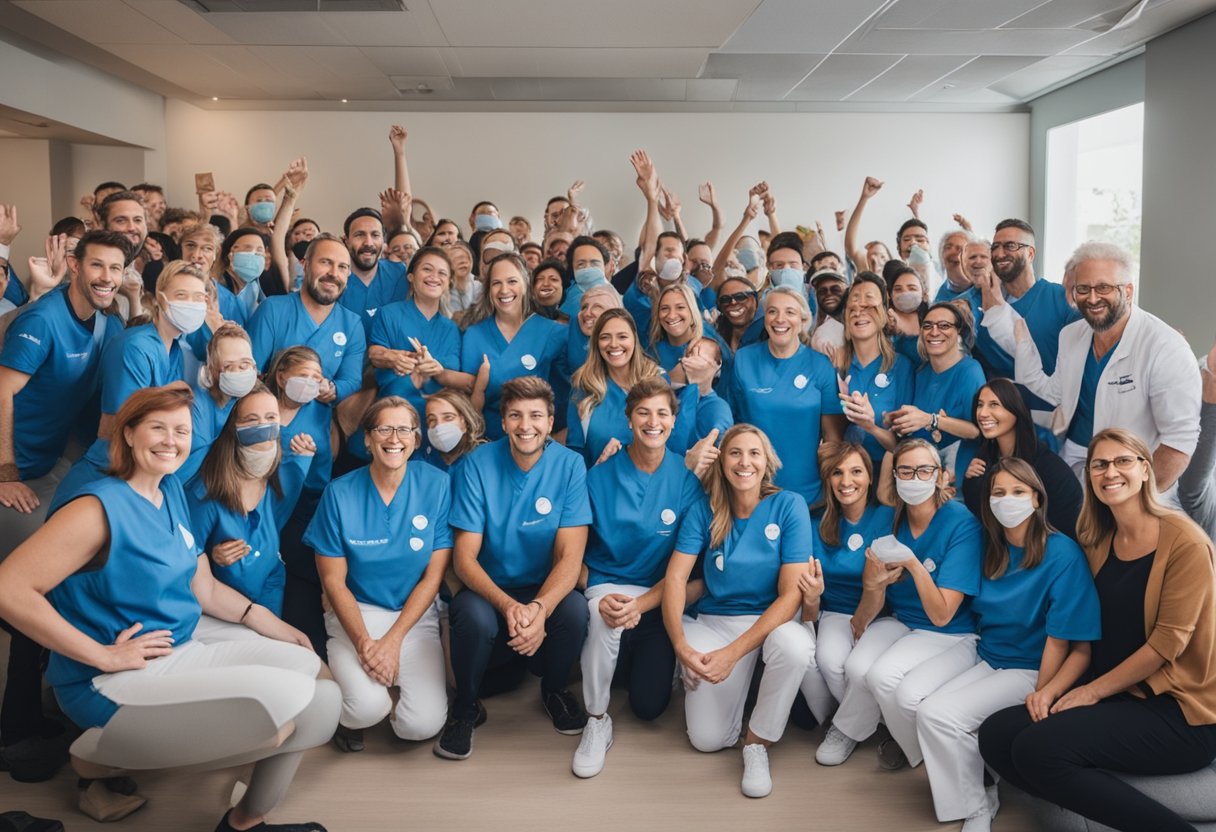
Volunteering can significantly improve the health and well-being of cancer survivors. Research highlights how volunteering can enhance life satisfaction, mental health, and physical well-being.
Research on Volunteerism and Cancer Care
Many studies show that volunteering has positive effects on cancer survivors.
We find evidence that volunteer activities can boost mood, reduce depressive symptoms, and enhance life satisfaction.
For example, volunteering can offer a sense of purpose that is crucial for mental health.
Volunteers often experience better mental and physical health, contributing to improved well-being overall.
Research also shows that offering support to other cancer patients helps the giver and the recipient.
Male cancer survivors benefit from creating a sense of community. By sharing experiences and providing help, they foster emotional bonding and lessen their psychological distress.
Volunteering can become a healing journey for both sides, offering mutual benefits that strengthen mental and emotional resilience.
Improving Survivorship Through Support
Support systems in volunteer work play a pivotal role in enhancing the quality of life for cancer survivors.
We notice a significant mental health boost when we participate in such activities.
Volunteering offers emotional support and motivation, vital in navigating post-treatment life.
Helping other cancer patients can lower stress levels and better health outcomes.
In addition, engaging in unpaid volunteer interventions with elderly cancer survivors has shown positive results.
Narratives and shared experiences promote a deeper sense of well-being among participants.
Our involvement in these volunteer programs can make substantial differences.
For instance, men who volunteer often find strength and camaraderie, directly impacting their recovery and survivorship.
We see from research that volunteering not only aids those in need but also provides meaningful benefits to the volunteers. These activities enhance our sense of purpose and fulfillment, leading to healthier, happier lives.
Resources and Tools for Starting Your Journey
Setting goals to give back to the community can provide a sense of purpose and fulfillment. For men battling cancer, having the right resources and tools can make a huge difference.
Volunteer Registration and Training
Registering to volunteer is the first step.
Organizations like the American Cancer Society’s Relay For Life offer various volunteer opportunities.
We can start by filling out a simple online form that asks for basic information.
Training is usually provided to ensure we are well-prepared.
They offer digital classes, webinars, and in-person sessions.
We can learn how to provide emotional support, fundraise efficiently, and help organize events.
It’s essential to complete all required training to be fully equipped to make a meaningful impact.
Additionally, they may provide us with guides and tools to track our progress and plan our activities.
Support and Resources for Cancer Thrivers
Support for cancer thrivers is multifaceted.
Volunteering is one form of support that benefits our mental and physical health.
According to the American Cancer Society, studies show that volunteering can lead to a longer life and reduced risks of depression and heart disease.
We can also look into specialized resources like the book Be a Cancer Thriver.
This book offers faith-based practices, prayer, and meditation to navigate emotional turmoil.
Support groups, both online and offline, offer a community of individuals who share similar experiences. These groups provide emotional support, coping strategies, and practical advice, ensuring we don’t feel alone.
These tools and resources can help us navigate our journey with strength and hope.
Final Thoughts
Giving back to our community has been a journey of hope and resilience. Setting objectives in volunteerism offers a rewarding sense of purpose.
As male cancer thrivers, our experiences shape our unique perspectives. Having survived lymphoma cancer twice, I understand the challenges we face. Together, we can turn these challenges into victories.
Engaging in volunteer work provides a way to connect with others. It’s not just about helping; it’s about building relationships with those who understand our journey. By sharing our stories and support, we create a community of strength.
Here are some ways we can contribute:
- Hosting Support Groups: Create spaces where men can share their experiences.
- Awareness Campaigns: Educate others about lymphoma and early detection.
- Fundraising Events: Organize sports activities like marathons or soccer matches to raise funds for cancer research.
Volunteering also boosts our mental health. Knowing that our efforts make a difference gives us a sense of achievement. As we help others, we find our healing.
Our journey as cancer thrivers defines who we are. By focusing on giving back, we transform pain into purpose. Volunteering allows us to be there for each other in meaningful ways.
Let’s use our experiences to inspire and support each other. Our strength lies in our unity and commitment to making a difference.
Together, we’ll continue to thrive and bring hope to those facing similar battles.
Frequently Asked Questions
Setting goals to give back to the community can provide a sense of purpose and fulfillment. Our personal experiences can guide and support men coping with cancer.
How can volunteering support males coping with cancer?
Volunteering offers a chance to focus on others rather than our struggles. Connecting with individuals who share similar experiences creates a healing and uplifting bond. Helping others can bring a sense of normalcy and hope.
What are effective ways to encourage a thriving mindset in cancer survivors?
Encouragement through realistic goals, celebrating small victories, and finding meaning in daily activities is key. We should focus on strength and resilience. Surrounding ourselves with positivity and supportive influences is essential.
What language can be used to empower men battling cancer?
Using affirming, clear, and uplifting phrases can boost morale. Terms like “warrior,” “fighter,” and “resilient” resonate well. It’s vital to focus on capability and potential rather than limitations imposed by the illness.
Why is community involvement crucial for male cancer survivors’ wellbeing?
Community involvement fosters connections that combat isolation. By participating in shared activities, we build supportive networks that provide emotional and practical support. Volunteering helps us see beyond our circumstances and contribute meaningfully.
How do support networks contribute to the longevity of cancer patients?
Support networks provide emotional support, practical assistance, and shared resources. We benefit from the experiences of others while offering our insights. Cooperation and encouragement within these networks enhance our quality of life and coping mechanisms.
What are the best practices for setting volunteerism goals in cancer care communities?
Setting clear, achievable goals is vital. We can focus on local needs. We can also match our skills with community requirements.
Regular reflection on progress and adapting to feedback ensures our volunteering remains effective and fulfilling.
