

A Cancer Thriver’s Guide to Emotional Resilience
A cancer diagnosis can turn a man’s world upside down. It affects relationships, self-image, and plans. Many guys face tough choices and feel alone.
The good news is that men can thrive after cancer with the right tools and support.

Dealing with cancer as a man brings unique challenges. Guys often feel pressure to stay strong and hide emotions. This can strain connections with loved ones.
Opening up can lead to deeper bonds and better coping.
Cancer changes how men see themselves. It may impact work, hobbies, and romance. Learning to accept a new normal takes time.
With patience and care, men can find renewed purpose and joy as cancer survivors.
Key Takeaways
- Cancer impacts a man’s identity and relationships
- Open communication helps strengthen connections during treatment
- Men can find new purpose and thrive after cancer with support
Understanding the Male Cancer Experience

Cancer impacts men physically and emotionally. The journey brings unique challenges, especially for those facing testicular or ovarian cancer.
Physical and Emotional Challenges
Men with cancer face tough physical changes. Treatment side effects can include fatigue, pain, and hair loss. These changes affect self-image and confidence.
Emotionally, cancer survivors may feel anxious or depressed. Fear of recurrence lingers. Some struggle with identity as a “patient” or “survivor.”
Relationships can strain under the pressure. Men might feel less masculine or worry about being a burden.
Open communication with partners helps. Support groups offer a place to share experiences.
Exercise is vital for recovery. Even light activity boosts mood and energy, and team sports provide camaraderie and motivation.
The Specifics of Ovarian and Testicular Cancer
Testicular cancer mainly affects younger men. Treatment often includes surgery and chemotherapy. Fertility concerns arise, as does anxiety about sexual function.
While rare in men, ovarian cancer can occur in those with certain genetic conditions. Symptoms may be vague, leading to delayed diagnosis.
Both cancers can impact hormone levels. This may cause mood swings, hot flashes, or changes in sex drive. Doctors can offer treatments to manage these effects.
Cancer survivors face unique dating challenges. Disclosing their health history to new partners takes courage. Building trust and intimacy may take time.
Creating Emotional Support Networks
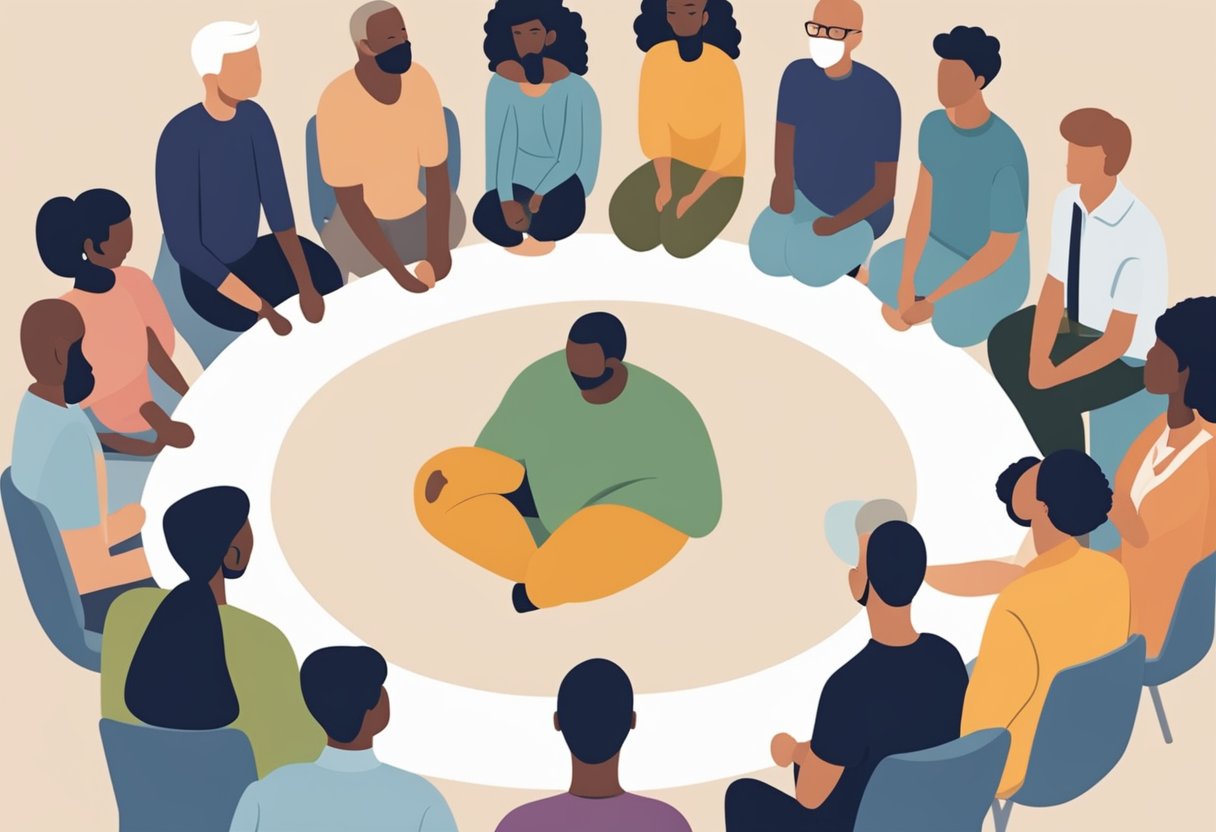
Building solid connections helps men with cancer navigate their journey. These networks provide comfort, understanding, and strength during tough times.
Importance of Support Groups
Support groups offer a safe space for men to share experiences and emotions. These gatherings connect cancer fighters with others who truly understand their struggles, and men can find comfort in knowing they’re not alone.
Cancer support groups provide:
- Shared coping strategies
- Practical advice on managing side effects
- Emotional relief through open discussions
Many hospitals and community centers host these groups. Online forums also offer support for those unable to attend in person. Joining a group can boost confidence and reduce feelings of isolation.
Cultivating Emotional Intimacy
Emotional intimacy with partners and loved ones is crucial for men facing cancer. Open communication strengthens bonds and creates a support system at home.
Tips for building emotional connections:
- Express feelings honestly
- Listen actively without judgment
- Share fears and hopes
- Engage in activities together
Emotional support from loved ones can improve the quality of life during treatment. It helps reduce stress and anxiety. Men who nurture these connections often find renewed strength to face challenges.
Sharing vulnerabilities may feel uncomfortable at first. With practice, it becomes easier and more natural. This openness can lead to deeper, more fulfilling relationships.
The Journey to Emotional Well-Being

Emotional well-being plays a crucial role in a man’s cancer journey. Cultivating resilience and developing effective coping strategies can transform the experience.
Fostering Resilience and Perspective
Cancer survivors can build resilience by viewing challenges as opportunities for growth. This mindset shift helps men face setbacks with determination.
Practicing gratitude daily, even for small things, can boost emotional strength.
Connecting with other survivors provides valuable perspective. Support groups offer a chance to share experiences and learn from others who’ve walked a similar path. Emotional health consequences of cancer can be significant, but resilience helps mitigate these effects.
Physical activity, like team sports, can improve mood and outlook. Regular exercise releases endorphins, promoting a positive mindset. Trying new hobbies or rekindling old passions fosters resilience by creating joy and purpose.
Developing Coping Strategies
Effective coping strategies are essential for navigating the ups and downs of cancer treatment and recovery. Coping refers to attitudes and behaviors that maintain emotional well-being during stressful times.
Mindfulness and meditation can help manage anxiety and stress. These practices allow men to stay present and reduce worry about the future. Deep breathing exercises provide quick relief in moments of tension.
Journaling offers a private outlet for processing emotions. Writing about fears, hopes, and daily experiences can be therapeutic. Setting small, achievable goals gives a sense of control and accomplishment.
Seeking professional support, such as counseling, can provide tailored strategies. Therapists specializing in cancer care understand the unique challenges men face. They can teach coping skills specific to each individual’s needs.
Communicating with Loved Ones
Cancer changes relationships. Open talks and body cues help couples stay close. Facial expressions and gestures can speak volumes when words fail.
Understanding Body Language
Body language plays a crucial role in communication for cancer survivors. Crossed arms might show discomfort while leaning in can mean interest. Survivors can learn to read their partner’s stance and movements, which helps them pick up on unspoken needs or concerns.
Touch can be a powerful tool. A gentle hand on the shoulder or a hug can offer comfort without words. Survivors should pay attention to how their loved ones respond to touch. Some may crave it, while others might need space.
Eye contact is crucial. It shows engagement and care. But cancer can make some people avoid eye contact due to fear or shame. Gentle encouragement to look at each other can rebuild trust.
Significance of Facial Expressions
Facial expressions reveal emotions that words might hide. A furrowed brow could mean worry, while a slight smile might show relief. Cancer survivors can become experts at reading these subtle signs.
Learning to spot micro-expressions helps catch fleeting feelings. These quick flashes of emotion on the face can give clues about a loved one’s actual state of mind. Survivors can use this knowledge to offer timely support.
Mirroring facial expressions can build rapport. When a survivor matches their partner’s expression, it shows empathy and understanding. This technique can help loved ones feel heard and validated.
Survivors should also be aware of their expressions. A neutral face might be misread as anger or indifference. Practicing open and warm expressions can help keep communication channels clear.
Nurturing Gratitude and Strength in Adversity
Gratitude and strength can help cancer survivors face challenges. These qualities build resilience and improve well-being during tough times.
The Power of Gratitude
Gratitude boosts mental health for male cancer survivors. It shifts focus from hardships to positive aspects of life.
Men can practice gratitude by keeping a journal. Writing down three good things each day builds a positive mindset.
Expressing thanks to others strengthens relationships. This support network becomes crucial during cancer treatment and recovery.
Gratitude helps put setbacks in perspective. It reminds survivors of their progress and small victories along the way.
Mindfulness meditation enhances gratitude. Taking time to appreciate the present moment reduces stress and anxiety.
Resilience grows through gratitude. It helps men bounce back from treatment side effects and emotional lows.
Grateful survivors often find a new purpose. They may mentor others or volunteer, adding meaning to their lives.
Incorporating Healthy Living Practices
Healthy habits play a crucial role in cancer recovery and long-term wellness. A balanced approach to diet and exercise can boost energy, strength, and resilience for male cancer thrivers.
Diet and Exercise for Cancer Thrivers
A nutritious diet fuels the body’s healing processes. Male cancer thrivers benefit from eating plenty of fruits, vegetables, whole grains, and lean proteins. Lifestyle interventions like diet and physical activity show promise for cancer survivors.
Hydration is crucial. Aim for 8-10 glasses of water daily. Limit alcohol and avoid processed foods high in sugar and unhealthy fats.
Exercise builds strength and boosts mood. Start with gentle activities like walking or swimming. Gradually increase intensity as strength improves. Aim for 150 minutes of moderate exercise per week.
Strength training helps maintain muscle mass. Use light weights or resistance bands 2-3 times weekly. Focus on major muscle groups.
Team sports offer physical and social benefits. Join a cancer survivor sports league or casual game nights with friends.
Rest and recovery are essential. Listen to your body and take breaks when needed. Quality sleep supports healing and mental well-being.
Planning for the Future as a Cancer Thriver
Life after cancer treatment brings new challenges and opportunities. Cancer survivors must adapt to a new normal while staying vigilant about their health and well-being.
Long-Term Health Management
Cancer thrivers need to create a roadmap for ongoing care. Regular check-ups and screenings help detect any potential issues early.
Men should discuss their follow-up care plan with their medical team.
A healthy lifestyle plays a crucial role in recovery. Exercise and proper nutrition boost physical and emotional well-being.
Many survivors find that joining a sports team or fitness class provides motivation and social support.
Emotional health deserves attention, too. Talking with a therapist or joining a support group can help process feelings and fears.
Some men prefer one-on-one counseling, while others thrive in group settings.
Fear of recurrence is common among cancer survivors. Learning coping strategies, such as mindfulness or journaling, can help manage anxiety.
Focusing on the present moment and setting achievable goals keeps the mind engaged and positive.
Career planning may need adjustments. Some men choose to switch to less stressful roles or pursue new passions.
Others use their experience to mentor fellow cancer patients or advocate for better care. -T
Frequently Asked Questions
Couples facing cancer often have questions about maintaining relationships, providing support, and coping with changes. These FAQs address common concerns for male cancer thrivers and their partners.
How can you maintain a healthy relationship when your partner has been diagnosed with cancer?
Open communication forms the foundation of a strong relationship during cancer. Couples should share feelings, fears, and needs honestly.
Setting aside time for non-cancer activities helps maintain normalcy. Seeking counseling or support groups can provide additional tools for navigating challenges together.
What are the best ways to support a male partner during cancer treatment and recovery?
Offering practical help with daily tasks eases stress for men undergoing treatment. Attending appointments and taking notes shows commitment.
Encouraging physical activity when appropriate promotes well-being. Listening without judgment allows men to express emotions on their terms.
What are some effective strategies for dealing with feelings of isolation when your spouse is battling cancer?
Joining support groups connects people facing similar challenges. Maintaining friendships and hobbies provides emotional outlets.
Volunteering or engaging in community activities combats loneliness. Practicing self-care through exercise or meditation nurtures mental health.
How can couples navigate changes in intimacy and sexual health during and after cancer treatments?
Open dialogue about physical and emotional needs fosters understanding. Exploring non-sexual forms of intimacy maintains connection.
Consulting with healthcare providers addresses specific concerns. Patience and creativity help couples adapt to new realities in their intimate life.
What resources are available for those seeking to date as a cancer survivor or thriver?
Cancer-specific dating websites offer platforms for connecting with others who understand the journey. Support groups provide opportunities to meet people with shared experiences.
Books and online forums offer advice on navigating dating post-cancer.
How does cancer impact the likelihood of divorce or separation, and what can couples do to strengthen their bond?
Studies show mixed results on cancer’s effect on divorce rates.
Couples can strengthen bonds by prioritizing quality time together. Engaging in shared activities builds positive experiences.
Seeking relationship counseling addresses issues proactively. Celebrating milestones and progress reinforces team spirit when facing challenges.
