

Nurturing Support Networks for Healing

Facing cancer is a formidable challenge that touches every aspect of an individual’s life. The term “cancer thriver” suggests more than just surviving; it emphasizes thriving despite the diagnosis. It’s a powerful, affirmative stance that embodies the continuation of life and the quality of that life post-diagnosis.
Thriving is about harnessing a positive mindset, focusing on wellness, and finding daily joy. This approach often relies on the strength drawn from a community of support. Connecting with others who share a similar journey can provide invaluable resources, comfort, and encouragement.
Community plays a pivotal role in transforming the cancer journey into one of thriving. It reflects our human need for connection and understanding. Men who face this journey do not have to walk alone; the community offers a platform to share experiences, victories, and challenges.
Through this collective strength, a support system emerges that promotes healing, offers insights, and extends a helping hand. Digital bridges in today’s world foster these connections, ensuring that no one is isolated. Information empowers thrivers to make knowledgeable decisions about their health and well-being, ensuring they are equipped for the path ahead.
Key Takeaways
- Thriving with cancer involves more than survival, focusing on quality of life and a positive mindset.
- Community support is critical to the cancer journey, providing resources and comfort.
- Digital platforms facilitate connection and information sharing, empowering individuals facing cancer.
Understanding Cancer

To comprehensively address cancer, one must consider the biological basics, identify risk factors, and know the various signs and symptoms.
Cancer Basics
Cancer represents a group of diseases characterized by abnormal cell growth with the potential to invade or spread to other parts of the body. These cells can form tumors, which are masses of tissue. Not all tumors are cancerous; benign tumors do not spread to other body parts. Malignant tumors, however, can spread and are more serious.
Risk Factors
Several factors increase the likelihood of developing cancer, including genetics, exposure to certain chemicals, and lifestyle choices. For men, risk factors such as tobacco use, high alcohol consumption, extensive sun exposure, and obesity significantly contribute to their probability of developing the disease. Building a peer network can provide vital support in recognizing and mitigating such risks.
Signs and Symptoms
Early detection of cancer significantly improves the chances of successful treatment. Common signs and symptoms include unexplained weight loss, persistent fatigue, and new lumps or swelling. For men, it is paramount to pay attention to changes in the prostate or testicles and to schedule regular health screenings. A community of survivors can offer guidance on navigating diagnosis and understanding these critical signs.
The Cancer Journey
Embarking on the cancer journey marks the start of a challenging chapter in life, demanding resilience and a comprehensive understanding of the continuum from diagnosis to navigating the healthcare system.
Diagnosis
The overwhelming moment when someone hears “You have cancer” marks the beginning of a life-altering journey. Lymphoma, a cancer originating in the immune system, requires a meticulous diagnostic process. Healthcare providers often employ a combination of biopsies, imaging tests, and bloodwork to confirm the presence of cancerous cells.
Treatment Options
With the diagnosis confirmed, exploring treatment options becomes the focal point. For those battling lymphoma, choices may include chemotherapy, radiation therapy, stem cell transplantation, or targeted therapies. Healthcare providers tailor treatments based on the cancer’s type and stage, striving to offer a regimen that maximizes effectiveness while considering the patient’s overall health and personal circumstances.
Navigating the Healthcare System
Navigating the healthcare system can be just as complex as the treatment itself. Patients must often coordinate between specialists, such as oncologists, radiologists, and supportive care teams. Understanding insurance coverage and securing appointments demands patience and, often, the assistance of patient advocates.
Through it all, building a network of support — from fellow survivors to cancer support groups — becomes a vital source of strength and information for men confronting their cancer journey.
Thriving with Cancer
Transitioning from cancer survivor to thriver encompasses embracing life post-diagnosis with a proactive spirit, finding joy and fulfillment despite the challenges.
Cancer Thrivers’ Experiences
Cancer thrivers often highlight the profound impact a network of fellow survivors has on their journey. John, a two-time lymphoma survivor, becomes a beacon of hope for other men facing this arduous path. His story is a testament to the resilience embedded in the thriver mentality.
John’s narrative shows that it’s about prolonging life and enriching it with meaningful connections validating shared experiences. These survivors draw strength from one another, transforming their cancer experience into a source of mutual empowerment.
Personal Growth
Exclusive to the path of a thriver is the personal growth often reported by individuals who have faced cancer diagnoses. Not content with survival, thrivers like Sarah channel their energy into activities that foster well-being. Sarah finds solace in sports, making her experience a catalyst for a healthier lifestyle. This proactive approach manifests not only in physical health but also in a strengthened mindset.
Sarah’s journey with cancer becomes a pivot point, prompting her to prioritize what gives life meaning beyond her diagnosis. This epitomizes the essence of personal growth through adversity.
Cancer and Mental Health
The journey through cancer encompasses more than just physical trials; it profoundly affects an individual’s mental and emotional wellness, requiring strategies for effective coping and support.
Coping with Emotional Toll
When one endures cancer, the emotional burden can be overwhelming. They may encounter a range of emotions, from fear to relief, as they navigate through the diagnosis, treatment, and post-treatment phases. Individuals must seek an emotional support system, including family, friends, or support groups.
For many men who have faced lymphoma, the idea of resilience weaves into their narrative, transforming their experiences into a beacon for others. They should develop a routine that promotes stability and find joy in activities they love, including sports, to maintain a balance.
Dealing with Anxiety and Depression
Anxiety and depression commonly manifest in those contending with cancer, presenting obstacles that can hinder recovery and quality of life. Methods such as therapy, medication, or a combination of both, under a professional’s guidance, can assist in managing these conditions. Therapeutic approaches, particularly those that incorporate group settings, allow individuals to express their concerns alongside peers who empathize with their struggles.
Tailored interventions, such as mindfulness practices on and off the field, can help alleviate symptoms, empowering men to regain control over their mental state. Additionally, community sports events can elevate mood and foster a sense of community and purpose.
Experiencing cancer, not once but twice, has a silver lining—it equips survivors with profound empathy and insight, enabling them to guide fellow survivors through the labyrinth of mental health challenges. Sharing their stories catalyzes healing, a convergence of triumph and vulnerability.
Community Support Systems

Community support systems are pivotal for individuals contending with cancer. They can enhance quality of life through emotional reinforcement and practical assistance.
Support Groups and Programs
Individuals facing similar challenges come together in support groups to exchange stories, advice, and motivation. Support Programs often provide tailored solutions such as educational materials, counseling services, and social activities. For men overcoming lymphoma, these groups are a space to find encouragement and share experiences that resonate with their unique journey.
- Peer Networks: Facilitate interaction with fellow survivors.
- Educational Workshops: Equip members with knowledge on coping strategies and wellness.
Caregivers and Advocacy
Caregivers shoulder a significant role in sustaining the well-being of those with cancer. They collaborate with health professionals to manage treatment plans and daily care routines. Advocacy efforts drive awareness and push for cancer support and research advancements – a beacon of hope for the cancer community and a powerful ally in enacting change.
- Caregiver Assistance: Training and resources to support the caregiver’s responsibilities.
- Advocacy Initiatives: Campaigns that work on behalf of the cancer community to promote policies that improve care and funding for research.
Digital Connection

In today’s age, individuals coping with cancer find solace and strength through digital connections. They forge bonds with peers, exchange knowledge, and participate in healing activities facilitated by online platforms and mobile technology.
Online Communities and Social Media
Online communities serve as lifelines for countless individuals facing cancer. They find others who truly understand their challenges and triumphs on these platforms. Social media, particularly Twitter, allows for real-time interactions and support, creating an extended family that transcends physical boundaries. A survived lymphoma case stands testament to the power of such networks, where men battling cancer can share their fears and victories, gleaning insights from those who walked similar paths.
Research such as “Navigating cancer using online communities” illustrates the profound impact of these digital gatherings on their members, often cementing lasting connections based on shared experiences.
Mobile Apps and Virtual Programs
Mobile apps and virtual programs offer personalized tools that empower cancer survivors with education, management of their condition, and ways to stay connected. A two-time lymphoma survivor may recommend apps that track symptoms, manage medication schedules, and provide access to virtual support groups, emphasizing the collective journey toward healing.
Collaboration with initiatives like the Bay Area Cancer Connections Spectrum Community Engagement demonstrates the possibilities when virtual engagements meet tangible support, offering a beacon of hope and camaraderie for those in their fight against cancer.
Empowerment through Information
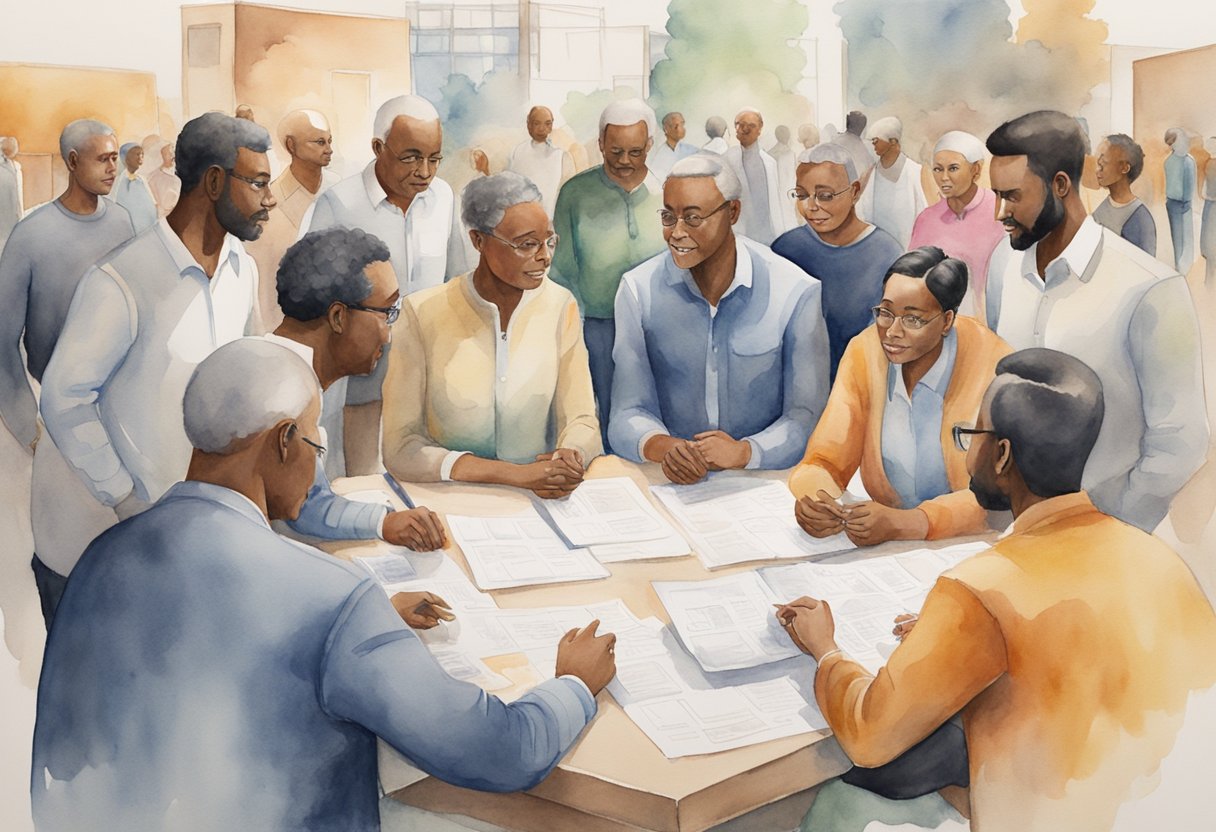
As cancer thrivers navigate their journeys, information is key to unlocking personal empowerment. Understanding the disease, the treatment options and ways to connect with others can drastically shift a cancer driver’s experience from one of isolation to one of community strength and self-advocacy.
Educational Resources
Cancer thrivers benefit greatly from credible educational resources. The National Cancer Institute offers a wealth of data on different types of cancer, treatments, and research advancements. The American Society of Clinical Oncology (ASCO) also provides up-to-date guides and articles that explain complex medical terminology more easily. These resources enable thrivers to make informed decisions about their health and treatment plans.
- National Cancer Institute: Access comprehensive materials on cancer types and treatments.
- ASCO: Find guides that demystify the medical aspects of cancer care.
Access to Professional Guidance
Alongside educational materials, direct access to professional guidance is crucial. Oncologists and cancer care specialists offer tailored advice that addresses the unique situations male thrivers face. These personalized interactions give them the clarity needed to navigate their paths. Communication with healthcare providers allows them to understand their prognosis, explore treatment options, and learn about symptom management.
- Direct Consultations: Meet with oncologists to receive personalized care tailored to individual health situations.
- Support Groups: Join groups facilitated by cancer care professionals to discuss experiences and gain insights into managing cancer as a male thriver.
Through these resources and support systems, cancer thrivers are equipped with the knowledge they need to take control of their health, forming a resilient community that shares wisdom and strength in the face of adversity.
Final Thoughts…
It is essential for those who have faced lymphoma to embrace a community-centered approach to healing. A robust network—a fellowship of individuals who have walked similar paths—can serve as both a sounding board and a beacon of collective resilience.
For men navigating the aftermath of cancer, such connections are not just helpful; they empower and revitalize one’s spirit. Through twice overcoming lymphoma, they learned the strength of shared wisdom and unwavering support. By leaning on and learning from their peers, they found that recovery transcends the physical; it nurtures the soul.
Community Bond
- Engage with peers to share strategies for navigating post-cancer life.
- Discover sports that facilitate physical healing and camaraderie.
- Offer insights from personal victories to lift others in their journey.
They stand as a testament to the courage and tenacity that the community fosters. Men who face this challenge can take comfort in knowing there is a lifeline and a vibrant support matrix ready to uphold them through every twist and turn.
Let this shared narrative remind every thriver that they are not alone. In unity, there is an unspoken strength, a common thread of determination that knits the fabric of their community ever tighter. Thus, they move forward, not just as survivors but as an indomitable force, enriched and propelled by the connections that brought them solace, encouragement, and a renewed zest for life. -T
Frequently Asked Questions
In this section, we’ll explore some of the most pressing queries that concern those navigating life beyond cancer diagnosis and treatment.
What distinguishes a cancer survivor from a cancer thriver?
A cancer survivor generally refers to anyone who remains alive after being diagnosed with cancer. In contrast, a cancer thriver often describes an individual who not only survives cancer but also leads a life full of empowerment and active engagement post-treatment. Thrivers typically seek to maximize their quality of life and may involve themselves in support networks that inspire and foster resilience.
What record is there for the longest cancer survival?
Records for cancer survival can vary widely depending on the type of cancer and individual circumstances. There are inspiring accounts of individuals living many years past their initial diagnoses, though specific figures change over time as medical advancements continue.
How is the term ‘cancer survivor’ defined, and when does one qualify?
The term ‘cancer survivor’ is defined as any individual living with a history of cancer—from the moment of diagnosis through the remainder of life. One qualifies as a survivor from the point of diagnosis, during treatment, and beyond into the years of post-treatment life.
Is there evidence that diet can help prevent the recurrence of cancer?
Numerous studies suggest that maintaining a balanced diet can contribute to overall health and may help reduce the risk of cancer recurrence. Adopting a diet rich in fruits, vegetables, whole grains, and lean proteins while limiting processed foods can be part of a strategy to maintain health after cancer treatment.
