

Addressing the Surge in Medical Liability Claims
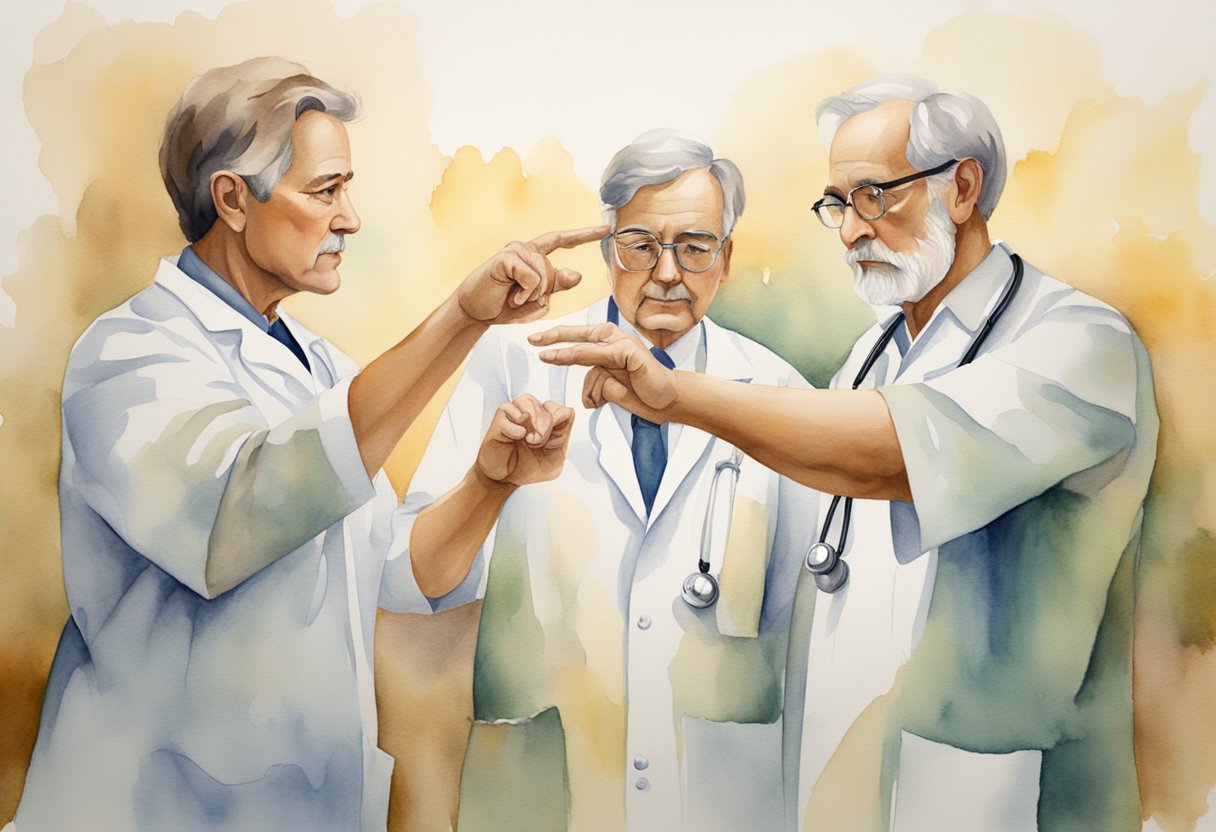
When patients seek medical care, they place immense trust in the hands of healthcare professionals, expecting an accurate diagnosis and appropriate treatment. However, the dynamic in a clinical setting can sometimes be complicated by doctors blaming patients for adverse health outcomes, leading to strained patient-doctor communication and potentially compromising patient safety.
Understanding and addressing the causes of such blame can help forge better relationships between patients and doctors and improve care delivery.
Blame directed towards patients by doctors can originate from various factors, including medical errors, stressful healthcare environments, or even a doctor’s personal bias. This not only affects the environment of care but also can impact the mental well-being of patients. To establish a safety culture, it is essential to encourage open conversations, implement preventive measures, and acknowledge external influences on health outcomes without placing undue blame on patients.
Key Takeaways
- Open dialogue between patients and doctors is crucial for adequate care.
- Blame can hinder the development of a safety culture in healthcare settings.
- Preventive practices in healthcare can reduce instances of misplaced blame.
Understanding Medical Errors
Medical errors are a significant concern within healthcare systems, affecting patient safety culture. These incidents can vary widely in their nature and impact, from minor issues with limited consequences to severe adverse events resulting in lasting patient harm.
Causes and Types of Medical Errors
Medical errors can stem from many sources, often categorized into systemic flaws and human errors. Systemic issues may include inadequate training, flawed protocols, or insufficient resources, while human errors often involve misjudgments or oversights by healthcare professionals. There are two primary types of medical errors:
- Active Errors occur at the point of contact between a healthcare provider and a patient, such as surgical mistakes or incorrect medication dosing.
- Latent Errors: These are less apparent failures in the system that can contribute to adverse events, like poor communication channels or faulty equipment.
For instance, a lack of standardized nomenclature in reporting has been identified as a barrier to effectively understanding and curbing medical errors.
Impact of Medical Errors on Patient Safety
Patient safety is compromised when medical errors lead to adverse events. These events range from minor complications to severe injuries or even death. A robust safety culture within healthcare institutions is crucial for minimizing these risks. It involves:
- Reporting systems that encourage transparency about mistakes
- Continuous education on safe practices
- An environment that does not place undue blame on individuals, recognizing that blaming individual doctors does not contribute to solutions.
Moreover, errors of omission—when actions that should have been taken were not—pose a persistent threat to patient safety, such as neglecting to secure patients during transport.
The Role of Healthcare Professionals
Healthcare professionals form the backbone of medical institutions, providing critical services from diagnosis to patient care. Within this dynamic field, doctors and nurses face unique challenges and responsibilities, all set against a tapestry of staffing and environmental pressures.
Diagnostic Challenges Faced by Physicians
Physicians routinely navigate complex medical landscapes to pinpoint the causes of ailments. Misdiagnosis is a significant concern, necessitating vigilance and exhaustive knowledge from doctors. They assess symptoms, order tests, and use their expertise to deliver accurate diagnoses, a crucial step that shapes patients’ treatment paths. In environments where infection control is paramount, the stakes are even higher, as the risk of contagion can compound diagnostic complexities.
Responsibilities of Nurses in Patient Care
Nurses are the caretakers at the forefront of patient management. Their role extends beyond primary care; they administer medication, monitor patient environments for safety, and coordinate with physicians to manage health plans. Effective infection control protocols hinge on nurses’ attention to detail, making their role critical in preventing the spread of disease within healthcare facilities.
Staffing and Work Environment Issues
The work environment and staffing levels in healthcare facilities directly affect the quality of patient care. High patient-to-staff ratios can lead to burnout and reduced attention to individual care needs. Adequate staffing is essential for maintaining a manageable workload, allowing for thorough patient evaluation and reducing the likelihood of mistakes like misdiagnosis. A supportive work environment also ensures that healthcare professionals can provide the highest level of care with diligence and compassion.
Attribution of Blame in Clinical Settings
In clinical settings, attributing blame can have profound implications, from personal stigma to legal consequences.
Blame Culture and Stigma
In healthcare environments, a blame culture often creates a stigma around mistakes, deterring healthcare professionals from reporting errors due to fear of [disciplinary action] or punishment. This stigma can impede open communication, which is essential for patient safety and continuous improvement. The fear of being blamed among physicians can overshadow their willingness to disclose errors, impacting their wellness and potentially patient outcomes.
Legal and Ethical Aspects of Blame
The legal and ethical dimensions of blame in medical practice navigate complex terrain. When medical errors occur, pinpointing culpability must consider systemic factors alongside individual accountability. However, legal proceedings often focus on personal negligence. Ethically, while accountability remains critical, the emphasis on punitive measures may conflict with the moral duty to heal and support. Health systems strive to balance these aspects to foster environments where learning from mistakes is prioritized over assigning blame.
Promoting a Culture of Safety
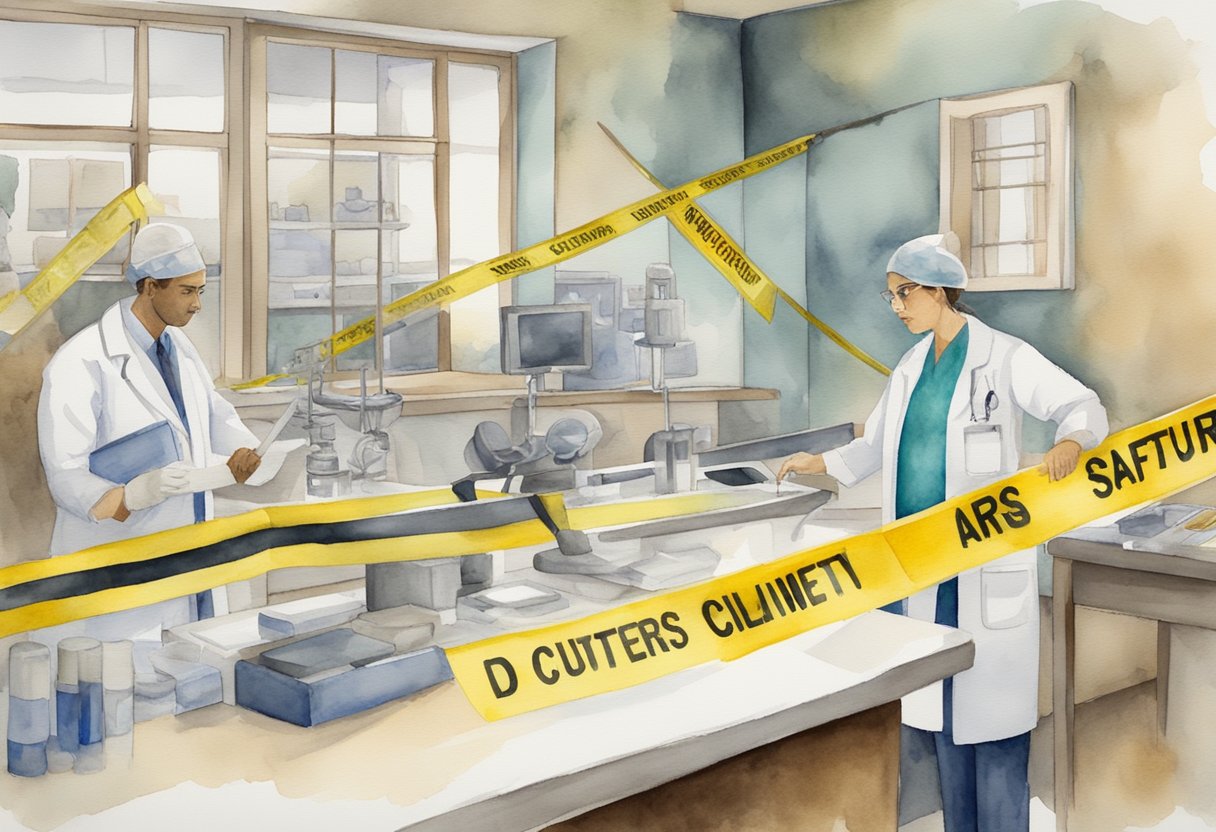
In the realm of healthcare, fostering a culture of safety is paramount to patient and clinician well-being. This involves ensuring robust communication channels and implementing comprehensive governance protocols.
Developing Effective Communication
Healthcare settings benefit immensely from clear, concise, and direct communication. Effective dialogue between medical professionals enhances patient outcomes and reduces preventable mishaps. The Institute of Medicine encourages openness and collaboration amongst healthcare providers as a cornerstone of patient safety. Sharing information promptly and responsibly ensures that critical decisions reflect the insights of an entire care team, embodying mutual respect and understanding.
- Key Components of Communication:
- Regularly scheduled team meetings
- Structured handoff processes
- Adoption of standardized communication tools
- Feedback systems encouraging a two-way exchange
Instituting Clinical Governance and Guidelines
Clinical governance is the framework for accountability and quality improvement within healthcare institutions. This infrastructure fosters an environment where clinical excellence can thrive through adherence to high-standard guidelines. Systems are established to monitor performance, manage risks, and ensure patients receive the best care aligned with up-to-date research and practices.
- Core Elements of Clinical Governance:
- Protocols for clinical audit and peer review
- Maintenance of accreditation standards
- Implementation of best practices as routine care
- Patient engagement in decision-making processes
By weaving together strong lines of communication with rigorous governance, healthcare entities build resilient cultures committed to safety and quality. These efforts are critical in minimizing adverse events and establishing trust between patients and those who care for them.
Preventive Measures and Best Practices

In the multidisciplinary healthcare field, consistent implementation of proven preventive measures and the adoption of best practices are fundamental to ensuring safety and maximizing the quality of patient care.
Enhancing Infection Control
Infection control remains a critical challenge in healthcare settings. Healthcare professionals are tasked with the diligent application of sterilization techniques and the judicious use of antibiotics to combat postoperative infections. They must adhere to rigorous hand-washing protocols and change catheters and central lines with careful attention to reduce the risk of infection.
For instance, following evidence-based guidelines for hand hygiene can significantly decrease the incidence of healthcare-associated infections (HAIs).
Encouraging Accurate Medical Documentation
Accurate medical documentation is a cornerstone of patient safety and quality care. Clinicians are encouraged to maintain precise and comprehensive records of patient’s health information. This includes recording patient interactions, test results, and medications with exactitude to avoid potentially harmful errors.
Implementing a robust system to confirm the patient’s identity and ensure the correct person receives test results quickly is essential for preventing medication dispensing errors and other adverse events.
Addressing External Influences on Health Outcomes

The health of a community is often impacted by various external factors, ranging from corporate responsibility to societal inequalities.
Tobacco Companies and Public Health
Tobacco use remains a leading cause of preventable disease and death. The Centers for Disease Control and Prevention (CDC) has continually documented the grave impact of tobacco addiction, especially in cities like Chicago, where smoking rates have historically been high. Tobacco companies have been scrutinized for their role in contributing to public health issues. They face pressure to mitigate the impact of their products on consumers, mainly as research solidifies the links between tobacco use and chronic diseases.
- CDC efforts: The CDC has implemented numerous programs to reduce tobacco use, focusing on education and prevention.
- Outreach programs: Local initiatives in Chicago aim to support individuals fighting addiction and promote cessation resources.
Health Disparities and Institutional Response
Healthcare institutions acknowledge the presence of care disparities, which can affect outcomes for various groups, including men dealing with illnesses like cancer. These disparities often stem from socioeconomic factors that obstruct access to quality care. Such institutions are tasked with responding to these disparities with concrete measures.
- Data collection: Accurately mapping the prevalence of diseases across different demographics.
- Resource allocation: Directing medical resources to underserved areas to reduce gaps in care.
- Education: Providing targeted education about disease prevention and management to those at higher risk.
Final Thoughts…

In reflecting on the journey of male lymphoma survivors, one observes resilience in their paths to recovery. Facing a diagnosis marks the start of a challenging chapter where personal grit intertwines with medical expertise. These survivors engage with perseverance, exemplified in their commitment to integrating lifestyle changes and embracing support networks vital for their well-being.
Wellness strategies:
- Regular physical activity
- Balanced nutrition
- Stress management
- Support groups participation
Survivors often find solace in shared experiences, realizing they are not alone in their struggles. They exchange stories of courage and practical strategies aiding their health journey. These narratives foster a compassionate environment, offering solace and camaraderie.
Communication with health professionals:
- Transparent dialogue
- Assertive questions
- Collaborative decision-making
Including tailored care plans addresses individual needs, emphasizing a personalized approach. Specialists prioritize patient input, considering each man’s unique experience with cancer. Collaboration between patient and provider paves the path for effective treatment outcomes, contributing to an empowered patient experience.
Enhancing future outlooks:
- Research participation
- Advocacy roles
- Educational outreach
Survivors inspire and guide fellow men along similar paths by embracing leadership roles within the community. Through advocacy and education, they turn personal triumph into collective progress, shifting the focus toward a future where survival and thriving are the collective aim. -T
Frequently Asked Questions
These questions address key concerns about the dynamics of blame in healthcare and practical insights on managing such situations effectively.
How can a culture of safety be promoted in healthcare settings?
A culture of safety involves evidence-based strategies that help staff and organizations learn from adverse events. Transparency and ongoing education create an environment where safety is prioritized, and errors are used constructively for improvement.
What are the potential impacts of a blame culture on medical staff and patient care?
Healthcare professionals working in an environment where blame is prevalent may experience stress, which can decrease job satisfaction and increase turnover rates. This culture can also negatively affect patient care by inhibiting open communication and not addressing the root causes of errors.
How should patients handle situations where they feel disrespected by healthcare professionals?
Patients should calmly express their concerns and seek to understand the situation. If they still feel disrespected, they can request to speak with a patient advocate or the healthcare provider’s supervisor to resolve the issue.
What steps can be taken if a healthcare provider dismisses a patient’s concerns?
Patients have the right to a second opinion. They can also file a complaint against a doctor if their concerns are not adequately addressed.
What constitutes mistreatment in a medical context, and what are its implications?
Mistreatment in healthcare can range from verbal abuse to ignoring a patient’s needs, resulting in emotional distress and potentially compromised care. Such mistreatment can erode trust in the healthcare system and deter individuals from seeking medical attention.
What are the recommended actions for a patient who believes they have been treated poorly by a doctor?
They should document all interactions and seek support from patient advocacy groups. They also have the option to file a formal complaint with the medical board or seek legal counsel if they have suffered harm due to the doctor’s actions.
