

Cancer Thriver shares insights on support and resilience
Cancer can turn a man’s world upside down. The journey through diagnosis, treatment, and recovery often feels like a challenging game with no playbook. But there’s hope. Men who have faced cancer and come out the other side have valuable insights to share.
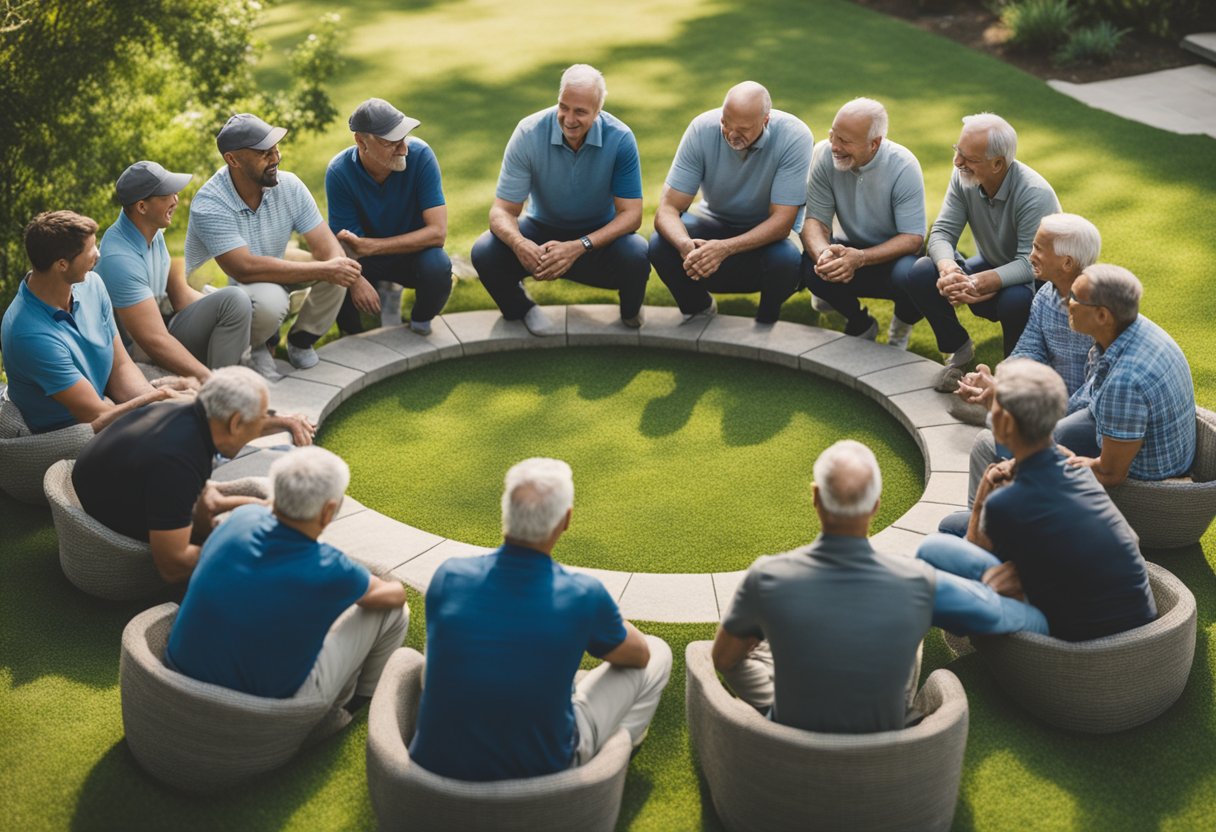
Connecting with other male cancer thrivers can be a game-changer for those who are fighting the disease. These connections offer more than just support—they provide real-world strategies for coping, rebuilding, and finding a new normal.
From dealing with changes in physical ability to navigating relationships, fellow survivors understand the unique challenges men face.
Thriving after cancer isn’t just about survival – it’s about reclaiming your identity and discovering new strengths. Many men find that their cancer experience while challenging, opens doors to personal growth and deeper connections.
By sharing stories and tips, Cancer Thrivers creates a powerful network that helps each member rise above the challenges and embrace life anew.
Key Takeaways
- Connecting with other male cancer thrivers provides invaluable support and practical coping strategies.
- Cancer survival can lead to personal growth and stronger relationships
- Thriving after cancer involves reclaiming identity and discovering new strengths
Understanding Cancer Survivorship

Cancer survivorship involves living with, through, and beyond a cancer diagnosis. It encompasses life’s physical, emotional, and practical aspects after cancer treatment.
Defining the Survivor and Thriver
A cancer survivor refers to anyone who has been diagnosed with cancer, regardless of their treatment status or outcome. This definition begins at the moment of diagnosis and continues throughout life.
Thriving after cancer means more than just surviving. It involves finding new meaning and purpose after facing a life-changing experience.
Many men who have overcome cancer prefer to be called “thrivers” rather than survivors. This term emphasizes their strength and resilience in the face of adversity.
Thrivers often embrace a proactive approach to their health and well-being. They may focus on:
- Physical fitness and nutrition
- Mental health and stress management
- Building strong support networks
- Giving back to the cancer community
The Cancer Journey from Diagnosis to Survivorship
The cancer journey begins with diagnosis and continues through treatment, remission, and long-term survivorship. Each stage presents unique challenges and opportunities for growth.
Diagnosis often brings shock, fear, and uncertainty. Men may feel overwhelmed by treatment decisions and the potential impact on their lives.
Treatment can be grueling, testing physical and mental strength. Many men find solace in sports metaphors, viewing treatment as a tough match they must win.
Post-treatment, survivors enter a new phase of life. They may face:
- Fear of recurrence
- Late effects of treatment
- Changes in relationships and self-image
- Employment and financial challenges
A survivorship care plan helps guide this transition. It outlines follow-up care, potential long-term effects, and strategies for maintaining health.
Long-term survivorship focuses on thriving, not just surviving. Many men find renewed purpose and appreciation for life after cancer.
Challenges and Coping Mechanisms
Men facing cancer often encounter mental and physical hurdles. Effective strategies can help navigate these obstacles and improve the quality of life during treatment.
Navigating Mental Health: Anxiety and Depression
Cancer diagnoses and treatments can trigger anxiety and depression in male survivors. These emotions may stem from uncertainty about the future, changes in physical appearance, or fear of recurrence. To combat these feelings, men can:
- Practice mindfulness meditation
- Join support groups with fellow cancer survivors
- Engage in regular exercise, like swimming or walking
Resilience and coping strategies play a crucial role in managing mental health. Talking to a therapist or counselor can provide tools to build emotional strength. Staying connected with loved ones and maintaining social activities also helps reduce isolation.
Physical and Emotional Effects of Treatment
Cancer treatments like chemotherapy and radiation can cause significant physical changes. Common side effects include:
- Fatigue
- Hair loss
- Nausea
- Changes in appetite
These physical challenges often lead to emotional distress. Men may struggle with body image issues or feel frustrated by limitations on daily activities. To cope, survivors can:
- Focus on nutrition and gentle exercise
- Try new hobbies that accommodate current energy levels
- Communicate openly with healthcare providers about side effects
Mastery over one’s health can boost confidence and improve quality of life. Setting small, achievable goals helps regain a sense of control. Celebrating these victories, no matter how small reinforces progress and resilience in the face of cancer’s challenges.
Support and Community Networks

Cancer survivors can find strength and hope through connections with others who understand their journey. Building a support network and joining communities can make a big difference in the healing process.
Building a Supportive Environment
Men facing cancer need a team of allies. Family members and close friends form the core support system. They provide emotional backing and practical help during treatment and recovery. Doctors, nurses, and counselors also play key roles. They offer medical guidance and mental health support.
Cancer centers often have social workers who can connect patients with local resources. These may include transportation services, meal delivery, or financial assistance programs.
Creating a supportive home environment is crucial, too. This might mean setting up a comfortable recovery space or adapting the home for more effortless mobility.
Connecting with Others: Groups and Forums
Joining cancer support groups can be a game-changer for male survivors. These groups offer a safe space to share experiences and learn coping strategies.
Many hospitals and community centers host in-person meetings. Online forums and virtual groups are also available for those who prefer digital connections.
Cancer Survivors Network provides a platform for survivors to connect. Here, men can find peers who’ve faced similar challenges. They can exchange tips on managing side effects or returning to work after treatment.
Some groups focus on specific cancer types or age ranges, allowing for more targeted support. Sports-based groups have also gained popularity among male survivors. These combine physical activity with peer support, promoting mental and physical recovery.
Physical Wellness and Lifestyle Changes
Cancer survivors can boost their health through physical activity and smart eating habits. These changes can lead to better outcomes and a higher quality of life after treatment.
Importance of Healthy Living Post-Cancer
Healthy living plays a key role in cancer recovery. Regular exercise helps rebuild strength and endurance lost during treatment and can also reduce the risk of cancer returning.
A balanced diet provides the nutrients needed for healing and recovery. Eating well can help manage side effects and improve energy levels.
Staying active and eating right can boost mood and reduce stress, helping survivors cope with the emotional challenges of cancer recovery.
Many men find that joining a sports team or fitness group provides motivation and support. It’s a great way to stay accountable and make new friends with similar goals.
Adopting Lifestyle Modifications for Better Health
Making lifestyle changes takes time and effort, but the rewards are worth it. Start small and build new habits gradually.
Set realistic goals for exercise and nutrition. Aim for 30 minutes of moderate activity most days of the week. This could include brisk walking, swimming, or cycling.
Choose nutrient-dense foods like fruits, vegetables, and lean proteins. These provide the fuel needed for recovery and overall wellness.
Drink plenty of water throughout the day to stay hydrated. This helps flush out toxins and supports organ function.
Get enough sleep each night to allow the body to repair and recharge. Aim for 7-9 hours of quality rest.
Consider working with a nutritionist or personal trainer with experience working with cancer survivors. They can create a tailored plan that fits individual needs and limitations.
Reclaiming Identity and Self-Image
Cancer survivors face unique challenges in rebuilding their sense of self. The journey involves reshaping identity, boosting confidence, and adapting to physical changes.
Building Confidence and Self-Esteem
Cancer survivors often grapple with a shifting self-image. Men who’ve battled lymphoma twice know this struggle firsthand. They can rebuild confidence through small daily wins.
Setting achievable fitness goals helps. A survivor might start with a short walk, then build up to a jog. Each milestone boosts self-esteem.
Joining a support group connects survivors with others who understand. Sharing experiences and coping strategies strengthens resolve.
Pursuing hobbies or learning new skills also builds confidence. A survivor might take up painting or learn a language. These activities provide a sense of accomplishment beyond cancer.
The Role of Physical Appearance in Identity
Physical changes from cancer treatment can impact a survivor’s self-image. Hair loss, weight fluctuations, and scars may alter how a man sees himself.
Embracing these changes as battle scars can help reframe perception. Some survivors view their scars as symbols of strength and resilience.
Adapting personal style can boost confidence. A new haircut or wardrobe refresh might make a survivor feel more like himself.
Exercise plays a crucial role in reclaiming one’s body. Strength training can help rebuild muscle lost during treatment. Team sports offer both physical benefits and social connections.
Thriving in Life After Cancer
Life after cancer brings new perspectives and opportunities for growth. Survivors can find fulfillment through gratitude, purpose, and long-term thriving strategies.
Cultivating Gratitude and Finding Purpose
Cancer survivors often gain a renewed appreciation for life. Each day becomes a gift, filled with potential for joy and meaning. Men who have faced cancer may discover newfound gratitude for family, friends, and simple pleasures.
Expressing thanks can boost mood and overall well-being. Survivors might start a gratitude journal or share their appreciation with loved ones daily. This practice can shift focus from past struggles to present blessings.
Finding purpose after cancer gives life direction and motivation. Some men choose to mentor fellow survivors or volunteer at cancer support groups. Others pursue long-held dreams or start new careers aligned with their values.
Physical activity can also provide purpose and improve health. Joining a sports team or taking up a new fitness challenge offers goals to work toward and a sense of accomplishment.
Long-Term Survivorship and Thriving
Thriving long-term requires ongoing care and attention. Regular check-ups and screenings help maintain health after cancer treatment.
Survivors should discuss follow-up plans with their healthcare team.
A balanced diet and exercise routine support physical and mental well-being. Many survivors find that staying active through sports or fitness classes boosts their energy and mood.
Connecting with other survivors can provide valuable support. Men’s cancer support groups offer a space to share experiences and coping strategies. These connections remind survivors they’re not alone in their journey.
Pursuing personal growth and learning new skills keeps life exciting. Taking classes, picking up hobbies, or traveling to new places can reignite a sense of adventure and possibility.
Embracing a “thriver” mindset means focusing on living fully in the present while planning for a bright future. Each day offers a chance to grow stronger and more resilient.
Advanced Cancer and Ongoing Treatment
Living with advanced cancer brings unique challenges. Patients face complex care needs and must navigate ongoing treatments while managing physical and emotional impacts.
Support and coping strategies can help improve the quality of life during this journey.
Living with Metastatic or Stage 4 Cancer
Metastatic cancer survivors face a new reality as they learn to live with their diagnosis. Many find strength in connecting with others who understand their experience. Support groups offer a place to share concerns and coping techniques.
Treatment advances mean some patients live for years with stage 4 cancer. This creates a need for long-term care plans. Patients work closely with their medical team to monitor disease progression and adjust treatments as needed.
Managing symptoms becomes a key focus. Pain control, fatigue management, and mental health support are vital in maintaining quality of life. When energy allows, some find comfort in gentle exercise like walking or swimming.
Continual Care and Managing Scanxiety
Ongoing scans and tests are part of life for those with advanced cancer. The stress of waiting for results, known as “scanxiety,” can take a toll.
Coping strategies like deep breathing, meditation, or talking with loved ones may help ease anxiety.
Between appointments, patients stay alert for any changes in symptoms. Keeping a symptom diary helps track patterns over time. This information guides discussions with the medical team about adjusting treatments or adding supportive care.
Palliative care plays a crucial role in managing advanced cancer. It focuses on improving quality of life through pain relief, symptom management, and emotional support. Many find this approach helps them maintain hope and find meaning during treatment. -T
Frequently Asked Questions
Support, encouragement, and resources are vital in men’s cancer survivor journey. Sharing experiences and making lifestyle changes can help male cancer thrivers find purpose and inspire others.
How can you offer support to male cancer survivors effectively?
Listen without judgment. Men often prefer practical help over emotional discussions.
Offer to assist with tasks like yard work or errands. Please respect their privacy and let them share at their own pace. Cancer survivors may not want to be called “fighters” or “warriors.”
What do male cancer thrivers find most encouraging during their journey?
Maintaining normalcy helps many men cope. Invitations to watch sports or play golf can boost spirits.
Messages of hope from fellow survivors resonate deeply. Celebrating small victories along the way reminds them of the progress made.
What are the most impactful ways to celebrate survivorship among male cancer patients?
Organize sporting events or fitness challenges for survivors. Host barbecues or tailgating parties to bring men together.
Create opportunities for survivors to mentor newly diagnosed patients. Recognition ceremonies at halftime of local games can be meaningful.
In what ways can male cancer survivors share their stories to inspire others?
Speaking at support groups empowers both the speaker and listeners. Writing blogs or books reaches a broader audience.
Creating podcasts allows for in-depth discussions. Participating in awareness campaigns puts faces to the cause.
What resources are available for men transitioning from cancer patients to thrivers?
Cancer.org offers guidelines for nutrition and physical activity.
Many hospitals provide survivorship clinics and care plans. Online forums connect survivors facing similar challenges. Local cancer centers often have support groups specifically for men.
What lifestyle changes do experts recommend for male cancer survivors to thrive after treatment?
Regular exercise boosts energy and mood. Tailor the exercise to individual abilities. A balanced diet rich in fruits and vegetables supports recovery. Stress reduction through meditation or yoga promotes healing. Regular check-ups and screenings catch potential issues early.
