

A Guide for Cancer Thrivers

As cancer survivors, we know that the journey from diagnosis to remission is a long and challenging one. We’ve been through it twice, and it’s an experience that has humbled us and taught us so much about ourselves and the world around us.
We understand the fear, the uncertainty, and the pain that comes with the diagnosis, but we also know that there is hope and that with the right mindset, support, and coping strategies, it is possible to not just survive but thrive after cancer.
For men who are facing cancer, the journey can be even more difficult. There is a stigma around cancer and men that can make it hard for them to open up and seek help. But as survivors, we know there is strength in vulnerability and that by sharing our stories and experiences, we can help others feel less alone and more empowered to take control of their health and well-being. That’s why we want to share our insights and advice on embracing milestones and becoming a cancer thriver.
Key Takeaways:
- Cancer is a challenging journey, but it is possible to thrive after a diagnosis with the right mindset, support, and coping strategies.
- Men facing cancer may face unique challenges, but by sharing our stories and experiences, we can help break down stigma and empower others to take control of their health.
- Embracing milestones and adopting a thriver mindset can help us focus on the positive and build a fulfilling life after cancer.
Understanding Cancer

As cancer survivors, we know firsthand the impact that a cancer diagnosis can have on a person’s life. Cancer is a complex disease that can affect any part of the body, and there are many different types of cancer. Some of the most common types of cancer include lung cancer, prostate cancer, and breast cancer.
Types of Cancer
Each type of cancer is unique, and the treatment options can vary depending on the location and severity of the cancer. Some of the most common treatments for cancer include radiation, chemotherapy, and surgery.
Radiation therapy uses high-energy radiation to kill cancer cells, while chemotherapy uses drugs to target and destroy cancer cells. Surgery is often used to remove cancerous tumors from the body.
Common Treatments
While these treatments can be effective, they can also have significant side effects. For example, chemotherapy can cause hair loss, nausea, and fatigue, while radiation therapy can cause skin irritation and fatigue.
As cancer thrivers, we understand the importance of finding the right treatment plan that works for each individual. Working closely with your healthcare team to develop a plan that considers your unique needs and preferences is essential.
In addition to medical treatments, many other things can help support cancer thrivers. These may include exercise, healthy eating, and stress management techniques. It’s important to take a holistic approach to cancer care and to address all aspects of your health and well-being.
As cancer thrivers, we know that a cancer diagnosis can be a challenging experience. But with the right support and treatment, it’s possible to not only survive cancer but to thrive in life beyond cancer.
The Diagnosis Journey
At the beginning of our cancer journey, receiving the news of a cancer diagnosis is overwhelming. The diagnosis can bring up a range of emotions, from fear and anxiety to sadness and confusion. It is important to take the time to process these emotions and navigate the journey ahead.
Receiving the News
When we receive the news of a cancer diagnosis, it can be challenging to know what to do next. Finding a doctor who specializes in cancer treatment and can guide us through the process is crucial. We also need to take the time to learn about our specific type of cancer and the treatment options available to us. This can help us make informed decisions about our care.
Navigating Emotions
The emotions that come with a cancer diagnosis can be overwhelming. Finding ways to cope with these emotions and manage stress is essential. This can include talking to a therapist or counselor, joining a support group, or finding other ways to connect with others who have gone through similar experiences.
We understand that the diagnosis journey can be challenging, but it is important to remember that we are not alone. By finding support and taking an active role in our care, we can embrace milestones and thrive through our cancer journey.
From Patient to Survivor
As cancer patients, we go through a lot of physical and emotional pain. The journey from diagnosis to treatment can be overwhelming. But once we complete the treatment, we enter a new phase of life as a cancer survivor. This phase is not without its own set of challenges but also a period of growth and learning. In this section, we will discuss the transition from being a cancer patient to a cancer survivor.
Treatment to Remission
The first step towards becoming a cancer survivor is completing the treatment. It is a huge milestone that deserves to be celebrated. During the treatment, we go through a lot of physical and emotional changes. It is normal to feel anxious, scared, and overwhelmed. But with the help of our support system, we can get through it.
After the treatment, we enter the phase of remission. This means that there is no evidence of disease in our bodies. It is a time to focus on recovery and rebuilding our strength. We need to take care of ourselves physically and emotionally. This includes eating a healthy diet, exercising, and seeking support from our loved ones.
Survival and Recovery
Survival and recovery are two sides of the same coin. As cancer survivors, we need to focus on both. Survival means that we have beaten cancer, but recovery is about rebuilding our lives after cancer. It is a time to reflect on our journey and find meaning.
Recovery is not a linear process. It is normal to have ups and downs. But with the right mindset and support, we can get through it. We need to be patient and take things one day at a time. It is also essential to seek professional help if we are struggling with our mental health.
As male cancer survivors, we have unique challenges. We may feel pressure to be strong and not show our emotions. But it is important to remember that it is okay to ask for help. We must take care of ourselves to be there for our loved ones.
In conclusion, becoming a cancer survivor is a journey that requires strength, resilience, and support. We need to celebrate our milestones and focus on our recovery. As male cancer survivors, we need to take care of ourselves and seek help when we need it.
Embracing the Thriver Mindset
As cancer survivors, we know that the journey is not easy. It’s a battle that can leave us feeling helpless and vulnerable. However, we can embrace the thriver mindset and live a life beyond surviving.
Beyond Survival
Being a thriver means moving beyond just surviving cancer. It’s about embracing life and finding joy in the little things. We can choose to focus on the present and appreciate our moments. This means letting go of the fear of recurrence and living in the moment.
To embrace the thriver mindset, we must focus on our strengths and the positive aspects of our lives. We can create a gratitude journal and write what we are thankful for. This helps us to shift our focus from the negative to the positive and allows us to find joy in our lives.
Living with Gratitude
Gratitude is a powerful tool that can help us to embrace the thriver mindset. It helps us to focus on the good things in our lives and to find joy in the present moment. We can focus on the things we have rather than the things we have lost.
As thrivers, we can also give back to others going through the same journey. This can be done by joining support groups, volunteering, or simply reaching out to struggling others. By helping others, we can find purpose and fulfillment in our lives.
Embracing the thriver mindset is about living beyond surviving cancer. It’s about finding joy in the present moment, focusing on our strengths, and living with gratitude. As cancer survivors, we can choose to live a life filled with joy and happiness.
Building a Support Network

As cancer drivers, we understand the importance of having a solid support network. This network can help us navigate the ups and downs of cancer treatment and recovery. This section will discuss two key components of building a support network: family and friends and support groups and community.
Family and Friends
Our family and friends are among the first places we turn to for support. These people know us best and can offer emotional support when needed. They can help us with everyday tasks, such as cooking meals or running errands, and provide a listening ear when we need to talk.
It’s important to remember that our loved ones may also need support during this time. They may be struggling to cope with our diagnosis and treatment, so it’s important to communicate openly and honestly with them. Let them know how to support us best, and encourage them to seek their support.
Support Groups and Community
In addition to our family and friends, support groups and community can be a valuable source of support. These groups allow us to connect with others who are going through similar experiences and can provide a sense of belonging and understanding that is hard to find elsewhere.
Many different types of support groups are available, including those focused on specific types of cancer, age groups, and genders. We can also find support online through forums and social media groups.
When looking for a support group, finding one that feels like a good fit is important. We want to feel comfortable sharing our experiences and emotions with the group and feel supported and validated.
Building a support network is an integral part of our cancer thrivers journey. Whether it’s through our family and friends, support groups, or community, having a solid support system can help us navigate the challenges of cancer treatment and recovery.
Coping Strategies and Well-being
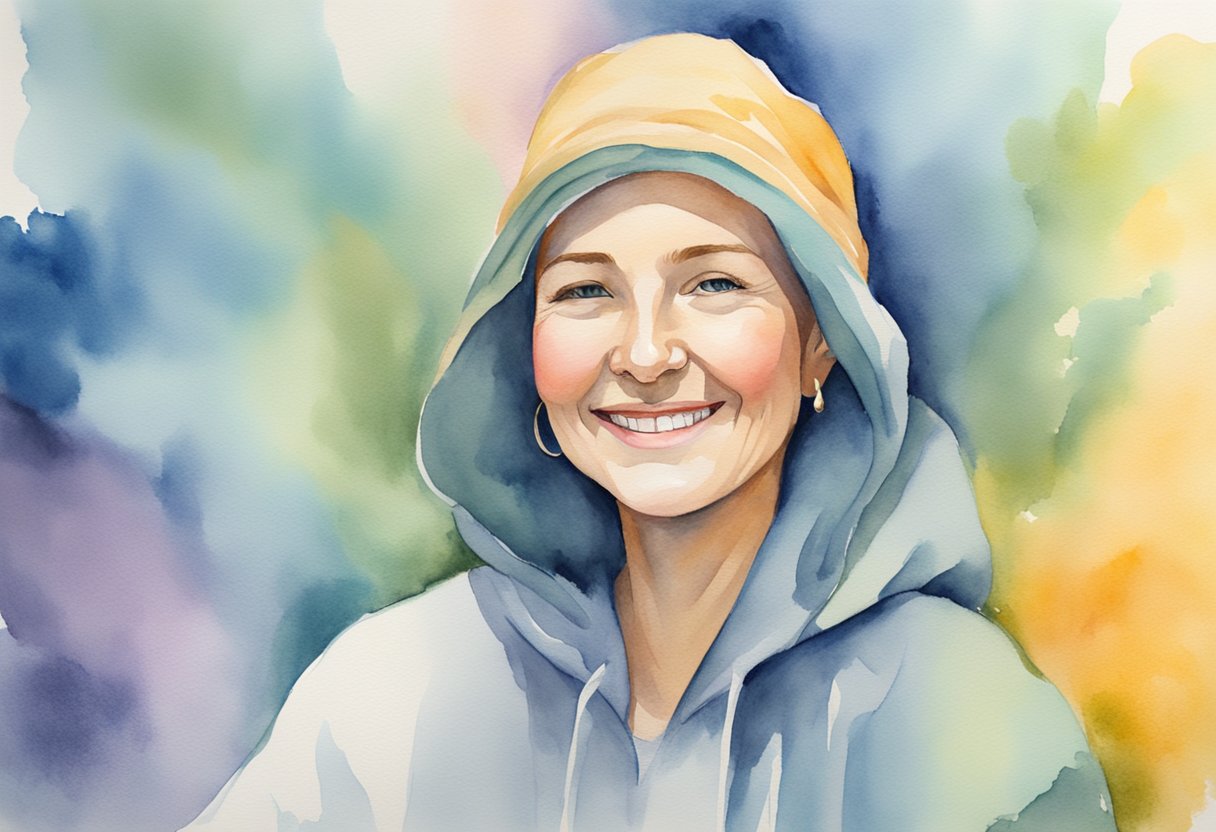
As cancer thrivers, we understand the importance of coping strategies to maintain our well-being. Coping strategies help us manage stress, anxiety, and depression while improving our mental and physical health. In this section, we’ll explore some of the most effective coping strategies for cancer thrivers, including therapy, mental health, exercise, diet, and journaling.
Mental Health
Maintaining good mental health is essential for cancer thrivers. We can achieve this by practicing mindfulness, meditation, and positive thinking. Mindfulness helps us stay present and focused, while meditation helps us relax and reduce stress. Positive thinking helps us stay optimistic, even in difficult times.
Therapy is also an effective coping strategy for managing mental health. Speaking with a therapist can help us work through our emotions, fears, and anxieties. It can also provide a sense of support and validation during challenging times.
Physical Health
Maintaining good physical health is also essential for cancer thrivers. Exercise is an effective coping strategy for improving our physical health. It helps us build strength, endurance, and flexibility while reducing stress and anxiety. Exercise can also help us manage side effects of cancer treatment, such as fatigue and pain.
Diet is another crucial aspect of physical health. Eating a healthy, balanced diet can give us the nutrients we need to maintain our energy levels and overall well-being. It can also help us manage the side effects of cancer treatment, such as nausea and digestive issues.
In conclusion, coping strategies are essential for cancer thrivers to maintain their well-being. By practicing effective coping strategies, such as therapy, mental health, exercise, diet, and journaling, we can manage stress, anxiety, and depression while improving our mental and physical health.
Life After Cancer

As cancer survivors, we know that the end of treatment is not the end of the journey. It’s the beginning of a new chapter in our lives. Life after cancer can be both exciting and challenging, but with the right mindset and support, we can embrace this new phase with open arms.
Adjusting to Normalcy
It’s normal to feel overwhelmed and anxious about returning to everyday life after cancer treatment. We may feel like we’ve lost our identity or struggle to find meaning in our lives. However, we must remember that we are not alone in this journey. We can seek support from our loved ones, support groups, or mental health professionals. It’s essential to prioritize self-care, engage in activities that bring us joy, and find new hobbies or interests that align with our values.
Long-term Management
As survivors, we must adopt a long-term management approach to our health. We should schedule regular follow-up appointments with our healthcare providers to monitor our health and detect any signs of recurrence. We must also prioritize our physical and emotional well-being by exercising regularly, eating a healthy diet, and managing stress. It’s crucial to stay informed about the latest research and treatment options to make informed decisions about our health.
In conclusion, life after cancer can be challenging, but it’s also an opportunity to embrace new milestones and experiences. As survivors, we must prioritize our physical and emotional well-being, seek support from our loved ones and healthcare providers, and adopt a long-term management approach to our health. Together, we can navigate this new chapter in our lives confidently and resiliently.
Advocacy and Raising Awareness

As cancer thrivers, we understand the importance of advocacy and raising awareness. Sharing our story can help others going through a similar cancer experience feel less alone and more empowered. We can use our voice to advocate for better cancer research, education, and treatment options.
Sharing Your Story
Sharing our story can be a powerful way to raise awareness and inspire others. By being open and honest about our cancer journey, we can help break down stigmas and misconceptions surrounding cancer. We can share our stories through social media, blogs, or even by writing a book.
As men with cancer, we must share our stories and experiences, as men are often underrepresented in the cancer community. By sharing our stories, we can help other men feel more comfortable discussing their cancer journey and seeking support.
Contributing to Research
Contributing to cancer research is another way to advocate for better cancer treatment options. We can participate in clinical trials, donate to cancer research organizations, or even start our own cancer research fundraising campaigns.
By actively contributing to cancer research, we can help advance the field of cancer treatment and improve outcomes for future cancer thrivers.
Advocacy and raising awareness are crucial components of the cancer thrivers journey. By sharing our story and contributing to cancer research, we can help make a difference in the lives of others going through a similar cancer experience.
Final Thoughts…
As cancer thrivers, we understand the importance of embracing milestones. Surviving cancer twice has taught us to appreciate the small victories in life. It’s not just about the significant milestones but also the little things that make life worth living.
We want to emphasize the importance of caring for your mental health during this journey. It’s easy to get caught up in the physical aspects of cancer, but your mental health is just as important. Take the time to seek support from friends, family, or a therapist.
For men with cancer, we understand that it can be difficult to talk about your feelings. However, it’s important to remember that you’re not alone. There are support groups and organizations specifically for men with cancer that can provide a safe space to share your experiences.
We also want to remind you to take care of your body. Eating a healthy diet and staying active can not only improve your physical health but also your mental health. Consider incorporating sports or physical activities into your routine to help reduce stress and improve your overall well-being.
We understand the challenges that come with a cancer diagnosis. But we want to remind you that you are not alone. Embrace the milestones, take care of your mental and physical health, and remember to celebrate the small victories. -T
Frequently Asked Questions
How can we celebrate milestones during cancer recovery?
As cancer survivors, we understand the importance of celebrating milestones during recovery. Some practical ways to celebrate milestones include hosting a dinner party with close friends and family, participating in a charity walk, or treating yourself to a relaxing spa day. It’s important to celebrate milestones as a reminder of how far we’ve come and to acknowledge the hard work we’ve put into our recovery.
What are effective ways to raise cancer awareness among men?
It’s crucial to raise awareness about cancer among men, as early detection is key to successful treatment. Some practical ways to raise awareness include organizing a sports tournament or event, donating the proceeds to cancer research, sharing personal stories on social media, and speaking at local schools or community centers. It’s important to emphasize the importance of early detection and encourage men to get regular check-ups.
What are some thoughtful service project ideas for cancer patients?
Service projects can be a great way to show support and care for cancer patients. Some thoughtful service project ideas include creating care packages filled with comforting items such as blankets and books, organizing a meal train to provide home-cooked meals for patients and their families, or creating a fundraiser to help cover medical expenses. It’s crucial to show cancer patients that they are not alone and that their community is there to support them.
Which foods have been shown to prevent cancer recurrence?
While no one food can prevent cancer recurrence, studies have shown that a diet rich in fruits, vegetables, whole grains, and lean proteins can help reduce the risk of cancer recurrence. Some specific foods with cancer-fighting properties include berries, leafy greens, nuts, and fatty fish. It’s essential to consult with a healthcare professional before making any significant dietary changes.
How can individuals and organizations contribute to cancer funding?
Individuals and organizations can contribute to cancer funding in various ways, including donating to cancer research organizations, participating in charity walks or runs, or hosting fundraising events. It’s crucial to research organizations and events before donating to ensure that the funds are being used effectively and efficiently.
What is the history and significance of Cancer Awareness Month?
Cancer Awareness Month was first established in 1985 to raise awareness about cancer and encourage early detection and treatment. The pink ribbon has become a symbol of cancer awareness, and many organizations use this symbol to promote their fundraising and awareness efforts. It’s crucial to continue raising awareness about cancer and promoting early detection and treatment to improve outcomes for cancer patients.
