

Strategies for Transformative Healing
Living through lymphoma cancer not once but twice has taught me resilience and the profound impact of an empowering mindset.
As survivors, we navigate an often rocky and challenging path. Our attitudes can shape our experiences profoundly.
Realizing this, I embraced a perspective that seeks not just to overcome but to grow and inspire, particularly amongst fellow men on similar journeys.

It is not merely about survival; it’s about thriving and carving out a meaningful, robust existence despite the odds posed by cancer.
Building this life starts with a potent blend of hope, practical strategies, and connections.
I’ve seen firsthand the necessity of a network that bolsters strength and confidence.
Embracing medical advancements goes hand in hand with cultivating robust personal and community support systems.
These networks serve as a foundation for a life lived with vitality and purpose, empowering us to persist and thrive through the unpredictable twists of living with cancer.
It’s neither a battle fought in isolation nor a narrative fixed in stone. Instead, it’s a communal effort to strive for health and well-being, even in the face of such a formidable adversary.
Key Takeaways
- Resilient attitudes shape the cancer journey, transforming challenges into growth opportunities.
- Comprehensive support systems are crucial for fostering a thriving lifestyle in the face of cancer.
- Thriving with cancer involves a community effort focused on vitality and holistic well-being.
Understanding Cancer
As someone who has faced lymphoma cancer, I bring a personal perspective to the discussion of cancer diagnoses, types, and the significance of symptoms and screening in promoting health and early detection.
Cancer Diagnoses and Types
Cancer encompasses many diseases characterized by the uncontrolled growth and spread of abnormal cells.
Lymphoma is a type of cancer originating in the lymphatic system, the body’s disease-fighting network.
Another prevalent type is colorectal cancer, which affects the colon and rectum.
Knowledge of various cancer types equips us with the power to understand and support others with tailored guidance and empathy.
Cancer Symptoms and Screening
Early detection of cancer can save lives.
Symptoms may vary widely based on the type of cancer. Still, some common signs include unexplained weight loss, persistent fatigue, and changes in bowel habits, particularly for cancers like lymphoma and colorectal cancer.
Screening methods, such as colonoscopies for colorectal cancer, play a crucial role in health promotion and cancer prevention, especially for men who might be at an elevated risk.
I encourage my peers to stay vigilant and proactive about their health screenings.
Pathways to Empowerment

Embracing empowerment enriches the cancer journey, transforming patients into thrivers. This growth fosters resilience, control over one’s life, and an active role in decision-making.
From Patient to Thriver
My encounters with lymphoma etched a profound narrative of transformation within me.
I recognize empowerment as the bedrock of this metamorphosis.
Empowerment isn’t a trophy awarded at the end of treatment; it’s a torch we light ourselves to navigate the darkness of illness.
Through my experiences, I found that a shift in perspective, viewing challenges as chances for growth rather than insurmountable obstacles, was critical.
Men facing cancer can foster self-efficacy by setting meaningful goals and celebrating every victory, regardless of size.
Gaining Knowledge and Control
Knowledge is the compass that guides us through the unfamiliar terrain of cancer.
As I scoured resources and engaged with experts, my expertise grew, transforming the daunting into the manageable.
This mastery is more than just absorbing medical jargon; it’s understanding the practicalities of treatment and its impacts on both body and mind.
Achieving this clarity gave me newfound control, allowing me to make decisions and advocate for my needs effectively and confidently.
For men amidst this battle, actively seeking information equips them with the tools to be the architect of their journey.
Knowledge is not static; it is a dynamic that supports mental health and enables active coping.
Knowledge paired with a supportive network, like peer support for cancer patients, can be instrumental in building the confidence to face adversity head-on.
Medical and Supportive Care
Navigating cancer treatment involves partnering with patients and healthcare professionals for tailored care and whole-person support.
The Role of Clinicians and Oncologists
Clinicians and oncologists create the backbone of my treatment journey.
I depend on their expertise to design a care plan that responds to my unique situation.
They work tirelessly to administer treatments such as chemotherapy, monitor my progress, and adjust protocols to optimize my health outcomes.
Their role extends beyond medical interventions; they empower me with knowledge and foster hope during my fight against cancer.
Health Care and Support Community
In my experience, the health care and support community plays a vital role in a cancer care strategy.
Support groups for males like myself provide a platform for sharing experiences and advice, creating a sense of belonging and resilience.
Furthermore, caregivers and healthcare professionals offer additional support, encouraging continuous personal growth and a proactive approach to managing health challenges.
These communities inspire me to maintain an empowering mindset, which is crucial for thriving despite a diagnosis.
Living with Cancer
After facing lymphoma cancer twice, I’ve learned that a positive mindset doesn’t just help manage the journey; it transforms it.
Let’s explore how we can enhance our quality of life and develop robust coping mechanisms.
Quality of Life and Well-being
Following my diagnosis, I quickly realized that my emotional state significantly affected my physical health and general functioning.
I sought strategies to increase my chances of survival and boost my quality of life.
Engaging in sports became a cornerstone for my well-being, offering physical benefits and camaraderie with fellow survivors.
Regular physical activity led to a 10% increase in health-related quality of life.
Coping Strategies and Survivorship
Navigating the tumultuous journey of survivorship meant acquiring a set of coping skills designed for sustainability.
Psycho-oncology teaches us to tailor our emotional responses through problem-focused coping strategies. Here’s a concise table of the techniques I integrated into my life:
| Strategy | Description |
|---|---|
| Goal-Setting | I set achievable goals that kept me motivated and provided a sense of progress. |
| Seeking Support | Building connections with other male survivors created a relatable space for healing. |
| Mindfulness | A practice that anchored my thoughts away from worry and towards the present moment. |
Navigating Treatment and Side Effects

As someone who has faced lymphoma head-on twice, I’ve learned that understanding your treatment options and mastering side effect management is vital to forging a path as a cancer thriver.
Understanding Treatment Options
Deciding on a course of action after a cancer diagnosis involves evaluating various treatments.
I’ve worked closely with my healthcare team to assess the methods best suit my condition and lifestyle.
It’s crucial to seek a patient advocate who can provide detailed insights into different treatments and what to expect.
These options range from chemotherapy and radiation to cutting-edge, targeted therapies. Each comes with specifics, and aligning them with your unique health goals is a collective effort.
- Chemotherapy: Used to target rapidly dividing cells
- Radiation: Aims to eliminate cancer cells in specific areas
- Targeted Therapy: Focuses on particular molecules involved in cancer growth
Managing Side Effects and Recurrence
Coping with side effects is a tangible expression of the fight against cancer. I’ve tackled nausea, fatigue, and more through meticulous symptom management strategies.
Research suggests that a shift in mindset can alleviate physical symptoms. Regular exercise and a nutrition-focused diet are my anchors, as they keep my body resilient against the onslaught of treatments.
Regarding the specter of recurrence, vigilance and routine check-ups are non-negotiable. Chronic disease management is a marathon, not a sprint, and requires consistent effort. Here’s how I manage:
- Regular physical activity – Builds stamina and helps in maintaining a healthy weight
- Balanced diet – Nutrient-rich meals support overall well-being
- Continuous Monitoring – Keeps track of any changes that signal recurrence
Life after cancer isn’t just an extension of days; it’s an expansion of vigor and a testament to resilience. Through the lens of my experiences, I extend a hand to fellow men battling this disease, sharing the wisdom that reflection, research, and a proactive stance are your greatest allies.
Psychological Dimensions of Thriving

Thriving after cancer involves an intricate interplay of mental fortitude and emotional resilience. Recognizing and overcoming psychological hurdles sets the foundation for a fulfilling journey.
Mental Health Challenges
I know from experience that surviving cancer is not the end of the journey. The shadow of cancer lingers, often manifesting in various mental health challenges, like anxiety or PTSD.
Moments of extreme anxiety are not uncommon, given the ordeal I went through. For many of us, depression becomes another enemy to confront. The presence of family is a beacon of hope; their support is the anchor that often keeps us steady amidst emotional storms.
Building Resilience and Self-management
Resilience is the armor I forged in my battle with lymphoma — not once but twice. Mental resilience empowers me to channel positive thoughts, even when adversity strikes.
It’s about adopting a mindset geared towards growth and recovery. Psychological empowerment for me and my fellow survivors is about self-management. This means seizing control over our lives, fostering hope, and letting that hope shape our reality. Together, our shared mindsets become fortresses against relapse into despair.
Cultivating an Empowered Community
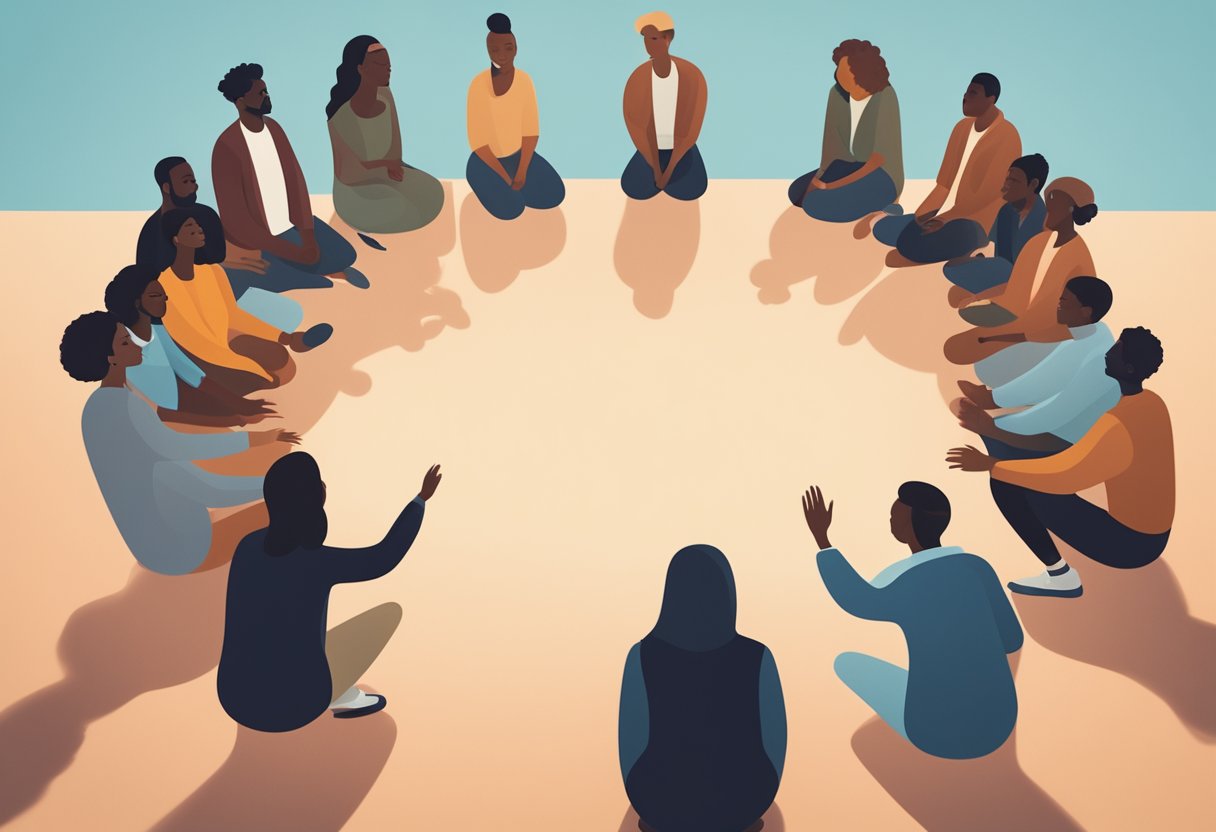
After overcoming lymphoma, I learned that a community thrives when its members uplift each other. Here’s how we can foster resilience together.
Role of Family and Social Support
Families lay the foundational stones of support, offering a safe space where words of encouragement foster resilience.
By sharing clear and accessible information about cancer, families can transform fear into proactive health management. In my journey, the language used at home influenced my outlook; it was always constructive and free from pity.
Social support extends beyond the household; it includes friends, colleagues, and even acquaintances rallying to uplift.
The presence of a robust social network can instill a sense of normality and mental fortitude, vital for men who might prefer to face challenges stoically.
Virtual Networks and Advocacy
The digital age gifts us virtual networks—a web of support accessible with a click.
Platforms like Instagram became arenas where I, along with others, inspire and lead by example, demonstrating that thriving is possible.
Advocacy grows organically online, giving rise to initiatives like the Empowered Health Program.
Such movements, supported by entities like the CDC Foundation, help disseminate knowledge and resources, making the empowered health community a concept and a lived experience.
My engagement in advocacy underscores the collective fight against cancer and the pursuit of a healthy, active lifestyle for my peers.
On The Other Hand

I’ve been through the grueling journey of lymphoma not once but twice. Through this, I’ve found strength in a mindset that embraces change and seeks resilience.
In engaging with fellow survivors, especially men wrestling with their cancer battles, I’ve noticed a common skepticism regarding the shift in perspective from merely enduring to genuinely thriving.
My experience tells me that this skepticism arises from fear and uncertainty. We often cling to familiar habits, even when they don’t serve our wellbeing.
This is especially true in the face of illness, where the overwhelming focus tends to be on the physical aspects of recovery. However, while our bodies wage war against the cells gone awry, we must not neglect our mental fortitude.
Here’s how I’ve seen this mindset foster growth:
- Option to Embrace Growth: It gave me a way to approach my struggles with a sense of purpose, finding lessons in the most challenging days.
- Resilience as a Skill: Each setback honed my ability to bounce back, building my resilience like a muscle through consistent practice.
- Connection as a Catalyst: By sharing my story, I tapped into a well of support that bolstered my journey and enabled me to do the same for others.
Witnessing peers dismiss the power of an empowering mindset, I understand where they come from. It’s a defense mechanism, an anchor in the tumultuous sea of treatment and uncertainty. Yet, I stand as proof that there’s a fulcrum we men can pivot on—where acceptance of our vulnerability intersects with our inherent strength.
Final Thoughts
As someone who has faced lymphoma not once but twice, I’ve come to understand the power of resilience. I know the struggles that we men endure can feel isolating. That’s why an empowering mindset has been my compass.
I remind myself daily to focus on what I can control – my attitude, my actions, and my health management.
I create daily goals, no matter how small, and celebrate each victory. This habit gives me a sense of progress and control.
I also spend time in activities I love, like basketball, which reinforces a sense of normalcy and joy.
Furthermore, I learn from others who face similar challenges. This has fostered in me an understanding that I‘m not alone.
I extend the same support to fellow survivors, offering my ear, advice, and camaraderie. I’m committed to thriving and helping others do the same.
Remember, adversity doesn’t define us; our response to it does. I choose strength, I choose hope, and I prefer to thrive. Join me, and together, let’s navigate this path with determination and grace. -T
Frequently Asked Questions
As a two-time lymphoma survivor, I aim to share insights that could resonate with fellow cancer fighters, specifically men navigating this challenging path.
What are effective ways to support someone diagnosed with cancer?
I found that genuine companionship was a pillar during my treatment. Offering to attend appointments or simply being present can provide immense comfort to someone battling cancer.
How does maintaining a favorable attitude impact cancer treatment and recovery?
A positive attitude was my ally, bolstering my resilience against overwhelming odds. It fostered a mindset geared toward recovery and helped me engage more effectively with my treatment.
What are the key emotional needs of individuals battling cancer?
I noticed that others and I craved understanding without pity. Emotional needs often revolve around the desire for normalcy and assurance that our feelings, whether fear or hope, are acknowledged.
Which lifestyle changes contribute to improved outcomes for cancer survivors?
Embracing an active lifestyle with regular exercise suited for one’s capacity can improve physical function and elevate mood, which I found crucial in my survivorship.
How can a cancer patient cultivate an empowering mindset during their journey?
I cultivated an empowering mindset by setting achievable goals, celebrating small victories, and focusing on what I could control rather than what I couldn’t make a significant difference.
What strategies help improve the quality of life for those living with cancer?
Adapting routines to incorporate stress-reducing practices such as mindfulness and strengthening social ties proved that quality of life could improve amidst the cancer journey.
