

Immersing in Nature’s Healing Embrace

Forest bathing, also known as Shinrin-yoku, is the practice of immersing oneself in nature and soaking in the atmosphere of a forest or other natural environment. Forest bathing has been shown to have numerous health benefits, including reducing stress, improving mood, and boosting the immune system.
As a cancer survivor, I have found that forest bathing has been particularly helpful in managing the physical and emotional challenges of cancer.
For men with cancer, forest bathing can be a helpful complementary therapy to traditional cancer treatments. The natural environment can provide a sense of calm and peace, which can be challenging in a hospital or clinic setting. Forest bathing can also help reduce stress and anxiety, which are common side effects of cancer and its treatments. Men with cancer can improve their overall well-being and quality of life by spending time in nature.
At its core, forest bathing is a solution-based approach to health and wellness. Rather than relying solely on medication and medical treatments, forest bathing encourages individuals to participate actively in their health and well-being. By spending time in nature and engaging in mindful practices, men with cancer can take control of their health and find a sense of peace and calm amid a difficult journey.
Understanding Forest Bathing
As cancer thrivers, we know how important it is to take care of our health. One way to do this is by spending time in nature and practicing forest bathing, also known as shinrin-yoku.
Origins of Shinrin-Yoku
Shinrin-Yoku originated in Japan in the 1980s to combat stress and promote relaxation. It involves immersing ourselves in nature and using our senses to connect with the environment.
Principles of Forest Therapy
The principles of forest therapy involve slowing down and being present in the moment. This means putting away our phones and other distractions and focusing on the natural world. We can engage our senses by listening to the sounds of the forest, feeling the texture of the bark on trees, and breathing in the fresh air.
One of the key components of forest bathing is the exposure to phytoncides, which are volatile compounds emitted by trees. These compounds have been shown to have anti-inflammatory and immune-boosting effects, making them beneficial for our health.
By incorporating forest bathing into our routine, we can reap the benefits of spending time in nature. It can help reduce stress, improve mood, and boost our immune system. Plus, it’s a fun way to exercise and connect with the natural world around us.
Let’s make it a priority to spend time in nature and practice forest bathing as a way to support our health and well-being.
Health Benefits of Forest Bathing
As cancer thrivers, we know how important it is to take care of our bodies and minds. Forest bathing, also known as shinrin-yoku, is a practice that involves spending time in nature and immersing ourselves in the sights, sounds, and smells of the forest. This practice has been shown to have numerous health benefits, including boosting immune function, reducing stress and anxiety, and improving cardiovascular and metabolic health.
Boosting Immune Function
Forest bathing has increased the number of natural killer cells in our bodies. These cells fight off viruses and cancer cells, making them essential to our immune system. Additionally, spending time in nature has increased the production of anticancer proteins, such as Granulysin and Granzyme B, which can help prevent cancer from spreading.
Reducing Stress and Anxiety
Stress is a common problem for cancer thrivers, and forest bathing can be an effective way to reduce stress and anxiety. Spending time in nature has lowered cortisol levels, a stress hormone, and reduced blood pressure. Additionally, the sights and sounds of the forest can have a calming effect on our minds, helping us to feel more relaxed and at ease.
Improving Cardiovascular and Metabolic Health
Forest bathing has also positively affected our cardiovascular and metabolic health. Spending time in nature can lower blood pressure, reduce inflammation, and improve insulin sensitivity. Additionally, the physical activity involved in forest bathing, such as walking or hiking, can help improve cardiovascular health and reduce the risk of heart disease.
Forest bathing is a simple yet effective way to improve our health and well-being as cancer thrivers. By spending time in nature and immersing ourselves in the forest’s sights, sounds, and smells, we can boost our immune function, reduce stress and anxiety, and improve our cardiovascular and metabolic health. So, let’s lace up our hiking boots and head out into the great outdoors!
Forest Bathing as a Complementary Therapy for Cancer
As cancer Thrivers, we know that the road to recovery is not easy. It takes a lot of effort to regain our physical and mental health. That’s why we are always looking for new and effective complementary therapies to help us heal. One such therapy that has gained popularity in recent years is Forest Bathing.
Enhancing Immunity in Cancer Patients
Forest Bathing, also known as Shinrin-yoku, is a practice that involves immersing oneself in the natural environment of a forest. Studies have shown that spending time in nature can help boost the immune system of cancer patients [1]. Nature can reduce stress and anxiety, which in turn can help improve the body’s immune response. This is especially important for cancer patients who are undergoing treatment, as chemotherapy and radiation therapy can weaken the immune system.
Emotional and Psychological Recovery
Besides enhancing immunity, forest bathing can help with emotional and psychological recovery. Cancer can take a toll on our mental health, and it is essential to have therapy that can help us cope with the stress and anxiety that comes with it. Studies have shown that spending time in nature can help reduce stress levels and improve mood [2]. Forest Bathing can be a great way to unwind and relax, which can help us in our journey towards emotional and psychological recovery.
Forest bathing can be an effective complementary therapy for cancer Survivors looking for ways to enhance their immunity and improve their emotional and psychological well-being. It is a simple and natural therapy that can easily be incorporated into our daily routine. So, let’s take a walk in the woods and let nature do its magic.
[1] Effects of forest environment (Shinrin-yoku/Forest bathing) on health: A systematic review update. https://www.ncbi.nlm.nih.gov/pmc/articles/PMC9665958/
[2] Can forest therapy enhance health and well-being? https://www.health.harvard.edu/blog/can-forest-therapy-enhance-health-and-well-being-2020052919948
Practical Guide to Forest Bathing

As cancer thrivers, we know how important it is to take care of our physical and mental health. Forest bathing is a great way to connect with nature and improve our well-being. Here are some practical tips to get the most out of your forest bathing experience.
Choosing the Right Environment
When selecting a forest to visit, choose a location that resonates with you. It could be a nearby hiking trail or a national park. Make sure the environment is safe and accessible for your physical abilities. If you are new to hiking, start with a short trail and gradually increase the distance and difficulty level.
Incorporating Mindfulness and Meditation
Mindfulness and meditation can enhance your forest bathing experience. Before you walk, take a few deep breaths and clear your mind. Focus on your surroundings and engage your senses. Notice the colors, smells, and sounds around you. You can also try a guided meditation or visualization exercise to deepen your connection with nature.
Remember that forest bathing is not a competition or a workout. Take your time and enjoy the journey. Pause and reflect on your experience throughout the walk. After your forest bathing session, take some time to rest and reflect on your experience.
We can improve our physical and mental health by incorporating forest bathing into our routine. It is an excellent way to reduce stress, boost our immune system, and connect with nature. Take the first step and start exploring the forests around you.
Scientific Evidence Supporting Forest Bathing

As cancer thrivers, we know the importance of taking care of our physical and mental well-being. One way to do this is by practicing forest bathing, a nature therapy that involves immersing ourselves in the forest atmosphere and taking in the natural environment through our senses.
Forest bathing has been scientifically proven to have numerous physiological and psychological benefits. Regarding physiological measurements and outcomes, studies have shown that forest bathing can lower blood pressure, decrease heart rate, and reduce stress levels. It has also improved immune function, increased natural killer cell activity, and reduced inflammation.
In addition to the physiological benefits, forest bathing has been found to have positive psychological effects and mood improvements. Research has shown that spending time in nature can improve attention and cognitive function, reduce symptoms of depression and anxiety, and increase feelings of happiness and well-being.
Regarding cancer thrivers, forest bathing can be especially beneficial for reducing stress levels and fatigue, which are common side effects of cancer treatment. Spending time in nature can recharge our batteries and improve our overall quality of life.
It’s important to note that while forest bathing can be a helpful tool for improving our physical and mental health, it should not be used as a substitute for medical treatment. It is simply one of many strategies we can use to support our well-being.
Forest bathing has been scientifically proven to have numerous physiological and psychological benefits. By immersing ourselves in nature and taking in the natural environment through our senses, we can reduce stress levels, improve mood, and support our overall health and well-being.
Comparative Analysis of Forest and Urban Environments

Living in urban environments can have a significant impact on our health. The constant exposure to pollution, noise, and artificial light can lead to various health problems, including respiratory issues, cardiovascular disease, and mental health disorders. As cancer thrivers, we must be particularly mindful of the impact of urban living on our health.
Impact of Urban Living on Health
Studies have shown that people who live in urban areas have a higher risk of developing cancer than those who live in rural areas. This is partly due to the increased exposure to pollution and other environmental toxins. In addition, urban living can also lead to a sedentary lifestyle, which is a risk factor for cancer and other chronic diseases.
Benefits of Time Spent in Nature
On the other hand, spending time in nature has been shown to have numerous health benefits. Forest bathing, a form of nature therapy, has recently gained popularity. Forest bathing involves spending time in a forest or other natural environment and engaging with nature through our senses.
Studies have shown that forest bathing can positively impact physical and mental health. It can lower blood pressure, reduce stress, boost our immune system, and even improve our mood. Forest bathing can also be a form of physical activity, another vital cancer prevention and recovery factor.
Spending time in nature, particularly in a forest environment, can positively impact our health and well-being. As cancer thrivers, we must be mindful of the impact of urban living on our health and make an effort to spend more time in nature.
Integrating Forest Bathing into Daily Life
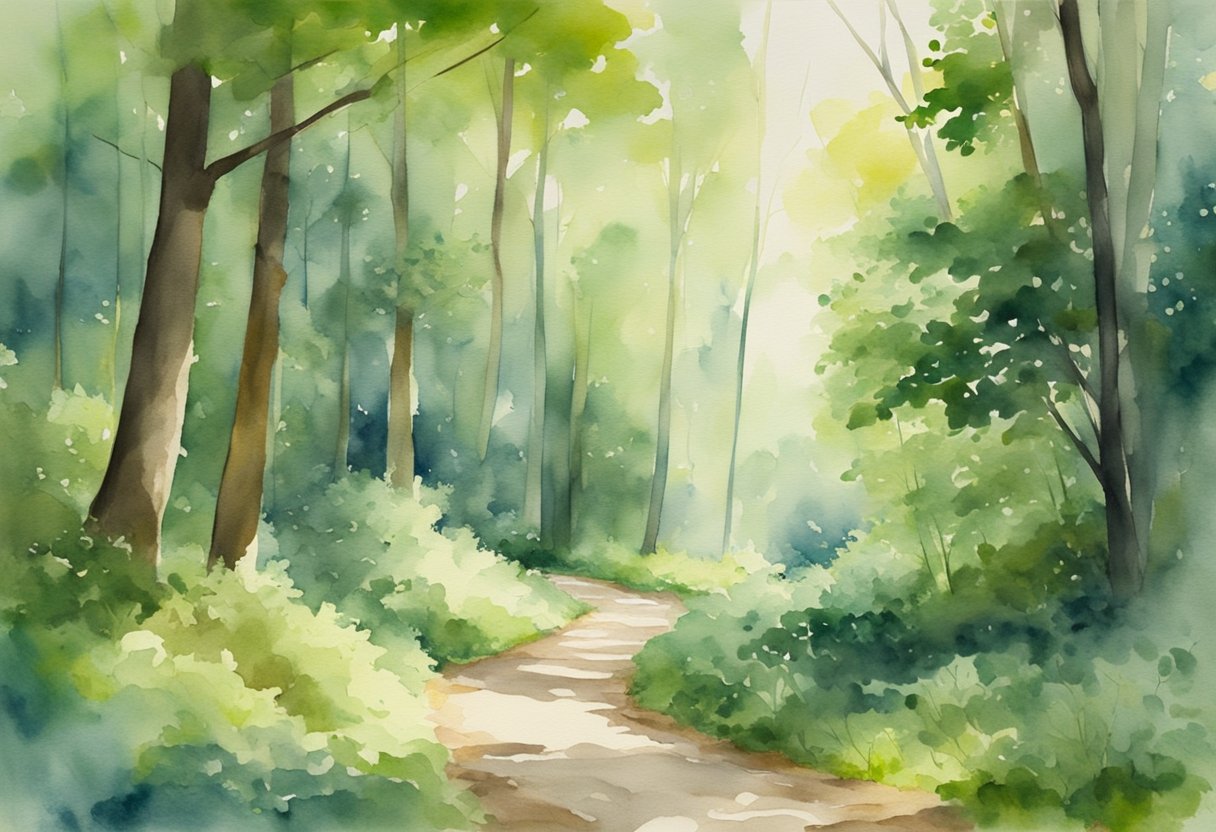
As cancer thrivers, stress management is crucial for our overall well-being. One way to reduce stress and improve our health is by incorporating forest bathing into our daily routine. Even in an urban area, there are ways to connect with nature and experience the benefits of forest bathing.
Strategies for Urban Dwellers
Living in a city can make finding a forest to bathe in challenging. However, there are still ways to experience the benefits of nature. One strategy is to visit a local park or community garden. Spending time in these green spaces can help reduce stress and improve our mood. Another approach is to bring nature into our homes. We can do this by adding plants to our living spaces or using essential oils that mimic the scents of the forest.
Creating a Personal Forest Bathing Routine
To make forest bathing a regular part of our daily routine, we must create a personalized plan. This may involve scheduling time in our day to walk in nature or find a quiet spot to meditate outside. We can also create a forest bathing kit with items like a journal, a blanket, and a water bottle. These items can help make our forest bathing experience more enjoyable and comfortable.
Incorporating outdoor recreation into our daily routine is an excellent way to reduce stress and improve our health. By creating a personalized forest bathing routine, we can experience the benefits of nature, even if we live in an urban area.
Final Thoughts…

As cancer thrivers, we know firsthand how important it is to take care of our bodies and minds. Forest Bathing has been shown to have numerous health benefits, including reducing stress, boosting immune function, and improving mood.
For men with cancer, the benefits of Forest Bathing cannot be overstated. It provides a much-needed escape from the stress and anxiety that often accompanies a cancer diagnosis. Spending time in nature can help us feel more grounded, centered, and connected to something larger than ourselves.
We encourage all cancer thrivers to consider incorporating Forest Bathing into their self-care routine. It doesn’t have to be a long hike or an elaborate trip – even just a few minutes spent sitting under a tree or walking through a local park can make a big difference.
Remember, self-care isn’t selfish – it’s essential. By caring for ourselves, we can better care for those around us. So, next time you’re feeling overwhelmed or stressed, take a deep breath, head outside, and enjoy the healing power of nature. -T
Frequently Asked Questions
How does forest bathing influence the activity of natural killer cells?
Forest bathing has been shown to increase the activity of natural killer (NK) cells, a type of white blood cell that plays a crucial role in fighting cancer and other diseases. According to a study published in the International Journal of Immunopathology and Pharmacology, a two-hour forest bathing session can increase NK cell activity for up to seven days. The phytoncides, or essential oils released by trees, are believed to be responsible for this effect.
Can the practice of forest bathing have lasting effects on one’s health?
Yes, forest bathing can have lasting effects on one’s health. A study published in the Journal of Physiological Anthropology found that a two-hour forest bathing session can lower cortisol levels, reduce blood pressure, and improve overall mood for up to 30 days. The anticancer effects of forest bathing can also have long-lasting benefits for cancer survivors.
What are the benefits of forest therapy for those living with cancer?
Forest therapy can provide a range of benefits for those living with cancer. In addition to boosting the activity of NK cells, forest therapy has been shown to reduce inflammation, improve immune function, and alleviate symptoms of anxiety and depression. According to a study published in the Journal of Alternative and Complementary Medicine, forest therapy can also improve the quality of life for cancer patients by reducing fatigue and improving sleep.
How often is it recommended to engage in forest bathing for optimal health benefits?
There is no one-size-fits-all answer to this question, as the optimal frequency of forest bathing can vary depending on a person’s needs and circumstances. However, many experts recommend engaging in forest bathing at least once a week to reap the full benefits of this practice.
Can forest bathing be effectively practiced indoors for those unable to access a forest?
While forest bathing is traditionally practiced outdoors in a natural forest setting, some studies suggest that indoor environments can also provide similar benefits. For example, a study published in the International Journal of Environmental Research and Public Health found that indoor forest therapy using potted plants and essential oils can improve mood and reduce stress.
What are phytoncides, and how do they contribute to the anticancer effects of forest bathing?
Phytoncides are essential oils released by trees that have been shown to provide various health benefits, including anticancer effects. According to a study published in the International Journal of Immunopathology and Pharmacology, phytoncides can stimulate the activity of NK cells and other immune cells, which can help to prevent and fight cancer. Additionally, phytoncides have been shown to have anti-inflammatory, anti-microbial, and antioxidant properties, which can further contribute to their health benefits.
