

Unlock Healing and Strength
Gentle yoga routines can be transformative for men battling cancer, promoting strength, flexibility, and stress relief. The healing journey often involves both physical and mental resilience. Gentle yoga aids in regaining balance and is vital in this process.
Gentle Yoga can aid in regaining flexibility, balance, and strength. We know what it’s like to face the challenges of cancer treatments and their side effects. Yoga practices, tailored specifically for male cancer warriors, help manage these difficulties by fostering relaxation and improving overall well-being.
Incorporating Yoga into our daily routine has positively impacted our healing journey. Practices like the warrior pose, or mindfulness meditation can lessen treatment-related symptoms, making it an invaluable resource for anyone on this path.
Key Takeaways
- Gentle Yoga helps restore flexibility, balance, and strength.
- Yoga reduces treatment-related symptoms and stress.
- Regular practice improves mental and physical well-being.
Understanding Cancer in Men

Cancer affects men in various ways, impacting their physical health, emotional well-being, and overall quality of life. Recognizing the signs and understanding the common types of cancer in men is essential for early detection and effective treatment.
Diagnosis and Common Types
Early diagnosis of cancer in men is crucial for successful treatment. Common cancers among men include prostate cancer, lung cancer, and colorectal cancer. Prostate cancer, one of the most prevalent, often shows no symptoms early on, making regular screenings vital. Lung cancer is frequently linked to smoking and requires prompt attention due to its aggressive nature. Colorectal cancer, which affects the colon or rectum, can be detected through routine colonoscopies.
Blood cancers, such as lymphoma and leukemia, differ as they originate in the bone marrow and lymphatic system. Diagnosing these necessitates specific blood tests and bone marrow biopsies. Symptoms often include fatigue, unexplained weight loss, and frequent infections. Prompt medical checks can lead to early detection and improved treatment outcomes.
How Cancer Affects Men’s Bodies
Cancer impacts the body in various ways, depending on the type and stage. Prostate cancer may cause urinary problems, while lung cancer often leads to breathing difficulties and a chronic cough. Colorectal cancer can cause changes in bowel habits, including blood in the stool.
Blood cancers like lymphoma can cause swollen lymph nodes, fever, and night sweats. Both lymphoma and leukemia weaken the immune system, making it easier to get infections. Treatments like chemotherapy and radiation have side effects, including nausea, hair loss, and fatigue. Knowing these effects helps us gauge what our bodies might endure and better prepare for managing them.
Emotional Impact of Cancer
A cancer diagnosis profoundly impacts mental health. Feelings of fear, anxiety, and depression are common. The journey through treatment can be a rollercoaster of emotions. Support from family, friends, and mental health professionals is vital to navigate these challenges.
Men might struggle with feelings of vulnerability or inadequacy, mainly when treatment affects physical appearance or sexual health. Staying connected with support groups can provide a sense of community and understanding. Practices like gentle Yoga can also aid relaxation and stress reduction. Addressing the emotional side of cancer is as crucial as treating the physical symptoms.
The Role of Yoga in Cancer Recovery

Gentle Yoga can aid in regaining flexibility, balance, and strength. It’s a mindful practice that promotes relaxation, helps reduce stress, and enhances overall well-being, especially for those recovering from cancer treatments.
Benefits of Gentle Yoga
Gentle Yoga offers therapeutic benefits that help us manage cancer treatment side effects. Combined with breathing exercises, gentle poses reduce stress and promote peace. This practice also improves our quality of life by lowering anxiety and enhancing mood.
Regular gentle yoga sessions can improve sleep patterns, a frequent issue among cancer patients. Yoga also enhances our immune function, helping to combat the fatigue common in recovery.
Yoga for Physical Rehabilitation
Yoga aids significantly in physical rehabilitation. Cancer treatments often leave our bodies weak and unsteady. Gentle Yoga helps us regain strength, balance, and flexibility. It includes simple stretches and gentle movements that accommodate our varying levels of fitness and health.
By focusing on controlled movements, Yoga reduces the risk of injury while promoting muscle recovery. Yoga also helps in managing chronic pain, a frequent challenge for those of us recovering from cancer treatments.
Yoga for Emotional Healing
Emotional healing is a crucial part of recovering from cancer. Gentle Yoga creates a space to reconnect with our inner selves and find peace. Practices such as meditation and mindfulness in yoga help calm our minds and reduce anxiety.
The social aspect of Yoga can also be comforting. Practicing with others who understand our journey fosters a sense of community and support. This emotional connection is invaluable as we navigate through the hurdles of recovery.
Yoga Practices for Cancer Warriors
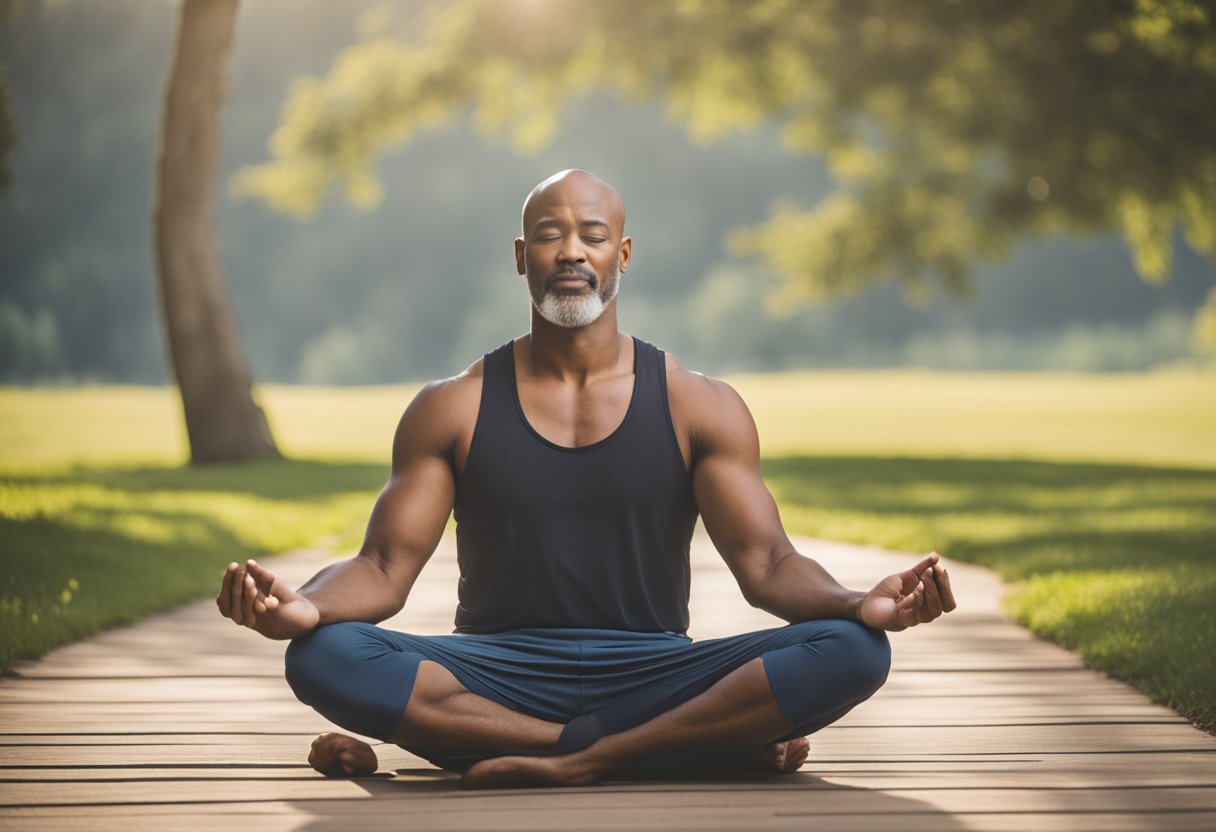
Gentle Yoga can aid in regaining flexibility, balance, and strength. It’s a mindful practice that promotes relaxation, helps reduce stress, and enhances overall well-being, especially for those recovering from cancer treatments.
Starting with Hatha Yoga
We begin our journey with Hatha Yoga, known for its gentle and slow-paced exercises. Hatha Yoga incorporates basic poses that focus on alignment and breathing. This helps us to ease into Yoga without overexerting our bodies.
Classes often start with simple seated poses that enhance flexibility.
Sun Salutation and Mountain Pose are foundational, building our core strength and balance. These gentle motions feel comforting and boost circulation. Our breathing becomes synchronized with movements, which aids relaxation and stress reduction.
Hatha Yoga is particularly beneficial after treatments. It allows us to regain our body’s natural flexibility and strength slowly. The slow motions ensure we are not pushing our limits, providing a safe path to recovery.
Vinyasa Yoga for Adaptability
Vinyasa Yoga emphasizes adaptability through flowing sequences. As survivors, the fluid transition of poses improves our flexibility and keeps us engaged. Vinyasa can be adjusted to our energy levels.
We may practice sequences like the Warrior Series, which strengthens our muscles. Syncing each movement to a breath cycle, we stay focused and centered.
The adaptability of Vinyasa allows us to modify poses to our immediate needs. Whether we feel energetic or prefer a more relaxed flow, Vinyasa accommodates our requirements. Such versatility ensures our routine remains effective yet gentle on our bodies.
Restorative Poses for Wellness
Restorative Yoga focuses on wellness, using props to help us hold poses comfortably. These poses help us release deep tension and stress, promoting healing.
We use blankets, bolsters, and blocks to support the body. Poses like the Reclining Bound Angle Pose encourages complete relaxation. These sessions are designed to rest, renew, and restore physical and mental well-being.
Through Restorative Yoga, we prioritize our healing journey. Gentle stretches and supported positions nurture our bodies. This practice enables profound relaxation and is ideal for days when we need extra care.
Managing Treatment Side Effects with Yoga
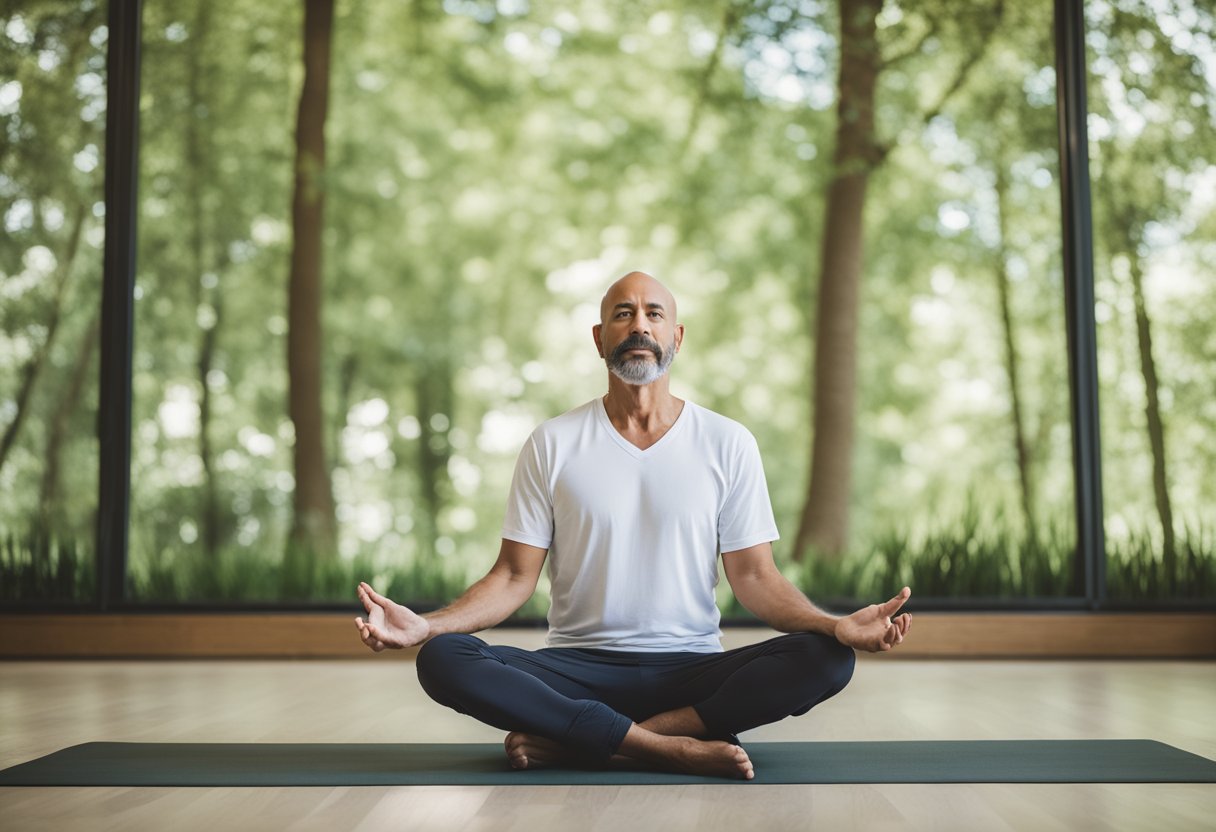
Gentle Yoga can aid in regaining flexibility, balance, and strength. It’s a mindful practice that promotes relaxation, helps reduce stress, and enhances overall well-being, especially for those recovering from cancer treatments.
Coping with Chemotherapy
Chemotherapy often causes fatigue, nausea, and neuropathy. Gentle Yoga can help us manage these side effects. Practicing Yoga can boost our energy levels, making it easier to get through the day.
Simple poses, like child’s pose and cat-cow stretch, help relieve fatigue. Deep breathing techniques calm our nervous system, reducing nausea. Gentle stretching can alleviate neuropathy symptoms by improving circulation and nerve function.
Poses to Try:
- Child’s Pose: Restorative and calming.
- Cat-Cow Stretch: Enhances mobility and reduces stiffness.
- Legs Up the Wall: Eases swelling and promotes relaxation.
These poses and techniques make it easier to cope with chemotherapy’s challenges.
Radiation and Recovery
Radiation therapy can lead to skin irritation and extreme tiredness. Gentle yoga routines offer a way to ease these symptoms and support recovery. Practicing Yoga helps increase our energy levels and improves our body’s healing ability.
Poses such as mountain poses, and gentle twists enhance flexibility without straining the body. Savasana (corpse pose) aids relaxation and sleep. Combining these poses with mindful breathing can address treatment-related insomnia and stress.
Yogic Practices:
- Mountain Pose: Builds strength and stability.
- Gentle Twists: Relieves tension and promotes digestion.
- Savasana (Corpse Pose): Encourages deep relaxation.
Alleviating Pain and Nausea
Pain and nausea can persist long after treatments conclude. Yoga offers practical solutions for managing these ongoing symptoms.
Gentle Yoga helps us focus on mindful movement and breath control, which can significantly reduce discomfort.
Poses such as seated forward bend and reclining bound angle pose provide relief by stretching our muscles and calming our minds. Practicing pranayama (controlled breathing) techniques can reduce pain perception and soothe nausea.
Pain Relief Poses:
- Seated Forward Bend: Stretches the spine and calms the mind.
- Reclining Bound Angle Pose: Opens the hips and promotes relaxation.
- Pranayama (Breathing Exercises): Controls pain and nausea.
Utilizing these yoga practices helps us manage persistent pain and nausea effectively, enhancing our quality of life.
Meditation and Mindfulness for Cancer Patients

Meditation and mindfulness can be life-changing for cancer patients. These practices help manage stress, improve mental clarity, and promote a more profound sense of spiritual well-being.
Integrating Mindfulness Exercises
Mindfulness exercises help us stay present. Techniques like the body scan or walking meditation encourage us to remain aware of our body and surroundings.
These practices can help reduce stress, which may lower cortisol levels.
- Body scan: Lie down, close your eyes, and focus on each body part from toes to head.
- Walking meditation: Walk slowly, paying attention to each foot’s movement and the ground’s sensation.
Mindful activities, even simple ones like mindful eating, keep us anchored in the present, preventing our minds from wandering into worries or stress about the future.
Breathing Techniques and Relaxation
Breathing exercises are fundamental in reducing stress and promoting relaxation. Deep breathing can help calm the nervous system and has been shown to reduce cortisol levels.
- Deep Breathing: Sit comfortably, close your eyes, and inhale deeply through your nose. Exhale slowly through your mouth.
- 4-7-8 Breathing: Inhale for 4 seconds, hold for 7 seconds, and exhale for 8 seconds.
These techniques are easy to incorporate into our routine. Even a few minutes of focused breathing can significantly affect our stress levels, allowing us to think more clearly and feel more at ease.
Fostering Spiritual Well-Being
Spiritual well-being is an essential aspect of healing. Meditation and mindfulness help us connect with our inner selves and find peace amid chaos.
Practices like loving-kindness meditation focus on fostering positive feelings towards ourselves and others.
- Loving-Kindness Meditation: Sit quietly and silently repeat phrases like “May I be happy” and “May others be free from suffering.”
These practices foster relaxation and a more profound sense of purpose and connection. These practices encourage us to live more mindfully and compassionately, which is crucial for overall healing and well-being.
Lifestyle Advice for Male Cancer Patients
Regaining strength and improving overall well-being after cancer treatment involves multiple lifestyle changes. Focusing on nutrition, building a support network, and effective communication with healthcare providers is critical for recovery.
Nutrition and Diet
Eating a balanced diet plays a crucial role in recovery. We should prioritize lean proteins like chicken and fish, which help rebuild muscle.
Fresh fruits and vegetables provide vitamins and antioxidants that support our immune system. Whole grains, such as quinoa and brown rice, give us essential fiber for digestion.
Hydration is also crucial. Drinking plenty of water keeps us hydrated and aids in detoxifying our body.
Limiting processed foods, sugars, and red meats helps reduce inflammation and stabilize energy levels.
We can also consult a nutritionist to create a personalized meal plan catering to our needs.
This ensures a dietary approach tailored to our unique situation, helping us recover faster.
Community and Support
Building a solid support system is essential for emotional and mental health during recovery. Joining support groups, whether online or in-person, allows us to connect with others who understand our journey.
Sharing experiences and advice can be incredibly therapeutic.
It’s also helpful to stay active within our community. Engaging in social activities or volunteering can provide a sense of purpose and keep our spirits high.
Establishing a routine that includes time for family and friends strengthens our emotional support network.
Practicing gentle Yoga can also be a supportive activity. Yoga helps physical recovery and offers mental relaxation, reducing stress and anxiety.
Communication with Healthcare Providers
Maintaining open and regular communication with our healthcare team is vital. We should keep all appointments with our oncologist and other specialists to monitor our progress.
Preparing questions and concerns ahead of visits ensures we make the most of each interaction.
Keeping a medical journal can help track symptoms, medications, and any side effects we experience. This information is valuable during appointments and allows our doctors to adjust treatments accordingly.
We should also inform our healthcare providers about any complementary therapies we are considering, such as supplements or alternative treatments, to ensure they align with our overall treatment plan.
Clear communication helps tailor the best care for our recovery journey.
Incorporating Gentle Yoga into Daily Life
Gentle Yoga can aid in regaining flexibility, balance, and strength. It’s a mindful practice that promotes relaxation, helps reduce stress, and enhances overall well-being, especially for those recovering from cancer treatments.
Creating a Sustainable Routine
Establishing a consistent yoga routine is critical to experiencing its benefits. We should start with short sessions, perhaps 10-15 minutes daily.
This allows our bodies to adjust gradually. Morning routines can invigorate us for the day ahead, while evening sessions help wind down and prepare for a better night’s sleep.
Incorporate simple poses like Child’s Pose and Cat-Cow to ease into practice.
Using resources like instructional videos or attending a gentle yoga class can provide guidance and build consistency. Tracking our progress in a journal helps us stay committed and visualize improvements.
Balance and Limitations
Recognizing our physical limitations is crucial in maintaining a healthy yoga practice. We need to listen to our bodies and avoid pushing too hard.
Gentle Yoga focuses on slow movements and deep breathing, making it suitable even when our energy levels fluctuate.
Staying mindful of balance and posture during poses prevents strain and injury. Modifying poses to suit our strength and flexibility ensures a safe practice.
Balancing on one leg, for instance, can be done near a wall for support.
It’s not about perfection but making progress within our limits and abilities.
Self-Care and Continuity
Integrating self-care into our yoga routine enhances the practice.
Paying attention to our body’s signals helps tailor sessions to how we feel daily. On days when we’re fatigued, gentle stretching and breathing exercises might be enough.
Continuity in practice is essential for long-term benefits. Establishing a routine that fits our lifestyle makes it easier to stick with it.
Engaging in activities that support our immune system, such as adequate sleep, hydrating, and eating well, complements our yoga practice.
The Debate
When discussing the benefits of gentle Yoga for male cancer warriors, some raise concerns about its effectiveness.
Some critics argue that scientific evidence is limited. While some studies show Yoga helps reduce anxiety and depression in cancer patients, others say more research is needed to confirm its benefits for specific types of cancer, like prostate cancer.
A study involving 29 men with prostate cancer showed promising results. Men who practiced Yoga twice a week reported less fatigue, fewer sexual side effects, and better urinary function (Yoga improves treatment-related symptoms in men with prostate cancer).
These findings were encouraging, yet some believe the small sample size limits the study’s reliability.
Another issue is the accessibility of yoga classes. Many men undergoing cancer treatment may live in rural areas, making it harder to find specialized yoga instructors. Additionally, the cost of classes might be a barrier for some patients, especially those facing financial burdens due to medical expenses.
Pros of Gentle Yoga:
- Reduced anxiety and depression
- Improved flexibility and balance
- Enhanced sense of well-being
Cons:
- Limited scientific evidence
- Accessibility challenges
- Potential costs
Educating people about the potential benefits of Yoga while acknowledging these concerns can help us find a balance. It’s about making informed choices and providing support to those in need.
Final Thoughts
Our journey with lymphoma has taught us many lessons. Incorporating gentle Yoga into our routine has been transformative. It’s helped us regain our strength, balance, and flexibility.
Yoga has also offered a sanctuary for mental peace. The practice encourages mindfulness, aiding in stress reduction and promoting calm.
For those recovering from cancer treatments, gentle Yoga isn’t just exercise—it’s a pathway to healing.
The poses, breathing, and meditations foster a positive outlook and improved well-being.
As we continue on this path, let us embrace gentle Yoga as a valuable part of our recovery and wellness toolkit. Doing so supports our bodies and minds, making each day a step forward. -T
Frequently Asked Questions
Gentle Yoga helps men with cancer regain movement, reduce stress, and support their physical and mental health. It can be a valuable part of recovery.
What are the benefits of gentle Yoga for male cancer patients?
Gentle Yoga helps increase flexibility and balance. By engaging in mindful movements, we can reduce stress and find relaxation. This practice can also improve strength and enhance our well-being during and after cancer treatments.
Which Yoga poses are recommended for males undergoing cancer treatment?
For men undergoing cancer treatment, poses such as Cat-Cow, Child’s Pose, and Legs-Up-The-Wall are beneficial. These poses help gently stretch muscles, relieve fatigue, and promote a sense of calm.
How often should male cancer survivors practice gentle yoga routines?
Yoga can be practiced 2-3 times a week. This frequency helps maintain flexibility and balance without causing strain. Consistency is crucial in reaping the benefits.
Are there specific gentle yoga routines for males with cancer to improve recovery?
Yes, routines that incorporate breathing exercises, gentle stretching, and short meditation sessions are ideal. These routines help regain strength and mental clarity, which is crucial for recovery.
What precautions should be taken while doing Yoga for males with cancer?
Listening to our bodies and avoiding any pose that causes pain or discomfort is essential. Consulting with a healthcare provider before starting any yoga routine ensures safety.
Can gentle Yoga enhance the well-being of male cancer warriors during chemotherapy?
Gentle Yoga can help us manage the side effects of chemotherapy. It alleviates stress, reduces anxiety, and improves our well-being.
Practicing mindful movements can support our journey through treatment.
