

A Comprehensive Guide For Male Cancer Warrior’s
Cycling can be a transformative journey, especially for those of us who have faced cancer. As survivors, we know the value of staying active and maintaining health. Cycling offers not only physical benefits but also mental relief.
Starting in cycling involves understanding how to select the right bike, adopt a proper riding posture, and manage some essential maintenance for a safe and enjoyable ride.
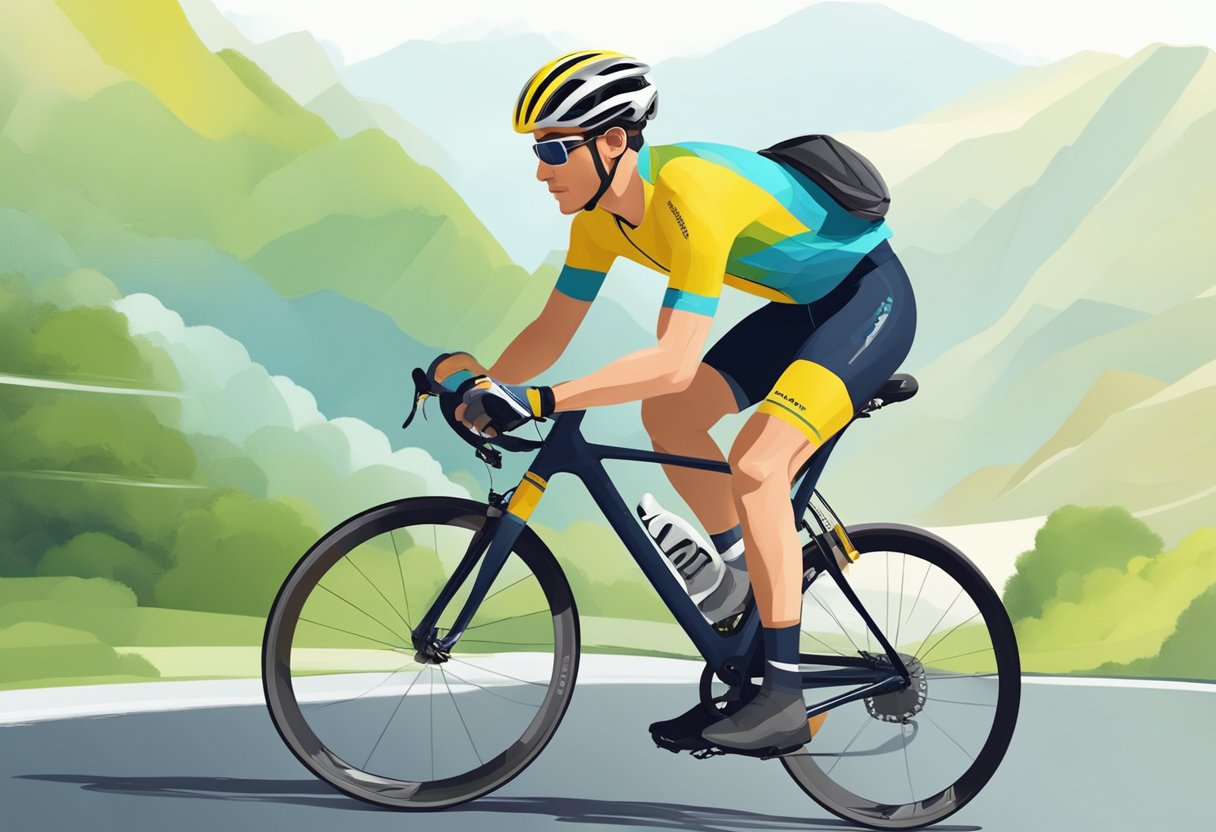
Getting started may seem challenging, but we can make it an enjoyable experience with the right tips. We found that sticking to a training plan that gradually builds endurance is key.
For instance, following a beginner’s cycling plan can help us reach our goals without getting overwhelmed. Tackling our rides with a sound support system and leveraging the cycling community can make all the difference.
For male cancer warriors, cycling becomes even more significant. It’s not just about fitness; it’s about reclaiming confidence and joy in life. Cycling helps us build strength and resilience while connecting with others who share our journey. Whether it’s tackling steep hills or conquering obstacles, we understand the triumph of each pedal stroke.
Key Takeaways
- Cycling enhances both physical fitness and mental well-being.
- A structured training plan aids gradual progress and keeps us motivated.
- Joining a cycling community provides support and inspiration.
Getting Started with Cycling
Selecting the right bike and gear ensures a safe and enjoyable ride. We cover basic bike maintenance tips to keep your cycling journey smooth and uninterrupted.
Choosing Your First Bike
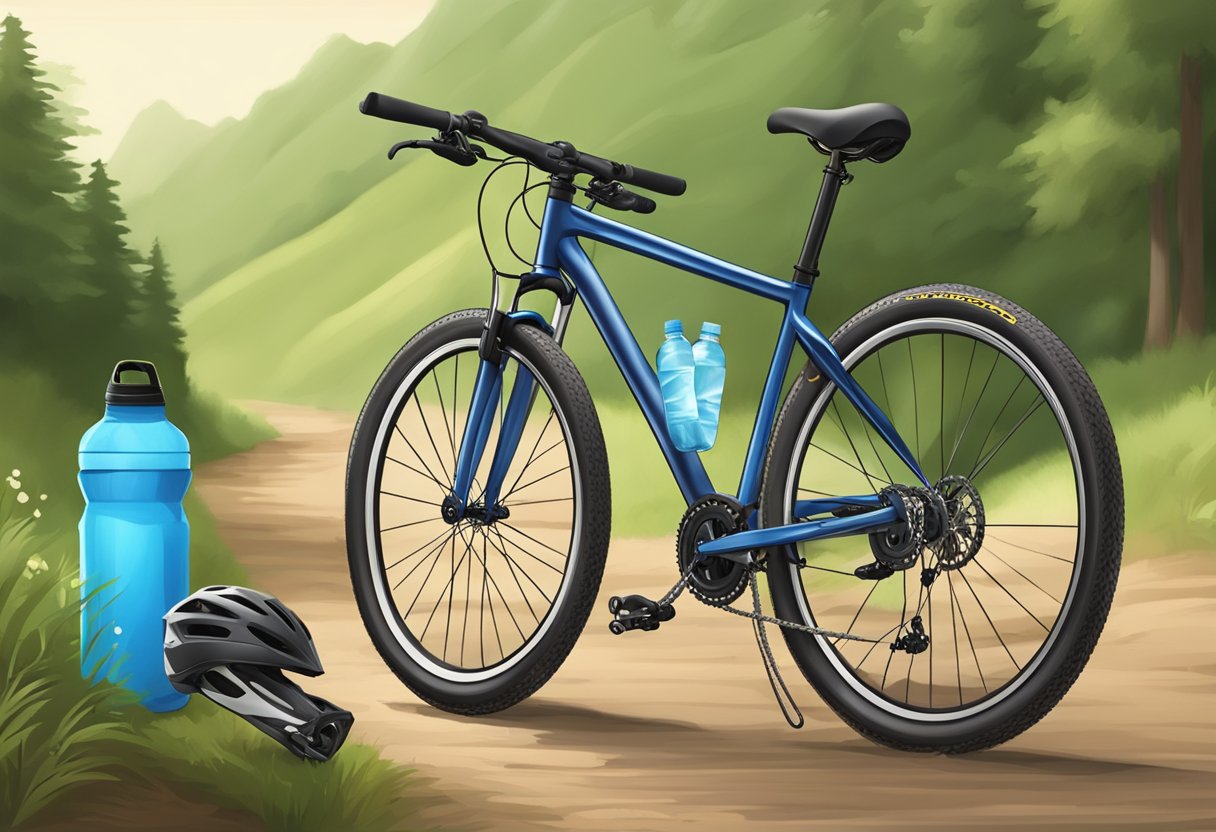
Selecting your first bike can be daunting. Finding a bike that suits your needs and body type is crucial.
Road bikes are famous for their speed and efficiency. For those who prefer a relaxed ride, consider a hybrid bike. Ensure the bike fits your size; a poor fit can lead to discomfort or injury.
Key Points:
- Look for a bike that suits your needs (road, hybrid, etc.)
- Ensure proper bike fit for comfort
- Test ride multiple bikes before choosing
- Seek advice from seasoned cyclists or shop professionals
Essential Gear for Every Cyclist
Wearing the right gear is essential for safety and comfort. A helmet is crucial to protecting your head during falls.
Shoes designed for cycling provide better grip and efficiency. Proper cycling apparel, like padded shorts, can make long rides more comfortable.
Basic Gear Checklist:
- Helmet: Protects against head injuries
- Cycling Shoes: Ensure better grip and pedal efficiency
- Lights: Front and rear lights for visibility
- Reflective Gear: Increase visibility during night rides
- Gloves: Offer better grip and hand protection
- Padded Shorts: Reduce saddle discomfort
Understanding the Basics of Bike Maintenance
Maintaining your bike is vital for safe riding. Regularly check the brakes to ensure they work correctly.
Keep the gears clean and well-lubricated. The saddle should be comfortable and adjusted based on your leg length.
Maintenance Tips:
- Brakes: Check before every ride for functionality
- Gears: Clean and lubricate to avoid rust and ensure smooth shifting
- Saddle: Adjust height for comfort and efficiency
- Tires: Keep them inflated to the correct pressure
- Bike Fit: Ensure the bike fits your size for optimal comfort
Developing a Training Plan
Crafting a training plan is vital for success. It should reflect our fitness level and ensure a balance between intense and stimulating activities.
Setting Realistic Goals
When we start, it’s critical to set attainable goals. Knowing our fitness level helps determine these goals.
For example, aiming to complete a 30-minute ride without feeling exhausted could be a starting point. As we progress, we can adjust these goals.
Tracking our progress is essential. It keeps us motivated and highlights improvements.
Small milestones, like increasing our ride duration by 10 minutes weekly, help build confidence. Documenting our achievements helps visualize progress.
Whether the distance covered or the effort exerted, seeing improvement inspires us to push further.
Incorporating Diverse Workouts
Including various workouts in our plan prevents boredom and keeps our training well-rounded.
For instance, adding a burst of effort during our midweek ride can enhance endurance. According to a training guide, a 20-minute high-effort session is beneficial.
Cross-training is also valuable. Incorporating activities like swimming or running strengthens different muscle groups.
It’s beneficial for overall fitness and adds variety to our routine, reducing the risk of burnout.
The Importance of Rest and Recovery
Rest is as significant as the workouts. Our bodies need time to recover and heal, especially after intense sessions.
Allocating specific rest days in our plan helps prevent injuries and overtraining. We should focus on light activities or complete rest during these rest days.
Proper sleep and nutrition aid recovery. We should ensure enough sleep and the correct nutrients to support muscle repair.
Hydration also plays a role in recovery. Drinking enough water helps our muscles and joints function effectively.
Exploring Unfamiliar Areas
Exploring new routes and terrains can revitalize our training. Riding in different areas can break the monotony and present new challenges.
It could be a park trail or a quiet countryside road. Each new route offers a unique experience.
Exploring different areas also allows us to discover new strengths and weaknesses.
Some routes highlight our endurance, while others test our climbing ability. This variety ensures that our training remains dynamic and engaging.
Improving Cycling Technique and Efficiency
Focusing on pedal strokes, riding position, and building speed and endurance can make a big difference when we start cycling. These aspects help us ride more efficiently and comfortably.
Mastering Pedal Stroke and Cadence
By mastering the pedal stroke, we can maximize our energy efficiency. Focus on making smooth, circular movements rather than just pushing down.
This helps distribute the work evenly across our muscles, reducing fatigue.
Cadence is the number of pedal revolutions per minute (RPM). Aiming for 80-100 RPM is ideal.
This range keeps our speed steady and reduces strain on joints. A cadence sensor on our bike can help track and maintain this tempo.
Practicing these techniques can make our rides more productive and less tiring.
Optimizing Your Riding Position
Proper bike fitting is key to avoiding injuries and discomfort.
Adjusting the saddle height so our knees are slightly bent at the bottom of the pedal stroke is essential. This ensures we aren’t overextending or putting unnecessary pressure on our knees.
The handlebar height should allow a slight bend in our elbows. This reduces strain on our back and shoulders. Experimenting with positions can help find what suits our body best.
Aero positions, where we bend forward, can reduce wind resistance. A fitted and comfortable position boosts energy efficiency and endurance during rides.
Enhancing Speed and Endurance
Building speed and endurance requires a mix of aerobic and tempo training.
Incorporating interval training into our routine helps improve stamina. For example, alternating between a few minutes of hard and easy pedaling can be effective.
Long, steady rides at a moderate pace help build aerobic capacity.
Consistency is crucial. Riding regularly, even for shorter distances, develops our endurance over time.
Fueling our body correctly with the proper nutrition and staying hydrated is equally vital.
This helps sustain our energy levels during long rides, allowing us to push further and faster.
Safety and Road Awareness
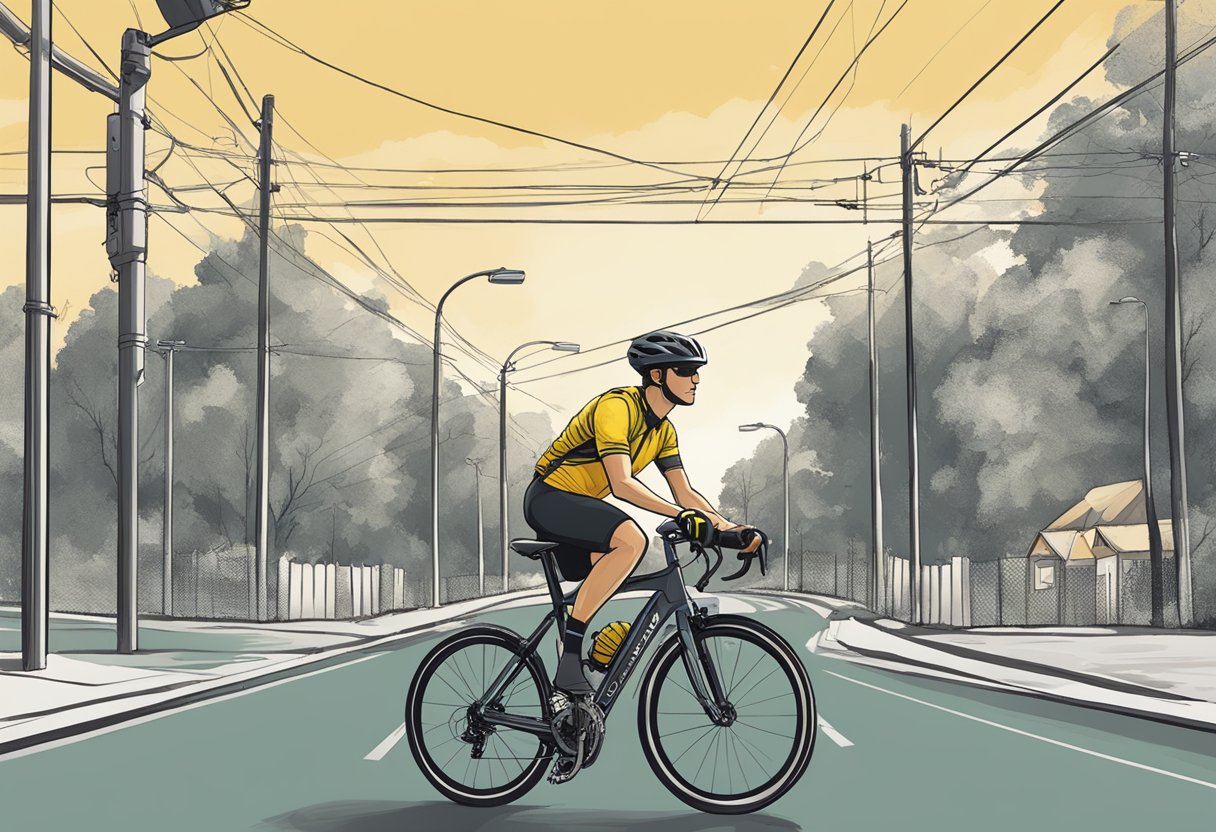
We are ensuring our safety while cycling, including being aware of traffic, understanding road rules, and knowing how to handle emergencies and braking effectively. These elements are crucial for a secure and confident ride.
Navigating Traffic with Confidence
Staying alert and aware of our surroundings is essential when cycling in traffic.
Using bike lanes where available and signaling our turns with hand gestures helps us maintain a predictable presence on the road. Bike lights are vital, especially at dawn, dusk, or night, making us visible to other road users.
We should always wear a helmet. This protects our heads in case of falls or accidents.
Riding defensively and anticipating drivers’ actions adds an extra layer of protection.
We can navigate traffic smoothly by keeping a steady pace and avoiding sudden movements.
Understanding Road Rules and Etiquette
Being knowledgeable about road rules is fundamental in cycling.
We ride on the right side of the road, just like cars. This aligns with traffic flow and makes our actions predictable.
We stop at stop signs and red lights when approaching intersections, ensuring we follow the same rules as vehicles.
Being courteous to pedestrians and other cyclists improves our ride.
We should use bells or verbal cues when passing others. This helps avoid startling anyone and prevents accidents.
Always yielding the right of way when necessary shows good road etiquette and enhances mutual respect between all users.
Emergency Maneuvers and Brake Use
Emergencies can happen, and knowing how to react is critical.
Practicing quick maneuvers, such as swerving gently or immediately stopping, can help us avoid collisions.
We need to be comfortable using our front and rear brakes effectively.
The front brake provides most stopping power, but overuse can cause the bike to flip.
To avoid this, balance the brake usage by applying gentle pressure on both brakes. This allows more controlled and safe stops.
It’s also helpful to keep a slight bend in our elbows to absorb shock and maintain balance.
We can ride confidently and stay safer on our journeys by mastering these techniques.
Balancing Cycling with a Healthy Lifestyle
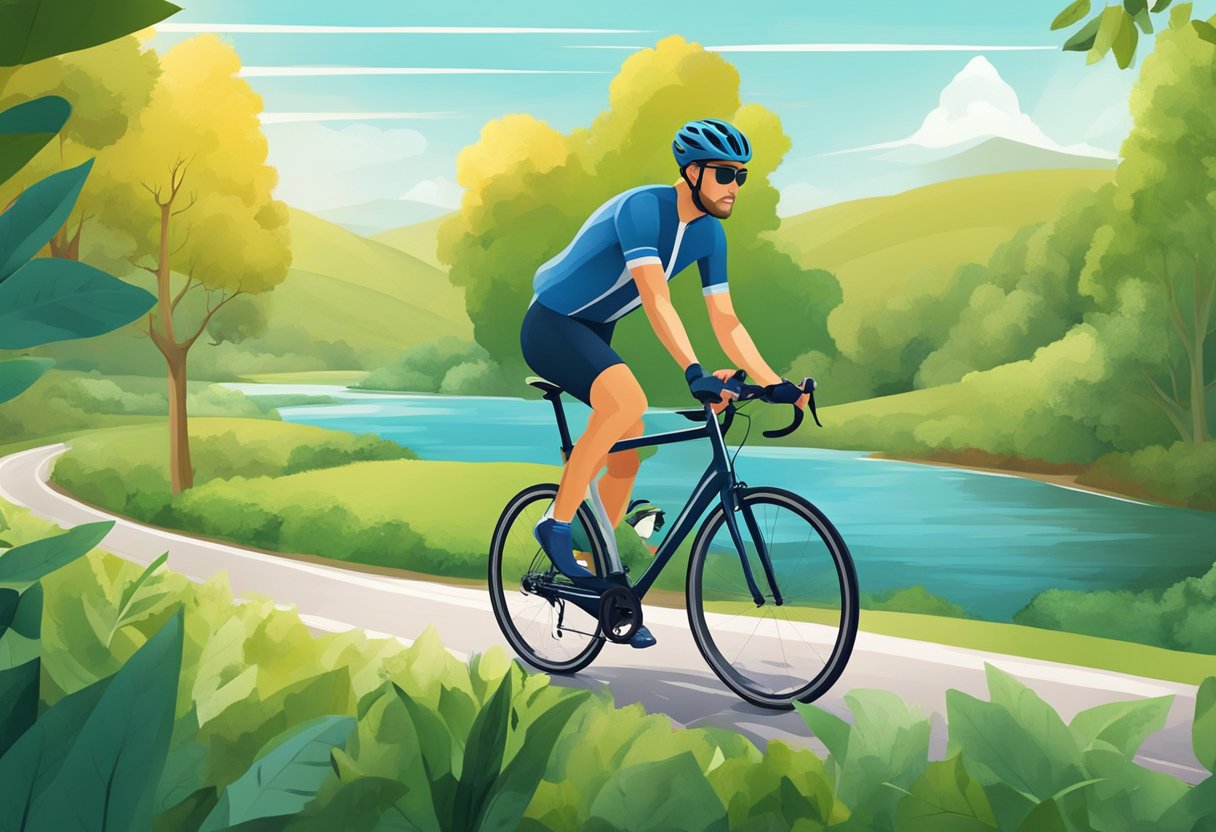
Balancing cycling with a healthy lifestyle involves combining proper nutrition, adequate hydration, and cross-training exercises to enhance overall wellness.
This holistic approach boosts physical fitness and supports mental and emotional well-being.
Nutrition and Hydration Strategies
Nutrition is vital for any fitness regimen, and cycling is no exception.
We must consume a balanced diet of carbohydrates, proteins, and fats.
Carbohydrates provide the energy we require for long rides. Proteins help in muscle recovery and repair. Meanwhile, healthy fats sustain prolonged activity levels.
Hydration is equally crucial.
Drinking plenty of water before, during, and after cycling prevents dehydration.
An electrolyte water bottle can also help maintain fluid balance, especially during intense sessions.
Always carry a water bottle with you on your rides to stay hydrated and energized.
Cross-Training Options for Cyclists
Cross-training enhances our cycling performance by preventing muscle overuse and reducing injury risk.
Integrating activities like yoga and Pilates can improve flexibility and core strength. These exercises balance the body and support overall muscle function.
Meanwhile, weight training builds strength and endurance.
It targets different muscle groups than cycling, promoting balanced muscle development.
Sessions of light to moderate weights a few times a week are beneficial.
Incorporating cardiovascular activities such as swimming or brisk walking keeps our heart rate up and improves cardiovascular fitness.
These activities offer a break from cycling, refreshing both mind and body.
Stress Management and Wellness
Physical health is only one part of the equation. Managing stress and maintaining emotional well-being are essential.
Cycling can remedy stress; concentrating on the road or your cadence can be meditative.
Deep breathing, meditation, or mindfulness exercises can help manage stress.
Set aside a few minutes each day for these activities to calm the mind.
Adequate sleep and rest are fundamental.
Cyclists must prioritize rest days to allow the body to heal and recover.
Listen to your body; it helps maintain both physical and mental health.
Leveraging Technology and Community
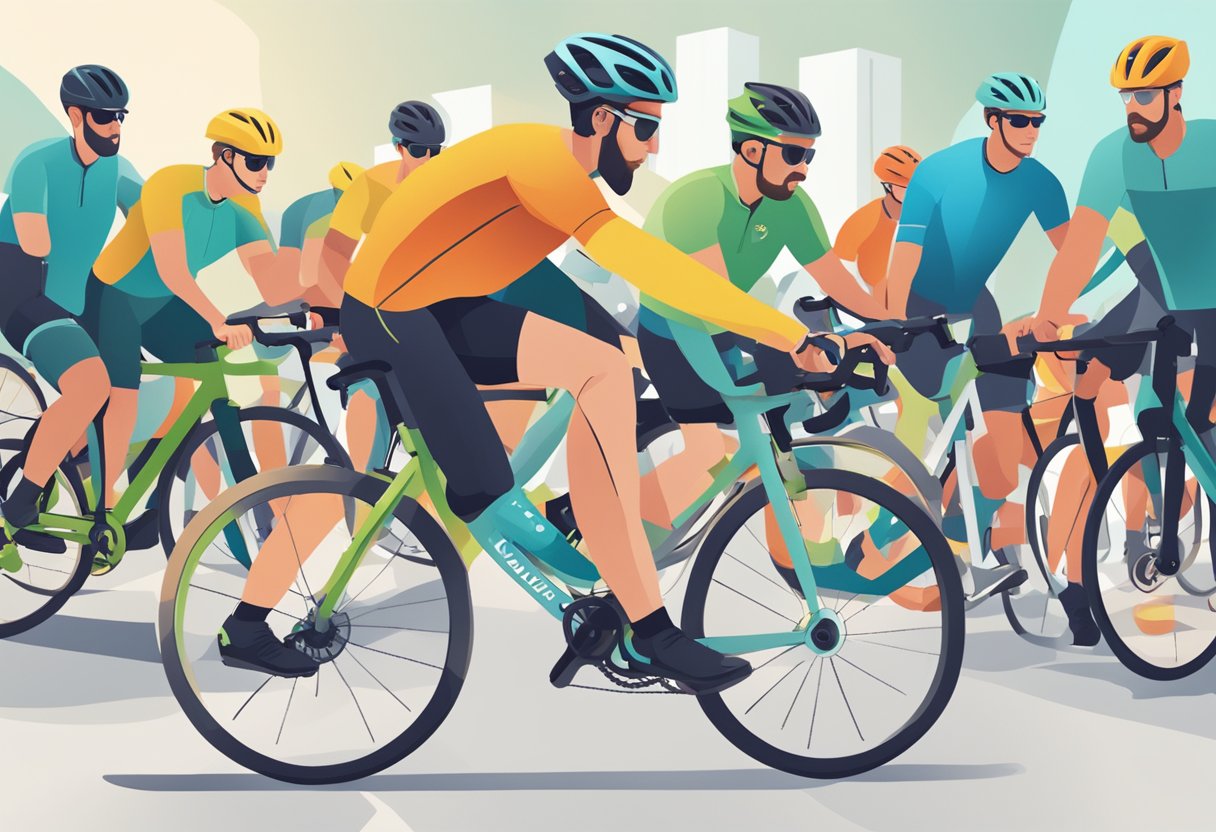
Many tools and groups help us stay motivated and track our progress. Using them can improve our cycling journeys and find support along the way.
Tracking Progress with Cycling Apps and Equipment
Technology like a cycling app or a bike computer can make tracking our rides easier.
Apps such as Strava or Garmin Connect log distances, speeds, and routes. It’s exciting to see how we improve over time.
Meanwhile, bike computers provide real-time data, including speed, distance, and heart rate.
Setting goals and watching our progress feedback encourages consistency in our training. This keeps us accountable and motivated.
The Benefits of Joining a Cycling Community
Cycling becomes more engaging when we are part of a community.
Joining a cycling class or an online group connects us with people who share our passion.
These communities offer support, encouragement, and helpful information on improving our skills.
Participating in group rides fosters a sense of belonging.
We don’t feel alone in our challenges; we have a network to lean on.
Being part of these groups helps us stay motivated and accountable.
This connection can be vital, especially for those of us who have faced health battles like cancer. Through community, we draw strength and support, which is invaluable.
Community rallies around 7-year-old De Pere boy battling cancer
Cycling as a Male Cancer Warrior
Starting a cycling routine as a cancer survivor can help men regain strength and enjoy life more fully. We can make significant strides in fitness and wellness with the correct approach.
Adapting Training Post-Cancer Treatment
Post-cancer treatment, our bodies need time to heal.
Adjusting our cycling routines is essential. Begin with moderate rides of 20-30 minutes, focusing on steady cardio.
Use a bike with a comfortable seat and proper suspension to avoid strain.
We should pay attention to our energy levels. Some days may be more challenging than others, and that’s okay.
Gradual progress is key. Stretch before and after rides to enhance flexibility and prevent injuries.
Keep hydrated and ensure proper nutrition to aid recovery.
Using a cycling plan can help guide our progress.
Track our rides, noting how we feel after each session.
Listen to our bodies and consult healthcare providers for personalized advice. They can help us create a safe and effective training plan.
Embracing Cycling for Recovery and Strength
Cycling is excellent for improving muscle strength and cardiovascular health.
Incorporating regular rides into our routine helps build endurance.
Aim for consistent, moderate-intensity rides, adjusting to our fitness levels.
We should choose scenic routes to make rides enjoyable. This boosts our mental wellness while keeping us motivated.
Cycling with friends or support groups can provide camaraderie and encouragement.
Proper riding posture is essential to avoid discomfort.
Keep our back straight and knees slightly bent. Adjust the bike seat and handlebar height for a comfortable fit.
Regular bike maintenance ensures a smooth ride.
Cycling fosters a sense of accomplishment and well-being. It empowers us as male cancer warriors, helping us reclaim our strength and vitality.
The Debate
Some points often spark debate when discussing beginner cycling tips for male cancer warriors.
One is whether to use a road bike or a mountain bike.
Road bikes are lightweight and fast but may not offer the comfort needed. Meanwhile, mountain bikes, while more durable, can feel heavy and slow on paved roads.
Another topic is high-tech gear vs. essential equipment.
Some argue that investing in high-tech gear like clip-in pedals and specialty clothing significantly affects performance. Others believe essential gear is more budget-friendly and can work just as well.
There’s also the debate about training intensity.
Some say it’s best to start slow and steady, focusing on long, leisurely rides. Others think short, intense rides help build strength and stamina faster.
Support groups and solo rides are another point of contention.
Some find motivation in riding with support groups, sharing the journey, and encouragement. Others prefer the solitude and reflection time that solo rides provide.
Finally, the choice between indoor cycling vs. outdoor cycling.
Indoor cycling offers controlled conditions and can be easier on the joints. Meanwhile, outdoor cycling provides fresh air and changing scenery but may pose more risks like traffic and weather-related challenges.
Final Thoughts
As cancer thrivers, we know the uphill battles all too well. Cycling offers a unique way for us to regain strength and joy.
Choosing the right bike can be a game-changer. Look for one that offers comfort and proper support. Local bike shops usually have knowledgeable staff to guide us.
Riding posture is everything. Keep our back straight and avoid slouching. It can help prevent unnecessary strain.
Essential bike maintenance is critical. Regularly check tire pressure, brakes, and chain lubrication. This ensures safety and a smoother ride.
Listening to our bodies is crucial.
Start slow and gradually increase our distance. Balance exercise with rest to avoid burnout.
Joining a cycling group can be inspiring. It offers community and motivation. We share our journeys and support each other.
Keep pushing forward. Let’s embrace the freedom and resilience that cycling brings to our lives. -T
Frequently Asked Questions
Starting a cycling routine can be daunting for cancer survivors. Beginner tips include selecting the right bike, proper riding posture, and essential maintenance to ensure a safe and enjoyable experience.
What are essential beginner cycling tips for cancer warriors looking to improve their fitness?
Begin with short rides. Gradually increase the distance and intensity. Focus on maintaining a steady cadence. Always stay hydrated, and wear a helmet.
How can cycling be part of a recovery plan for male cancer patients?
Cycling builds cardiovascular strength and helps gain muscle tone. It’s a low-impact exercise, making it gentle on the joints. Always consult with your doctor before starting.
What cycling training plans are recommended for beginners looking to lose weight?
Start with moderate-paced rides lasting 30 minutes. Gradually increase to 45-60 minutes, three times a week. Include hill climbs and interval training for better results.
How should a male cyclist choose a bike seat to minimize the risk of prostate issues?
Choose a seat with a center cut-out or relief channel. Adjust the saddle’s tilt to relieve pressure. Make sure it’s wide enough to support the sit bones.
What precautions should male cancer survivors take when engaging in cycling to monitor PSA levels?
Regularly check PSA levels as recommended. Inform your healthcare provider about your cycling routine. Any significant changes in PSA should be promptly discussed with your doctor.
Are there any specific side effects of cycling that male cancer survivors should be aware of?
Watch for potential numbness or discomfort in the genital area. Maintain proper bike fit and posture. Always observe your body’s response. Consult your healthcare provider if any issues arise.
