

Nurturing Support Networks for Healing

Navigating the waters of cancer can be as challenging as it is transformative. Having endured lymphoma twice, I’ve come to see this journey not just as a battle for survival but as an opportunity to forge deeper connections with others who share this path.
From the shock of the initial diagnosis to the complexities of treatment, the experience reshapes one’s life. But, amid these trials, the support and understanding from fellow survivors become a beacon of hope, illuminating the way forward.
The camaraderie found in survivor networks can be a source of immense strength. As I conversed with other men walking this road, it became clear that our conversations extended beyond medical advice—they touched on the essence of life.
We shared strategies, yes, but also laughter and resilience, and through this, we saw our health not as a singular goal but as a facet of a life well-lived.
These connections reinforced my resolve and have become a vital component of living as a thriver—someone who doesn’t just endure cancer but grows alongside it.
Key Takeaways
- Survivor networks offer strength and camaraderie throughout the cancer journey.
- Shared experiences foster resilience and a holistic approach to health and living.
- Meaningful connections can transform the cancer path into a shared, thriving experience.
Understanding Cancer

Cancer, a term that often brings about a wave of concern, is not just one disease but many, each with its unique challenges and effects on the body. I know this all too well, having faced lymphoma head-on, not once but twice.
It’s a journey that has taught me the value of camaraderie and the irreplaceable support a survivor network provides, especially for us men who may often keep challenging experiences to ourselves.
Types of Cancer
- Hodgkin’s Lymphoma: A cancer that originates in the immune system, specifically affecting the lymph nodes and other lymphatic tissues.
- Non-Hodgkin Lymphoma: Similar to Hodgkin’s but with different cellular characteristics and behaviors.
Other cancers include:
- Leukemia: Blood-forming tissues.
- Sarcoma: Bone and soft tissues.
- Carcinoma: Organs and skin.
Symptoms and Detection
Symptoms can vary remarkably based on the cancer type but generally include:
- Lumps or thickened tissue.
- Unexpected weight loss.
- Sustained fatigue.
- Persistent fever.
Regular medical check-ups are my shield for detection. I’ve faced lymphoma diagnosis twice, and I am advocating now for early testing, which generally includes:
- Blood tests.
- Imaging tests.
- Biopsies.
Stay proactive in monitoring your health and seek medical advice when you spot warning signs. Remember, as men, we face these battles staunchly, yet there’s strength in seeking support and speaking out.
Journey Through Diagnosis
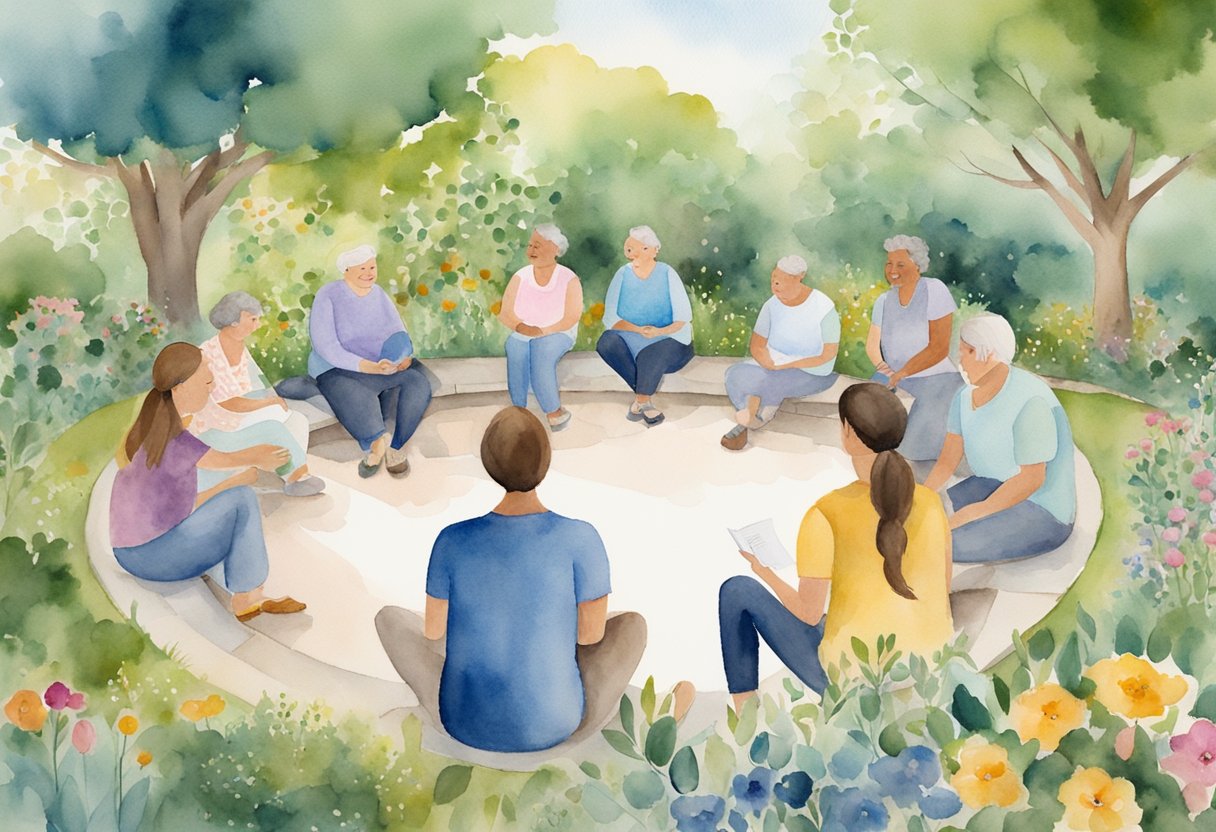
Receiving a cancer diagnosis strikes at the heart, challenging both emotional stability and social dynamics. I recall the moment my own life shifted with those heavy words: “You have lymphoma.”
Processing Emotions
The cocktail of emotions post-diagnosis is complex; I felt a whirlwind of disbelief and fear initially. Moments of clarity were short-lived as denial, anger, and a sense of betrayal by my own body ensued. Staying grounded was key; I sought counsel and joined survivor networks, where shared experiences fostered resilience.
Sharing with Loved Ones
Breaking the news to my loved ones was delicate. My voice strained with the weight of the reality. My family became my fortress, their support unwavering. I had to remind them that life continues despite cancer; our bonds grew stronger as we navigated the diagnosis together, becoming a unit of hope and determination.
Treatments and Therapies
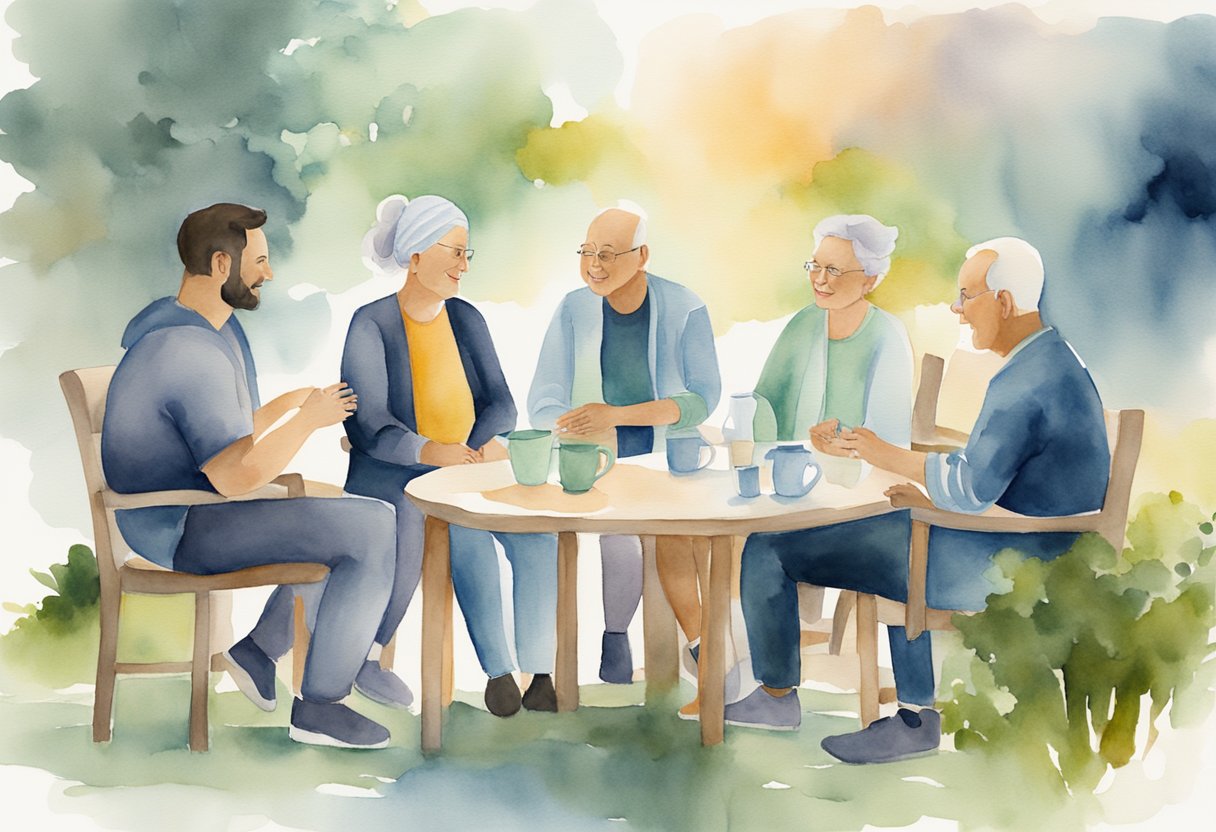
In the journey of cancer recovery, selecting the right mix of treatments and therapies plays a pivotal role. My path led me, not just once but twice, through the battlefield of lymphoma, offering me profound insights into the modalities that pave the way to recovery.
Conventional Treatments
Chemotherapy remains a cornerstone of cancer treatment. It was a formidable weapon against lymphoma, breaking down cancer cells and stopping their spread. Precision medicine has made leaps, tailoring chemotherapy to the individual for greater efficacy. The ongoing advances in cancer treatment attest to the progress in care, enhancing life expectancy and improving patient quality of life.
Complementary Approaches
Alongside conventional treatment, I found solace and strength in meditation. It steadied my mind and equipped me to face my battles with a grounded and centered spirit. Integrative therapies encompass nutrition, exercise, and stress reduction — all of which researchers acknowledge as crucial in cancer care.
For instance, evidence suggests that regular physical activity can significantly diminish cancer-related fatigue, propelling a patient’s ability to engage in daily activities and enjoy leisure pursuits like sports. The role of complementary medicine is now recognized, with studies indicating it can improve outcomes alongside standard care.
Support Networks and Community
Navigating post-cancer life requires a robust support system that can profoundly influence recovery and well-being. As a two-time lymphoma survivor, I understand the critical role that support networks play in thriving beyond the disease.
Family and Friends Involvement
Family and friends offer an indispensable layer of support. My own experience taught me that family members can become pillars of strength. They often take on the role of caregivers, providing emotional solace and assisting with medical needs. Their involvement was a beacon of hope in my toughest times, from accompanying me to appointments to deciphering medical jargon.
- Offer practical help with daily tasks.
- Provide a listening ear for emotional support.
Those closest to us may need guidance on how best to support us. It was through clear communication and setting boundaries that we learned to navigate my cancer journey together, creating a dynamic where my independence was respected while receiving the care I needed.
Finding Support Groups
Seeking support beyond the immediate circle introduces survivors to support groups—a venue for meaningful exchange among peers facing similar challenges. I found solace in groups of fellow men dealing with cancer. Our discussions offered a safe space to share experiences and coping strategies, fostering a sense of community.
- Connect with peers for shared experiences.
- Exchange information and coping strategies
These groups became a crucial aspect of my healing, providing validation and encouragement from those who truly understood the nuances of my fight. Whether through in-person meetings or engaging in online communities, tapping into these networks empowered me with the knowledge and strength I needed to manage my health and reclaim my life post-cancer.
Living as a Thriver

After overcoming lymphoma not once but twice, I’ve come to understand that thriving is a deliberate stance towards life after cancer. It’s about celebrating being a warrior with no evidence of disease and focusing on restructuring life around new priorities.
Adopting a Thriver Mindset
My journey taught me that embracing the mindset of a thriver means engaging earnestly with life’s challenges and transforming them into opportunities for growth. I replaced the concerns of illness with the anticipation of new experiences and accomplishments. By doing so, my life took on a renewed sense of purpose.
- Recognize resilience as a developed skill
- Shift focus from survivorship to life enrichment
- Choose activities that reflect what I now value most
Establishing a New Normal
Post-cancer life didn’t bring me back to my old normal; it invited me to create a new one. The term’ normal’ took on a new meaning, where prioritizing health and connections became my baseline.
- Integrating regular exercise, favoring sports that build physical and mental strength
- Forming networks with other men who’ve shared similar battles, offering them the insights I’ve gained
- Pivoting career goals to align with my refreshed life goals—choosing paths that resonate with the core of who I am now
Spirituality and Reflection

As a two-time lymphoma survivor, I offer insights into how spirituality and reflection have been pivotal in forging resilience and reinforcing a positive outlook in my journey.
Role of Faith
Faith has served as my anchor, lending me courage in the face of uncertainty. During my treatment, prayer was the quiet strength that tethered me to hope and provided solace. To fellow survivors, I share this practice, not as a prescription but rather as a personal testament to the peace it can bring.
Each individual’s concept of God or a higher power may differ. Still, the underlying faith—a profound belief in something greater than ourselves—can infuse our lives with purpose and an indomitable will to thrive.
Nature and Healing
The serenity of nature speaks a language that resonates with my core. Post-diagnosis strolls in the park became not just exercise but a ritual for healing, offering me a sense of kinship with the living world. I encourage my comrades in recovery to find meaning in the rhythm of the waves, the rustling leaves, or the solitude of the mountains—these experiences can be cathartic and transformative, providing a fresh, life-affirming perspective.
Advocacy and Raising Awareness
In the aftermath of my battles with lymphoma, I’ve come to understand the profound impact that advocacy and heightened awareness can have in the lives of individuals touched by cancer.
Cancer Awareness Campaigns
I dedicate time each month to connect with fellow survivors and the public, sharing my story to illuminate the realities of living with and beyond cancer. These campaigns promote understanding and foster a community spirit that uplifts every participant. During cancer awareness month, my focus shifts to orchestrate events that spotlight survivorship, the subtleties of patient language, and the nuanced shifts in identity that often accompany a cancer journey. Regular features in these campaigns include:
- Cancer Experience Registry Talks: Discussions that give voice to survivors, promoting a collective narrative of resilience and adaptation.
- Hope Sessions: Interactive meetings that underscore the vitality of optimism in our day-to-day lives.
Each step must be geared towards enhancing understanding and kindling hope within the hearts of those facing cancer.
Personal Advocacy Efforts
As an ardent advocate, I’ve woven personal cancer advocacy into the fabric of my daily life. This takes the form of:
Workshops:
- Offer practical guidance for men navigating the complex healthcare system.
- Sharpen communication skills to articulate needs and concerns to medical professionals effectively.
Mentorship:
- Pair newly diagnosed patients with seasoned survivors, instilling courage and offering a mirror of possibility.
Beyond these structured efforts, I maintain an ever-present readiness to assist, providing companionship to those needing support through their cancer battle. My objective remains to serve as a living testament to unity’s strength and the powerful transformations that advocacy can achieve.
Final Thoughts…
In facing cancer twice, I’ve learned the value of a network that stands by you. To my fellow survivors, especially those who’ve faced lymphoma, I reach out with understanding. Through each hurdle, we discover resilience and craft a life as full and vibrant as any other.
Building connections is crucial. Inviting fellow survivors to join in activities like team sports can be incredibly uplifting. We celebrate our physical capabilities and find camaraderie in shared experiences. I’ve seen men draw strength from these connections, forging as therapeutic bonds as any medicine.
We thrive not just in body but in spirit, too. As thrivers, we wear our experiences with quiet honor, sharing our journey to illuminate paths for others. I host discussions, lead support groups, and offer a hand to those still navigating their way. That hand is always outstretched, a gesture of companionship in a moment when everything else may feel uncertain.
Survival isn’t solitary. It’s a team sport. Every high-five passed ball and shared lap is a testament to the strength we’ve honed together. My advice is this: join a team, find your squad, lace up your shoes, and never underestimate the power of playing the long game together. -T
Frequently Asked Questions
In navigating the terrain of cancer survivorship, I’ve discovered practical ways to enhance the quality of life and foster resilience. My journey through lymphoma has given me these insights.
What lifestyle changes support long-term cancer survival?
Integrating regular physical activity, like swimming or biking, significantly bolstered my recovery and endurance. Regular exercise helps maintain a healthy weight, crucial for preventing cancer recurrence.
Which dietary choices can enhance the well-being of those who have overcome cancer?
Post-cancer, my diet revolves around plant-based foods and lean proteins. This shift promotes healing and provides the nutrients necessary for my body’s ongoing repair.
Can you share inspiring stories of stage 4 cancer survivors?
Certainly! I’ve met men who have shown incredible courage and tenacity. One friend, who combated stage 4 lymphoma, went on to complete a triathlon two years post-treatment, showcasing the remarkable potential for recovery.
What are some empowering affirmations for people battling cancer?
During my treatments, I anchored myself with the mantra, “I am resilient, my challenges do not define me.” Affirmations like these became a daily source of strength.
How can one build a supportive community after a cancer diagnosis?
I reached out to local survivor groups and engaged in community events. This network provided support that was instrumental in my physical and emotional healing journey.
What are the key factors in maintaining emotional health during and after cancer treatment?
Open communication with loved ones and healthcare professionals has been vital for me. Also, seeking counseling offered me tools to navigate the complex emotions that accompany cancer and its aftermath.
