

Inspirational Journey and Resilience
Facing cancer is a daunting experience for any man. When I was diagnosed with lymphoma twice, it felt like the world stopped.
The journey through cancer taught us that the challenges we face can become opportunities for immense personal growth.

As we navigate the labyrinth of treatment options and decisions, we often discover new strengths within ourselves.
Embracing a thriver mindset is not just about surviving cancer but transforming our utmost trials into a springboard for growth.
We find resilience in the support systems around us, connecting deeper with loved ones and forming new, meaningful relationships.
Living with and beyond cancer is an emotional journey filled with highs and lows.
We learn to face fears, find joy in small victories, and appreciate life in ways we never imagined.
Each day becomes a testament to our strength and a lesson in resilience.
Key Takeaways
- Transform challenges into opportunities for personal growth
- Embrace a thriver mindset to discover new strengths
- Support systems are crucial for emotional and psychological resilience
Understanding Cancer in Men
Cancer in men includes a wide range of diseases that require different treatments and can lead to significant personal growth by overcoming challenges. Addressing the biology and symptoms of common cancers helps us manage and navigate these life changes.
The Biology and Prevalence
Cancer occurs when abnormal cells grow uncontrollably.
For men, this can often lead to prostate cancer, which is the most common type after skin cancer.
Around 1 in 8 men will be diagnosed with prostate cancer in their lifetime.
As we age, the chances of developing this disease increase. Testicular cancer is also a concern, particularly for younger men, often diagnosed between the ages of 15 and 35.
Blood cancers, such as lymphoma, are less common but require rigorous treatments and have unique challenges.
Exploring these types helps us understand the need for comprehensive care. Early detection through regular screenings and awareness can improve outcomes and quality of life.
Common Types and Symptoms
Prostate cancer usually starts with urinary symptoms.
Frequent urination, especially at night, and difficulty starting or holding urine flow are early signs.
Testicular cancer presents as lumps or swelling in the testicles. Lymphoma may show painless lymph node swelling, persistent fatigue, or unexplained weight loss.
Recognizing these symptoms early leads to prompt diagnosis and treatment.
Our experience with lymphoma has taught us the value of vigilance and timely medical intervention.
Blood tests, biopsies, and imaging are common steps in diagnosing these cancers.
Facing cancer often brings out the best in us. Adapting to new realities can fuel personal growth and resilience. Let’s navigate this journey with knowledge and compassion, lifting each other every step of the way.
Embracing the Thriver Mindset
By adopting a Thriver mindset, we can find personal growth, reshape our identity, and turn the cancer experience into a journey of strength and learning. This transformation involves going beyond survival and embracing new ways of defining ourselves.
Beyond Survival: Defining a Thriver
As men who have faced cancer, we know that merely surviving isn’t enough. We need to strive for more and become Thrivers.
Thrivers don’t just endure; they grow and evolve. Overcoming lymphoma twice taught us valuable lessons in resilience and personal strength.
A Thriver seizes growth opportunities. This mindset encourages us to engage in activities that foster mental, emotional, and physical well-being.
Whether through exercise, creative hobbies, or community involvement, we aim to enhance our quality of life.
Our journey also includes redefining what it means to be healthy.
A Thriver recognizes that health isn’t just the absence of disease but a holistic sense of well-being.
This positive approach can transform cancer challenges into powerful strengths.
Language and Identity
How we label ourselves shapes our experiences and the way others perceive us.
Words like “survivor” can feel limiting, and identifying as a Thriver opens the door to a more dynamic and empowered identity.
The language we use impacts our mindset.
We emphasize our proactive role in our journey by choosing to be called Thrivers.
This shift can influence our mental outlook and interactions with others.
It’s crucial to acknowledge that individuals may relate differently to these labels.
Some may prefer “fighter” or “warrior,” each reflecting unique perspectives.
Encouraging diverse expressions allows everyone to find an identity that resonates with their experience.
Recognizing and respecting these differences creates a supportive environment.
It allows us to connect with others who understand our journey and share our commitment to thriving beyond survival.
Early Detection and Diagnosis

Early detection and diagnosis of cancer can be a pivotal point in our journey, providing opportunities for growth and resilience.
Recognizing symptoms early and seeking timely medical advice can improve outcomes and less invasive treatments.
Importance of Regular Screening
Regular cancer screenings should be a part of our routine health check-ups.
By committing to these screenings, we can detect signs of cancer before it can spread.
For instance, the American Cancer Society provides guidelines on when to start screenings for various cancers.
These recommendations help us understand the best time to get tested, depending on our age and risk factors.
Early screening, especially for types such as prostate and colorectal cancer, can be life-saving.
It increases our chances of survival and reduces the length and intensity of treatment.
Through this proactive approach, we gain hope and a better quality of life.
Addressing cancer early allows us to continue our everyday activities with minimal disruption.
Navigating the Emotional Impact
Dealing with cancer screening and diagnosis is not just a physical challenge; it can also be an emotional one.
Fear, uncertainty, and anxiety often accompany these medical procedures.
Understanding these feelings as usual can help us navigate them more effectively.
For many men, the emotions tied to facing a potential diagnosis can seem overwhelming.
We might feel vulnerable or worried about the future, yet acknowledging and confronting these emotions is crucial to the journey.
From personal experience, navigating these emotions leads to personal growth, fostering a more vital self-awareness and mental resilience.
Support groups and counseling are valuable resources.
They provide environments where we can express our fears and uncertainties while finding comfort and strength.
Joining a community of individuals with similar experiences can make this daunting path more manageable and empowering.
Treatment Options and Decision-Making
Dealing with cancer requires tough choices about treatment options. Navigating these decisions alongside healthcare providers and growing from these experiences can foster personal strength.
Understanding Available Treatments
We must first understand the variety of treatment options for cancer.
These include surgery, chemotherapy, radiation therapy, immunotherapy, and hormone therapy. Each type of treatment offers different benefits and side effects.
Surgery often aims to remove a tumor.
Chemotherapy uses drugs to kill cancer cells.
Radiation therapy targets cancer cells with high-energy rays.
Immunotherapy helps our immune system fight cancer.
Hormone therapy slows or stops hormone-sensitive cancers. Each option requires weighing potential benefits against side effects.
Researching Treatment Options
Our journey can benefit from researching these options.
American Cancer Society provides valuable insights on managing cancer and choosing suitable treatments.
Learning broadens our understanding, lessening the anxiety that often accompanies these decisions.
Collaborating with Healthcare Providers
A solid partnership with our healthcare providers is central to making informed decisions.
Our oncologist plays a key role in guiding us through this process.
They provide critical information about our specific type and stage of cancer, possible treatment paths, and potential outcomes.
We can ask detailed questions about each treatment option.
This helps in understanding how treatments align with personal goals and health status.
Providers may use decision aids like pamphlets or interactive tools, ensuring we make choices that reflect our values and lifestyle preferences.
Receiving information on managing cancer treatment decisions can significantly improve our ability to cope.
Collaborating with caregivers and loved ones during this phase often strengthens emotional support networks.
In the end, open communication and trust with our medical team lead to a well-rounded approach to treatment decision-making.
Support Systems and Relationships
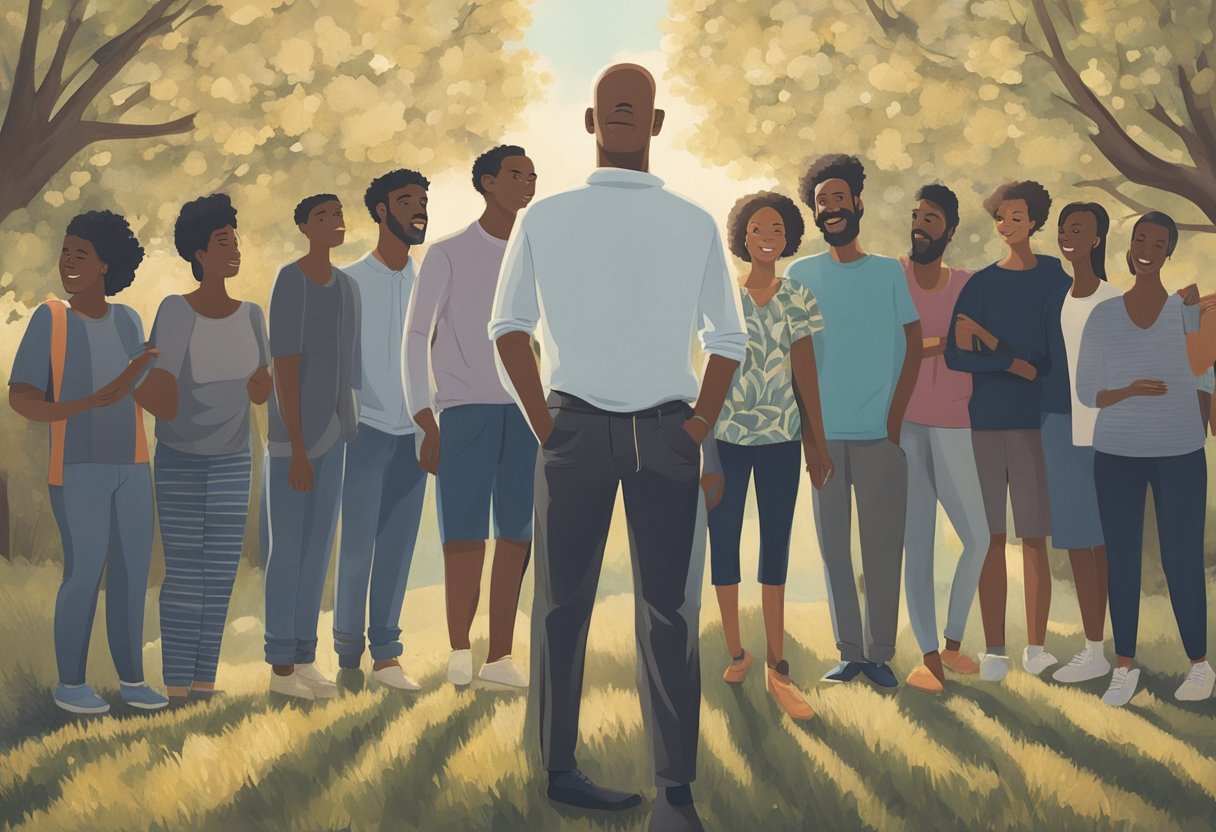
Navigating cancer as a male thriver involves leaning on various support systems. These networks include family, friends, and community groups that provide mental, emotional, and practical assistance.
Role of Family and Friends
Family and friends are pivotal to our journey. They ground us during the most challenging days and celebrate every victory. Their presence and understanding offer a buffer against loneliness and fear.
Friends often step up in ways we never imagined. A close friend might drive us to treatments, cook, or listen. These gestures create a bond of support that empowers us daily.
Our families play an equally critical role. Caregivers manage medications, attend doctor appointments, and provide emotional stability. Their unwavering support fuels our resilience and aids our recovery process.
Finding Community and Peer Support
Finding community groups and peer networks opens doors to shared experiences and collective strength.
Local or online cancer support groups offer a space where we can connect with others facing similar battles. This sense of belonging helps alleviate feelings of isolation.
Peer support provides insights and practical advice from those who have walked a similar path. It fosters a sense of shared understanding and solidarity.
Participating in peer-led activities empowers us and builds confidence. It transforms our challenges into newfound strengths.
Engaging in community groups helps us find purpose and joy amid our journey. These networks become vital to our support system, fostering survival and personal growth. By sharing experiences and learning from others, we gain perspective and resilience.
Psychological and Emotional Journey

The psychological and emotional journey for male cancer thrivers often involves dealing with mental health challenges and the valuable support of counseling and support groups.
Dealing with Mental and Emotional Health
Facing cancer, we experience a wide range of emotions. Fear, anger, and sadness can take a significant toll on our mental health.
During my battle with lymphoma, I often felt overwhelmed by fear and uncertainty. Managing these emotions is crucial to our overall well-being.
Engaging in activities that bring us joy and relaxation helps. Regular exercise, hobbies, and spending time with loved ones also play a significant role.
Another critical factor is maintaining a positive mindset, which can help us cope with the immense emotional strain.
Practicing gratitude also makes a difference. Focusing on what we are thankful for helps shift our perspective and brings peace amidst the turmoil.
Through these practices, we can transform our challenges into opportunities for personal growth and strength.
Role of Counseling and Support Groups
Counseling and support groups play a huge role in our healing. Professional counselors help us work through our emotions and provide strategies for coping. They offer a safe space to express our fears, anger, and sadness.
Support groups create a community where we can connect with others facing similar challenges. These groups provide comfort and understanding, helping us feel less alone.
We share our experiences, hear others’ stories, and gather strength from this collective wisdom.
Both counseling and support groups contribute immensely to our mental health. Despite our diagnosis, they support us in building resilience and finding ways to thrive. With their help, the journey becomes less daunting and more manageable.
Living With and Beyond Cancer

Living with and beyond cancer involves embracing new opportunities for personal growth. It’s about turning challenges into strengths, making the most of life, and finding fulfillment.
Thriving in Remission
Thriving in remission requires us to adapt to our new reality with courage and resilience. We’ve faced cancer head-on, and now it’s time to move forward.
Many of us enter a phase known as No Evidence of Disease. This doesn’t mean everything is easy, but we have the chance to grow in our journey.
Exercise and physical activity play a huge role. Engaging in sports or other physical activities helps maintain our health and boosts our mental well-being.
We reconnect with hobbies we love or find new ones that bring joy and purpose. These activities help us stay positive and focused on what we can achieve.
Support networks are crucial. Our relationships with family, friends, and fellow survivors become more meaningful.
We share our experiences, lend an ear, and provide encouragement. These connections remind us we’re not alone and can thrive together.
Quality of Life and Future Perspectives
Quality of life after cancer means taking care of our physical and mental health. Regular check-ups are vital. They allow us to monitor our progress and make necessary adjustments to our lifestyle.
Healthy eating, exercise, and mental health care contribute to a better quality of life.
We look at our future with new perspectives. Our experiences make us appreciate the little moments we might have taken for granted.
We set new big and small goals that reflect our priorities and dreams.
Moving forward, we focus on what we can control.
We plan activities and projects that align with our passions and capabilities.
We learn new skills or take up courses to keep our minds engaged.
This proactive approach helps us stay excited about the future and our potential.
Each step we take in our post-cancer life reflects our determination to live fully and joyfully. We embrace the changes and challenges, finding strength in our journey.
The Debate

As men who have faced cancer, we often hear different views about the terms used to describe our journey. Words like “survivor,” “thriver,” and “fighter” spark a lot of discussions.
- Survivor: Some people are proud of this term, as it highlights our resilience. Others disagree, thinking it downplays ongoing challenges.
- Thriver: This term suggests not just living but flourishing. However, some argue it sets an unrealistic standard.
- Fighter: We admire the courage it signifies, but not everyone wants their cancer battle to frame their identity.
Our experiences with prostate cancer add another layer to this debate. As men, we face unique struggles, and our words should reflect our realities.
Aging and battling cancer can disrupt our core beliefs and force us to reshape our mental framework (thriver model). This process can be empowering but also profoundly challenging.
Finally, open conversations and listening to diverse opinions help us find terms that resonate with everyone. Whether we call ourselves survivors, thrivers, or fighters, what matters is our shared journey of personal growth and mutual support.
Final Thoughts
Our journey through lymphoma has taught us more than we could have imagined. Facing cancer opened opportunities for personal growth, allowing us to reframe challenges as strengths.
Through the ups and downs, we have learned to cherish relationships. Connecting with family and friends during this time has brought us closer, emphasizing the value of support networks.
We also discovered the power of setting small, achievable goals. Whether it’s maintaining physical activity or a healthy diet, these goals keep our spirits and bodies strong.
Our experience with lymphoma pushed us to find inner resilience. Every hurdle was overcome. Every treatment completed showed us our true strength.
Speaking from experience, mental fortitude is critical. Practices like meditation and mindfulness can significantly aid in staying positive and focused.
Inspiring other men in the same situation has been empowering. By sharing our experiences and solutions, we hope to foster a community of understanding and strength.
The road may be challenging, but we emerge stronger. We thrive together, turning each challenge into an opportunity for growth, always moving forward.
We’ve come a long way, facing the struggles and savoring the victories, and together, we continue to thrive and inspire each other. -T
Frequently Asked Questions
Overcoming cancer can be a journey of personal growth. We will explore ways to foster resilience, support loved ones, and seek empowerment after a cancer diagnosis.
How can one foster personal growth after a cancer diagnosis?
Building personal growth after cancer involves embracing new activities and interests. Finding a purpose through hobbies or volunteering can turn challenges into new strengths. Reflecting on past experiences also helps.
What are the characteristics that define a cancer thriver?
A cancer thriver is not just a survivor but someone who grows and finds fulfillment. They show resilience, positive thinking, and adaptability. It’s about living life to the fullest despite the diagnosis.
What are effective strategies for supporting a male loved one through cancer recovery?
Male cancer patients benefit from open communication and practical support. Encouraging them to join support groups and participate in hobbies can aid recovery. Physical activities like walking or light sports are also helpful.
What psychological shifts are commonly experienced during post-cancer rehabilitation?
Standard psychological shifts include a newfound appreciation for life and altered priorities. Men often face changes in self-image and need time to adjust. Counseling or therapy can provide support during this transition.
How can cancer survivors seek empowerment and a renewed sense of purpose?
Empowerment comes from setting new goals and embracing passions. Continuously learning and challenging oneself fosters a strong sense of purpose. Engaging in community activities or mentoring others can be advantageous.
What resources and support systems are most beneficial for male cancer survivors?
Support systems like counseling, support groups, and community organizations are invaluable. Medical professionals can also guide physical recovery.
Accessing online communities can provide continuous support and shared experiences.
