

Enhancing Recovery and Well-Being
Many male cancer survivors may wonder if physical activity can make a difference in their journey. As someone who has survived lymphoma twice, I can confidently share that exercise played a pivotal role in boosting my mood, energy levels, and overall health.
Physical activity can significantly improve male cancer survivors’ survival rates and quality of life.

Working out regularly helps manage side effects from treatments and enhances our mental well-being.
It’s crucial to tailor a physical activity routine that fits your needs because different cancer types require different approaches.
Incorporating exercise into our daily lives can lead to remarkable improvements in our health journey.
With the right exercise plan, we can tackle fatigue, improve muscle strength, and even reduce the likelihood of cancer recurrence. Our shared stories and experiences reinforce how becoming physically active is one of the best choices we can make for our health.
Key Takeaways
- Exercise improves survival rates and quality of life for male cancer survivors.
- Tailored physical activity helps manage side effects and boosts mental wellness.
- Incorporating exercise into daily routines offers significant health benefits.
The Role of Physical Activity in Cancer Care
Physical activity can enhance cancer survivors’ mood, energy levels, and overall health. It plays a crucial role in reducing the risk of cancer recurrence and improving quality of life during and after cancer treatment.
Understanding the Connection
Physical activity is a crucial part of cancer care. Regular exercise can help manage the side effects of a cancer diagnosis and treatment.
It can reduce fatigue, improve mood, and boost overall energy levels.
For example, engaging in physical activities such as walking, swimming, or light weightlifting can help prevent muscle loss and improve cardiovascular health.
Regular physical activity also helps lower the risk of cancer recurrence by maintaining a healthy weight and improving immune function. Many thrivers, like us who’ve overcome lymphoma, find that exercise brings a sense of normalcy and a positive outlook on recovery.
Being active creates a mental and physical environment conducive to beating cancer and thriving afterward.
Guidelines from the American College of Sports Medicine
To maximize the benefits of physical activity, we should follow the American College of Sports Medicine guidelines.
They recommend at least 150 minutes of moderate exercise per week, including activities like brisk walking or cycling.
For those new to exercise or recovering, starting slow and gradually increasing intensity is vital.
Strength training exercises can improve muscular strength and endurance by participating at least twice weekly.
Flexibility exercises, such as stretching or yoga, should also be part of the routine to maintain mobility and reduce stiffness.
Tailoring our exercise plans to our specific health needs and fitness levels is essential for ensuring a safe and effective approach to staying active after cancer.
Benefits of Exercise for Male Cancer Survivors

Regular physical activity offers numerous benefits for male cancer survivors, from enhancing physical health to boosting psychological well-being. These activities can significantly improve quality of life and overall health.
Physical Benefits
Physical activity helps build muscle strength, especially for cancer thrivers. Our bones become stronger, reducing the risk of fractures and osteoporosis.
Regular exercise can significantly improve our heart health and circulation.
Men who stay physically active are more likely to maintain a healthy weight, reducing the risk of cancer recurrence.
Furthermore, physical activity increases our energy levels, making daily tasks more manageable and less tiring.
By keeping active, we can also improve our physical function, allowing us to remain independent longer.
Psychological and Emotional Benefits
Exercise greatly enhances our mental health. Physical activity releases endorphins, improving our mood and reducing feelings of depression and anxiety. These changes lead to an overall better emotional state.
Staying active helps us manage the stress and anxiety that often accompany a cancer diagnosis and its treatment.
Exercise also offers social benefits, such as meeting new people and engaging in group activities, which can provide essential emotional support.
Increased energy levels can combat the fatigue common among cancer survivors, making us feel more capable and empowered.
This boost in energy and mood significantly improves our quality of life. Therefore, exercise plays a critical role in our mental and emotional recovery.
Crafting a Sustainable Physical Activity Guide

Physical activity is crucial for enhancing mood, energy levels, and overall health, especially for men who have survived cancer. We will explore how to maintain appropriate exercise routines and the value of mixing different activities.
Intensity and Frequency
When starting a physical activity routine, gradually increasing the intensity and frequency is best.
For men who have survived cancer, it is beneficial to aim for 150-300 minutes of moderate activity, like walking, each week.
Alternatively, 75-150 minutes of vigorous aerobic activity, such as running or swimming, also works well. Breaking activity into 10-minute sessions throughout the week makes it manageable.
Strength training is also vital. Resistance exercises at least two days weekly help build muscle and bone strength.
Incorporating activities such as weightlifting or resistance bands can be helpful. Remember to include stretching exercises twice a week to maintain flexibility.
Maintaining this balanced approach to physical activity guide helps improve energy levels and mood.
Incorporating Variety in Activities
Variety in physical activities keeps things interesting and ensures all muscle groups are engaged.
Including different types of exercises like walking, swimming, dancing, and sports can turn routines into something enjoyable.
Trying activities like yoga or Pilates can add balance and flexibility work, which benefits overall health. Cardio activities such as running or cycling improve cardiovascular health and stamina.
Changing activities also help to reduce the risk of repetitive strain injuries.
Listening to our bodies is essential. Some may prefer team sports or group classes for social interaction and support.
Embracing various physical activities as part of cancer recovery supports mental health, adds fun to routines, and promotes comprehensive fitness.
Considerations for Specific Cancer Types in Men

Physical activity benefits men with different cancer types by improving mood, boosting energy levels, and enhancing overall health. Let’s explore how exercise impacts prostate, colorectal, and other common cancers in males.
Prostate and Colorectal Cancers
Men diagnosed with prostate cancer often face fatigue and stress. Engaging in regular physical activity can help alleviate these issues.
Studies suggest that men who exercise regularly have a reduced risk of prostate cancer recurrence.
Activities such as walking, swimming, and light resistance training are beneficial.
For those with colorectal cancer, keeping active helps manage weight and improves digestive health.
Exercise also boosts mood and energy levels, aiding recovery and improving quality of life. Simple activities like walking and cycling are practical and manageable for those undergoing treatment.
Other Common Cancers
Bladder, lung, and pancreatic cancers are also prevalent among men.
Physical activity can help in reducing fatigue and increasing strength and endurance.
Our experience with lymphoma cancer survivors highlights the significance of staying active to feel more in control and connected to life.
Exercises like yoga and tai chi can improve flexibility and mental well-being for men with endometrial cancer.
Incorporating movement into daily routines, even light activities, can make a significant difference.
For instance, engaging in sports or group exercise sessions can add a social element that motivates and supports individuals through tough times.
Overcoming Cancer Treatment Side Effects Through Exercise
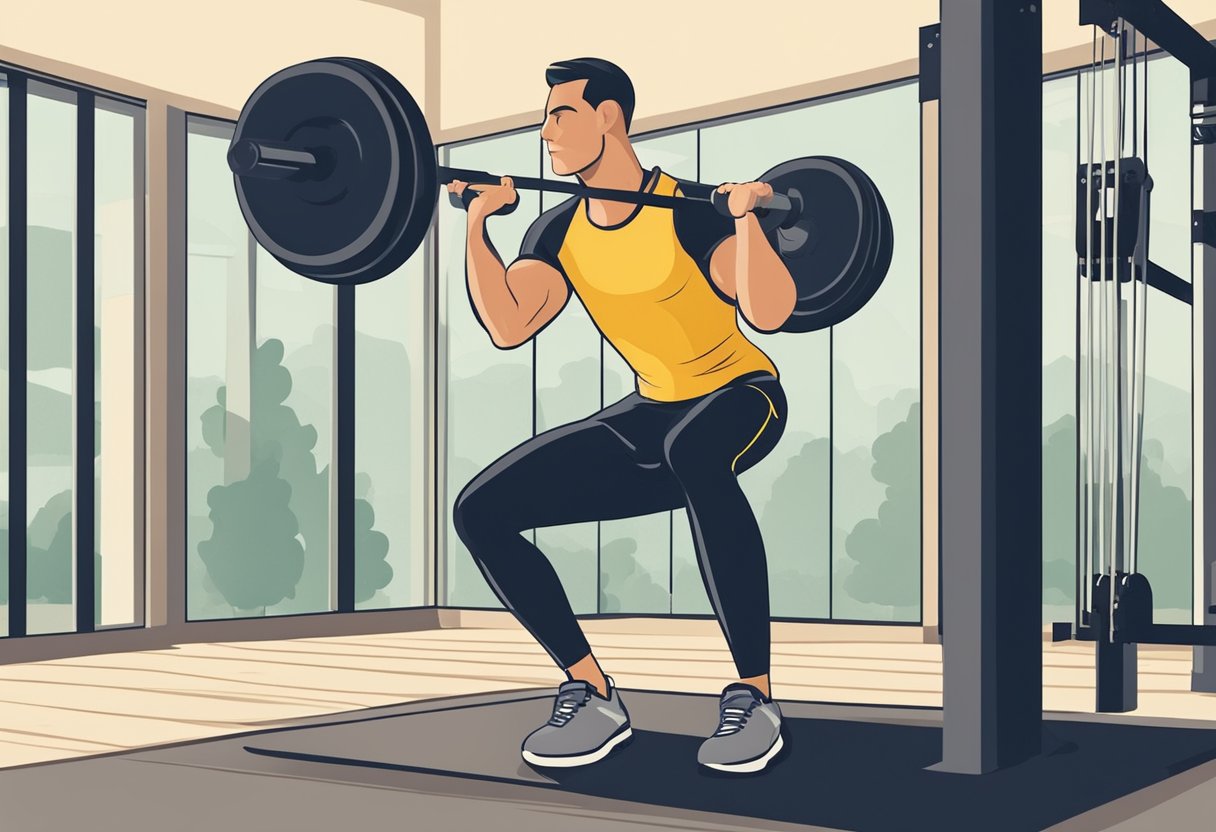
Exercise offers multiple benefits for those navigating cancer treatment. Through targeted physical activities, we can effectively manage pain and fatigue and address issues like lymphedema.
Managing Fatigue and Pain
Cancer treatment often leaves us feeling drained and in pain.
Engaging in regular physical activity helps combat this. Exercise increases our energy levels and reduces fatigue by improving blood flow and oxygen supply to our muscles.
Even simple activities like walking or stretching can significantly reduce tiredness.
Additionally, exercise releases endorphins, which act as natural painkillers. These hormones help lessen pain and boost our mood, reducing anxiety and depression symptoms we may experience during treatment.
Strength training is particularly valuable. It can maintain muscle mass and bone density, helping us feel stronger and more capable.
By participating in consistent physical activity, we can manage the side effects of our treatment and improve our overall quality of life.
Exercise and Lymphedema
Lymphedema, swelling generally in the arms or legs, is a common issue for those undergoing cancer treatment.
Specific exercises can help manage this condition by encouraging lymph fluid circulation and reducing swelling.
Gentle, rhythmic activities like swimming or cycling are practical.
Stretching and resistance exercises promote lymph drainage and prevent fluid buildup.
Resistance bands or light weights can strengthen the affected limbs without overexertion.
We should start slowly and gradually increase the intensity of our workouts.
Monitoring our body’s response ensures we do not strain ourselves.
Incorporating these exercises can alleviate lymphedema symptoms and maintain better limb functionality during and after treatment.
Lifestyle Choices and Their Impact on Survival
By making confident lifestyle choices, we can significantly improve our health-related quality of life, especially after surviving cancer.
Nutrition and Weight Management
Maintaining a healthy weight is crucial for cancer survivors.
A balanced diet of fruits, vegetables, whole grains, and lean proteins helps manage body weight and composition.
We should avoid excess sugar and processed foods, which contribute to obesity.
Focusing on nutritious foods can boost our energy levels and enhance our immune system.
Proper nutrition also helps reduce cancer mortality risk.
Studies show that physical activity combined with good nutrition can reduce cancer recurrence.
Embracing these habits means we’re giving our bodies the best chance to thrive after a cancer diagnosis.
Alcohol and Smoking
Limiting alcohol intake and avoiding smoking are essential for improving survival rates.
Alcohol can increase cancer risks and interfere with treatment effectiveness.
We should aim to drink in moderation or avoid it entirely.
Smoking, whether it’s a habit or occasional, profoundly affects our health.
It damages cells and can lead to a variety of cancers.
Quitting smoking can drastically improve our overall health and reduce cancer mortality risk.
Focusing on these lifestyle choices ensures that our post-cancer life is healthier and more fulfilling.
Integrating Physical Activity into Daily Life
Physical activity improves our mood, energy levels, and overall health.
Balancing Work and Wellness
Staying active while managing a busy career is vital for cancer thrivers like us.
Small changes, such as biking to work or walking instead of driving or taking the bus, make a difference.
Sedentary behavior, like prolonged sitting, impacts our health negatively.
We can break this cycle by standing during meetings or taking brief physical activity breaks.
These simple habits enhance our flexibility and increase our energy levels.
Furthermore, improving our balance through stretching or yoga boosts our quality of life.
Physical Activity as a Routine
Incorporating physical activity into daily routines requires commitment and creativity.
Consistent exercise helps manage stress and improves sleep quality.
We can start with manageable goals, like morning stretches or a short evening walk.
Routine activities like household chores or playing sports with family are also beneficial.
Scheduling regular physical activity times ensures we stay accountable.
Establishing a diverse routine, including aerobic exercises, strength training, and flexibility practices, keeps us engaged and motivated.
It’s about creating a lifestyle that integrates movement every day.
The Debate
The impact of physical activity on cancer recovery is widely discussed.
Some believe exercise improves mood, energy levels, and overall health.
As someone who has battled lymphoma twice, I can humbly say physical activity helped me feel better and stay positive.
Many studies show physical activity helps reduce cancer symptoms. It can make everyday tasks easier and provide a sense of normalcy.
Simple activities like walking or stretching can boost our well-being.
Despite these benefits, not everyone agrees.
Some worry that exercise might be too challenging for those dealing with cancer treatment’s side effects.
Fatigue and pain can make even the thought of exercise overwhelming.
Concerns also arise about the risk of injury.
For people with weakened immune systems or chronic pain, even light activity can sometimes cause harm. Balancing the benefits and risks is a real challenge.
There is a debate about the language we use.
Terms like “thriver” and “fighter” can inspire some but create pressure for others. Everyone’s journey is different; not all feel comfortable with these labels.
Benefits and Concerns
Benefits:
- Improved mood
- Increased energy levels
- Enhanced overall health
Concerns:
- Risk of overexertion
- Injury potential
- The emotional impact of terminology
By understanding both sides, we can find balanced solutions to help men with cancer thrive physically and emotionally.
Connecting with healthcare providers to tailor activity plans can address these concerns, ensuring safe and beneficial exercise routines.
Final Thoughts
Physical activity has been a game-changer for us.
It boosts our mood, giving us a sense of accomplishment and lifting our spirits during tough times.
Benefits of Physical Activity:
- Mood Enhancement: Regular workouts help us feel more positive and motivated.
- Boosted Energy Levels: Exercise increases stamina, making us feel less tired.
- Better Health: Prevents heart disease, diabetes, and osteoporosis.
Resistance training strengthens our muscles and bones.
Doing this several times weekly helps maintain muscle mass and supports overall well-being.
Stretching helps us stay flexible and reduces the risk of injury.
Each of us faces different challenges during our cancer journey, but incorporating physical activity can significantly enhance our quality of life.
It’s crucial to adapt activities to our own pace and abilities.
| Day | Activity | Duration |
|---|---|---|
| Monday | Walking | 30 mins |
| Wednesday | Resistance | 20 mins |
| Friday | Cycling | 30 mins |
| Sunday | Stretching | 15 mins |
Together, we can thrive by staying active and doing our best for our health.
By exercising regularly, we not only support our body’s recovery but also take control of our overall well-being. Let’s keep moving forward. -T
Frequently Asked Questions
Physical activity can significantly benefit men recovering from cancer by enhancing mood, energy levels, and overall health.
What forms of exercise are recommended for individuals undergoing cancer treatment?
We recommend starting with low-impact activities like walking or swimming.
Adding moderate exercises such as cycling or yoga can help improve fitness and well-being as stamina builds.
Starting slowly and paying attention to how the body responds is essential.
How can strength training benefit someone recovering from cancer?
Strength training helps rebuild muscle mass and strength lost during treatment.
Incorporating resistance exercises, such as using weights or resistance bands, two days a week can lead to improved functional ability and reduced fatigue. This makes daily tasks easier to manage.
What precautions should cancer patients take when engaging in physical activity?
It’s crucial to consult with a healthcare provider before beginning any exercise regimen.
Staying hydrated, avoiding extreme temperatures, and listening to our bodies are key.
We should stop if we feel dizzy or experience shortness of breath and avoid activities that may exacerbate pain.
Are there specific benefits of exercise for those who have survived cancer?
Regular exercise helps reduce the risk of cancer recurrence and improves overall survival rates.
It boosts energy levels, mood, and overall fitness. Many survivors find that physical activity provides a sense of control and empowerment during recovery.
In what ways does physical activity impact the longevity of cancer survivors?
Studies show that staying active can lead to longer lifespans for cancer survivors.
Exercise improves cardiovascular health, reduces anxiety and depression, and enhances quality of life.
Active individuals are more likely to handle additional treatments with better outcomes.
How can cancer patients safely integrate exercise into their treatment and recovery plans?
Working with a healthcare team to create a personalized exercise plan is vital. We should set realistic goals and gradually increase the intensity of workouts.
Mixing aerobic activities, strength training and flexibility exercises ensure a balanced approach, supporting overall recovery.
