

Boosting Resilience and Recovery
Self-talk can shape our daily experiences, especially during times of challenge. As a twice-survivor of lymphoma, I’ve seen how a positive mindset can be a game-changer.
Positive self-talk helps male cancer survivors counteract negative thoughts and build a healthier self-image. Embracing optimism isn’t about ignoring the reality of the situation but about facing it with courage and hope.

In my cancer journey, there were days when doubt and fear seemed overwhelming. Yet, by consciously choosing positive words and affirmations, I could alter my mental state and push through challenging moments.
This technique bolstered my emotional health and improved my overall quality of life.
Men often hesitate to open up about their feelings due to societal pressures. However, nurturing a positive inner dialogue can improve emotional and psychological well-being.
Sharing my experiences and hearing from other male survivors underscores the impact of optimism in navigating the complex world of cancer and its aftermath.
Key Takeaways
- Positive self-talk boosts mental and emotional well-being.
- Embracing optimism can improve the quality of life for male cancer survivors.
- Sharing experiences helps in building a supportive community.
Understanding Cancer and Survivorship

Surviving cancer involves understanding its complexities and navigating its challenges. It’s about the journey from diagnosis to treatment and beyond.
Definitions and Statistics
Cancer is a disease where cells grow uncontrollably. Common types include lung, prostate, and colon cancer. Survival rates vary; for example, prostate cancer has a high five-year survival rate.
Statistics show that nearly 17 million Americans are cancer survivors. Knowledge of these figures helps in setting realistic expectations.
The Cancer Survivorship Journey
Cancer survivorship starts at diagnosis and extends throughout life. It includes coping with emotional, physical, and social challenges.
Positive self-talk helps in boosting confidence. I learned to stay optimistic during my battles with lymphoma by focusing on small victories like completing treatment cycles. Support groups and hobbies also play a crucial role.
Early Detection and Diagnosis
Early detection of cancer through methods like screenings and tests increases survival rates.
Regular check-ups for males can help catch prostate or colon cancer early.
My first lymphoma diagnosis came during a routine check-up. Quick action and treatment started immediately. Seeking second opinions and staying informed about symptoms can save lives.
Medical Interventions and Treatments
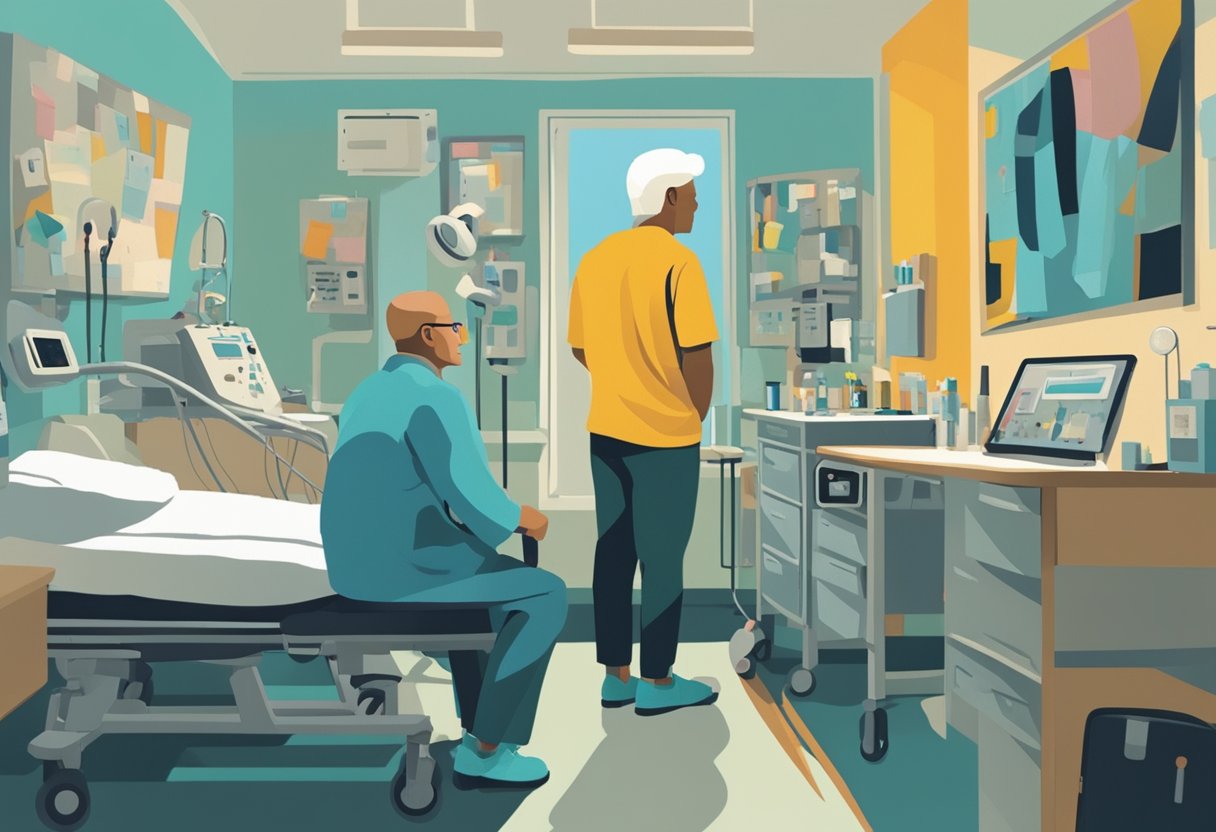
Cancer treatments vary widely and may include surgeries, radiation therapy, chemotherapy, and immunotherapy. Each method has unique approaches and benefits for combating cancer and improving patient health.
Overview of Cancer Treatments
Cancer treatments aim to remove or destroy cancer cells. These can be localized, focusing on one area, or systemic, affecting the whole body.
Treatments like surgery and radiation are usually localized. Conversely, chemotherapy and immunotherapy affect the entire body by targeting cells that multiply, including cancer.
Clinical trials often explore new drugs or combinations, offering new hope.
- Surgery: Removes tumors physically.
- Radiation: Uses high-energy particles.
- Chemotherapy: Drug treatment.
- Immunotherapy: Boosts the immune system.
Surgery and Radiation Therapy
Surgery aims to remove the tumor altogether. It’s often the first step in treating prostate cancer and lymphoma.
During my experience, surgery gave me a sense of hope as a direct action against my cancer.
Radiation therapy uses high-energy particles to kill cancer cells.
It’s non-invasive and often follows surgery to ensure all cancerous cells are destroyed. I remember the manageable side effects being less daunting than the illness itself.
Chemotherapy and Immunotherapy
Chemotherapy involves powerful drugs to kill rapidly dividing cells, including cancer cells. It’s administered in cycles to allow the body to recover.
Despite its side effects, it was an essential part of my treatment plan.
Immunotherapy empowers your immune system to fight cancer.
It’s tailored to each patient’s needs and works best with certain cancers like lymphomas. During my recovery, immunotherapy was like having a customized weapon against cancer.
Understanding these medical treatments and their roles gives a clearer picture of the multifaceted approach to fighting cancer. Engaging with these methods, combined with positive self-talk, strengthens resilience and enhances recovery.
Emotional and Psychological Effects

Understanding the emotional and psychological impacts of cancer can help survivors manage their mental health and find resilience. Positive self-talk plays a vital role in overcoming these challenges.
Coping with Stress and Anxiety
Stress and anxiety are common among male cancer survivors. During my journey, I experienced overwhelming stress.
Finding ways to cope can make a significant difference.
One effective method is positive self-talk.
By speaking encouraging words to myself, I could override negative thoughts.
Exercise, like running or playing sports, helped me redirect anxious energy and find calm.
Practicing emotion-focused coping techniques, such as mindfulness and relaxation exercises, also proved beneficial.
These practices helped me stay present and reduced my overall stress. Integrating these strategies into daily routines can enhance psychological well-being.
Dealing with Depression and Fear
Depression and fear were significant hurdles for me after my diagnosis.
Feeling hopeless, I discovered that positive self-talk helped counter these feelings.
Statements like “I am strong” or “I can face this” boosted my morale.
Talking to a therapist also provided an outlet for my fears.
Another method that helped was connecting with support groups.
Speaking with other men with similar experiences reassured me that I wasn’t alone.
Building a solid support network is crucial. It can provide motivation and understanding during tough times.
Importance of Hope and Resilience
Hope and resilience are vital factors in battling cancer. After surviving lymphoma twice, I learned how essential these qualities are.
Positive self-talk played a significant role in maintaining my hope.
I would often remind myself of past victories and strengths.
Cultivating resilience involves setting small, achievable goals.
Completing these goals gave me a sense of accomplishment.
Moreover, focusing on what I could control helped bolster my psychological well-being.
Activities that brought me joy, such as hobbies and time with family, strengthened my resilience.
Positive Self-Talk for Male Cancer Survivors
Positive self-talk helps male cancer survivors counteract negative thoughts and build a healthier self-image. Here, I share techniques and strategies based on personal experiences to help you navigate this journey.
Principles of Positive Self-Talk
Positive self-talk is about replacing negative thoughts with positive affirmations.
When I faced doubts, gentle self-encouragement made a difference. Key principles include:
- Awareness: Recognize when you’re thinking negatively.
- Replacement: Replace negative thoughts with positive, realistic statements.
- Consistency: Practice daily to build a habit.
By identifying negative patterns, I managed to shift my mindset.
Simple statements like “I can handle this” boosted my spirits during tough times.
Building Self-Efficacy and Confidence
Self-efficacy is your belief in your ability to achieve goals.
For me, focusing on small, achievable tasks helped. Some steps:
- Set Small Goals: Start with tasks you can accomplish easily.
- Celebrate Successes: Acknowledge every achievement, no matter how small.
- Learn and Adapt: Use experiences to grow stronger.
Building confidence wasn’t always easy, but seeing progress, like improving my stamina through walks, reinforced my belief in my abilities.
Transforming Negativity
Transforming negativity involves actively challenging and reshaping negative thoughts. There are several ways to approach this:
- Challenge Negative Thoughts: Ask yourself, “Is this thought realistic?”
- Practice Gratitude: Focus on what you’re thankful for.
- Visualize Success: Imagine yourself overcoming challenges.
When negativity crept in, these strategies helped to maintain an optimistic attitude.
It’s not just about avoiding negative thoughts but transforming them into something constructive. Focusing on the positive aspects of my journey taught me to adopt a resilient mindset.
Lifestyle and Self-Care Strategies
Balancing physical health, mental well-being, and a nutritious diet is crucial. I have overcome lymphoma cancer twice, and I want to share some practical advice for male cancer survivors.
Positive self-talk has been an excellent tool for me in building a healthier self-image and countering negative thoughts.
Exercise and Physical Health
Staying active improves physical health and boosts mood.
Regular exercise can help manage weight, reduce fatigue, and improve heart health.
Activities like walking, swimming, and light strength training are beneficial.
Set realistic goals and gradually increase intensity.
Join a sports league or a social exercise group for added motivation.
Listening to your body is critical. Rest when needed and consult your doctor before starting any new exercise program.
Consistency and persistence go a long way.
Healthy Diet and Nutrition
A balanced diet is essential for recovery and overall well-being.
Focus on whole foods, including fruits, vegetables, lean proteins, and whole grains.
Limit processed foods and sugar. Hydrate adequately.
Meeting with a nutritionist can help tailor a diet plan specific to your needs.
Cooking meals at home ensures control over ingredients and portion sizes.
Consider joining a healthy eating community or online forum for support and recipe ideas.
Simple changes in diet can have a profound impact on health.
Prioritizing Mental Health
Mental health is just as vital as physical health.
It’s normal to experience a range of emotions after cancer treatment.
Find activities that bring joy and relaxation, such as reading, meditation, or hobbies.
Talking to a therapist or joining a support group can provide a space to express feelings.
Positive self-talk and mindfulness practices can counteract negative thoughts.
Engage in activities like journaling or painting to channel emotions constructively.
Focusing on mental wellness can significantly improve quality of life.
Social Support and Healthcare Relationships

Building a solid network of social support and maintaining positive relationships with healthcare professionals can significantly aid male cancer survivors.
Leveraging Support Groups and Therapy
Support groups and therapy can play a crucial role in a male cancer survivor’s journey.
These avenues offer a safe space to share experiences and gain insights.
I found that participating in peer support groups allowed me to connect with other survivors who understood my struggles.
Through these interactions, I learned effective coping mechanisms and built resilience.
Therapy sessions with a licensed therapist also helped me counteract negative thoughts with positive self-talk.
This process was crucial for building a healthier self-image. Discussing challenges in a confidential setting enabled me to navigate emotional hurdles more effectively.
Engagement with Health Care Team
It is essential to have a strong relationship with your healthcare team, including doctors, nurses, and other clinicians.
During my treatment, open communication with my healthcare professionals provided me with tailored medical advice and emotional support.
Regular visits and honest conversations with them about my fears and hopes helped establish trust.
My healthcare team also encouraged my involvement in non-clinical community cancer services.
Engaging in these services broadened my support network and allowed me to benefit from additional resources tailored to male cancer survivors.
Healthcare professionals are vital in guiding survivors toward resources that aid their physical and emotional recovery.
If you ever feel overwhelmed or isolated, I encourage you to contact your healthcare team for support and guidance.
Building Towards a Better Tomorrow
After surviving lymphoma cancer twice, I’ve learned the value of setting achievable goals, nurturing spiritual health, and planning for the future. These strategies can significantly enhance your quality of life during recovery and cancer survivorship.
Setting Realistic Goals
Setting goals that are within reach helps you rebuild your life step by step.
I found it beneficial to break down larger goals into smaller, more manageable tasks.
This approach made it easier to track my progress and stay motivated.
For example, focusing on daily exercise routines and incorporating nutritious food into my diet helped improve my health-related quality of life.
Goals can be short-term, like taking a daily walk, or long-term, like completing a marathon.
Celebrating small achievements is crucial as they build the foundation for more significant successes.
Engaging in activities like sports also kept my spirits high and contributed to my recovery.
Incorporating Spirituality and Well-Being
Spirituality played a significant role in my journey.
Whether through meditation, prayer, or spending time in nature, nurturing my spiritual well-being helped lower my stress and anxiety levels.
Practicing mindfulness allowed me to stay in the moment and appreciate my progress.
I joined support groups encouraging a spiritual healing approach and providing a sense of community and purpose.
Integrating spirituality with my daily routine gave me a more balanced perspective on life and contributed positively to my mental health.
Feeling connected to something greater than myself was comforting and empowering.
Embracing Survivorship and Future Planning
Cancer survivorship requires embracing the new normal and planning for the future.
I made it a priority to monitor my health with regular check-ups closely and to stay informed about any advancements in cancer care.
Developing a survivorship plan that included medical follow-ups, lifestyle changes, and mental health care was essential for me.
I also took this time to reflect on my life goals and aspirations, ensuring they aligned with my new reality.
Planning for the future involves practical steps, like financial planning, and emotional readiness, such as staying positive and hopeful about what lies ahead.
Being proactive about my long-term health and well-being became critical to my recovery journey.
The Debate
The debate around positive self-talk in male cancer survivors is ongoing.
Some argue that it is immensely beneficial. Positive self-talk can help counteract negative thoughts with diagnosis and treatment.
Yet, others believe positive self-talk is an oversimplification. They worry it may invalidate genuine feelings of fear and sadness.
As someone who has survived lymphoma cancer twice, I understand both sides.
I implemented positive self-talk during my battle. It acted as an anchor, strengthening me when I felt most vulnerable.
However, this doesn’t mean I didn’t have dark moments. Acknowledging the pain and fear is also necessary.
Research shows that carers utilize positive thinking to minimize stress (source: “Always look on the bright side of life”). They believe expressing negative feelings would bring unnecessary harm.
For men, expressing feelings openly can be challenging. Society often expects men to be strong and stoic. This can create an additional burden during the cancer journey.
Some studies highlight how guided imagery and relaxation can help manage emotions (source: “Effect of Attitudes and Feelings on Cancer”).
These methods won’t control cancer growth but can reduce stress, pain, and fatigue.
Creating a toolbox of strategies that include positive self-talk can be life-changing.
While it may not be a cure, it is a valuable resource in the journey toward better mental health.
For me, it turned moments of despair into opportunities for resilience. This debate will continue, but my personal experiences illustrate the potential benefits.
Final Thoughts
Having survived lymphoma cancer twice, I know the journey is challenging, especially for men. Positive self-talk can make a huge difference in how we face daily challenges.
When negative thoughts creep in, I remind myself of my strengths.
Simple affirmations like “I am strong,” “I can handle this,” and “Every day is a new chance” have boosted my morale.
Using positive self-talk, I’ve countered fears and doubts.
By regularly telling myself, “I am improving,” I’ve shifted my mindset towards growth and resilience.
I encourage every male cancer survivor to embrace these affirmations. Write them down, say them aloud, and believe in them.
Adopting a positive identity helps build a healthier self-image.
Reflecting on past victories and acknowledging progress can reinforce optimism.
Survivorship isn’t just about physical healing. It’s about mental and emotional strength as well. Positivity plays a crucial role in this journey.
Benefits of Positive Self-Talk:
- Reduces Stress: Keeps the mind focused on solutions rather than problems.
- Boosts Self-Esteem: Reinforces belief in one’s abilities.
- Improves Mood: Creates a more hopeful outlook on life.
By practicing positive self-talk, I’ve found a way to navigate the ups and downs of cancer recovery. It has changed my life, and I believe it can change yours too.
Stay strong, stay positive, and empower yourself every day. Together, we can face this journey with hope and courage. -T
Frequently Asked Questions
In this section, I’ll share various ways male cancer survivors can harness positive self-talk to boost their mental health and resilience.
How can a male cancer survivor cultivate positive self-talk?
Cultivating positive self-talk starts with replacing negative thoughts with encouraging ones.
I began by writing down my negative thoughts and consciously reframing them into positive statements.
Practicing gratitude also helped shift my mindset.
What are some daily affirmations that can empower male cancer survivors?
Daily affirmations like “I am strong, and I will overcome this challenge” and “My body is healing every day” helped me.
Repeating these affirmations each morning set a positive tone for my day.
What are the best ways for male cancer survivors to stay positive during recovery?
Staying active through sports or light exercises kept my spirits high.
Engaging in hobbies and staying socially connected with friends and family also played a critical role.
What strategies can male cancer survivors use to build resilience?
Resilience can be built by setting small, achievable goals.
Celebrate each victory, no matter how small. Having a mentor or coach who understands the journey can provide significant support.
How important is a support network for male cancer survivors to maintain a positive outlook?
A robust support network was a game changer for me. I relied on friends, family, and fellow survivors for encouragement and empathy. It made me feel less alone and more equipped to handle challenges.
What techniques can male cancer survivors use to overcome negative thoughts?
Mindfulness and meditation were crucial in helping me manage negative thoughts.
I also found cognitive behavioral techniques effective for breaking the cycle of negativity.
Writing in a journal allowed me to express and understand my feelings better.
