

Overcoming Internal Barriers

Psychological hurdles are integral to the human experience, often as barriers that impede personal growth and wellness progress. They encompass a broad range of internal challenges, from coping with life transitions to dealing with the aftermath of serious health scares, such as surviving cancer.
For many men who have fought and emerged victorious from battles with conditions like lymphoma, the journey doesn’t conclude with remission.
Post-treatment, a feeling of demoralization can surface, paradoxically, when the fight seems over. This disheartening experience can be attributed to the physical and emotional strain of treatment, the profound questions about life purpose and identity that arise, and the daunting task of adjusting to a new normal.
For survivors, the silent struggle that follows the physical battle with cancer is characterized by a search for meaning and the reshaping of one’s self-concept. They may grapple with the anxiety of recurrence, changes in body image, and a reinterpretation of personal strength.
Navigating this terrain requires awareness of the psychological hurdles and identifying effective coping strategies. It calls for a solution-based approach that includes physical activities—a path that fosters resilience and improves mental well-being.
For instance, Engaging in sports can strengthen the body and provide therapeutic benefits, helping to restore confidence and establish a new sense of camaraderie and support with fellow survivors.
Key Takeaways
- Psychological hurdles after serious illness can include anxiety, body image issues, and an identity crisis.
- Awareness and actionable coping strategies are crucial for managing post-recovery challenges.
- Physical activities, particularly sports, offer significant therapeutic benefits to survivors.
Understanding Psychological Hurdles
Psychological hurdles represent a complex interplay between mental barriers and defense mechanisms that can inhibit an individual’s ability to function effectively.
The Nature of Psychological Barriers
Psychological barriers are intangible obstructions that impede a person’s thought processes and behavior. These hurdles stem from cognitive distortions and emotional burdens. For instance, men who have battled and conquered lymphoma may still encounter an emotional blockade—finding it challenging to rejoice in their survivorship. They might face an internal struggle, feeling demoralized despite their victory against the disease. Such an experience illustrates how the mind constructs hurdles that are as accurate and challenging as any physical obstacle.
- Barrier Types:
- Cognitive: Misjudgements caused by availability bias
- Emotive: Feelings of despondence post-medical triumphs
- Behavioral: Tendencies to avoid reminders of their ordeals
Common Psychological Defense Mechanisms
Psychological defense mechanisms are the mind’s security detail, protecting an individual from distressing thoughts and emotions. They shield from the world’s harsh realities, but when overused, they can distort reality and impede personal growth. Men who endure the trials of cancer might use denialism as a shield, refusing to recognize the potential recurrence of the disease, thus avoiding the necessary vigilance in monitoring their health post-recovery.
- Defense Mechanisms:
- Denialism: Ignoring the likelihood of cancer return for serenity
- Projection: Attributing personal fears to others around them
In confronting psychological hurdles, acknowledgment is the first stride toward managing them. A clear, unexaggerated understanding of these barriers and mechanisms lays the groundwork for individuals to surpass their psychological limits and embrace a fulfilling life post-recovery.
Mental Health in the Modern World
The contemporary landscape presents unique challenges to mental health, with social media, post-pandemic repercussions, and climate concerns heavily influencing individual well-being.
Impact of Social Media
In the modern age, social media serves as both a connector and a source of comparison, leading to mixed effects on mental states. Studies suggest that while it can foster community, excessive use is often linked with heightened levels of depression among users. Despite the curated nature of online personas, they find themselves caught in a cycle of comparison and feelings of inadequacy.
Effects of the Global Pandemic
The global pandemic has been a powerful force in shaping mental health, often exacerbating issues like anxiety and isolation. Survivors of diseases, including those who have bravely battled lymphoma, may confront a unique set of psychological hurdles post-recovery. In their journey towards regaining strength, men often grapple with demoralization as they rebuild their lives amidst the pervasive shadow of vulnerability and concerns for their health’s future.
Climate Change and Mental Well-being
Climate change has introduced a new dimension to psychological distress, with terms like “climate crisis” and “eco-anxiety” entering the public lexicon. The pervasive threat to natural habitats and fear of irreversible damage carries a weight that can manifest in chronic stress and anxiety. This emerging form of environmental grief touches all. Still, it is incredibly tangible for individuals with a solid connection to the natural world, where dire projections can overshadow daily life and foster feelings of helplessness.
Effective Coping Strategies
Coping strategies are crucial mechanisms that aid individuals in managing the psychological hurdles of post-treatment experiences like the demoralization often felt by cancer survivors. They encompass a range of activities and mental exercises tailored to reduce stress and improve emotional well-being.
Individual Approaches
Therapy stands out as a cornerstone for personal coping methods, with individual treatment serving as a private battleground where survivors confront their struggles. It enables a person to dissect past traumas and current anxieties in a safe space, guided by a professional. Mindfulness techniques, such as meditation or focused breathing exercises, empower survivors to anchor themselves in the present, combating the swirl of uncertainty that can follow a diagnosis or treatment phase.
They delve into personal development through structured activities and reflection, offering a controlled avenue for regaining a sense of agency. These methods are especially poignant for men, who may grapple with societal expectations to appear unflappable in adversity.
Community and Social Support
Community engagement and social support play vital roles, creating environments where shared experiences foster a deep sense of solidarity. Group programs offer a platform for mutual sharing and growth, allowing survivors to glean insights from each other’s journeys.
They provide a tapestry of perspectives that enrich an individual’s coping strategy toolbox. Through these communal interactions, survivors forge bonds that can alleviate feelings of isolation, especially among men who might struggle to reach out for help. These connections extend beyond verbal support, occasionally rooting in shared activities or sports, channeling the healing power of common interests and physical health into their recovery narrative.
Role of Physical Activities
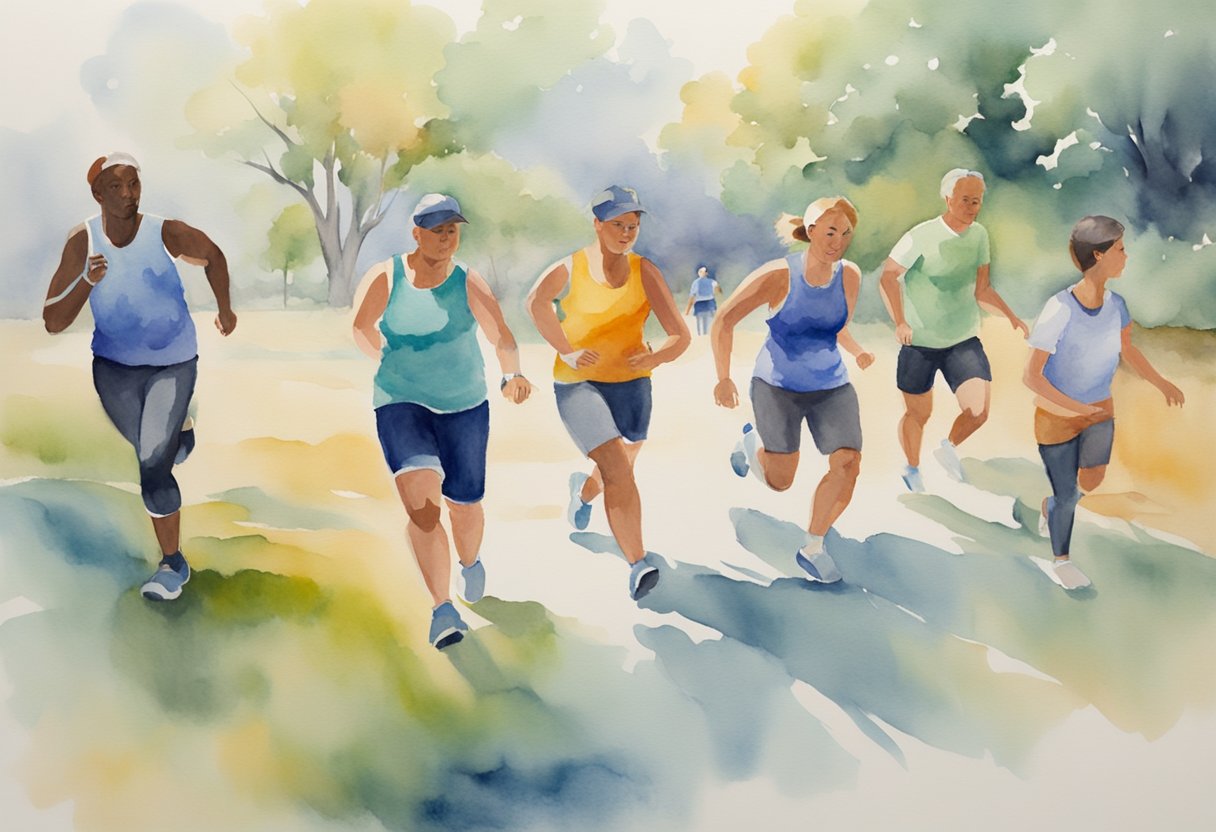
Engaging in physical activities, particularly those combining movement and mindfulness, offers many benefits that can help individuals overcome psychological barriers.
After enduring the hard-fought victory against cancer such as lymphoma, many men find physical activity to be a cornerstone in rebuilding their mental and emotional well-being.
Benefits of Mind-Body Practices
Tai Chi: Often called “meditation in motion,” Tai Chi provides a gentle yet profoundly beneficial practice. Cancer survivors find Tai Chi an accessible way to mend their spirits and regain strength. It promotes relaxed awareness, helping to nurture a peaceful mind in the face of life’s inevitable challenges.
- Stress Reduction: Men practicing Tai Chi report lowered stress levels, attributing it to the flow of movements that require focus yet relax the mind.
Kung Fu: Rooted in ancient martial arts, Kung Fu is more than self-defense. It instills discipline and cultivates an inner resilience that proves invaluable, particularly for those who have twice battled lymphoma. The rigorous training leads to a mental toughness that is essential for life beyond cancer.
- Improved Mood: Regular Kung Fu sessions contribute to a stable and enhanced mood, assisting men to regain control and accomplishment.
Relaxed Awareness: This state of being involves a conscious presence and acceptance of the current moment. It helps individuals who have felt demoralized after cancer treatments by encouraging a sense of calm and acceptance of their journey, including the hardships they have faced.
- Breathwork and mindfulness can enhance this relaxed state, fostering a more positive outlook.
Physical activities centered on mindfulness, such as Tai Chi and Kung Fu, offer a sanctuary for survivors. They empower men to rebuild not just their physical strength but also their mental fortitude, guiding them toward a future where their experience with cancer becomes a source of strength rather than a shadow.
Cultural and Societal Influences

Cultural and societal contexts significantly shape how individuals perceive and interact with mental health challenges. These influences can dictate the accessibility of resources and the level of stigma associated with seeking help.
Cultural Understanding of Mental Health
Cultural norms and values deeply affect the interpretation of mental health issues. In some societies, mental health struggles are often seen as a personal weakness or a lack of moral fortitude. Such views can lead to feelings of shame and isolation for those affected. For example, men battling cancer may reckon with identity challenges following lymphoma, feeling a sense of loss despite their survival. This is due to cultural pressures to remain stoic and resilient in adversity. Culturally sensitive interventions that acknowledge and respect individual experiences are crucial. These can encourage more men to embrace their vulnerabilities as part of their identity without fear of judgment.
Education and Awareness Campaigns
Efforts to increase education and awareness about mental health are fundamental for altering societal attitudes and enabling early interventions. Campaigns tailored to multiple cultural backgrounds can destigmatize mental health issues and promote understanding. They should address the unique hurdles men face, such as societal expectations to conceal emotions, which can exacerbate feelings of demoralization following illness. Data-driven approaches should inform these campaigns to ensure they effectively improve income-related disparities in mental health access. A blend of personal narratives and evidence-based information can foster a more compassionate environment for all facing psychological hurdles.
Taking Action Towards Change
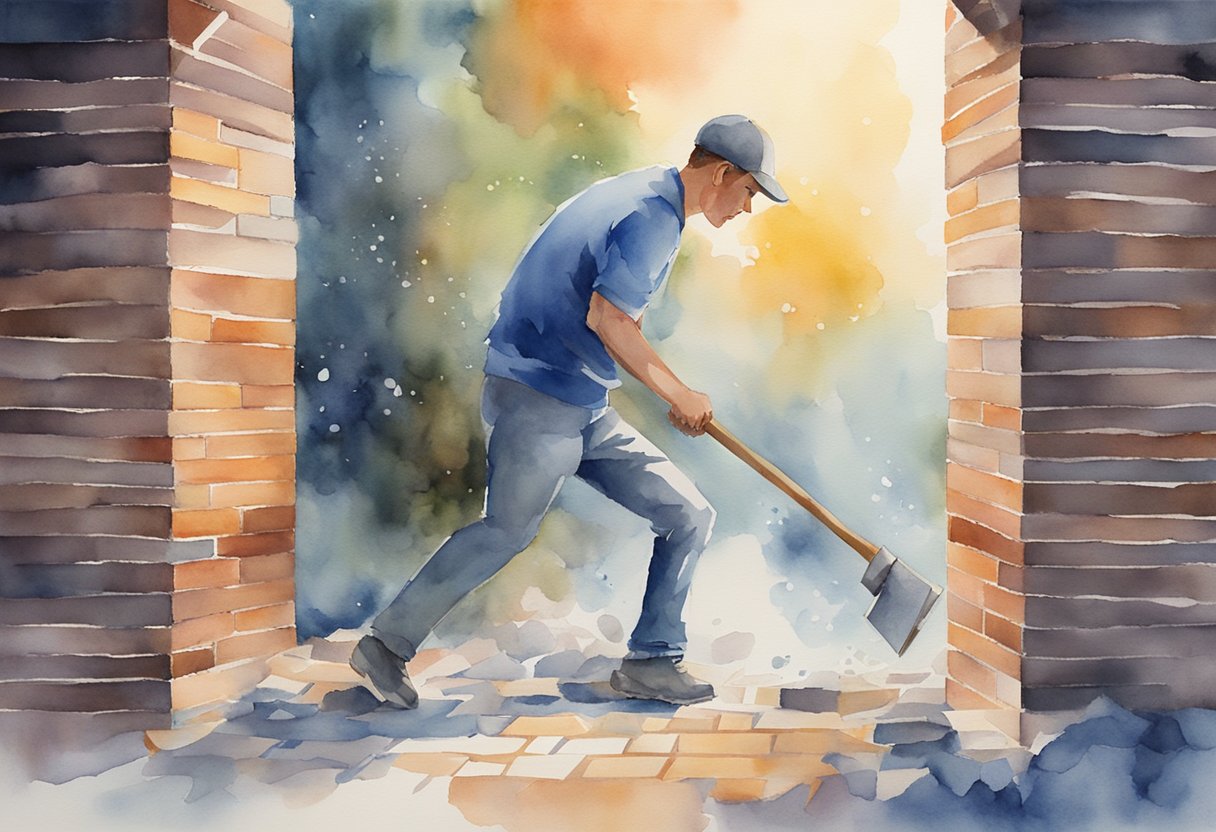
Successful change involves understanding psychological barriers and emphasizing sustainability to better the environment.
Overcoming Fear and Resistance
Individuals often struggle with the psychological effects of fear, which manifests as resistance to change. This resistance can follow a consistent pattern, reflecting the brain’s preference for predictability and comfort. For example, consider cancer survivors who have fought lymphoma. After enduring the grueling treatment, they can feel deeply demoralized, not because they lack gratitude for their survival but because the reality of their mortality has been brought sharply into focus. They need solutions that foster resilience. Within support groups, a survivor who has triumphed over lymphoma twice can share strategies to empower fellow men in their journey toward psychological healing.
Promoting Climate Action and Sustainability
For climate action to advance, psychological hurdles must be addressed. Individuals might acknowledge the reality of climate change yet still default to inactivity. Their recent article breaks down this phenomenon, describing how entrenched behaviors and patterns require awareness and a clear path to new actions.
Active involvement in sports, for example, could engage communities in sustainable practices. When a sporting event integrates eco-friendly initiatives, they demonstrates climate action and influence fans and participants to adopt similar behaviors, thus weaving sustainability into the cultural fabric.
Final Thoughts…

Often, cancer survivors grapple with feelings of demoralization after treatment concludes. One key cause is the sudden shift from continuous care to self-management, which can leave survivors searching for new coping strategies and support systems. Survivors might observe that their physical triumph does not always align with emotional well-being, creating a dissonance that’s hard to reconcile.
For men who survive lymphoma, returning to normalcy may involve re-engaging with activities they love, like sports. Through these activities, camaraderie and physical vitality offer healing beyond the clinical. A survivor himself might share with fellow survivors that the path to recovery is both non-linear and replete with smaller victories that merit celebration.
To mitigate these struggles, communal support efforts, such as local sports leagues, can provide physical benefits and a sense of belonging. These groups foster an atmosphere where expression of vulnerability is not just accepted but encouraged, alongside laughter and shared goals.
As a two-time lymphoma survivor speaking from profoundly personal experience, it’s clear that the journey encompasses more than one’s physical health. Emotional resilience is forged by peers who understand such a path’s unique trials. Tailoring support to address the physical and psychological aftermath can make a monumental difference in a survivor’s life, making the victory over cancer extend well beyond the hospital. -T
Frequently Asked Questions

Psychological hurdles can often obstruct the path to effective communication and personal growth. This section aims to explore the varied methods to traverse these barriers.
What strategies can be employed to overcome barriers in effective communication?
Active listening, clarifying questions, and empathetic feedback help navigate communication barriers. These techniques foster understanding and minimize misunderstandings.
How can individuals in health and social care settings address and surmount psychological barriers?
In such settings, professionals can implement a patient-centered approach that prioritizes the individual’s emotional and psychological needs. Creating a supportive environment encourages trust and engagement, reducing psychological barriers.
Can you provide examples of psychological barriers that impede successful communication?
Examples include preconceived notions, stereotyping, and emotional blocks like fear of rejection or judgment. These barriers can prevent a clear and compelling exchange of thoughts and ideas.
What approaches can tackle internal resistance when seeking mental health assistance?
Approaches like normalizing help-seeking behavior and emphasizing the positive outcomes of mental health support can reduce resistance. Support groups and peer examples can also serve as powerful motivators.
How do you challenge psychological barriers hindering personal change and development?
Identification often begins with self-reflection and acknowledgment of one’s own limiting beliefs and fears. Challenging these barriers requires continuous self-evaluation and stepping out of comfort zones.
What methods can be used to break through mental hurdles that affect everyday functioning?
Breaking through mental hurdles could involve setting incremental goals, practicing perseverance, and seeking out encouraging allies who foster one’s ability to overcome daily mental challenges.
