

Essential Tips for Better Rest
Surviving cancer is no small feat. As thrivers, we must address aspects of health often overlooked, including sleep. Proper sleep is vital to our healing journey and can significantly enhance our quality of life.
Focusing on sleep improvement goals can help manage treatment side effects and boost mental health.

We can adopt practical strategies and maintain a consistent sleep schedule. This means giving our bodies and minds the restful breaks they need to regain strength.
Incorporating integrative therapies and adjusting our lifestyles can also be game-changers. It is not just about surviving; it is about thriving.
Let’s explore ways to achieve better sleep and, in turn, better health overall.
Key Takeaways
- Prioritize good sleep hygiene to support overall recovery.
- Integrate lifestyle adjustments for enhanced sleep quality.
- Seek psychological support and explore alternative treatments.
Understanding the Link Between Sleep and Cancer

Sleep quality and duration can significantly affect cancer recovery, risk, and survivorship. We must address the impact of sleep disturbances, focusing on how sleep influences cancer patients’ health and overall prognosis.
Role of Sleep in Cancer Recovery
Restful sleep aids our body’s recovery processes. For cancer survivors, achieving deep and consistent sleep can significantly aid healing by enhancing immune function and reducing inflammation.
Studies show that those who maintain a regular sleep schedule report better outcomes during recovery phases.
Optimizing sleep patterns involves maintaining a consistent sleep schedule, creating a serene sleep environment, and practicing relaxation before bed.
Emphasizing these habits can contribute to a smoother recovery process and improve overall well-being, helping us better cope with the aftermath of aggressive cancer treatments.
Effects of Cancer on Sleep Quality and Duration
Cancer and its treatments can severely impact sleep quality and duration. Many of us, especially men, deal with insomnia, sleep apnea, or restless leg syndrome during and after our diagnosis.
Chemotherapy and other medications may cause fatigue but often disrupt standard sleep patterns.
Poor sleep exacerbates fatigue and can reduce our ability to handle daily stressors.
It’s vital to manage these sleep disorders through targeted strategies such as cognitive-behavioral therapy for insomnia (CBT-I) and considering medication adjustments under medical supervision.
Addressing these issues head-on helps maintain a semblance of normalcy in our daily lives.
Impact of Sleep Disturbances on Cancer Prognosis
Sleep disturbances can have a direct impact on cancer prognosis. Data from various meta-analyses suggest that disturbed sleep increases the risk of cancer recurrence and negatively affects survival rates.
For example, long sleep duration may increase mortality in all cancer cases, particularly lung cancer.
By prioritizing sleep hygiene, we can reduce the risk of sleep disturbances.
This includes avoiding caffeine and electronics before bedtime, engaging in regular physical activity, and creating a peaceful sleep environment.
These sleep goals can improve our quality of life and enhance our long-term survivorship.
Strategies for Improving Sleep for Cancer Thrivers
Prioritizing good sleep hygiene and setting targets for better sleep patterns can enhance health and aid recovery.
We will explore creating a restful sleep environment, establishing a consistent sleep routine, and using behavioral and psychological methods.
Creating a Healing Sleep Environment
We should focus on building a calming and restful sleep environment. The room should be dark, calm, and quiet.
Blackout curtains can block light, and earplugs can help reduce noise. Comfortable bedding tailored to personal preferences also plays a crucial role.
Removing distractions is vital. Keeping electronic devices out of the bedroom reduces disturbances and limits exposure to blue light.
White noise machines or calming sounds can provide a soothing backdrop. Undemanding activities like reading or light stretching also help.
Consider melatonin supplements if recommended by our healthcare providers.
This natural sleep aid can promote sleep, support the immune system, and reduce the impact of cancer treatments.
Combining these efforts can foster restorative sleep, aiding overall recovery.
Establishing a Consistent Sleep Routine
Consistency in our sleep schedule can make a significant difference. Going to bed and waking up at the same time daily, even on weekends, trains our body’s internal clock.
This practice enhances our sleep quality, which is vital for recovery.
Setting a relaxing bedtime routine is beneficial.
Activities like a warm bath, reading, or listening to calming music signal our body that it’s time to wind down. Avoid caffeine and large meals close to bedtime as they may disrupt sleep.
Limiting naps to 30 minutes or less, especially in the afternoon, prevents interference with nighttime sleep.
Staying active during the day promotes fatigue in the evening, making it easier to fall asleep on time.
Behavioral and Psychological Interventions
Cognitive Behavioral Therapy for Insomnia (CBT-I) can be highly effective. This approach helps us change negative thoughts about sleep and adopt healthier sleep habits.
CBT-I addresses the root causes of sleep problems, providing long-term solutions.
Relaxation techniques are beneficial.
Deep breathing, meditation, or progressive muscle relaxation can ease anxiety and prepare our bodies for sleep.
These methods are beneficial for managing stress and tension related to cancer.
Keeping a sleep diary aids in tracking our sleep patterns and identifying issues.
Recording sleep duration, quality, and disturbances help tailor interventions to our needs. Sharing this information with our healthcare team ensures comprehensive care.
Navigating Treatment Side Effects

Addressing treatment side effects can significantly impact sleep quality and overall well-being.
We will explore practical ways to manage pain, reduce fatigue, and control hot flashes to help improve sleep.
Managing Pain and Discomfort
Pain is a common issue for those undergoing cancer treatment.
We can work with our healthcare team to find the proper medications to manage pain.
Options may include opioids, anti-inflammatories, or other targeted treatments designed to relieve specific types of pain.
Using methods like physical therapy, acupuncture, and massage can also help.
Combining these treatments with medication can provide better pain relief. Distraction techniques, such as engaging in light activities or hobbies, can offer mental relief from pain.
Dealing with Fatigue and Cognitive Impairment
Fatigue and cognitive impairment are common side effects of cancer treatment that can interfere with daily activities.
To manage fatigue, we should prioritize energy conservation.
This means focusing on vital tasks and resting when needed.
Getting enough sleep at night can help. We might create a sleep routine involving going to bed and waking up simultaneously daily.
Relaxation techniques, such as deep breathing or meditation, can assist in falling asleep.
Cognitive issues, often referred to as “chemo brain,” can make it hard to concentrate.
Keeping a daily planner or using reminder apps can help us stay organized. Like walking, gentle exercises might boost energy levels and mental clarity.
Controlling Hot Flashes and Night Sweats
Hot flashes and night sweats can disrupt sleep patterns.
To manage these symptoms, consider wearing light, breathable clothing to bed and using cooling pillows or fans in the bedroom.
Hot flashes may be lessened by avoiding triggers such as spicy foods, caffeine, and alcohol.
Staying hydrated and consuming water-rich foods can help maintain body temperature.
Some medications and hormonal treatments can alleviate these symptoms.
We should discuss options with our healthcare provider to find the best solution tailored to our needs.
Keeping the bedroom environment relaxed and comfortable can also make a significant difference in managing night sweats and enhancing sleep quality.
Lifestyle Adjustments for Enhanced Sleep

We can take several steps to improve our sleep and, by extension, our overall health and recovery.
Fundamental lifestyle changes include focusing on diet, regular physical activity, and mindfulness practices.
Diet and Physical Activity Recommendations
Maintaining a healthy diet and staying active can significantly enhance our sleep quality.
Consuming balanced meals with plenty of fruits, vegetables, lean proteins, and whole grains helps regulate our body’s functions. Avoiding heavy meals and caffeine close to bedtime is also crucial.
Regular physical activity such as walking, cycling, or swimming keeps us fit and helps us fall asleep faster and enjoy deeper sleep.
It’s best to complete intensive exercise earlier to avoid overstimulation before bed.
The Role of Mindfulness and Relaxation Techniques
Incorporating mindfulness and relaxation strategies can be transformative.
Deep breathing exercises, meditation, and yoga calm our mind and body, reducing pre-sleep anxiety.
Establishing a bedtime routine with these practices signals our body that it’s time to wind down.
Allocating time for these methods daily can improve our ability to fall asleep and stay asleep.
Simple activities like soothing music or a warm bath can improve our sleep quality.
Understanding the Influence of Alcohol and Tobacco
Alcohol and tobacco adversely affect sleep patterns. Alcohol might make us feel drowsy initially, but it disrupts our sleep cycles, leading to poor-quality rest. Cutting back or eliminating alcohol can result in noticeable improvements in our sleep.
Similarly, tobacco is a stimulant that interferes with falling asleep and staying asleep. Nicotine replacement therapies or support groups can help us quit smoking. By reducing or removing these substances from our lives, we can create a more conducive environment for restful and restorative sleep.
Psychological Well-being and Social Support

Living with cancer poses unique challenges, from managing stress and anxiety to finding the proper community support. Addressing these issues is crucial for improving sleep and overall well-being.
Coping with Stress, Anxiety, and Depression
Managing stress and anxiety is essential for mental health. Stress makes our bodies release more cortisol, disrupting sleep and weakening the immune system. Finding effective ways to cope can make a huge difference.
Techniques like deep breathing exercises, meditation, and regular physical activity can reduce stress response and improve mood.
Depression is another challenge. It can feel overwhelming, but addressing it is vital. Setting small, achievable goals and celebrating progress can boost our morale. Professional counseling can offer structured support and personalized strategies to manage these feelings.
Building a Supportive Community
Having a supportive community is life-changing. Social support can improve our mental health and provide a buffer against stress. Friends, family, and fellow cancer thrivers are invaluable assets. They offer emotional support, share wisdom, and help us feel less isolated.
Engaging in activities we enjoy with others can strengthen these bonds. Join local clubs or online forums to share experiences and receive encouragement. Support doesn’t just come from people; pets can also provide comfort and a sense of companionship.
Benefits of Counseling and Support Groups
Counseling and support groups offer structured help tailored to our needs. Professional counselors can guide us through emotional hurdles and provide coping strategies. It’s not just about talking; it’s about learning techniques to manage stress and anxiety effectively.
Support groups connect us with others facing similar challenges. These groups create a safe space to share feelings and experiences. Knowing we are not alone in our journey can be very reassuring. Support groups can also introduce us to new ideas for managing our well-being.
We find a community dedicated to helping each other thrive in counseling and support groups. This collective wisdom can lead to better mental and emotional health, greatly supporting our recovery process.
Integrative Therapies and Alternative Treatments
Exploring integrative therapies and alternative treatments can help us effectively manage sleep issues and recovery challenges. By combining these methods, we can achieve better sleep quality and overall well-being.
The Efficacy of Acupuncture and Hypnosis
Acupuncture has shown promise in improving sleep among oncology patients. Acupuncturists insert thin needles at specific points on the body to balance energy flow. This can alleviate stress and enhance the quality of sleep. Studies indicate that regular acupuncture sessions can reduce insomnia and fatigue significantly.
Hypnosis, notably the Valencia Model of Waking Hypnosis, also offers potential benefits. This technique focuses on relaxation and positive suggestions while awake. It helps reduce anxiety and promotes better sleep. Combining acupuncture with hypnosis might offer us a holistic approach to managing sleep disturbances.
Supplementary Medications and Herbal Remedies
Complementary therapies often include the use of dietary supplements and herbal remedies. Melatonin, a well-known sleep aid, can help regulate our sleep-wake cycle. It is beneficial for cancer treatment patients whose sleep patterns might be disrupted.
Herbal remedies like valerian root, chamomile, and lavender are also explored for their calming and sleep-inducing effects. It’s crucial to consult with healthcare providers to ensure these are safe to use with ongoing cancer treatments. This individualized approach helps prevent potential interactions and optimizes the benefits.
Exercise as a Complementary Therapy
Exercise is critical in improving sleep quality and overall health for men with cancer. Regular physical activity can reduce fatigue, anxiety, and depression, which are common among us during and after treatment.
Activities like yoga, qigong, and tai chi have shown to be particularly beneficial.
A consistent exercise routine, tailored to our fitness level and treatment stage, promotes better sleep patterns. Incorporating gentle exercises into our daily routine can strengthen our body, enhance our mood, and improve our sleep. Always consult your healthcare team before starting any new exercise program to ensure it aligns with your health status and treatment plan.
Clinical Research and Ongoing Studies
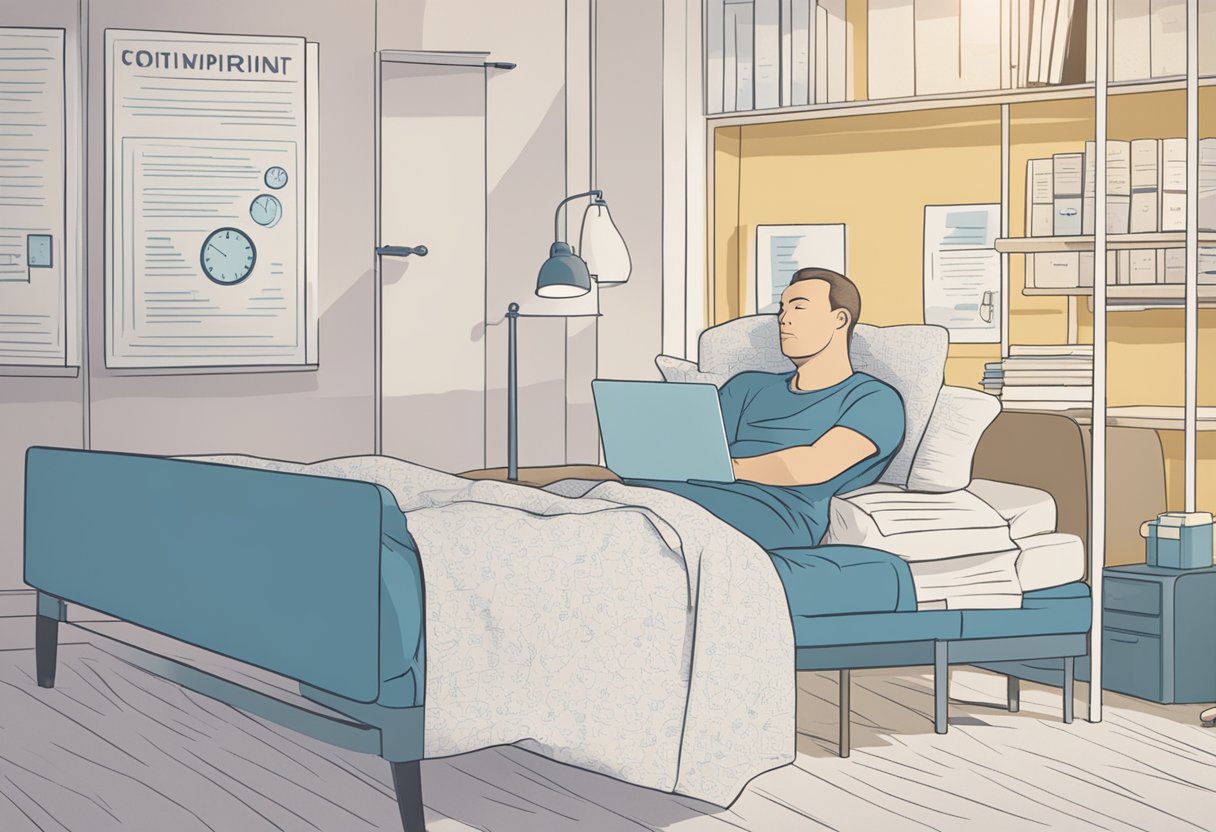
Sleep problems in cancer survivors like us require attention. Current research aims to improve sleep health and tackle cancer-related fatigue.
Advancements in Cancer and Sleep Medicine
Studies show the link between sleep disorders and cancer treatment side effects. Randomized controlled trials (RCTs) reveal interventions that reduce insomnia and improve sleep quality.
The National Cancer Institute supports studies on sleep apnea and its impact on immune function. Addressing sleep health can lead to better recovery and enhanced life quality.
Analyzing Data from Clinical Trials and Cohort Studies
Data analysis from cohort studies helps us understand the prevalence of sleep disorders among cancer patients. One study found that up to 95% of patients experience sleep disturbances.
Ongoing clinical trials focus on non-drug treatments to reduce cancer-related fatigue and improve daily functions. Analyzing results from these trials can guide new therapies and healthcare practices.
Future Directions in Cancer Survivorship and Sleep Health
Future research aims further to explore the role of sleep in cancer recovery. New studies will look at personalized sleep interventions tailored to individual needs.
With a focus on men, there is a push to understand specific sleep challenges faced by male cancer survivors. We aim to ensure better sleep health, improving our overall quality of life and long-term survivorship.
Final Thoughts
As men who have faced cancer, we understand the struggle to maintain restful sleep. Quality sleep is a cornerstone of our recovery journey.
Let’s set simple, achievable goals like going to bed and waking up at the same time daily. By doing this, we can create a routine our bodies can trust.
Tips for Better Sleep:
- Create a relaxing bedtime ritual.
- Limit naps to 30 minutes.
- Keep your bedroom dark and cool.
Healthy Habits:
- Regular exercise gives us more energy throughout the day.
- Balanced diet: supports overall wellness.
- Avoid screens before bed: helps our minds wind down.
When we prioritize these habits, our sleep improves. This contributes directly to our healing process.
For many, the value of good sleep is underestimated, yet it can significantly affect how we feel each day.
We have learned to adapt and find solutions that work best for us. Let’s keep moving forward, support one another, and make small but impactful changes to enhance our sleep. We take This journey together, step by step, night by night. -T
Frequently Asked Questions
Prioritizing good sleep hygiene can enhance our return to health and potentially improve recovery outcomes. Addressing specific issues and exploring proven solutions can lend support on this journey.
How can cancer survivors enhance their sleep quality naturally?
Maintaining a consistent sleep routine is key to naturally enhancing sleep. Going to bed and waking up at the same time daily sets our body’s internal clock. Reducing blue light exposure from screens before bedtime can help, too.
Are there specific sleeping medications recommended for oncology patients?
While some medications may be prescribed, it’s best to consult our healthcare provider. They can recommend safe options that won’t interact negatively with our existing treatment plans or medications.
What lifestyle changes contribute to better sleep for those recovering from cancer?
Regular exercise and a balanced diet play crucial roles. Even a short walk can boost our sleep quality. Limiting caffeine and alcohol, especially later in the day, can also improve our nights.
How does cancer treatment impact sleep patterns?
Treatments can cause a range of sleep issues. Chemotherapy and radiation may lead to fatigue and insomnia. Side effects like pain and nausea can disturb rest, making it harder to achieve deep, restorative sleep.
What non-pharmaceutical strategies can cancer patients use to improve sleep?
Creating a quiet, comfortable sleep environment helps. Keeping a sleep diary to record patterns and potential disturbances provides insights. Gentle backrubs or foot massages before bed can encourage relaxation.
Can habitual sleep disturbances predict cancer recurrence?
While no direct link has been proven, consistent and severe sleep issues could indicate other health problems.
Monitoring and addressing these disturbances with our healthcare team is vital for our well-being and peace of mind.
