

Cancer Thriver’s Guide to Enhancing Memory and Wellness
Living through lymphoma not once but twice, we’ve come to understand in a profound way how the nuances of daily life, like finishing tasks, can be drastically affected by the aftershocks of treatment.
Routines have become our lifeboats, guiding us through the choppy waters where memory and cognitive function have been compromised.
By establishing a structured day-to-day, we slowly rebuild our once-shaken abilities, focusing our energy on completing tasks that bring completion to our healing journey.

We are the comrades sharing this path, the mentors guiding others through similar struggles, especially fellow men facing cancer’s challenges.
We’ve learned to embrace routines not as rigid schedules but as beacons that light our way to recovery. They aid our memory and enrich our survivorship with a renewed sense of purpose.
In this shared battle, strategies that once supported us through treatment now empower us to thrive.
Key Takeaways
- Routines serve as steady guides in the uncertain journey of cancer survivorship.
- Structured daily habits help regain cognitive function and foster a sense of purpose.
- Survivorship calls for strategies that transform treatment into thriving.
Understanding Cancer Survivorship

Survivorship represents a complex phase for those of us who have encountered cancer. It encompasses ongoing health considerations, managing lasting effects from treatment, and grappling with the emotional landscape post-diagnosis.
Defining Survivor and Thriver
Survivor: anyone who has ever received a cancer diagnosis, regardless of their current treatment status. The term embodies resilience and a continual journey past the initial diagnosis. Thrivers, on the other hand, are survivors who focus not just on living but on flourishing despite their cancer experience.
Survival Rates and Statistics
Survival rates often guide our expectations and outlook post-diagnosis. According to the National Cancer Institute, current statistics are a beacon of progress for lymphoma, with five-year survival rates improving over the decades.
These numbers may offer hope and collectively seek to uplift each other, reinforcing that a cancer diagnosis is a chapter, not the entire narrative of our lives.
Emotional and Psychological Impact

After surviving lymphoma cancer twice, we’ve realized that creating and maintaining routines have been a cornerstone in mitigating psychological turmoil. This section explores how routines can aid in managing emotions and bolstering mental resilience.
Coping with Anxiety and Depression
Cancer can steep our lives in anxiety and depression, but establishing a daily routine has proven to be a steadying force.
Consistent routines remind us that we control our lives, which is essential when our thoughts try to convince us otherwise. Engaging with psychologists can provide us with tailored strategies to integrate into our routines, fortifying our emotional defenses.
- Morning exercise can be a potent routine to combat anxiety, releasing endorphins that counter stress hormones.
- Meditation before bed helps us to center ourselves and achieve restful sleep, reducing depressive symptoms.
Building Self-Esteem and Confidence
Winning life’s small victories daily is vital for nurturing our self-esteem and confidence. Our routine might include:
- Skills development, such as learning a new language or musical instrument, reinforces our sense of accomplishment.
- Social interaction, engaging with fellow survivors or community members, enhancing our social circle and support network.
Joining a sports team also injects a sense of camaraderie and gives us regular goals to strive for. This not only increases our confidence but also establishes a sense of belonging.
Overcoming Fear of Cancer Recurrence
The specter of recurrence looms large, but we can counteract this fear with proactive routines.
By incorporating regular health check-ups into our schedule, we solidify our commitment to stay ahead. We can also set weekly goals for nutrition and exercise that keep our bodies strong and reduce the risk of recurrence—taking lessons from the rigorous schedules of athletes who maintain peak physical health.
- Weekly meal planning ensures we’re fueling our bodies with the proper nutrients.
- Regular workouts build our physical strength and reinforce our mental resolve.
Physical Challenges and Management
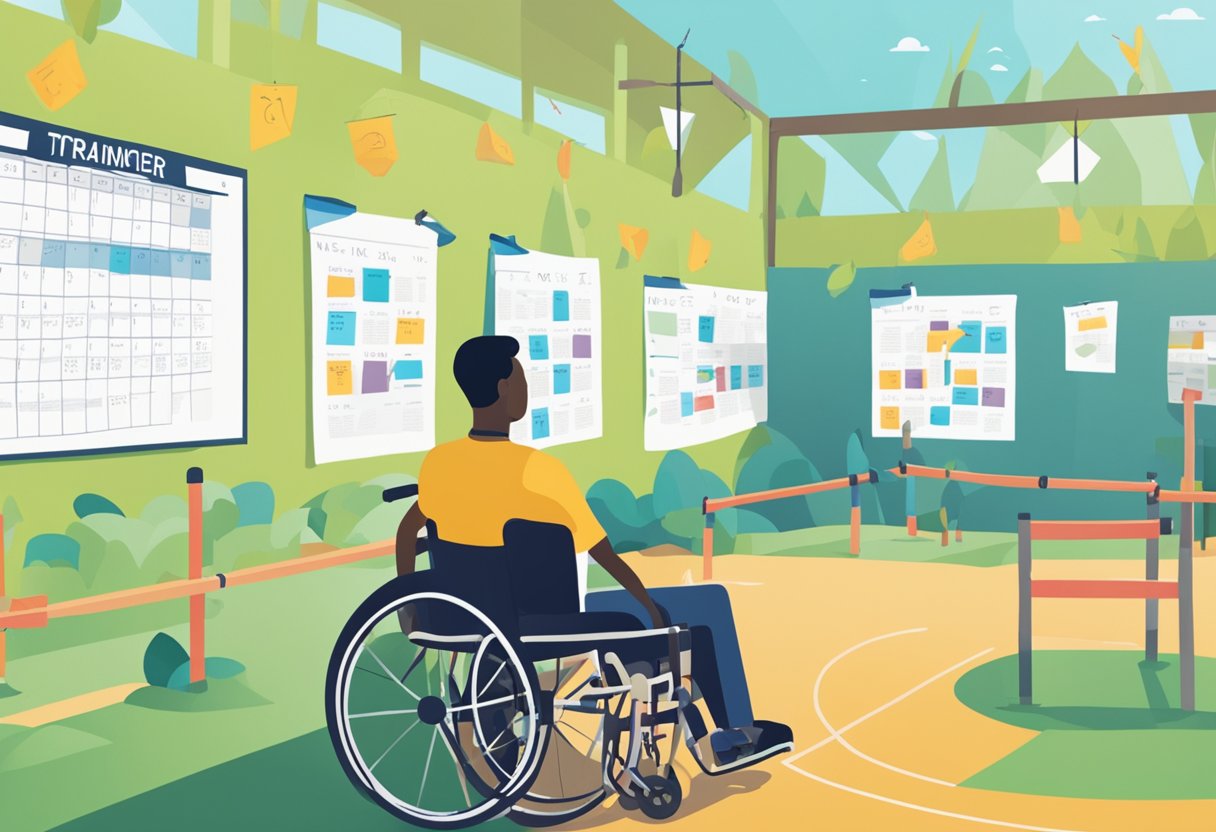
Embracing life after having beaten lymphoma twice, we acknowledge the reality of physical ailments while finding ways to maneuver through them with tailored strategies.
Managing Symptoms and Side Effects
We recognize that cancer treatments, though lifesaving, can lead to a gamut of symptoms and side effects.
For us, managing these effectively hinges on establishing reliable routines. This might include structured daily schedules that incorporate the following:
- Regular meals with nutritious foods combat weight loss and bolster energy levels.
- Hydration plans with ample fluids to stave off fatigue and assist kidney function.
We connect with health professionals to create these routines, ensuring they cater to our needs and contribute to our overall well-being.
Addressing Chronic Pain and Fatigue
Our battles with lymphoma taught us the value of addressing chronic pain and fatigue with precision. We’ve honed our approach to include:
- Moderate exercise, like swimming or cycling, boosts endorphins and helps with pain management.
- Restorative sleep practices such as consistent bedtimes and pre-sleep relaxation techniques.
These practices became our allies, equipping us with the resilience needed for daily endeavors and promoting restorative rest.
Preventing Lymphedema and Infection
Our vigilance against lymphedema and infection is non-negotiable, with routines carved to prevent these conditions:
- Exercise routines that encourage gentle movement to maintain lymph fluid flow without overexertion.
- Protective measures like moisturizing our skin and avoiding cuts to preempt infection risks.
By proactively incorporating these habits into our routines, we maintain arm and leg health while avoiding potential infections.
Lifestyle Modifications for Recovery

After surviving lymphoma, we recognize the crucial role that specific lifestyle changes play in our recovery process. Incorporating structured routines greatly aids in rebuilding and maintaining our well-being.
Integrating Physical Activity and Exercise
We understand that physical activity is paramount for our recovery. Regular exercise boosts energy levels, helps us regain strength, and contributes to managing post-treatment side effects.
The aim is to include a variety of exercises, such as:
- Aerobics for cardiovascular health
- Resistance training to build muscle mass
- Flexibility exercises to improve range of motion
It’s essential to start slow, listen to our bodies, and gradually increase the intensity of workouts.
Adhering to Nutrition and Physical Activity Guidelines
Nutrition plays a pivotal role in our journey as cancer thrivers. We strive to follow nutrition and physical activity guidelines, which include:
- Consuming plenty of fruits, vegetables, and whole grains
- Staying hydrated with water rather than sugary drinks
- Moderating consumption of red meats and avoiding processed ones
- Choosing meals that are balanced in protein, carbohydrates, and healthy fats
This approach not only supports physical recovery but also aids in mental well-being.
Implementing a Healthy Lifestyle
To implement a healthy lifestyle, we focus on routines that encompass both mind and body. Creating a structured daily plan can consist of the following:
- Designating time for meditation or mindfulness to reduce stress
- Setting sleep schedules that allow for ample rest and recovery
- Avoiding tobacco and limiting alcohol intake
Medical Treatments and Procedures
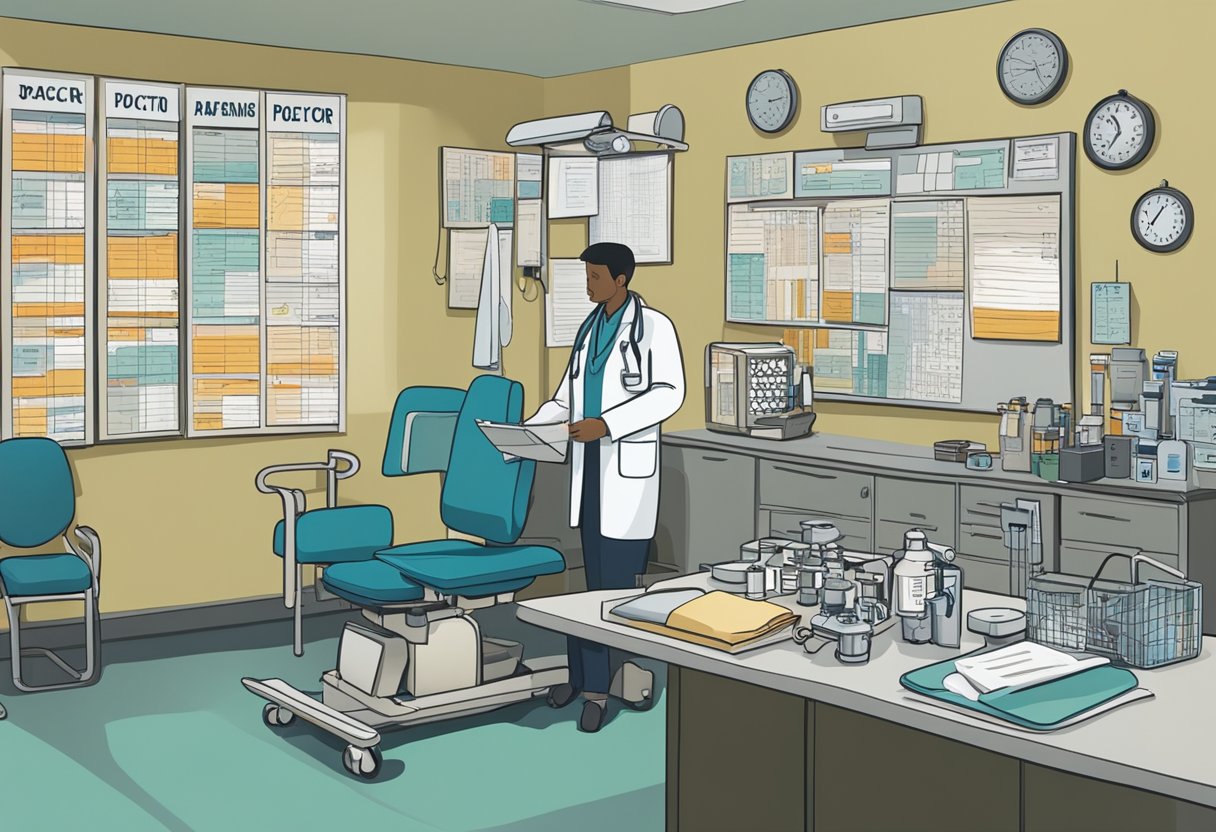
As cancer thrivers, we understand that our path through treatment is both complex and tailored to our unique conditions.
Here, we’ll explore the specifics of chemotherapy, surgical interventions, and newer advanced treatments that have played vital roles in our journeys.
Understanding Chemotherapy and Radiation Therapy
Chemotherapy uses powerful drugs to eradicate cancer cells throughout the body. Its systemic nature means that we can combat cancer regardless of its spread. This method is potent but has its fair share of side effects, including challenges to our memory and overall vigor.
In parallel, radiation therapy provides a more localized approach, targeting specific areas where cancer cells thrive. Radiation therapy aims to limit the impact on our overall health by concentrating high-energy waves directly at the affected sites.
The Role of Surgery in Cancer Treatment
Surgery often serves as a cornerstone in cancer management, aiming to remove malignant growths from our bodies. For us men who have faced this ordeal, it signifies a chance to cut out the physical embodiment of the disease.
Post-operation, we rely on our routines to maintain clarity of mind and body as we navigate the recovery process. It’s not just about the removal but also the precise methods used to minimize tissue damage and ensure we have the best chance at remission.
Exploring Advanced Cancer Treatments
As science progresses, so do our treatment options. We find hope in emerging therapies that target cancer on a molecular level. For example, immunotherapy turns our immune systems into finely-tuned defenders against illness.
Additionally, targeted therapies seek out cancer cells with incredible precision, sparing our bodies from the wide-scale assault of traditional treatments. And for those of us who’ve contended with lymphoma, advances in stem cell transplants offer a chance at revitalizing our bodies’ defenses.
The Role of Support Systems
In our journey as cancer thrivers, we understand how critical robust support systems are. These networks enhance our resilience and provide necessary guidance and companionship through all phases of care and recovery.
Fostering Strong Relationships and Community
Community and relationships act as our backbone. Close bonds with family and friends give us the emotional fortitude we require.
Meanwhile, regular participation in cancer peer support groups ensures we’re surrounded by individuals who understand our struggles intimately. These communities are spaces where we exchange stories, offer comfort, and find common ground.
Navigating the Healthcare System with Physicians and Caregivers
Our interactions with physicians are candid and collaborative. Clear communication with healthcare providers is fundamental to receiving optimal care.
Meanwhile, a trusted caregiver is pivotal in helping us manage our healthcare regimen. They assist us in medication management, remembering appointments, and understanding complex medical information.
Leveraging Cancer Advocacy and Organizations
Engaging with advocacy groups and organizations like the American Cancer Society empowers us with resources and knowledge.
These entities advocate for our needs, ensuring access to the latest treatments and support services. They’re our allies in legislative and research arenas, fighting for advancements that benefit us all.
Thriving Beyond Disease
As survivors, we harness the power of routine to overcome the cognitive impacts of treatment, redirecting our focus toward achieving wellness and fulfillment.
Finding Purpose and Joy in Survivorship
We carve out paths that lead to joy and purpose post-diagnosis. Routine adds structure to our days, allowing us to engage deeply with passions and hobbies that fuel our spirit.
We set aside time for activities that enhance our quality of life, like morning meditations or weekly sports leagues, which remind us of the joy that persists even through illness.
Adapting Language and Perspectives on Illness
The words we choose shape our reality. We replace “victim” with “thriver,” shifting the lens through which we view our experience.
This positively impacts our mindset and our communities’ collective narrative about illness. Each day, we might remind ourselves that we are not defined by lymphoma but by our daily resilience and growth.
Celebrating Milestones and Advocacy Events
We find strength in celebrating each milestone, whether anniversaries of remission or personal achievements.
Simultaneously, our triumphs serve as a beacon of hope, encouraging men across the globe who are navigating their journeys of survivorship.
On The Other Hand
As survivors who have faced lymphoma, we understand the hurdles that come with recovery. Our cognitive abilities often take a hit from the intensive treatments; memory lapses and foggy thoughts become frequent visitors.
We’ve found solace and structure in establishing daily routines, yet we acknowledge the viewpoint that routines might seem restrictive to some.
Our Mental Clarity Checklist:
- Engage in mind-stimulating games
- Maintain a consistent sleep schedule
- Reserve time for meditation
- Keep a detailed planner
For men navigating the aftermath of cancer, routines serve as both a shield and a sword, aiding in the regaining of control and enhancing focus.
Committing to physical activities, especially sports cultivates resilience—each match or race shapes a stronger, more determined version of ourselves.
We must admit there’s a flip side to routine; it could confine spontaneity and risk aversion. The thought persists—could a strict regimen stifle the joy found in unguarded moments?
Nevertheless, our collective journey validates structure’s efficacy; routines foster an environment where healing thrives. By sharing these strategies, we aim to light the path for those engulfed in the shadows of uncertainty, encouraging each stride toward a life not solely defined by cancer trials. -T
Final Thoughts
Stepping out onto the field of life after facing lymphoma multiple times has been a humbling journey. As thrivers, we unite in the understanding that our treatments often leave us grasping for the mental sharpness we once took for granted.
- Memory Strategies: We use tactics like mnemonic devices or visualization to keep our minds sharp.
- Movement: Incorporating physical activity like walking or swimming into our schedule bolsters both body and mind.
Our shared experience is more than a battle—a continuous strive toward well-being. We celebrate our resilience with every stride on the treadmill or tactic to sharpen memory.
We focus on creating routines, commanding our days with practiced precision, and channeling our energies into the joy of finishing daily tasks that nurture our souls.
- Cognitive Care: We diligently implement methods to keep our cognitive function thriving.
- Community Connection: We lean on each other, drawing strength from our resolve.
Through these practices, we navigate the fog left behind by treatments and emerge with a clear direction. We are a testament to the tenacity of the human spirit, moving forward with intention and embracing the camaraderie in our shared journey. We stand united, having weathered the storm of cancer, and through it all, we remain beacons of hope and encouragement for our fellow men walking this path.
Frequently Asked Questions
Our collective experience has revealed that sticking to certain routines can significantly enhance our daily lives. These practices nurture not just our physical health but also our emotional fortitude.
What lifestyle modifications can support longevity in cancer survivors?
A balanced diet, consistent physical activity, and adequate rest form the foundation for longevity after cancer. It is critical to adapt these elements to fit our recovery and maintain them consistently to promote healing and sustainable health.
Which daily habits contribute to a thriving life during cancer treatment?
Daily routines like short walks, mindful meditation, and engaging in hobbies that bring us joy encourage a positive outlook during treatment. Regular check-ins with doctors and maintaining a support network also keep us on a path to recovery.
What essential resources are crucial for the well-being of individuals battling cancer?
Access to updated, reliable information on cancer care is vital. We also benefit from joining support groups and connecting with others who empathize with our journey, which you can learn more about from the American Cancer Society.
Are there documented strategies for improving the quality of life for stage 4 cancer patients?
Yes, palliative care strategies prioritizing comfort and symptom management play a significant role. Holistic approaches addressing physical and emotional states offer us strength and improved quality of life at this stage.
How do emotional and mental support systems impact cancer patients’ recovery journey?
Emotional and mental support systems offer us a safe space to voice fears and receive comfort. They also help us share victories, fostering resilience and a sense of community as we face the challenges cancer brings.
What are the best non-medical practices that bolster cancer patients’ resilience?
Engaging in sports and physical activities tailored to our abilities can immensely strengthen our resilience.
Creating art or music also provides a therapeutic outlet, fortifying our determination and spirit.
