

Embracing the Journey to Empowerment
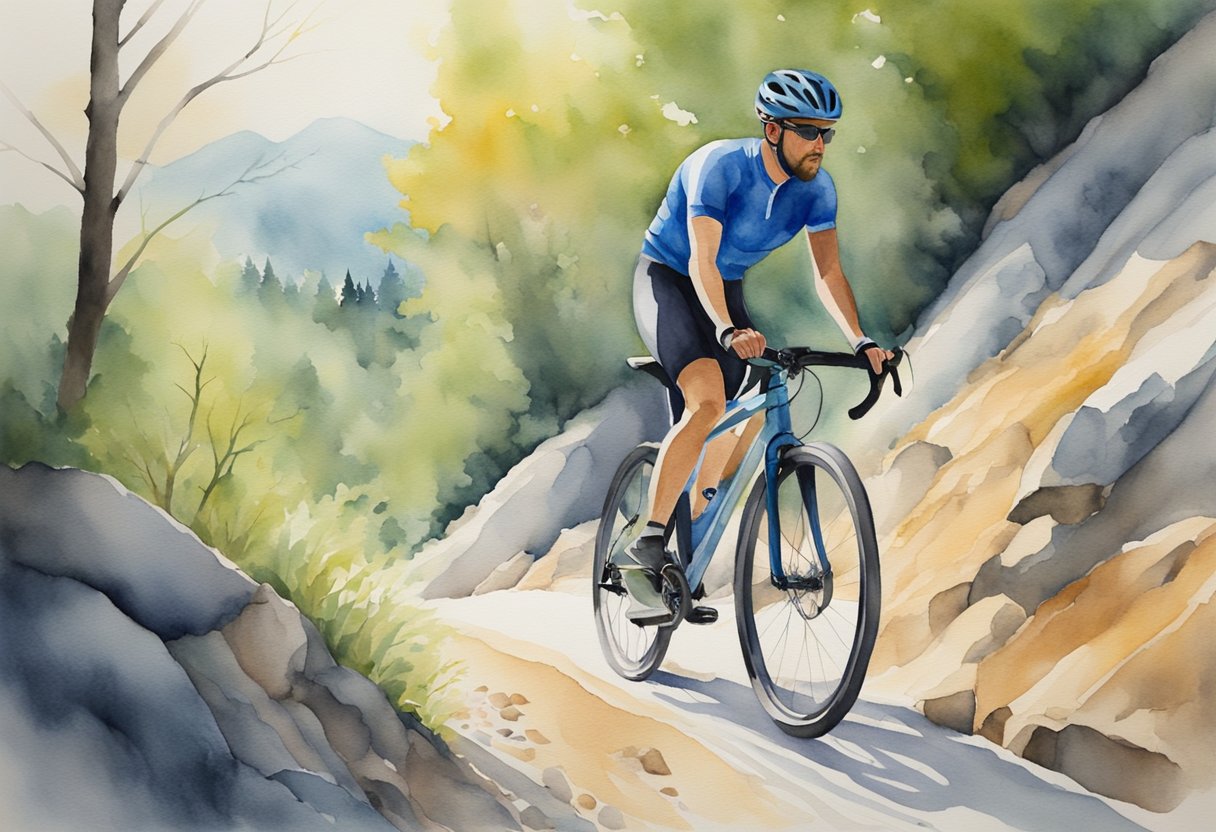
Biking beyond our limits is more than a physical pursuit; it is a beacon of hope and resilience for those facing cancer. As cancer thrivers, we have navigated the challenging path of diagnosis, treatment, and recovery, emerging with a steadfast desire to push our boundaries and embrace life fully.
Our journeys inspire a sense of camaraderie and support within the cancer community, especially among men who are confronting this life-altering disease. Together, we embark on cycling adventures that serve as a testament to our strength and a tribute to our ability to overcome adversity.
Through cycling, we find a unique and powerful way to advance our well-being and advocate for cancer awareness. We are not just pedaling for our health; we are riding with a purpose, mobilizing funding for vital cancer research and support services. Our collective efforts on the road reinforce a message of determination and unity. Whether we participate in organized bike events or take solitary rides to reflect and rebuild, each pedal turn contributes to a greater cause, bolstering our physical fitness and igniting our spirits.
Key Takeaways
- Cycling fosters resilience and unity among men who have survived cancer.
- Our shared rides advance both personal well-being and the wider fight against cancer.
- Participation in biking events channels our efforts into meaningful community support.
The Journey of a Cancer Survivor
As survivors, we share a bond, one of resilience and renewal, forged on the path through and beyond our cancer experience.
Embracing the New Normal After Cancer
Cancer reshapes life, creating a new normal where we reassess our priorities and embrace change. The years following diagnosis, including 2021, 2022, and 2023, marked milestones for many of us survivors, signifying the passage of time and the evolution of our journey. Our bodies and minds may bear the marks of our battle, yet we continue to navigate this altered state with determination and grace.
Physical Activity as a Pillar of Recovery
Exercise emerges as a cornerstone of our recovery; it’s not just about staying fit but finding a way to thrive. Events like the Ann Arbor cycling challenge recently illuminated the heights we can achieve. We understand the transformative power of sport; it aids us in healing and connects us with others on similar paths, creating a community where our collective strength propels us forward.
Cycling for a Cause
In the pedal strokes for progress against cancer, every rotation brings us closer to breakthroughs in cancer research and kindles a fire of hope within our community.
How Bike Rides Benefit Cancer Research
Cycling events nationwide transform our collective pedal power into vital funding for cancer research. We unite to support those institutions that lead the charge against cancer, ensuring that every mile cycled translates to dollars raised through sponsorships, registrations, and pledges. With our cycling efforts, we bolster scientific studies and elevate awareness about men’s cancer issues, bringing them to the forefront of public conversation.
Stories of Inspiration and Hope Among Riders
We witness awe-inspiring tales of resilience: men who have faced cancer‘s challenge and now ride to pay it forward. Each bike ride serves as their personal victory lap, a testament to their battles won. Their stories are the heartbeat of our cause, touching lives and inspiring fellow riders. These cancer thrivers—our brothers in this journey—embody the strength and persistence we all admire, becoming beacons of hope in the relentless fight against cancer. Our shared experiences form a tapestry of courage, proving that our resolve is unbreakable together.
Through every fundraising bike ride, we’re not just crossing distances; we’re closing gaps in cancer care and bringing comfort to those still navigating through the darkness of this disease.
Maximizing Safety on the Road
As survivors who have faced tough battles, we understand safety’s vital role in every ride. We gear up and respect the rules, carving out paths to health and resilience.
Choosing the Right Gear for Protection
Our lives are precious, so we clad ourselves in appropriate protective gear. A well-fitted helmet shields our heads, one of the most crucial steps we can take to guard against serious injury. It is not just about slapping on any helmet but selecting one that meets safety standards and fits snugly. We also consider our attire—reflective clothing and padded gloves provide visibility and comfort during our journey.
- Helmet: Ensures brain safety; must comply with safety standards.
- Reflective Clothing: Enhances visibility to others, especially in low light.
- Padded Gloves: Offers grip and protects hands from vibrations and abrasions.
Adhering to Traffic and Pollution Guidelines
We navigate the roads with an acute awareness of the traffic guidelines—a beacon for our journey. Following signs and signals is not just a matter of legality, it’s our shield against chaos. We stay vigilant, aware that our decisions impact those around us.
Breathing in fresh air as we pedal, we also remain cognizant of pollution levels, often planning our routes for quieter, cleaner paths whenever possible. In cities teeming with emissions, we sometimes choose less traveled paths to reduce our exposure, keeping our lungs as clear as our goals.
- Traffic Signals: We respect these for our safety and others.
- Route Planning: Avoiding high-pollution areas preserves our lung health.
- Visibility Strategies: We use lights and reflective materials to ensure others can see us.
Fundraising Strategies and Support
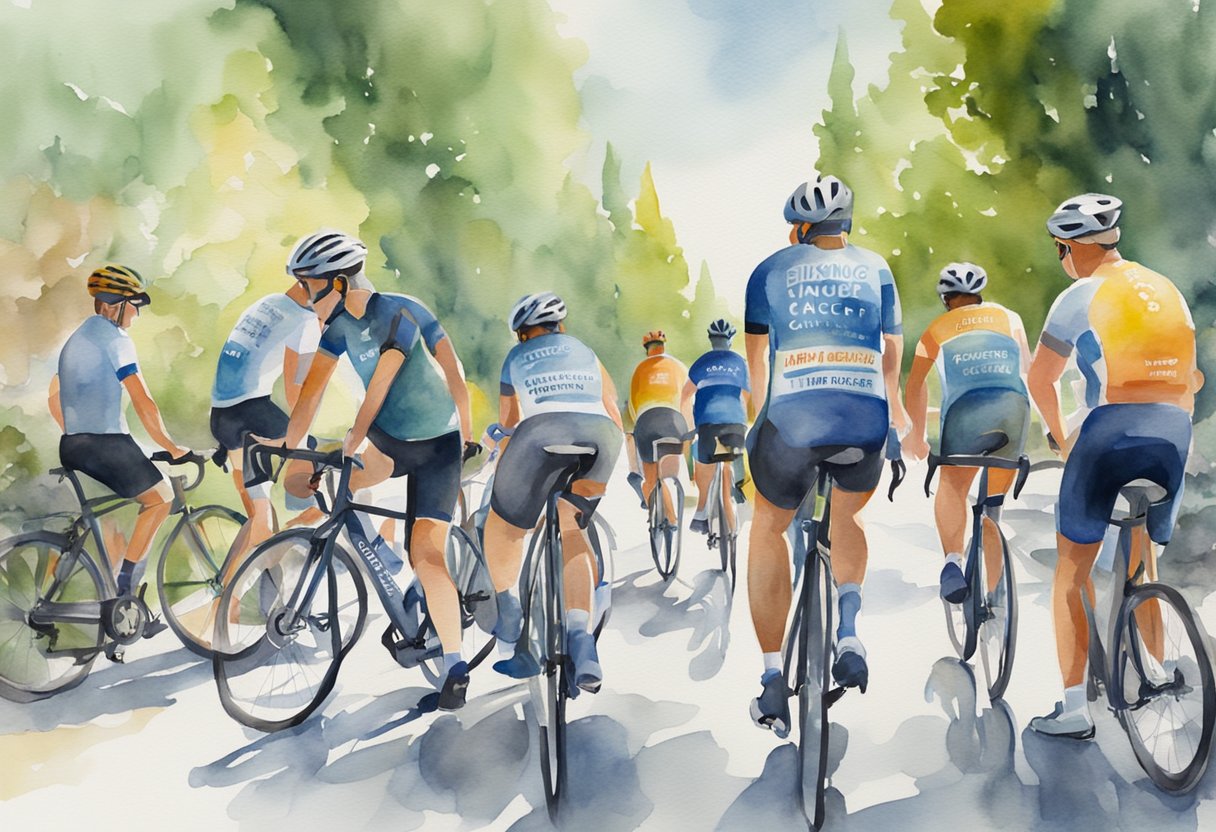
As thrivers of lymphoma, we know firsthand that the journey doesn’t end after recovery—it’s a continuous push to empower others facing similar battles. We aim to enhance the impact of our efforts through strategic fundraising and rallying volunteers.
Innovative Approaches to Fundraising
To bolster the war chest against cancer, we employ unconventional fundraising methods. We cycle hundreds of miles to represent the tenacity needed to face cancer, with each pedal stroke signifying a gesture of support. These endeavors raise funds and spread awareness, as our grueling rides mirror the relentless spirit necessary in our collective fight. We leverage challenges, such as the commitment to Cycle 300, which inspires sponsors through our determination and physical dedication to the cause.
- Biking Challenges: Events like the Pan Ohio Hope Ride captivate communities, turning miles into money for cancer resources.
- Creative Engagement: We don attire showcasing our cause at workplaces, sparking conversation and donations.
- Personal Efforts: Using platforms like Raise Your Way, we personalize campaigns, connecting deeply with our donors’ emotions and generosity.
Fostering a Community of Volunteers
The heart of our mission beats strong thanks to our dedicated volunteers. Their willingness to offer time and skills creates a foundation for sustained support. We organize and guide them to become ambassadors of our cause—each volunteer’s story echoes our collective resolve to aid fellow men braving cancer.
- Training Sessions: Providing clear resources and guidance to equip volunteers with the knowledge they need to succeed.
- Recognition and Motivation: Celebrating contributions regularly to maintain enthusiasm and commitment.
- Social Networks: Encouraging interaction within the Facebook community, where supporters multiply the reach of our message.
With each carefully planned event and each passionate volunteer’s effort, we weave a stronger safety net for men embarking on this daunting journey. Our fundraising and volunteer engagement maneuvers are the pillars that let us stand firm in the face of cancer.
Holistic Well-being for Cancer Thrivers
In our journey to thrive beyond cancer, aligning our lifestyle with holistic well-being practices proves crucial in managing our health. Comprehensive care considering nutrition, physical activity, and mental resilience, can guide us closer to wellness.
Nutrition and Diet in Cancer Prevention
Our choices on the plate play a significant role in guarding us against the recurrence of cancer. We focus on a balanced diet rich in fiber and low in saturated fats to maintain a healthy weight because excess fat can increase the likelihood of chronic diseases.
- Fruits and Vegetables: A rainbow assortment ensures a broad spectrum of antioxidants and phytochemicals supporting cellular health.
- Lean Proteins: We opt for fish, poultry, and plant-based proteins to rebuild strength and aid in recovery.
Incorporating superfoods that have been studied for their anti-cancer properties can be particularly empowering; foods like leafy greens, berries, and nuts are nourishing and serve as our arsenal against potential health setbacks.
The Role of Mental Health in Cancer Survival
We often neglect our mental well-being, yet it is a pillar in our survival toolkit. Engagement in activities that foster a positive mindset and coping skills is vital. Regular interaction with peer support groups can provide a sense of community and understanding that we are not alone in our struggles.
- Mindfulness and Meditation: These practices reduce stress and improve our reaction to chronic pain, allowing us to stay centered.
- Exercise: It’s not merely a physical activity; it’s a therapeutic outlet for emotional release, enhancing our mood and energy levels through endorphin release.
Our mental fortitude complements our physical endeavors, weaving a resilient fabric that protects and propels us onward. Together, we affirm our commitment to holistic well-being, sharing lessons learned and strength gained in our collective stride against cancer.
Cancer Treatment and Recovery
As survivors, we understand the profound impact of state-of-the-art treatments and structured recovery programs on our journey to health. We embrace the challenges and focus on emerging stronger each step of the way.
Advancements in Radiation and Surgery
Advancements in radiation therapy provide precision-targeted treatments, minimizing damage to healthy tissues. Innovations like IMRT (Intensity-Modulated Radiation Therapy) allow us to undergo treatment with refined accuracy. Meanwhile, surgical procedures have progressed to become less invasive, with techniques such as laparoscopy leading to quicker recoveries and fewer complications. We’ve seen firsthand how these improvements significantly reduce recovery times, allowing us to resume our lives more rapidly.
Rehabilitation and Exercise Programs
Rehabilitation is tailored to our unique needs post-treatment, focusing on restoring strength and function. Specialized exercise programs designed for survivors are crucial in enhancing our physical activity, leading to improved outcomes. For us, engaging in regular exercise isn’t just about rebuilding muscle; it’s about reclaiming our vitality and endurance. It’s also a powerful reminder of what our bodies can achieve, despite the toll of cancer and its treatment.
Advocacy and Awareness Initiatives
In our journey to transcend the boundaries set by cancer, we’ve learned that solidarity in advocacy and the spread of knowledge are pillars for change. Our initiatives aim to instigate a robust public discourse about cancer, focusing particularly on the plight and recovery paths for men battling this affliction.
Promoting a Culture of Health and Safety
We lead by example to cultivate a community where health and safety are the bedrock of every decision. With events such as the American Cancer Society Bike events, we honor survivors, galvanize our peers, and fundraise with a clear objective: to uphold lifestyles that preempt disease and encourage early detection. These gatherings are more than mere events; they’re a call to arms to protect ourselves and our loved ones through vigilant self-care and regular check-ups.
- Check-Up Campaigns: Regularly scheduled community health fairs with free screenings for men.
- Gear for Guardians: Distribution of helmets and safety gear during cycling events to promote safe sporting habits.
Educational Efforts and Cancer Awareness Campaigns
Education serves as our sword and shield in the battle against cancer’s shadow over our lives. We spread awareness tirelessly, so each individual knows the risks and the steps they can take to mitigate them. Informative drives help us illuminate the reality that lifestyle choices can markedly influence cancer outcomes, as supported by findings on cancer and health behaviors (ResearchGate study).
- Awareness Workshops: Engaging sessions tailored to men’s groups, highlighting risk factors and preventive measures.
- Survivor Talks: Narratives from men who’ve triumphed over cancer, inspiring action and supporting those still fighting.
Through these initiatives, we strive to be the champions of change, ensuring that no one feels alone on their cancer journey and every man has the tools to challenge and overcome this disease.
Community Involvement and Participation
We recognize collective efforts’ role in overcoming challenges, especially when confronting cancer. This truth became even more evident to us throughout our journey with lymphoma.
The Role of Individual Efforts in Collective Success
Every pedal turned, and every mile conquered are testaments to our resilience. As survivors, we know our actions contribute greatly to the overarching goal of collective success. Whether it’s through leading a local fundraising bike event or simply sharing our stories, we inspire solidarity. This strengthens not just our body and spirit but also those around us.
Building and Sustaining Support Networks
We foster volunteer networks that serve as a lifeline for men navigating the cancer journey. Within these communities, each of us plays a vital part — supporting one another, listening, and embodying the compassion we once desperately needed. These networks sustain not only our physical health but our emotional well-being, forging bonds that can withstand even the most daunting challenges through events that allow us to honor cancer survivors while cycling, we strengthen individual resolve and community unity.
Final Thoughts…
As we pedal through life’s challenges, particularly in the face of cancer, we understand the power of resilience. Our shared cycling journeys unite us, emerging not just as survivors but as beacons of hope for others navigating similar paths.
- We recognize the strength it takes to climb every hill.
- Our camaraderie fuels our resolve, matching each pedal stroke.
- Through wind and weather, our determination never wavers.
In speaking with fellow men who battle cancer, we realize the significance of fostering a community that supports, encourages, and shares in each victory—no matter the size. Endurance sports like cycling offer a unique platform for this exchange, where we can set our own pace and ride in unison with others who truly comprehend our struggle.
We’ve felt the sting of uncertainty, yet we cling to the steadfast belief that we can overcome it. Whether on a quiet trail or a bustling city street, each ride is a testament to our spirit—a reflection of our unwavering desire to live fully in each moment together.
With every mile we conquer, let us remember the power of solidarity. In these connections, we find inner strength and a reminder that the road ahead is ours to define. Let’s continue to inspire and be inspired, understanding that together, we fortify hope and keep the wheels of progress advancing. -T
Frequently Asked Questions
Within our community of survivors, we often seek clarity on how activities like cycling can support our journeys through and beyond cancer.
How can cycling contribute to cancer recovery?
Cycling engages our bodies in moderate physical activity, utilizing skeletal muscles, which can boost energy levels and potentially aid in mitigating the fatigue associated with cancer recovery. Studies indicate that regular movement, including cycling, may also improve our overall well-being during and after treatment.
What are the daily cycling recommendations for individuals undergoing cancer treatment?
We should tailor our cycling routines to our individual capacities and treatment phases. Oncologists might suggest light to moderate cycling, depending on energy levels and overall health, aiming for consistency rather than intensity.
Are there any specific benefits of cycling for prostate cancer survivors?
Cycling can help maintain a healthy weight, which is crucial for prostate cancer survivors. Maintaining physical activity after diagnosis may lower the risk of progression and aid in managing side effects of treatment, like fatigue.
How might regular cycling impact long-term cancer survivorship?
Engaging in regular physical activity, such as cycling, can be associated with a decrease in overall mortality for survivors. This habit may support our bodies in a more resilient recovery and foster our long-term health.
What is the suggested frequency and intensity of cycling for maintaining health post-cancer treatment?
Our healthcare team will guide us on specific recommendations, but generally, we aim for moderate cycling a few times a week. This helps us balance the benefits with our recovery process, ensuring we do not overextend ourselves.
Can cycling help prevent cancer recurrence?
While no activity can guarantee prevention, cycling may contribute to a lifestyle that supports our body against cancer recurrence. This includes keeping our body active and maintaining a healthy weight, which can be pivotal in our fight against cancer.
