

Managing Stress Effectively

Coping mechanisms are essential tools for managing the stresses that life throws at us. They consist of emotional and behavioral strategies to deal with difficult situations and maintain mental well-being.
From daily annoyances to significant life challenges like recovering from an illness, how individuals adapt and handle stress can significantly influence their long-term emotional health.
For those who have faced severe health challenges, such as lymphoma survivors, finding effective ways to cope can be critical. The journey doesn’t end with treatment; often, survivors are left to navigate feelings of demoralization and a new reality post-treatment. Men, in particular, may struggle with societal expectations to remain stoic, making it even more vital for them to develop supportive coping strategies.
Key Takeaways
- Coping mechanisms allow individuals to manage stress and maintain emotional well-being.
- Post-treatment, lymphoma survivors may use coping strategies to handle feelings of demoralization.
- Developing practical coping skills is crucial, especially for men facing societal pressures to conceal emotions.
Understanding Coping Mechanisms
Coping mechanisms play a vital role in managing stress and preserving mental health. They range from adaptive to maladaptive and influence emotional well-being, particularly in situations as challenging as the aftermath of cancer treatment.
Role of Coping in Mental Health
Coping strategies serve as a bridge between an individual and stressors, providing tools to navigate through tough times. These mechanisms reflect how a person deals with emotional turmoil and are pivotal in maintaining mental stability. Survivors of lymphoma, for instance, often experience a sense of demoralization post-treatment. They may use coping strategies to rebuild their self-esteem and regain control over their lives.
Different Types of Coping: Emotion-Focused and Problem-Focused
Coping mechanisms are commonly categorized as emotion-focused or problem-focused. Emotion-focused coping involves managing emotions that arise in response to stressors, such as finding solace in shared experiences with other male cancer survivors. On the other hand, problem-focused coping directs one’s efforts toward solving the issue at hand, such as actively participating in recovery programs.
Adaptive coping strategies, like seeking peer support or engaging in physical activity, promote healing and growth. Conversely, maladaptive coping, like avoidance or substance use, can impede recovery and exacerbate distress.
The Spectrum: Adaptive to Maladaptive Coping
Coping strategies lie on a spectrum:
Adaptive Coping:
- They contribute to long-term well-being.
- Examples include exercising and seeking social support.
Maladaptive Coping:
- It can cause further stress.
- Examples encompass denial and self-isolation.
The efficacy of coping mechanisms varies; adaptive strategies often foster resilience, while maladaptive ones can lead to a cycle of increasing stress and reduced mental health. After battling lymphoma, men might discover strength they never knew they had by engaging in sports, as it channels their energy into a positive outlet and builds a supportive community.
Coping with Stress and Anxiety
Successfully managing stress and anxiety requires recognizing individual triggers and adopting proven relief strategies. This section offers insight into these processes, tailored to support those enduring the psychological aftermath of confronting serious health challenges like cancer.
Identifying Stress Triggers
Detection of Stressors: For many cancer survivors, the end of treatment can herald a new set of emotional upheavals. They might find themselves wrestling with fears of recurrence or isolation in their experiences. He may realize his concern about future health overshadows his current well-being, signifying a need for targeted stress management interventions.
Common Triggers include financial strain, changes in body image and function, and navigating personal relationships post-recovery. Recognition of these stressors is the stepping stone to gaining control over his stress response, enabling him to seek out coping practices that resonate with his journey.
Effective Strategies for Anxiety Relief
Adopting Relaxation Techniques: Integrating relaxation exercises into his daily routine can offer profound benefits. Techniques like deep breathing, guided imagery, or progressive muscle relaxation help anchor his mind in the present, fostering a sense of calm and reducing anxiety levels.
Mindfulness and Physical Activity: Engaging in mindfulness practices, such as meditation or yoga, allows him to observe his thoughts without judgment, breaking the constant worry cycle. Meanwhile, physical activities, especially those aligned with sports, provide a healthy outlet for stress and camaraderie and support among peers who might share similar experiences.
As someone who has stood face to face with lymphoma, the path to reclaiming his peace of mind is personal and nuanced. Through trial, he will find those strategies that best allow him to cope with the psychological stress of his encounter with cancer, bearing in mind that each man’s battle and coping mechanisms will be as unique as the individual himself.
Lifestyle Factors Influencing Coping

Adopting a balanced lifestyle with ample sleep, a nutritious diet, and regular physical activity can enhance coping skills and support mental well-being.
The Impact of Sleep and Diet
Sleep consistency lays the foundation for how individuals manage stress. Those who get sufficient rest often face challenges with a clearer mind and a more resilient mood. Studies suggest a correlation between sleep quality and the effectiveness of coping strategies, with poor sleep potentially leading to less adaptive responses to stress. Similarly, a balanced diet plays a crucial role in psychological health. Nutrient-rich foods provide the energy the body and brain need to handle stressors adeptly.
- Suggested Sleep Guidelines:
- Aim for 7-9 hours per night
- Maintain a regular sleep schedule
- Create a restful sleep environment
- Diversity in Diet for Better Coping:
- Include a variety of fruits and vegetables
- Incorporate proteins and whole grains
- Hydrate with water and limit high-sugar drinks
Physical Activity as a Coping Tool
Physical activity serves as a powerful ally in the coping arsenal, particularly for men who have conquered lymphoma. After the trial of treatment, men may experience feelings of demoralization, where exercise can offer a restorative path.
Regular involvement in sports or individual fitness routines can bolster spirits, instill discipline, and encourage a sense of accomplishment. He may find solidarity and support through group sports, which can be uplifting for those navigating post-cancer life.
- Exercise Recommendations:
- Engage in at least 150 minutes of moderate aerobic activity per week
- Include muscle-strengthening activities on 2 or more days a week
- Explore different sports to find one that provides both enjoyment and community support
Emotion Regulation Techniques
Managing emotions effectively is crucial, especially for individuals who have faced serious health challenges like cancer. Men who have survived lymphoma might find themselves grappling with feelings of demoralization post-treatment, but some techniques can aid in regulating these tough emotions.
Meditation and Deep Breathing
Meditation offers survivors a quiet moment to reflect and find balance. Consistent meditation can help them observe their thoughts without judgment, leading to a calmer mind. Deep breathing complements meditation well, as it encourages a focus on inhaling slowly and deeply, stabilizing the heart rate and promoting tranquility.
- Benefits:
- Helps in recognizing and accepting emotions
- Reduces stress levels
- How-to:
- Find a quiet space
- Close your eyes and breathe deeply
- Focus on the breath
Progressive Muscle Relaxation and Aromatherapy
Progressive Muscle Relaxation (PMR) entails tensing and then relaxing various muscle groups sequentially, which can benefit those coping with physical tension post-cancer treatment. Using scents like lavender or eucalyptus, aromatherapy can be fused with PMR to enhance the relaxation experience.
- Benefits:
- Alleviates muscle tension
- Improves sleep quality
- How-to:
- Begin with feet, tense muscles for a few seconds, then release
- Work upward through the body
- Introduce soothing scents to aid in relaxation
The Role of Social Support
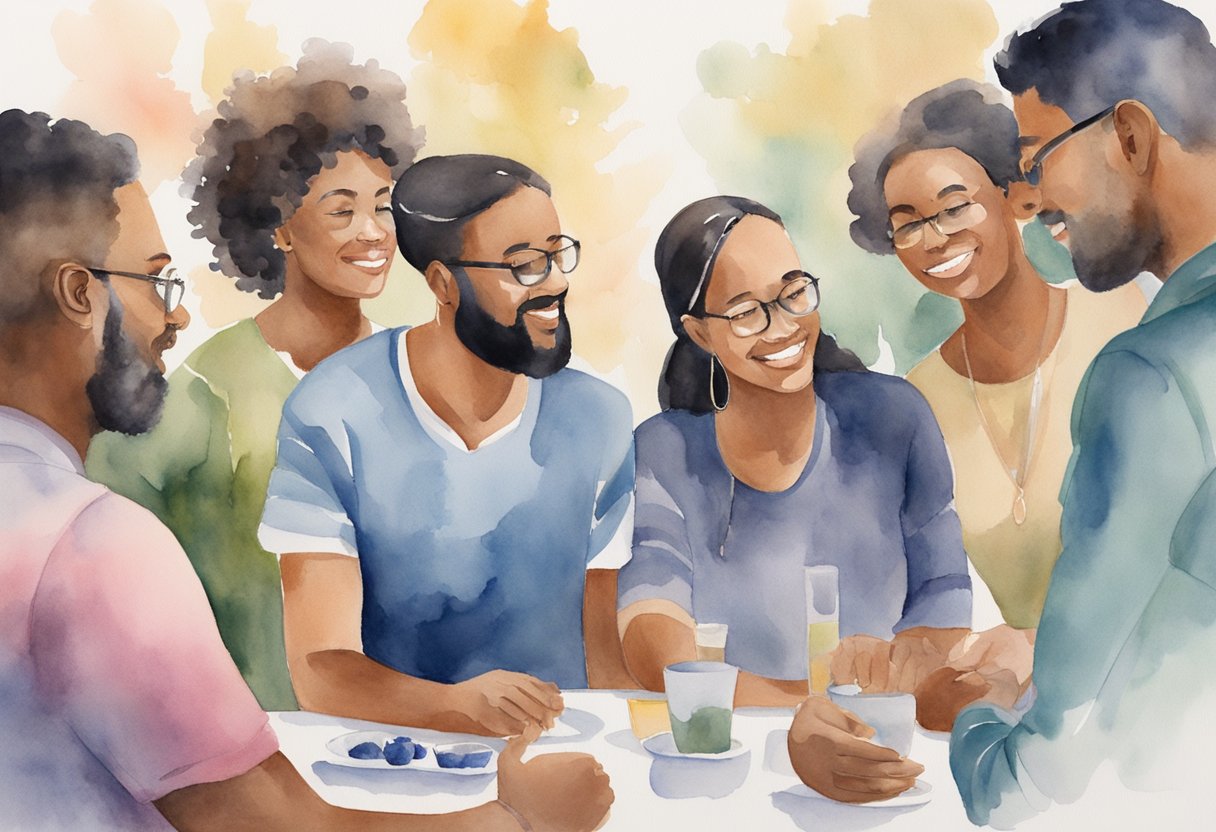
Social support is a crucial protective factor for individuals facing life’s adversities. It provides a foundation for emotional resilience, especially for those recovering from serious illnesses like cancer.
Forming Healthy Relationships
He finds solace in connections with family and friends. Such relationships offer a buffer against the psychological strain that often accompanies the post-treatment phase of cancer.
For men who have braved cancer, the road to recovery involves more than physical healing. They benefit profoundly from a network of peers who provide understanding and camaraderie, easing the sense of isolation and demoralization that can surface after enduring rigorous cancer treatments. Social support from peers acts as a catalyst for regaining a sense of control and normalcy in their lives.
Seeking Professional Help
He recognizes the value of consulting a mental health professional. A therapist can guide them through processing their experiences, fostering a constructive path forward. They provide emotional support and equip survivors with practical coping strategies tailored to their unique situations. Professional help is an asset, promoting psychological well-being and assisting individuals in navigating the complexities of their emotional landscape following a cancer journey.
Self-Expression and Coping

Coping through self-expression offers individuals, especially men recovering from illnesses like lymphoma, a way to process complex emotions and regain a sense of control.
Creative Outlets like Music and Dance
Music and dance are powerful coping strategies, providing both an emotional release and a physical engagement that can be especially beneficial for those seeking a sense of vitality post-treatment. For survivors, creating or engaging with music can provide a structured yet freeing experience that helps them navigate the demoralization that often follows cancer treatment.
As a form of expression, dance can be particularly therapeutic, allowing individuals to embody their emotions and channel them into movement. For men who have faced lymphoma, dance offers a space to rediscover strength and resilience, reconnecting with their bodies in a positive and affirming way.
Journaling and Humor
Journaling as a coping skill facilitates reflection and self-discovery. Survivors may find that writing about their journey helps in processing their experiences. It becomes a personal record, a testament to their challenges.
Incorporating humor into writing and daily life can act as a buffer against stress. For men who have battled lymphoma, humor provides a surprising strength, a way to face fears with a laugh and connect with others who understand their struggle. Laughing together breaks down barriers, creating a shared experience that fosters healing.
Avoiding Unhealthy Coping Mechanisms

In the journey toward recovery and maintaining mental health, identifying and steering clear of maladaptive strategies is crucial. These counterproductive methods often masquerade as immediate relief but exacerbate struggles in the long term.
Recognizing and Preventing Substance Abuse
Unhealthy coping can morph into substance abuse when individuals seek solace in alcohol or drugs. These substances may present a temporary escape, but they can derail recovery from any health challenge, including the aftermath of cancer. Men who have fought lymphoma might turn to such means to cope with feelings of demoralization post-treatment. Instead, they benefit from engaging in sports or physical activity, which improves physical health and contributes to emotional well-being.
- Action Steps:
- Educate: Learn about the link between substance use and mental health.
- Identify Triggers: Determine situations that prompt substance use.
- Seek Support: Connect with groups that offer comfort without judgment.
Impact of Avoidant Behaviors on Mental Health
Avoidant behaviors, such as overeating or self-harm, can manifest in anyone struggling to face their difficulties head-on. For a survivor of lymphoma, the denial or suppression of trauma might seem like a shield, but these are barricades to genuine healing. Participating in team sports provides a structure that promotes resilience and companionship, which can help men redirect their focus and rebuild a sense of control and accomplishment.
- Alternatives:
- Engagement: Involve oneself in community activities or sports clubs.
- Expression: Communicate feelings through writing or art.
- Professional Help: Psychologists or therapists can provide strategies to manage and understand emotions without resorting to harmful behaviors.
By replacing detrimental habits with constructive and supportive practices, individuals foster an environment conducive to sustainable recovery.
Final Thoughts…

Coping mechanisms serve as a beacon, guiding survivors through the aftermath of cancer treatment. Men who have braved the tempest of lymphoma, not once but twice, often confront a sense of demoralization post-recovery.
These warriors navigate a complex labyrinth of emotions, where victory in battle translates to a silent struggle for normalcy in the war’s wake.
Strategies for resilience take center stage in this journey. They build a scaffold of support, offering practical steps for reclaiming life’s rhythm. These gestures of self-compassion become lights in the dark, aiding men who seek to rekindle their sense of self and purpose.
- Routine Reestablishment: Structuring daily activities can foster a sense of control and predictability.
- Peer Connection: Engaging with fellow survivors can create a network of understanding and shared strength.
- Physical Rejuvenation: Regular exercise aligned with passions like basketball or swimming promotes mental and physical well-being.
These pathways pave the way for remembrance and growth, honoring the battle scars without allowing them to define one’s identity. They whisper of courage and the unwavering human spirit that shines through the deepest adversities. For the men who have worn the armor of a patient, hero, and survivor, life offers a fresh arena where each day is a testament to their relentless fortitude. -T
Frequently Asked Questions
This section addresses some pressing inquiries on coping mechanisms, providing specific and actionable insights.
What techniques can be employed for managing stress and anxiety effectively?
Techniques for managing stress and anxiety include progressive muscle relaxation, mindfulness, and engaging in physical exercise. These methods assist individuals in reducing tension and fostering a state of calmness.
Can you identify some examples of unhealthy coping strategies and why they are detrimental?
Examples of unhealthy coping strategies include substance abuse, binge eating, and social withdrawal. These tactics may offer temporary relief but exacerbate stress and hinder emotional well-being.
How do adaptive coping strategies benefit psychological well-being?
Adaptive coping strategies, like maintaining emotionally supportive relationships and problem-solving, aid in effectively navigating stressors, promoting resilience, and enhancing one’s overall psychological health.
Could you outline the main theories that explain how coping mechanisms work?
One key theory is the transactional model of stress and coping, which proposes that how individuals appraise stressors influences their coping responses and outcomes. Another is the conservation of resources theory, emphasizing the role of resource loss and gain in stress and coping.
What are considered to be the most effective active coping strategies?
Active coping strategies that are highly effective include seeking support, setting realistic goals, and time management. These proactive approaches empower individuals to confront challenges directly.
How can one distinguish between different types of coping strategies and their uses?
Coping strategies can be distinguished by their focus, with problem-focused coping aiming to change the stressor and emotion-focused coping aiming to manage emotional responses to stressors. Effective use depends on the context and nature of the stressor at hand.
