

Insights and Accountability in the Medical Industry
Incorporating trauma-informed practices and recognizing survivor experiences is gaining momentum in the medical industry.
Survivors of conditions like lymphoma are often met with challenges that extend beyond the physical symptoms of the disease.
It’s not just the relentless adversaries we face in cancer but also the navigation through a complex medical system that, at times, overlooks the psychological echoes of our battles.
We unite our voices, drawing from our shared trials, to illuminate the intricacies of psychological care. This care should harmonize with medical treatment, particularly for men who might grapple with unique societal pressures when confronting their vulnerabilities in healthcare settings.
We have become advocates for change within the healthcare system, stressing the need for it to be more responsive to mental health dimensions that arise from enduring illness.
We have seen first-hand how pandemics like COVID-19 exert additional strain on survivors, family members, and frontline healthcare workers.
By reflecting on our voyages through recovery, alongside informed research, we now champion public health policies and education that acknowledge and address the mental health implications of survivors.
Understanding these aspects is crucial in creating an adaptive, sensitive medical environment that is ultimately more conducive to healing.
Key Takeaways
- Survivor voices shape trauma-informed medical practices.
- Mental health care is integral to survivor recovery.
- Pandemics intensify the need for responsive health systems.
Understanding Survivor Experiences
Our collective journey as survivors casts light on the intertwining paths of emotional turmoil and strive for healing. Each voice contributes to a tapestry of deeply personal healthcare narratives.
Trauma and Psychological Distress
For us, overcoming the shadow of trauma often means battling persistent psychological distress.
Our stories aren’t just about survival; they’re tapestries woven from the threads of anxiety, depression, and PTSD that arise from grappling with life-threatening diseases like lymphoma.
We each carry these marks differently, yet our resilience shines through as we navigate our new realities.
Healthcare Encounters and Barriers
During our healthcare journeys, we face numerous barriers.
Some of us may recount the cold detachment of a consultation room or the emotional burden of receiving care from professionals who, though skilled, may lack the ability to connect on a human level.
These experiences can impede our willingness for positive disclosure, leaving us isolated.
Trauma-Informed Care Approaches
Shifting to trauma-informed care approaches makes a significant difference in our healing process.
Such care explicitly acknowledges our experiences with trauma and psychological distress. It encompasses principles like safety, choice, and collaboration, weaving these into the very fabric of care.
Institutions that prioritize and institutionalize survivor engagement validate our experiences and craft an environment where we can thrive, moving beyond mere survival.
The Role of Support Systems
Support systems play a critical role in the journey of healing and empowerment for survivors who have faced life-threatening illnesses. They provide a foundation for resilience and represent a beacon of hope amid the often harsh realities of navigating medical corruption.
Community and Advocacy
When I overcame lymphoma not once but twice, it was the tireless effort of community groups that provided a lifeline.
These organizations understand our struggle and offer aid where the healthcare system falls short.
We gather to share our stories and advocate for change, creating a network of knowledge and compassion.
This mutual aid and unified voice against medical corruption aids us in not only surviving but thriving against the odds.
For us, particularly men who often overlook their vulnerability to cancer, this community support is a testament to our collective strength.
In a study examining the provision of support services, community support was found to be multifaceted, ranging from shelter programs to counseling services, all aimed at addressing the needs of survivors (Understanding How Domestic Violence Support Services Promote Survivor …).
Social Support and Resilience
We understand that robust social support is a shield from the psychological ravages of our battles with illness.
Friends, family, and support groups become our bedrock, offering comfort and a listening ear when the healthcare system turns a cold shoulder.
As survivors, we witness how our spirits rebound faster, our resolve to fight strengthens, and we emerge more resilient in the face of seemingly insurmountable challenges due to this invaluable social network.
Research highlights that social support has numerous protective effects, significantly impacting the rate at which psychological trauma such as PTSD symptoms are reduced and the recurrence of these symptoms is lessened (The Role of Social Support in Coping with Psychological Trauma).
Mental Health Dimensions
In the medical industry, particularly among us survivors, mental health care deserves focused attention due to the intersection of physical illness and psychological distress.
Addressing Anxiety and Depression
Our journey through cancer recovery often intertwines with anxiety and depression.
These mental health challenges arise not only from our diagnosis but also from the stress of treatment, financial burdens, and the disruption of our everyday lives.
Our mental health care must involve strategies that reduce anxiety, such as mindfulness-based stress reduction, and treatments that target depression, bolstering our emotional resilience.
PTSD and Its Impact
Experiencing cancer twice, dealing with the rigors of treatment, and the threat of recurrence can induce PTSD symptoms.
We endure flashbacks and may struggle with severe anxiety, impacting our daily functions.
Effective mental health care for us includes recognizing these symptoms early and providing evidence-based PTSD interventions.
These strategies can mitigate stress and help us avoid adverse health outcomes, allowing us to reclaim a sense of normalcy.
Medical Industry’s Response to Pandemics
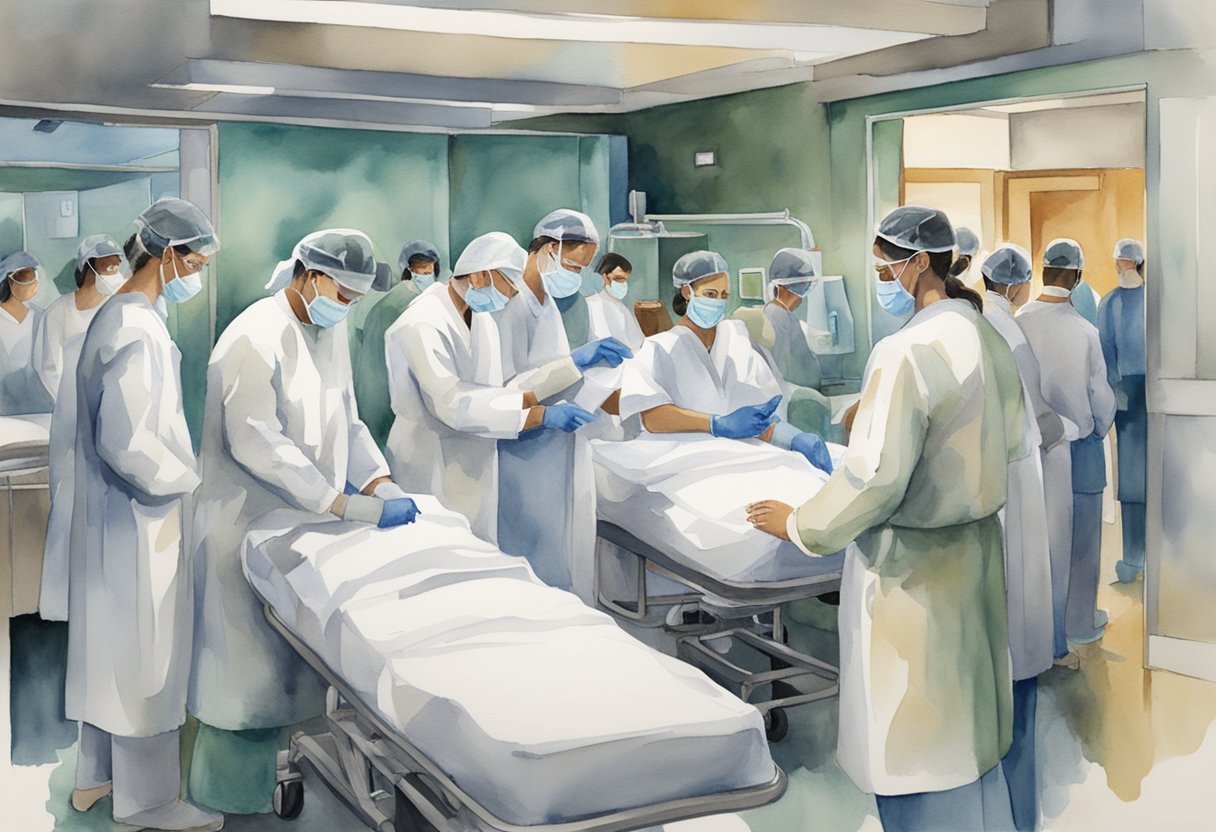
In our collective fight against pandemics, the medical industry has had to adapt rapidly, facing direct impacts on patients and unprecedented challenges for healthcare workers.
Covid-19 Impact on Patients
Our encounters with COVID-19 brought to light the immense burden those afflicted carry.
Due to the virus, we faced postponed medical procedures and a dramatic shift to digital consultations.
These changes, though necessary, often left us feeling isolated in our struggle against the virus.
Advances brought by the pandemic transformed how we received care, with accessibility sometimes compromised but innovation ignited.
- Accessibility: Healthcare options became limited for those who required non-urgent medical care during the height of COVID-19.
- Innovation: Telehealth services became our lifeline, allowing us to receive medical guidance from our homes.
Healthcare Workers’ Challenges
Our healthcare workers, the backbone of medical response, faced daunting pressures.
Psychological stress escalated as they worked tirelessly in under-equipped environments.
On the front lines, from Wuhan to the furthest corners of the globe, they demonstrated resilience amidst a climate of uncertainty.
The healthcare workers’ experience during the pandemic highlighted their critical role and the need to support their well-being.
- Resilience: Healthcare workers displayed extraordinary strength as they navigated the surge of COVID-19 cases.
- Stress: The toll on their mental health was immeasurable, with extended hours and the emotional weight of patient care.
Public Health Policies and Education
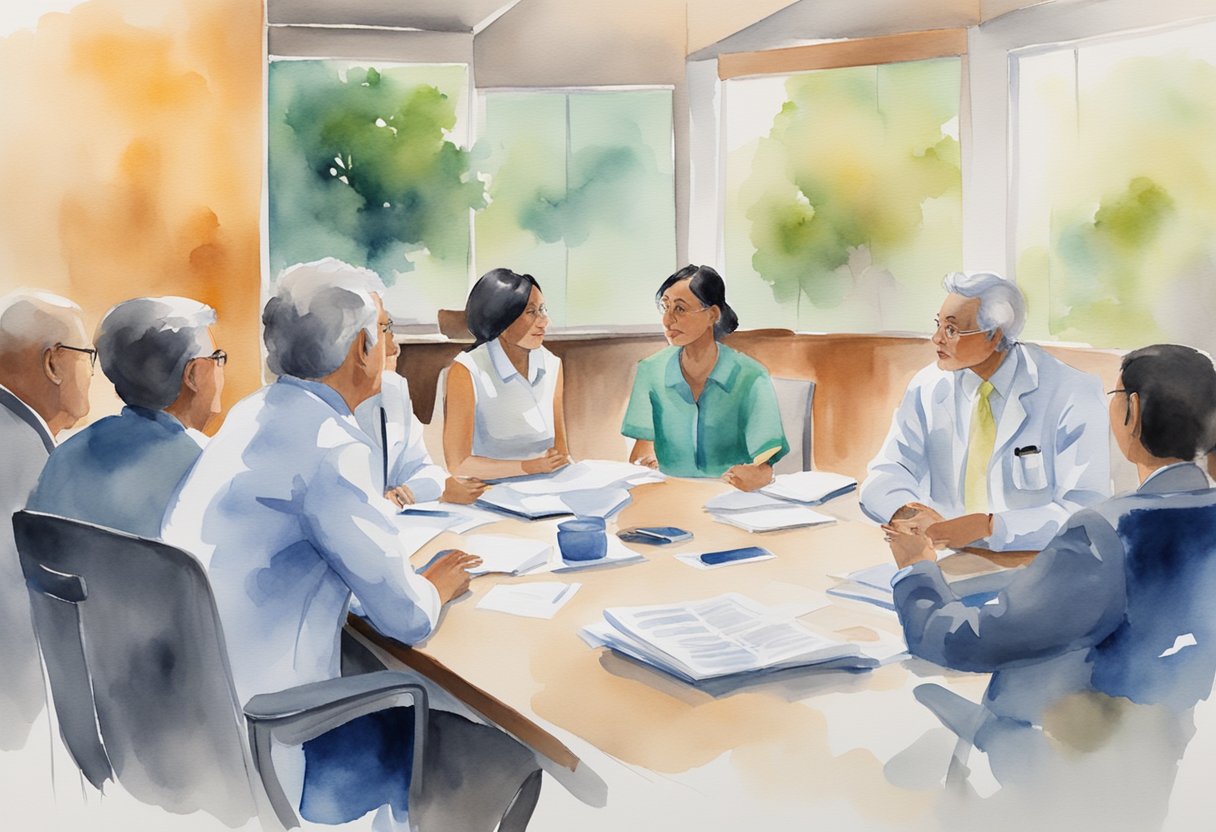
We recognize a pressing need for policies integrating survivor voices with robust educational strategies in addressing public health.
Importance of Systematic Reviews and Data
Our survival stories reveal a glaring oversight in the current health policy landscape.
With my experience overcoming lymphoma, I comprehend the gravity of utilizing systematic reviews to inform public health policy.
These reviews consolidate research and deliver vital data that translates into life-saving policies. They lay the foundation for defining best practices and forging recommendations.
Colleagues across our survivor network agree we must prioritize analyzing systematic reviews within the Department of State to amplify our quality of life.
Advancements in Training and Knowledge Sharing
Knowledge sharing dramatically enhances the capabilities of medical professionals.
By developing comprehensive training that stems from survivors’ insights, those in the trenches of medical care can significantly uplift men facing cancer.
We’ve witnessed transformative strategies emerge when training reflects real-world challenges.
This justifies the reinforcement of educational modules to ensure they meet stringent criteria.
Our joint initiatives champion a higher standard of care and help chart a course toward resilience and recovery for every patient.
Survivor Interactions in Medical Settings
In medical environments, survivors of lymphoma cancer, like us, navigate complex relationships with health professionals that significantly impact our overall care and recovery journey.
Professional Empathy and Behaviour
As survivors, we often share distressing stories about the lack of understanding we face from some medical staff. A nurse’s gentle hand or a doctor’s attentive listening can make a profound difference during treatment. However, when empathy is absent, we feel like mere subjects, not partners, in our care.
We recall occasions where our concerns were dismissed or our symptoms minimized, making us feel invisible when our voices needed to be at the forefront. This type of behavior in medical settings can leave us feeling isolated and less willing to seek help, undermining trust in the very individuals meant to guide us through recovery.
Patient Consent and Advocacy
For us, patient consent is not just a formality; it’s a measure of respect for our autonomy. The medical setting becomes a stage where we must assert our right to understand and agree to every procedure. Too often, we’ve encountered doctors who seem more focused on treatment protocols than on our comfort and understanding. Advocacy is central to our experience; we rely on medical professionals who champion our preferences and fight for our best interests.
Nurses who serve as our advocates, ensuring our needs are communicated and met, become our allies. When consent is fully informed, and advocacy is genuine, it shifts the balance of power, allowing us to partake in our care with dignity and surety.
Specific Challenges for Vulnerable Groups
In addressing the healthcare hurdles vulnerable groups face, we must acknowledge the unique barriers that affect their access to services and their journey to recovery.
Women, Children, and Trafficked Persons
We find that women and children, particularly those who have been trafficked, face distinct challenges in the medical landscape. These individuals are often subjected to sexual assault and physical abuse, which not only leads to immediate health concerns but also to long-term psychological trauma.
Accessibility to comprehensive health care for victims of human trafficking is critical, yet frequently compromised by their hidden or transient lifestyles. Seeking help implies a risk of exposure and retaliation from their traffickers, which complicates the delivery of essential medical and psychological support.
- Access to Services:
- Fear of law enforcement or deportation
- Lack of transportation or financial resources
- Health Concerns:
- Trauma from sexual assault
- High risk of STDs and reproductive health issues
Substance Abuse and Seeking Care
For our peers battling substance abuse, the journey to seeking health care services is fraught with obstacles. Whether it’s alcohol, drugs, or addiction-relapse cycles, these challenges create a substantial barrier to consistent medical treatment and support systems. The stigma associated with substance abuse can deter us from seeking help, while the fear of judgment from healthcare providers often leads to a feeling of isolation in our struggles.
- Stigma:
- Judgment from society and medical professionals
- Self-stigmatization that prevents seeking help
- Addiction Cycle:
- High relapse rates
- Challenges in accessing substance abuse programs
Final Thoughts…
Surviving lymphoma twice was not just a trial of the body but also a test of the spirit. Each encounter teaches us the value of sharing stories and the power to uplift others traversing a similar path. Together, we navigate perplexing healthcare systems that sometimes seem skewed by underlying disparities. We find solace in our collective voice, acknowledging our vulnerabilities as we work toward more transparent care.
In our journey, we meet fellow men, warriors in their own right, each battling cancer with relentless courage. Their tales echo struggles against a machine prioritizing profit over patients, underscoring the need for systemic change. We rally around each other, embracing our role as survivors and champions for equity.
Engagement in sport has emerged as a pivotal ally in our recovery process, imbuing us with a sense of community and purpose. We rediscover our resilience and reshape our identities beyond illness through physical activity. By translating our journeys into advocacy, we strive for a future where equitable access to top-tier cancer care is a universal right.
We hold onto hope, drawing from a resilience that defines our spirit as thrivers. Our precise aim is to support each other and inspire those newly diagnosed. Our narrative is one of triumph, of lives rich with challenge but abundant in camaraderie and compassion. Together, we move forward, honoring our journey and the bonds that fortify us. -T
Frequently Asked Questions
As survivors who have faced the adversity of lymphoma cancer, we understand the nuances of integrating our experiences into medical care and the value of specialized support.
How can medical professionals integrate the voices of affected survivors into care practices?
We ensure that care practices include our narratives, illuminating our unique challenges. Our voices guide clinicians to tailor their approaches, ensuring they resonate with us as individuals, especially men navigating the aftermath of cancer.
What support systems are adequate for domestic violence survivors within the medical community?
Effective support systems for domestic violence survivors in the medical realm provide immediate, confidential assistance. These encompass safety planning, psychological support, and medical care attuned to the trauma we carry.
What are the benefits of online support groups for survivors of abuse?
Online support groups offer us a platform to share our stories and connect with peers who empathize with our journey. They provide a haven where we foster resilience and find solace in community strength.
In what ways can trauma-informed care principles be applied to improve patient experiences?
We advocate for trauma-informed principles in patient care, which affirm our safety, offer us a voice in decision-making, and respect our history, thus paving the way for holistic healing in our encounters with healthcare providers.
What is the role of peer support in the recovery process for victims of abuse?
Peer support is pivotal as it comes from individuals who resonate with our struggles. It bridges the gap between clinical care and emotional understanding, anchoring our recovery journey.
How does the medical industry ensure a safe and supportive environment for abuse survivors?
Discreet and compassionate care environments uphold our safety and support within the medical industry.
This includes training staff in sensitivity. It also involves creating clear reporting protocols and fostering an atmosphere of trust.
