

Strategies for Wellness
Balancing solitude and connection while battling cancer is challenging, especially for men who often feel the need to be warriors through it all. As male cancer warriors, finding the right mix of alone time for reflection and social interaction is crucial. We need solitude to process our journey and heal, but also a connection to gain support from loved ones.

During my battle with lymphoma, solitude allowed me to gather my thoughts and build resilience. Yet, the moments of connection with family, friends, and fellow survivors uplifted my spirit. These social interactions provided the energy I needed to push through tough times.
Finding balance between these two elements empowered us to fight cancer more effectively.
Solitude involves being alone and using that time for self-care, reading, or simply resting. Connection means reaching out, sharing stories, and sometimes just being in the company of others. Combining these approaches helps us navigate the roller coaster of a cancer diagnosis and treatment.
Let us embrace both solitude and connection to fortify our journey.
Key Takeaways
- Balance solitude and connection for mental and emotional strength.
- Utilize alone time for self-care and reflection.
- Embrace social support to uplift and energize.
Understanding the Male Cancer Experience
Balancing solitude with connection is vital for male cancer warriors. Our journey involves managing emotional responses, relying on support networks, and navigating survivorship.
Emotional Responses to Diagnosis
Receiving a cancer diagnosis triggers a whirlwind of emotions. We may feel fear, stress, anxiety, and hope simultaneously. It’s common for us to put on a tough exterior and hide our vulnerability. Yet, acknowledging these feelings is key to building resilience.
Many of us struggle with expressing emotions, often opting to keep our struggles private. This can lead to feelings of isolation. Recognizing and validating our emotions can help us cope better.
We should seek therapy or counseling to manage emotional upheaval. Understanding that it’s okay to feel overwhelmed is essential. We’re not alone; many of us have similar emotional struggles.
The Role of Support Networks
Support networks are crucial during our cancer journey. While we might prefer handling things independently, connecting with others can provide immense relief.
Friends, family, and fellow cancer survivors offer different levels of support. They help us feel less alone and provide practical assistance.
Many men are underrepresented in online and offline cancer support groups. We often focus on information rather than emotional support, missing out on critical benefits.
Joining a support group, in-person or online, can bridge this gap and help us express our fears and hopes freely.
Knowing we have a strong support network can be a source of strength and comfort during tough times.
Navigating Survivorship
Survivorship brings its own set of challenges. As we transition out of active treatment, we face the fear of recurrence and the stress of follow-up appointments.
Staying connected with our support network helps us navigate these uncertainties. We must find a balance between living and monitoring our health.
This period is also a time for reflection and setting new life goals. Embracing a healthy lifestyle, including regular exercise and a balanced diet, can improve our overall well-being.
Our experience makes us stronger, but it’s important to be gentle with ourselves. We’ve been through a lot, and navigating this new phase includes celebrating our resilience and strength.
Effective Communication and Emotional Support
Balancing solitude and connection is crucial for male cancer warriors. Building trust and expressing gratitude can nurture emotional support and strengthen our emotional connections.
Building Trust and Vulnerability
Trust is the foundation of emotional support. We have to be honest about our feelings and allow ourselves to be vulnerable.
When we open up about our fears and experiences, it helps others understand and support us better.
Listening is vital in building trust. Active listening means hearing what the other person is saying without interrupting them.
This can be incredibly healing, creating a safe space for sharing emotions.
Language is powerful in building trust. Using calm, positive words helps reinforce that we are there for one another.
We should also acknowledge each other’s efforts and resilience. This creates a bond essential for supporting each other through tough times.
Expressing and Receiving Gratitude
Gratitude can transform our relationships and emotional well-being.
Expressing appreciation for the support we receive can make others feel valued and strengthen our bonds.
It’s also beneficial to actively receive gratitude.
It is vital to accept thanks graciously without downplaying our efforts. This shows we value the emotional connection and are open to mutual support.
Simple gestures such as saying “thank you” or writing a note can go a long way. These acts of kindness build an emotional foundation, making us feel less isolated and more connected.
A healthy balance of alone time and social interactions nurtures our need for reflection and companionship.
The Balance Between Solitude and Connection

As men living with cancer, we must find a healthy balance between solitude for self-reflection and social interaction for support. Both aspects are key to our emotional and mental well-being.
Respecting the Need for Space
Solitude allows us to process our thoughts and emotions. We can reflect on our journey, meditate, and find peace. This space is crucial for mental health and can help manage the stress of living with cancer.
Nature often provides the perfect environment for solitude. Walking in a park, sitting by a lake, or hiking in the woods can offer calm and tranquility.
These moments help us to connect with ourselves and recharge emotionally, away from the hustle and bustle of daily life.
Creating Meaningful Connections
Equally vital is maintaining connections with family, friends, and support groups.
Emotional intimacy with loved ones gives us the strength to face each day. Sharing our experiences can provide comfort and reduce feelings of isolation.
Joining a cancer support group can be particularly beneficial.
These groups offer a sense of shared experience and understanding. Online communities also provide a platform to connect with others going through similar experiences, offering support and advice.
Finding a balance between being alone and being with others helps us to heal and feel supported.
Physical Health and Lifestyle Adjustments

Balancing our physical health and lifestyle can significantly impact our journey through and beyond cancer. Adopting healthy habits and managing stress through activities can improve our quality of life.
Embracing Healthy Habits
Maintaining physical health involves nurturing our bodies with the right choices.
A balanced diet is crucial. We should aim to consume various fruits, vegetables, and lean proteins. Avoiding excessive alcohol and processed foods is also essential.
Physical activity is another core component.
Incorporating regular exercise can help improve energy levels, mood, and overall health.
Whether it’s a daily walk, swimming, or lightweight training, exercise aids in reducing fatigue and maintaining a healthy weight.
Research suggests that certain dietary habits can affect our health.
For instance, high milk and dairy consumption may increase the risk of prostate cancer mortality. Moderation is vital in consuming these products.
Managing Stress Through Activities
Coping with cancer and its treatments can be incredibly stressful.
Finding activities that reduce stress is essential for our well-being.
Physical activities like yoga and tai chi offer a gentle way to improve flexibility and manage stress.
Yoga enhances physical health and helps with mental relaxation. Simple breathing exercises and meditation can calm the mind and reduce anxiety.
Additionally, we should pace ourselves. Pushing too hard can lead to burnout, so listening to our bodies is vital.
Engaging in hobbies and connecting with loved ones also plays a significant role.
Whether reading, gardening, or spending time with family, these activities provide a sense of normalcy and joy, contributing to our overall quality of life.
The Psychological Impact of Cancer
Living with cancer brings emotional challenges, depression, and anxiety, impacting our mental health. It is essential to cope effectively and find balance in life.
Coping with Emotional Challenges
Facing a cancer diagnosis overwhelms many of us with emotions. The fear of the unknown, mourning life as it once was, and coping with treatments can be daunting. We can feel isolated, even when surrounded by loved ones.
We must recognize these feelings and find ways to manage them.
Talking to someone in the cancer community is helpful. Support groups or one-on-one counseling give us a space to share and listen.
Structured activities, like sports, provide mental and physical relief. Hobbies keep our minds occupied and give us a sense of purpose.
Setting small, achievable goals helps maintain focus and control. Whether it’s a daily walk or a creative project, these fulfill us.
Mindfulness exercises, including meditation and breathing techniques, ease our stress.
Battling Depression and Anxiety
Depression and anxiety are common among cancer patients. Almost one in five of us may face significant depression or severe anxiety. Understanding this helps us tackle these feelings head-on.
We need to be proactive in seeking treatment. Therapy, either cognitive-behavioral or talk therapy, is beneficial.
Medication may be recommended to help manage symptoms. No one should feel ashamed to ask for medical support.
Physical activity is crucial. Exercise like walking, swimming, or light gym workouts boosts our mood. A regular sleep routine is also vital. Better sleep leads to better mental health.
Building a solid support network strengthens our mental resilience. Family, friends, and fellow survivors offer comfort.
Sharing experiences with those who understand creates a powerful connection. We do not have to face these struggles alone.
Cultivating Emotional Resilience and Hope

Balancing solitude with connection is critical for male cancer warriors. Embracing both can empower us with the emotional resilience and hope to navigate our journey.
Harnessing Inner Strength
Tapping into inner strength becomes a lifeline during tough times. Emotional resilience is the ability to bounce back from hardships. This strength isn’t built overnight; it’s a process requiring patience.
Routine self-reflection helps us understand our emotions and builds resilience.
Mindfulness practices like meditation or deep breathing help calm our minds. Staying active also plays a role. Physical exercise can release endorphins, improving our mood.
Connecting with support groups or close friends provides an emotional outlet. Sharing experiences allows us to gain new perspectives.
Through these interactions, we find the courage to keep moving forward.
The Importance of Humor and Gratitude
Humor lightens our load, helping us cope with stress. Finding something to laugh about, even during difficult times, brings relief.
Watching a funny movie or telling jokes with friends can lift our spirits.
Gratitude shifts our focus to the positive aspects of life. Keeping a gratitude journal reminds us of the good things we still have, and each entry reinforces a hopeful outlook.
Expressing gratitude to those who support us strengthens our connections. It fosters a sense of community and reminds us we’re not alone.
This mutual appreciation reinforces our resilience and hope.
Role of Caregivers and Healthcare Professionals
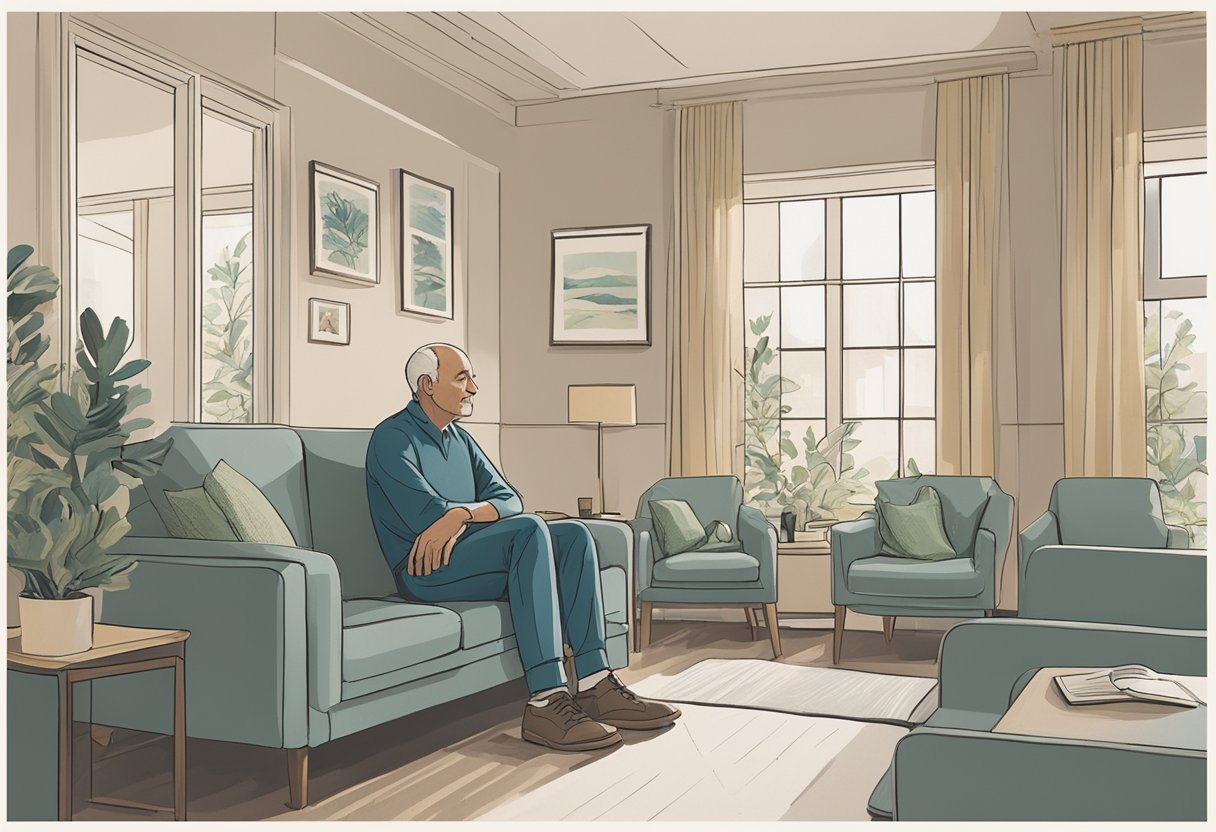
It is finding the right balance between alone time for reflection and social interaction for support. This involves both caregivers and healthcare professionals and significantly impacts a male cancer warrior’s journey.
Providing Compassionate Care
Family caregivers provide emotional and physical support. They gather all necessary information about symptoms and medications, ensuring the patient’s needs are the top priority.
Caregivers become the link between the patient and the healthcare team.
Caregivers face challenges in managing their well-being while providing attentive care. Their dedication forms a crucial component of a patient’s support system.
Studies show compassionate care enhances the overall treatment experience, reinforcing the bond between patient and caregiver. This supportive relationship becomes essential for emotional and physical healing.
Understanding the Cancer Patient’s Needs
Healthcare professionals play an integral role by addressing care’s clinical and emotional facets. They ask caregivers about patient symptoms, cognitive function, and medication effectiveness (NCBI).
Emotional support from healthcare providers fosters a sense of security and well-being.
This includes understanding patient needs, valuing what patients care about, and showing altruism.
When physicians and nurses listen and connect, patients feel more at ease.
Clinicians and caregivers work together to build a thorough, patient-centered approach that supports healing and recovery.
The Debate

Balancing the need for solitude with the need for social connection is challenging, especially for men facing cancer. Some believe that solitude provides space for reflection and healing.
Benefits of Solitude:
- Time to process emotions
- Opportunity for self-care
- Space to reconnect with oneself
Others argue that social interaction is vital for support and companionship. Regular interaction can boost morale.
Advantages of Social Interaction:
- Emotional support from loved ones
- Sense of community
- Distraction from ongoing treatment
I’ve faced lymphoma cancer twice. In my experience, the right mix of solitude and social engagement differs for each person.
Some people find peace in solitude, while others feel uplifted by spending time with friends or family.
Finding a balance is key. Too much solitude might lead to feelings of isolation, while too much social interaction can be overwhelming. It’s about understanding personal needs and boundaries.
We must listen to our bodies and emotions. This allows us to find what’s healthiest for us.
It’s about achieving harmony. Each day might bring a different need, and that’s okay. By acknowledging this, we can navigate our journey more easily and gracefully.
Final Thoughts
Navigating life post-cancer can be challenging. As we reflect on our journey, finding the right balance between solitude and connection is crucial.
Solitude allows us to heal and reflect. It gives us space to process emotions and rebuild our strength. Too much isolation can be harmful, but quiet moments can be powerful.
Connection offers strength and support. Being with family and friends lifts our spirits and provides a sense of belonging. We all need someone to lean on.
Here’s how we can balance solitude and connection:
| Aspect | Benefits |
|---|---|
| Solitude | Reflection and personal growth |
| Connection | Support and companionship |
Tips for balance:
- Schedule alone time for reflection. Short walks or meditation help.
- Engage with loved ones regularly. A simple chat can boost our mood.
- Join support groups. Sharing experiences with others who understand can be comforting.
-T
Frequently Asked Questions
In this section, we address common questions about balancing solitude and social connections for men facing cancer. Learn how to manage emotions, maintain relationships, and support male cancer fighters effectively.
How can male cancer patients balance their need for solitude with maintaining connections?
Balancing alone time and social interaction means finding self-reflection moments while engaging with loved ones.
We can spend quiet afternoons alone and save evenings for conversations with friends. This mix helps us process emotions and feel supported.
What are some effective strategies to manage emotions for men fighting cancer?
We can practice mindfulness, engage in physical activities, and seek counseling to manage emotions.
Keeping a journal can help track our feelings and progress. Sharing our experiences with fellow cancer fighters also brings comfort and understanding.
In what ways can a male cancer warrior maintain relationships during treatment?
We can maintain relationships by setting boundaries that respect our need for rest and company.
Regular check-ins, even virtual ones, keep us connected. Letting others know when we need help strengthens bonds and opens avenues for support.
What are the most meaningful forms of support for men battling cancer?
Encouraging words, practical help, and quality time together are valuable. Support groups offer solidarity and understanding.
Personalized care packages or thoughtful gestures show we are loved and not alone in our journey.
How does a cancer diagnosis affect a man’s perspective on personal relationships?
A cancer diagnosis often shifts our focus to valuing deeper, more meaningful connections. Our outlook on life and relationships might evolve, leading us to cherish moments with family and friends more profoundly.
What are the communication tips for spouses of male cancer fighters?
Clear, empathetic communication is crucial. Listening without judgment and asking how we feel helps.
Offering support without being overbearing ensures we feel understood and respected, reinforcing the partnership during tough times.
