

Empowering Strategies for Cancer Thrivers

Creative expression has shown significant benefits in the healing journey for individuals who have faced cancer. Embracing art, music, writing, and physical activity not only fosters a sense of well-being but also offers cancer thrivers a vehicle for emotional release and a means to regain control over their lives after a tumultuous journey with the disease.
Recognizing the transformative power of such activities, many tap into their creativity to find solace, build resilience, and redefine their experiences with cancer on their own terms.
Cancer often catalyzes profound change, instilling a sense of urgency to live with purpose and joy. For men who have braved the path of cancer not once but perhaps multiple times, channels of creative expression can be particularly healing. Engaging in therapeutic practices like art therapy, journaling, or music can alleviate stress and promote a holistic recovery and health maintenance approach. These modalities complement medical treatment by enhancing the quality of life and enabling cancer thrivers to narrate their tales of hope and survival through mediums that resonate with their spirit.
Key Takeaways
- Creative outlets provide emotional release and contribute to the well-being of cancer thrivers.
- Expressive activities complement traditional treatment, enhancing the quality of life during and after cancer.
- Holistic recovery approaches embrace art, writing, and physical activity to foster resilience and hope.
Understanding Cancer and the Thriver Mindset
Embarking on the cancer journey often leads to a profound transformation, crafting a thriver out of a survivor, where each experience paves the way for a life of greater resonance and purpose.
The Cancer Journey
Surviving cancer initiates a formidable quest, one that resonates with resilience and demands a well of fortitude. Men who face this battle harness courage at every turn, from the shock of a cancer diagnosis to the demands of intense cancer treatment. They often discover reservoirs of strength they never knew they had, surging forward through the challenges that cancer invariably brings.
For survivors, embracing creativity can offer a powerful avenue for self-expression, allowing emotions and thoughts entangled with their health struggles to flow through art, writing, music, or even sports. This engagement with creative activities is a cathartic release, promoting psychological well-being amidst medical appointments and recovery periods.
Life After a Cancer Diagnosis
Post-diagnosis life demands a new normal for survivors, with each day offering a chance to redefine their existence beyond the illness. The supportive bonds formed with fellow survivors become instrumental in navigating this landscape. They sit side by side in support groups, not just sharing experiences but also fostering a team spirit found on the playing fields, showing each other how to pick the pieces and construct a vibrant, new way of being.
Thriver mindsets shape as survivors lace up their running shoes or grip their rackets, not merely participating but setting new personal records, elevating their spirits, and finding camaraderie. Such activities not only rebuild their physical strength but also resonate a powerful message—cancer’s chapter in their lives serves as a spur towards greater triumphs in arenas they never anticipated stepping into.
Art Therapy and Healing
Serving as a bridge between the inner world of individuals battling cancer and the physical challenges they face, art therapy plays a crucial role. It not only fosters self-expression but also contributes to measurable health outcomes.
Benefits of Creating Art
Healing Through Expression: Art offers a powerful means for cancer survivors to process their experiences. Painting and other forms of creating art allow for a non-verbal release of emotions. Studies indicate that engaging in creative expression can lead to decreased symptoms of depression and anxiety among cancer patients. Furthermore, art therapy sessions provide a sanctuary where men dealing with cancer can externalize their feelings, which might be challenging to articulate otherwise.
- Improvement of Physical Symptoms: Not only does art therapy provide psychological relief, but it also has the potential to alleviate physical pain. Engaging in art activities may result in lowered perceptions of pain and discomfort, a benefit observed in clinical settings.
Finding Your Artistic Outlet
Exploration and Expression: Each individual can find solace in different artistic activities; one person might prefer sketching, while another finds comfort in molding clay. The choice of medium is entirely personal and should resonate with the individual’s interests and comfort level. There are workshops and programs tailored specifically for men with cancer, where they can explore a variety of artistic expressions in a supportive environment.
- Accessible Artistic Endeavors: The beauty of art therapy lies in its accessibility. It requires no prior artistic skills but emphasizes the creation process over the final product. This ensures an inclusive experience that supports healing and personal growth. Patients are encouraged to engage with art in their recovery and rehabilitation, integrating this practice into daily routines to maximize the therapeutic benefits.
Art therapy and its health benefits have emerged as a valuable component of comprehensive cancer care, paving a path toward emotional healing and physical relief for many survivors.
Writing as a Form of Emotional Release
Engaging in creative writing can be a powerful means to release emotions and foster healing, particularly for those navigating the aftermath of cancer. This form of self-expression allows individuals to reflect on their experiences and share their stories with others, creating a sense of community and understanding.
Creative Writing for Reflection
Creative writing offers survivors a solitary space to confront and articulate their feelings, often leading to profound personal insight. He may pen a poem or compose entries in a journal, navigating the ebb and flow of his emotions through the written word. This reflective practice aids in piecing together the scattered fragments of his experience, crafting a narrative that resonates with personal truths and facilitating a deeper understanding of his cancer journey.
Storytelling and Sharing Your Journey
For a survivor, sharing his narrative through storytelling transforms personal battles into communal beacons of hope. He communicates his trials and triumphs through a heartfelt blog post or a meticulously crafted book, reaching out to other men who might feel isolated in their struggles. This shared experience strengthens the writer and carves a path for fellow survivors, offering them a compass to navigate their healing process.
Incorporating Music and Dance for Stress Relief

Creative expressions such as music and dance offer powerful outlets for stress relief, providing those on a healing journey from cancer with emotional release and moments of pure happiness.
Musical Expression
Music is a therapeutic tool, allowing individuals to channel stress into a harmonious experience. Studies show that music therapy can significantly impact stress-related arousal and psychological stress-related experiences in healthcare settings, offering a soothing backdrop for patients and survivors to express feelings non-verbally. For men facing cancer, music may offer an accessible path to restore emotional balance and cultivate peace during their recovery process.
The Healing Power of Movement
Dance, an active form of artistic expression, invites cancer survivors to reconnect with their bodies and encourages them to regain strength through physical activity. The rhythmic movements inherent in dance foster physical resilience and contribute to emotional well-being. Engaging in dance allows for a joyful celebration of life, often leading to improved mood and a sense of community among participants as they move together in the spirit of recovery.
Physical Exercise and Maintaining Health Post-Cancer
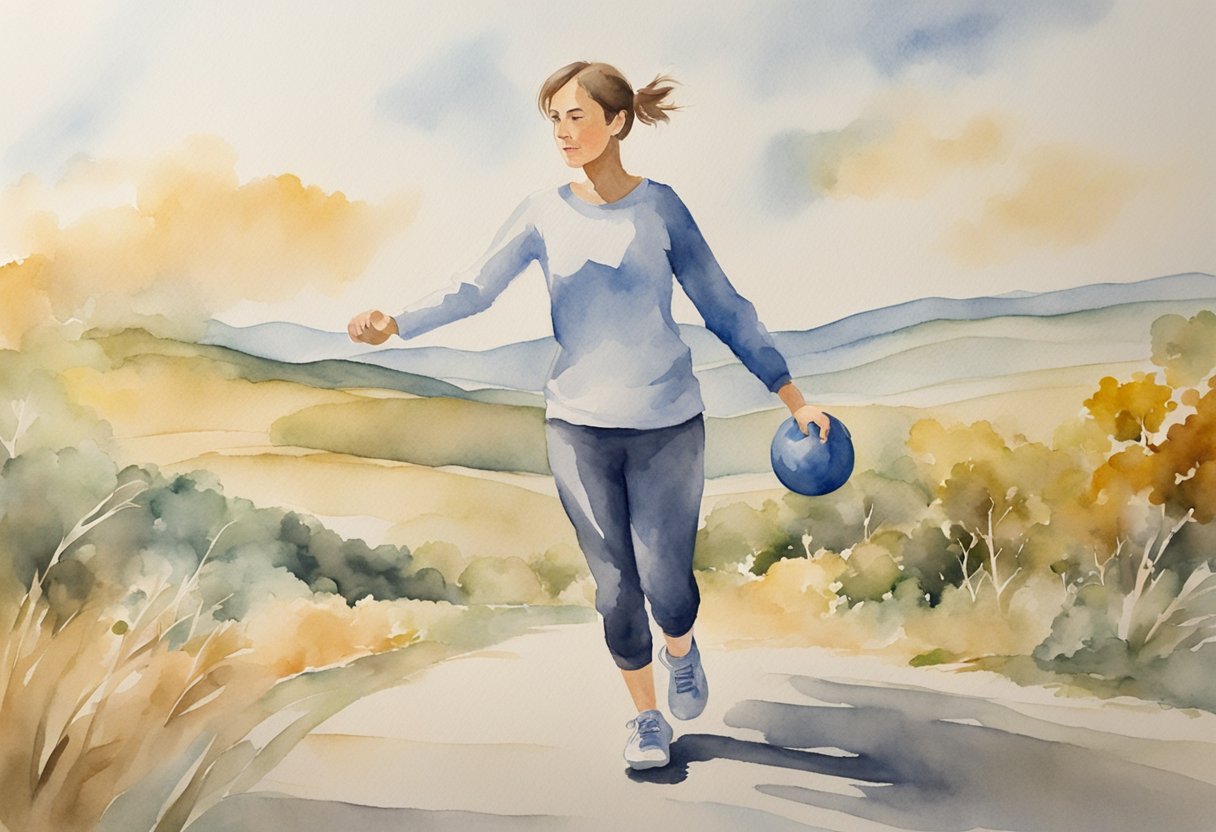
After overcoming cancer, survivors often seek ways to enhance their well-being and manage their health. Physical exercise emerges as a key avenue for sustaining health and preventing recurrence.
The Importance of Physical Activity
Physical exercise serves as a cornerstone of post-cancer care. Researchers widely acknowledge that regular activity can diminish the severity of treatment side effects and cut the risk of cancer recurrence. For example, one review underscores that exercise promotes aerobic fitness and betters mental health in those recovering from cancer. Survivors find that exercise fortifies their bodies against future health challenges and instills renewed vitality.
- Decreases side effects of treatment
- Reduces fatigue
- Improves mental health
- Enhances quality of life
- Lowers risk of cancer returning
For individuals post-cancer, each movement marks a stride toward long-term health benefits. From brisk walks to structured workouts, various forms of physical activity can be tailored to fit survivors’ unique needs and preferences.
Dealing with Lymphedema through Exercise
Lymphedema, a common concern for those with lymph nodes removed or damaged during treatment, can be addressed through careful, consistent exercise. While lymphedema presents a distinct challenge, targeted exercises can improve lymph flow and reduce swelling. Rehabilitation programs, such as those developed for patients who have survived lymphoma, often include resistance training and gentle stretching to aid in lymph circulation. Specific exercises might include:
Aerobic Exercise:
- Swimming
- Walking
Resistance Training:
- Light weightlifting
- Resistance band exercises
Stretching:
- Yoga
- Pilates
Each regimen is tailored to the survivor’s current health status and is carried out under medical supervision to ensure safety and effectiveness. Survivors find solidarity in shared experiences and support, propelling each other forward on their journey to sustained health.
Building Support Systems and Professional Care
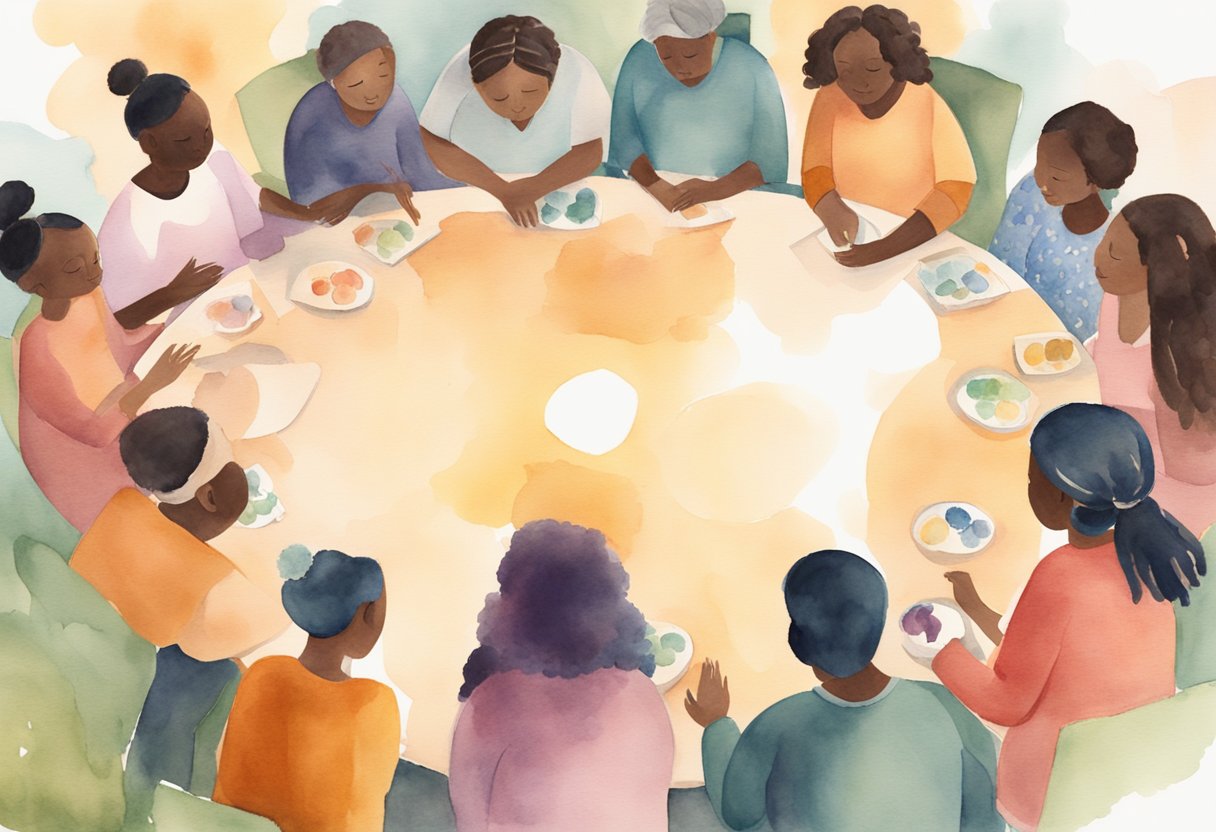
Navigating the journey after cancer requires a robust support system and professional care to bolster healing and recovery. For men who have faced lymphoma, these pillars provide strength and a path forward in their post-cancer life.
Finding Community Support
Community support is a lifeline for survivors, offering a sense of belonging and shared experience. Local hospitals often have cancer programs, including free classes and gatherings, helping men connect and share their stories. This camaraderie in a community setting can foster healing, where survivors find love and genuine support through shared struggles and triumphs.
- Local Offerings: Look for cancer survivor groups at local hospitals or community centers.
- Classes and Workshops: Engage in activities focused on various creative expressions, from writing to art-making.
- Connection: Share experiences with others who have walked similar paths, building bonds beyond the clinical aspect of recovery.
The Role of Counselors and Therapists
Professional guidance is crucial; therapists and counselors trained in cancer care can equip men with strategies to cope with the mental and emotional impacts of their cancer experience. Many cancer programs offer access to professionals who specialize in oncology support. These facilitators can help survivors articulate feelings creatively, promoting a constructive way to process their journey.
- Individual Therapy: One-on-one sessions with counselors help tailor coping mechanisms to each survivor’s needs.
- Group Therapy: Collective therapy settings provide a platform for expressing emotions while hearing others’ stories.
- Art and Expression: Programs may encourage activities such as sculpture or painting as therapeutic outlets for conveying complex emotions.
Survivors find that through these structured support systems, they can face their new chapter with resilience and clarity.
Strategies for Boosting Self-Esteem and Combatting Depression

A cancer diagnosis can profoundly impact self-esteem and mental well-being. The following strategies offer a pathway to enhance self-regard and mitigate depressive thoughts for those who have faced the trials of cancer.
Promoting Positivity and Hope
Remaining optimistic post-cancer requires concerted effort. They can adopt a routine incorporating expressions of gratitude, which refocuses attention on life’s gifts rather than its struggles. For many, maintaining a spiritual connection enriches their resilience, offering solace and a broader perspective during distress.
- Daily affirmations: Recite statements that reaffirm personal value and strength.
- Connect with nature: Find tranquility and a sense of renewal in the natural world.
- Spiritual practices: Whether it’s meditation, prayer, or reflection, spiritual activities can foster a deepened sense of peace and hope.
Setting and Achieving Personal Goals
Defining clear, achievable aims can dramatically improve a person’s sense of agency and accomplishment. Goals need not be grand; even small victories can accumulate into significant strides in restoring self-confidence. Engaging in sports or setting fitness-related objectives can revitalize the body and empower the mind.
- S.M.A.R.T. goals: Set Specific, Measurable, Attainable, Relevant, and Time-bound targets.
- Celebrate wins: Acknowledge every goal met, no matter how minor it may seem.
- Physical activity: Choose a sport that matches one’s interests and capabilities, and use the discipline of training to rebuild self-worth and drive out depression.
Through these approaches, individuals may rekindle their self-esteem and challenge the shadows cast by depression with a steady flame of hope and positive action.
Final Thoughts…

Cancer journeys are unique, and each person navigates the rough waters in their way. For men facing the challenges of cancer, embracing creative expression offers a beacon of light amid the storm. Art, music, and writing act as vessels, carrying individuals through waves of emotions toward shores of tranquility and strength.
Creative outlets give voice to silent struggles. They offer a canvas where fears and hopes can coexist, where the colors of resilience shine brighter than the shadows of hardship. As a two-time lymphoma survivor, the cathartic power of picking up a guitar or molding clay can’t be overstated. It’s an escape and a tangible way to process and persevere.
Engaging in sports, too, channels energy into positive action. The camaraderie on the basketball court or the focus required in a yoga session fosters a sense of normalcy and control. Physical activity, aligned with interests and abilities, supports well-being and bolsters spirits, propelling survivors forward with renewed vigor.
To the brave men grappling with cancer, consider this: in every stroke of the brush, every note played, and every ball dribbled, there’s healing. These are not just pastimes; they are lifelines, helping repair the spirit as much as the body. It’s a journey of self-discovery, an exploration of depths unknown, and a testament to the unyielding human spirit. Let creativity be the compass that guides you, and may each day bring you closer to peace and health. -T
Frequently Asked Questions
Navigating the cancer recovery journey involves support from loved ones and often includes heartfelt expressions of care, strength, and celebration. Here is a compilation of thoughtful messages and lifestyle considerations for supporting cancer patients.
What are some uplifting phrases to support someone dealing with cancer?
Friends and family might say, “Your strength inspires me,” or “Your courage lights the way for others,” to uplift spirits and bolster resolve.
How can you offer congratulations to someone who has survived cancer?
One could say, “Your tenacity through this struggle is awe-inspiring, congratulations on this victorious milestone,” to celebrate their survival.
What encouraging words can inspire strength in women fighting cancer?
One might share, “You wield grace and resilience with every challenge,” to embolden women in their cancer battle.
What are powerful quotes that resonate with cancer warriors?
Expressions like, “Every day you face this, you’re one step closer to victory,” resonate with those fighting cancer, reminding them of their daily progress and bravery.
How do you express joy and support for someone who is now cancer-free?
To express joy, one might say, “You’ve written a powerful story of survival; your triumph brings us all joy,” sharing their cancer-free life’s happiness.
What lifestyle changes or supports can contribute to a longer life for cancer patients?
Adopting a nutritious diet, engaging in regular physical activity, and seeking creative expression benefit those looking to enrich their quality of life after a cancer diagnosis.
