

Navigating the Connection

Environmental regulations play a crucial role in reducing the burden of cancer by limiting exposure to harmful carcinogens.
Cancer affects millions worldwide, with survivors facing myriad challenges that extend beyond the physical toll of the disease.
As survivors, we know that clean air, water, and soil are fundamental for our recovery and our sustained well-being.
The fight against cancer is a collective effort, and understanding how policy and environmental health intersect is vital for safeguarding our communities and supporting those of us who have battled cancer.
Our journey through cancer teaches us resilience and the immense value of robust support systems.
As men who have survived lymphoma, we realize that survivorship means more than just overcoming the disease; it involves enhancing our quality of life post-treatment through healthier environments and stronger healthcare infrastructures.
We advocate for comprehensive policies that not only target the reduction of cancer incidence but also address the needs of survivors, emphasizing the necessity of sustaining a life of dignity and purpose after cancer.
Key Takeaways
- Cancer is inextricably linked to environmental health, and regulations are key to reducing cancer risks.
- As survivors, we champion policies that enhance the quality of life post-treatment.
- Strengthening cancer care includes supporting research, survivorship programs, and communication efforts.
Impact of Environmental Regulations on Cancer Risk

As survivors who have triumphed over lymphoma, we understand the profound influence that our environment holds over our health. Environmental regulations stand as crucial defenses against pollution-related cancer risks.
These policies aim to reduce the presence of carcinogens in our air, water, and soil, contributing to more hopeful outcomes for those facing a cancer diagnosis.
Health research consistently links pollutants to increased cancer risk.
When discussing urban design and the built environment, we refer to the integrated planning of cities and neighborhoods that can either mitigate or exacerbate exposure to harmful substances.
By adopting stringent environmental regulations, urban planners can substantially decrease carcinogens in densely populated areas.
Rural communities, often overlooked in discussions about pollution, also benefit from robust regulations. Pesticides and industrial waste pose significant threats to these areas, where regulations can help ensure cleaner water supplies and reduce soil contamination.
- Cleaner air standards
- Restrictions on water pollutants
- Soil contamination prevention
- Safer agricultural practices
These regulations aren’t just rules but lifelines that can decrease the collective cancer risk and offer a mantle of protection to future generations. Our efforts must continue to refine and enforce these regulations because our lives depend on them.
Cancer Survivorship and Quality of Life
As we navigate our journey after cancer, our quality of life emerges as a central focus, intertwining physical well-being and comprehensive care access.
Physical and Mental Health
Surviving cancer changes us, not just physically but also mentally. We emerge from treatment with altered bodies, scarred yet resilient.
Maintaining physical health is a daily challenge for us, with fatigue and pain often as constant companions.
Regular physical activity, tailored to our abilities and recovery stages, is vital for enhancing energy levels and muscular strength.
Mental health bears equal weight in our survivorship.
The risk of depression and anxiety lurks, and our minds can be as weary as our bodies.
Support groups offer solace, allowing us to share our stories and learn from one another. Integrating these services into our routine, we strive for mental clarity and emotional stability.
Access to Quality Care
Navigating the healthcare maze can seem daunting, yet securing access to quality care marks a pivotal step in our continued healing.
It’s not solely about finding capable specialists but also about the availability of comprehensive cancer care that honors our unique needs.
This includes ongoing screenings, personalized treatment adjustments, and heartening support from our caregivers.
We press for policies that reduce pollution, knowing these efforts play a role in cancer prevention. We see hope for fewer cancer cases with every breath of cleaner air, emphasizing the bond between our environment and health outcomes. As we champion these regulations, we act as survivors and guardians of communal well-being.
Cancer Prevention and Public Health

Cancer prevention plays a crucial role in the landscape of public health, with strategies often involving both individual and collective efforts on a regional or national scale.
Preventive Services
In public health, preventive services are a cornerstone for reducing cancer risks.
We recognize that screening and vaccination are fundamental tools in our arsenal.
To illustrate, the CDC’s guidelines for screening enable early detection of several types of cancer, which significantly increases the chances of successful treatment.
- Screening Services: Standard screenings for cancers like colon and cervical can catch issues before they progress.
- Vaccination Programs: Vaccines, such as the HPV vaccine, effectively prevent certain cancers.
Public Health Initiatives
Engagement in public health initiatives offers us a path to reduce cancer incidence.
The National Action Plan for Cancer Survivorship presents strategies for fostering survivorship care and improving quality of life.
- Advocacy for Clean Environments: We propose policies to reduce carcinogenic exposure, targeting pollution sources as a significant risk for cancers, particularly among men.
- Community Engagement and Education: By teaming up with local organizations, we spread awareness of lifestyle choices that decrease cancer risks.
Our resilience against cancer stems from a robust public health framework comprising preventive services and proactive initiatives. Through our combined efforts, we work to shield our communities from the reach of cancer, employing evidence-based strategies for a healthier tomorrow.
Research and Surveillance in Cancer

Our journey through understanding cancer includes dissecting the complex relationship between environmental policies and their effect on cancer prevention, as well as closely monitoring cancer incidents to reveal trends and improve outcomes for survivors like us who faced and overcame lymphoma.
Applied Research
Applied research in our context focuses on practical methods to evaluate environmental regulations.
We meticulously assess whether reduced pollution correlates with lower cancer cases, especially among men.
This kind of research is pivotal to proving the effectiveness of policy interventions and directly informs our tactics to mitigate risks within every community.
Cancer Surveillance Programs
Cancer surveillance programs serve as our eyes, continually scanning the health landscape to grasp changes in cancer occurrence.
These programs, like the Surveillance, Epidemiology, and End Results (SEER) Program, offer valuable data, covering a substantial demographic cross-section.
We identify patterns and survival rates through vigilant data analysis, guiding us to understand cancer’s impact on our brothers in battle.
Education, Communication, and Partnerships

Navigating the journey after cancer involves continued care and harnessing the power of knowledge and connection.
Our experiences, particularly with environmental pollutants and the risk they pose for illnesses such as lymphoma, chart a course for better survivorship through informed decisions and shared efforts.
Cancer Education Programs
We have witnessed how dedicated cancer education programs can provide survivors and those at risk with crucial knowledge on reducing exposure to harmful environmental elements.
The American Cancer Society offers guidance on lifestyle choices that can minimize the chance of recurrence.
Tailoring these programs specifically for us men, we focus on clear, accessible guidance that can be integrated into our daily lives.
Effective Communication Strategies
With us at the heart, communication strategies must resonate and provide practical support.
We strive for clarity and brevity in our messaging, ensuring every word is geared towards empowering survivors with actionable insights.
Programs like those detailed in the National Action Plan for Cancer Survivorship emphasize the value of targeted communication that addresses our unique concerns as survivors.
Building Collaborative Partnerships
By uniting with like-minded organizations, survivors, and health professionals, we forge partnerships that amplify our impact.
Together, we develop policies and programs that advocate for cleaner environments and support our well-being.
Collaborations with institutions such as community oncology providers, as assessed in a Springer study, allow for an exchange of best practices and enhance the reach of survivorship education.
Infrastructure and Healthcare Delivery
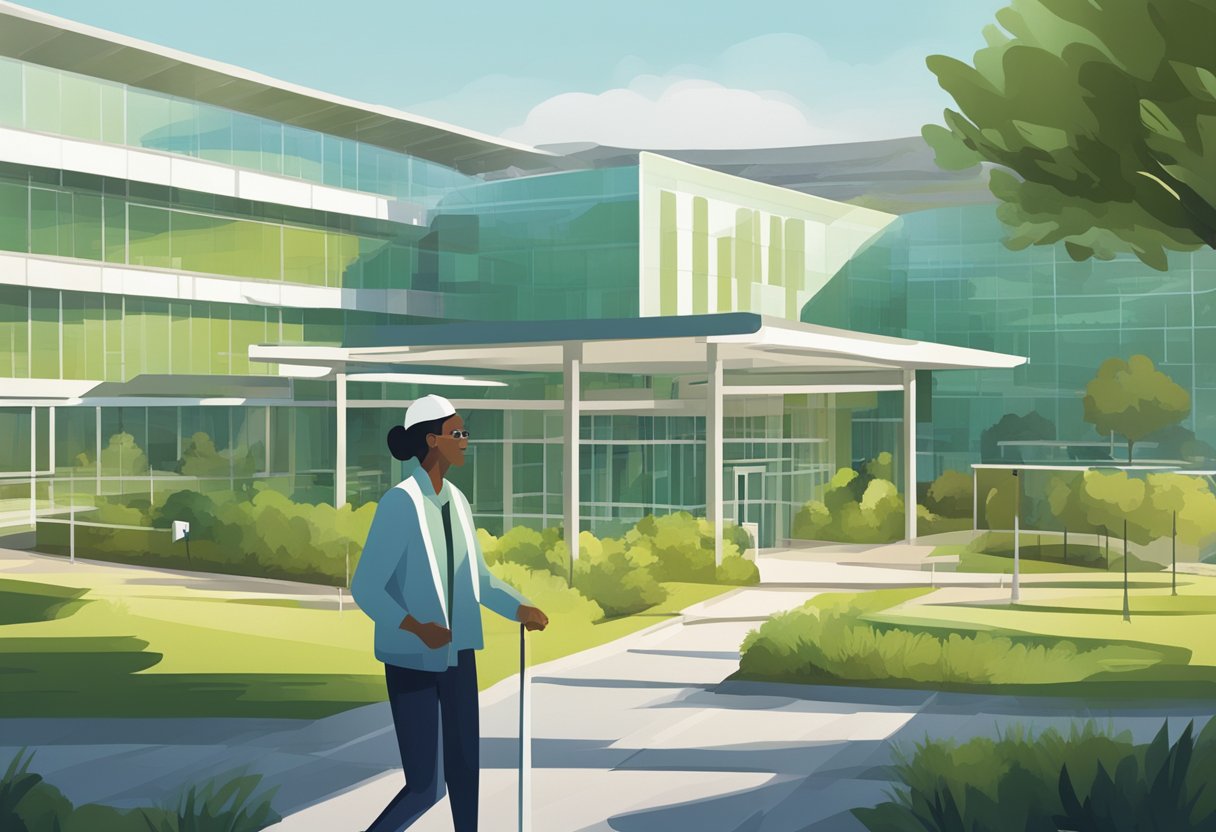
The relationship between infrastructure and healthcare delivery is pivotal in shaping effective cancer survivorship strategies. We must ensure that environmental policies bolster such frameworks to considerably lower pollution-related cancer risks.
Cancer Care Infrastructure
Our healthcare landscapes must integrate environmental design strategically to support our journey as survivors.
We envision cancer centers as more than mere buildings; they are sanctuaries that blend innovation with compassionate care.
After facing lymphoma, the significance of centers designed to promote healing and sustainability resonates deeply with us.
We emphasized the design of spaces that consider the recovery needs specific to men fighting cancer, creating environments that nurture physical and emotional well-being.
By constructing these comprehensive facilities, we’re not just combating illness but fortifying our resilience.
Innovative Healthcare Delivery Models
We’re pioneering healthcare delivery to meet the bespoke needs of each cancer warrior.
While no single model suits everyone, innovative healthcare delivery models strive to tailor care and optimize outcomes.
We’ve witnessed firsthand the difference it makes when survivorship care is accessible through diverse channels, from home-based programs to community integration.
This facilitates a network of support that can be life-altering.
Moreover, the focus has shifted to including sporting activities as a cornerstone of recovery, recognizing the healing power of physical engagement.
Policies and Programs for Cancer Survivorship
In our fight against cancer, effective policies and programs play a crucial role in shaping survivorship.
Comprehensive Cancer Control
Our approach integrates various elements of cancer control into a unified force. The Division of Cancer Control and Prevention coordinates efforts to prevent cancer alongside the National Comprehensive Cancer Control Program, which strategizes with communities to control cancer.
Our collective endeavor ensures that survivorship concerns are addressed within this comprehensive framework.
Survivorship Care Models
We recognize a shift toward proactive survivorship care models. These models provide us, especially men who’ve prevailed over cancer, with tailored support post-treatment.
Programs like the National Cancer Survivorship Resource Center develop guidance and resources aiming to refine the quality of our life post-cancer.
This approach mirrors the clinical survivorship care guidelines proposed by the NCCN that pivot on evidence and expert consensus to aid patients and their families.
Playing Devils Advocate
We often overlook the complexity of environmental policies in their role in combating cancer. Our focus shifts to the harsh reality that while shielding many from harmful carcinogens, environmental regulations may also lead to economic repercussions for industries and workers.
Industrial sectors argue that stringent regulations can stifle innovation and cause job losses.
I’ve survived lymphoma, not just once, but twice. I’ve fought the good fight and stood alongside fellow survivors, men who faced similar battles. It’s a shared trajectory fraught with endless hospital visits, treatments, and a persistent quest for normalcy. Yet, we understand the concern: can environmental protocols go too far in dampening economic vitality?
Breathing clean air and drinking pure water are key to keeping malignant cells at bay. It’s why pollution control is a shield against cancer’s onslaught. But could this shield inadvertently harm the hand that wields it?
We debate, we strategize, considering the flip side. Could advancements in sustainability offer alternative jobs, driving a new economy forward? As vigilant survivors, could we inspire solutions that meld economic growth with health safeguards?
| Concerns | Opposing Views |
|---|---|
| Job Loss | Sustainability Job Growth |
| Industrial Innovation | Health and Safety Protocols |
| Economic Impact | Long-Term Health Benefits |
As we engage in this conversation, our resolve remains unwavering. We anchor ourselves in shared knowledge, balanced perspectives, and the hope for a world where economic prosperity coexists with robust health policies. We’re not just survivors but catalysts for change, fostering dialogues that matter.
Final Thoughts
As survivors, we recognize the road to recovery isn’t just physical—it’s environmental, too.
We’ve seen firsthand the strides taken towards reducing carcinogen exposure, a testament to the efficacy of stringent environmental regulations.
Our air is cleaner, thanks to the EPA’s pollution reduction regulations. This isn’t just about us; it’s about the future we carve for others.
We are united by experiences, standing shoulder to shoulder, facing challenges beyond the hospital ward.
As a thrice survivor of lymphoma, I’ve felt the strength drawn from a community of support. This same strength fuels our call to action, urging further reduction of pollution due to its established link to cancer risks.
Our approach is simple yet transformative:
- Champion policies for cleaner environments
- Support research on nature-based interventions
- Advocate for robust survivorship programs
We tackle these hurdles with determination, offering a guiding hand, especially to our brothers navigating the complexities of cancer survivorship. Together, we cultivate resilience, not just for ourselves but for men walking this path alongside us.
Let us strive collectively, championing a safer world that allows us to thrive beyond diagnosis. Here’s to clean air, clear water, and a commitment to health that benefits us all. -T
Frequently Asked Questions
Navigating life after cancer involves addressing unique challenges and fostering robust support systems to ensure effective ongoing care and well-being.
What are the common obstacles faced by cancer survivors when accessing ongoing care?
We often find ourselves up against barriers such as limited access to specialized healthcare providers and the financial strains of continued treatment. Staying vigilant with our care can be a complex journey.
What strategies can improve adherence to survivorship care guidelines?
We can enhance our adherence to care guidelines through coordinated efforts between healthcare teams and survivors and by personalizing care plans to fit our diverse needs and lifestyles.
How does a cancer survivorship care plan benefit patients post-treatment?
A tailored survivorship care plan ensures that we have a clear roadmap for monitoring our health, managing the long-term effects of treatment, and promptly addressing any new concerns.
What provisions does the Comprehensive Cancer Survivorship Care Act include for survivors?
This act comprehensively addresses our need for access to psychosocial support services, rehabilitation, and financial guidance to handle the complexities of life post-cancer.
How do environmental regulations impact the health and well-being of cancer survivors?
Robust environmental regulations are pivotal in reducing our exposure to pollutants, which is crucial for preventing recurrence and safeguarding our overall health.
What support systems are essential for maintaining the quality of life for cancer survivors?
We rely on a robust network. This network includes healthcare professionals, counseling services, fitness programs, and community support.
