

Navigating Interpersonal Dynamics as a Cancer Thriver

Cancer-related fatigue is a pervasive issue that we, as survivors, often contend with daily. It exceeds the common tiredness most people know; it is a profound, unrelenting exhaustion that can persist regardless of rest or sleep.
Profound fatigue is something we understand intimately. Having faced lymphoma cancer twice, we understand this profound fatigue and the strain it can impose on our connections with others. In our journey, we’ve learned that fatigue can sever the threads binding us to our partners, families, and colleagues.
Amid our battles with cancer, we’ve realized that managing fatigue is not merely a personal struggle but an integral part of our collective healing and recovery. With this experience, we aim to extend a supportive hand to other men navigating this path.
By sharing our insights into lifestyle adjustments, mental health support, and the potential benefits of integrative therapies, we strive to foster resilience and nurture the relationships that matter most to us.
Key Takeaways
- Fatigue can profoundly impact our relationships and daily interactions.
- Addressing fatigue requires a multifaceted approach that includes lifestyle changes and mental health support.
- Integrative therapies have potential benefits in managing fatigue and enhancing our quality of life as cancer thrivers.
Understanding Cancer-Related Fatigue
Cancer-related fatigue (CRF) is a profound exhaustion that doesn’t improve with rest and is not proportional to recent activity. Our recognition of this symptom evolves with each personal victory against lymphoma, emphasizing the need to address and understand its full scope.
Symptoms and Diagnosis
Symptoms of CRF often include a sustained feeling of tiredness, lack of energy, and a reduction in mental capacity that can manifest as difficulty concentrating.
Diagnosis requires careful assessment as we differentiate this specific fatigue from other forms of tiredness. Healthcare providers may use a fatigue scale to gauge the severity and often rely on our honest communication.
We might describe symptoms as:
- Physical: Constant weariness regardless of rest
- Emotional: Feelings of overwhelm or sadness
- Cognitive: Struggles with memory or attention
Doctors diagnose CRF by eliminating other potential causes. They consider not just our cancer and treatments but also take into account any preexisting conditions like anemia, which can exacerbate fatigue.
Causes and Contributing Factors
The underpinning mechanisms of cancer-related fatigue are complex. Several contributing factors may include the cancer, its treatments, and additional factors like nutrition deficits or medication effects. We outline the factors as follows:
- Cancer Treatments: Chemotherapy, radiation, and hormone therapies
- Physical Factors: Anemia and other medical conditions
- Psychological Factors: Stress from coping with cancer
- Lifestyle Factors: Lack of activity or poor sleep leading to worsening of fatigue
We encourage our fellow thrivers, particularly men tackling this journey, to consider how these factors may interact in their lives. Regular gentle exercise tailored to our capacity and managing our sleep and diet can be beneficial strategies.
The Impact of Fatigue on Relationships

Fatigue often acts as a silent barrier in our interpersonal bonds, particularly for us who have faced the tribulations of cancer, damping both our emotional resilience and social vigor.
Emotional Effects
We find ourselves on a rollercoaster of emotions, where persistent tiredness dampens our mood and erases the vibrancy from our interactions.
In the trenches of emotional distress, we might withdraw or show irritability, unintentionally wounding the ones we care about.
Studies such as Cancer-Related Fatigue: Causes and Current Treatment Options indicate the gravity that fatigue exerts on our emotional well-being and quality of life.
Social and Sexual Functioning
Our social calendar thins when fatigue takes over, and the energy to sustain friendships and community ties falters.
Understanding from our friends becomes vital as social outings become rare.
Intimacy, too, bears the brunt of our exhaustion. The interrelationships between fatigue, depression, and sexual health in men with cancer show that sexual expression can suffer significantly, adding stress to relationships that thrive on closeness and affection.
We seek ways to maintain connections that heed our current capacity, offering transparency about our situation to those around us.
Comprehensive Cancer Care
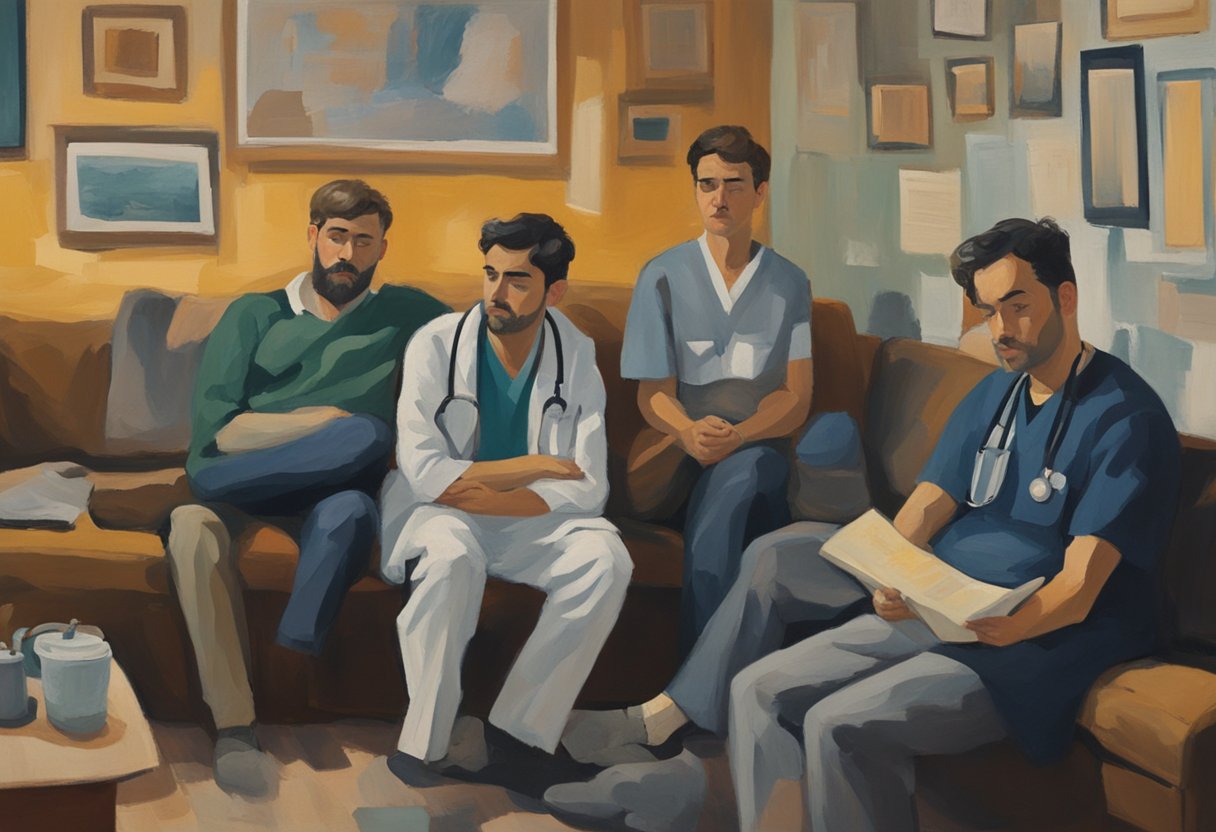
We recognize that tackling cancer involves not just confronting the disease itself but also managing the tide of side effects that can sweep into our daily lives. It’s a path we walk with care, balancing treatment with quality of life, always seeking the best outcome for each of us.
Treatment of Cancer
Cancer treatment often involves a multifaceted approach—surgery, chemotherapy, radiation, and immunotherapy stand as pillars in our fight against this adversary.
Our doctors craft plans tailored uniquely to our needs, harnessing advances in medicine to target the disease head-on.
Determination guides their hands as they wield the latest treatment arsenal, constantly pushing the boundaries of what’s possible.
- Surgery: Extracts the tumor, aiming for clean margins to fend off recurrence.
- Chemotherapy: Uses potent drugs to kill cancer cells, opting for systemic attack.
- Radiation therapy: Zeroes in on cancer cells precisely, minimizing harm to healthy tissue.
- Immunotherapy: It bolsters our immune system to recognize and combat cancer cells.
Managing Side Effects
Side effects ripple through our lives, often disrupting routines and relationships with unpredictable currents.
Medications serve as a line of defense, easing symptoms that arise.
From bouts of fatigue to the complexities of emotional strain, our challenges are met with a compassionate response.
Programs tailored by medical professionals aim to restore our vigor, support us in maintaining a grip on our aspirations, and keep our spirits aloft.
- Fatigue Management: Exercise, nutrition, and rest cycles to restore and preserve our energy.
- Emotional Support: Therapy and support groups that provide solace and understanding.
- Physical Side Effects: Treatments to alleviate pain and other physical symptoms, ensuring we stay active and engaged.
Lifestyle Interventions
As cancer thrivers, we understand that adjusting our lifestyle can be a decisive step in managing fatigue and bolstering our relationships.
Diet and Nutrition
Diet plays a crucial role in energy management for cancer thrivers. We focus on a nutrient-rich diet, emphasizing fruits, vegetables, lean proteins, and whole grains.
Additionally, hydration is essential; ensuring we drink adequate water eliminates toxins and maintains cellular health.
Research suggests that a post-diagnostic low-fat diet can reduce the recurrence risks and aid survival.
- Essential Dietary Components for Cancer Survivors:
- Fruits and Vegetables: At least five servings per day
- Proteins: Lean meats, legumes, nuts
- Grains: Whole grains over refined ones
- Hydration: 8-10 glasses of water daily
Exercise and Physical Activity
Physical activity is our ally against fatigue.
We break this down into structured exercises and incidental movements throughout our day.
Studies show that lifestyle interventions that include physical activity can hold promise for cancer survivors.
Engaging in sports or fitness routines boosts not only physical health but also mental well-being.
- Exercise Guidelines for Cancer Thrivers:
- Frequency: Aim for at least 150 minutes of moderate activity weekly
- Types: Combine cardiovascular, strength training, and flexibility exercises
- Day-to-day: Seek opportunities to move more, be it a walk or household chores
Mental Health Support

As cancer thrivers, we understand that nurturing our mental health is as crucial as physical recovery.
The journey through and beyond cancer can take a toll, and fatigue often strains not only our bodies but also our relationships.
Coping Mechanisms
To address mental health challenges, we deploy practical coping mechanisms.
First, recognize the signs of depression and anxiety.
Second, integrate stress management habits, such as:
- Regular physical activity, which could include sports to foster a sense of camaraderie and accomplishment.
- Mindfulness practices, like meditation, sustain our focus and composure.
We may also benefit from structured techniques like cognitive behavioral therapy, which helps us reconstruct negative thought patterns that contribute to our distress.
Professional Support Available
Seeking professional support offers us tailored strategies to surmount our mental hurdles.
Consulting with a psychologist can open doors to personalized therapy. Options include:
- One-on-one sessions for individualized attention.
- Support groups with fellow cancer thrivers, facilitating a shared healing experience.
Professionals offer guidance on behavioral therapy and other interventions to address our needs. They act as our allies on this journey, helping us survive and thrive through life’s challenges.
Effectiveness of Integrative Therapies

Exploring the realm of integrative therapies offers us a palette of options to address fatigue that often hinders our daily lives and relationships, especially after enduring cancer.
The utilization of such therapies can provide a beacon of hope, enhancing our quality of life and aiding in our journey as cancer thrivers.
Complementary Treatment Approaches
We can embrace a variety of complementary treatment modalities to combat our fatigue.
Practices like yoga and tai chi are gentle on our bodies and promote mental well-being.
Yoga has proven to be a respite, enabling our bodies to stretch and strengthen gently.
On the other hand, tai chi offers a series of fluid movements that can increase our vitality and help us connect with our inner calm.
Meditation serves as a tool to ground us, allowing a moment of quiet reflection amidst the chaos of cancer recovery.
Its regular practice aids in managing stress, which often contributes to fatigue.
We’ve noticed that even a few minutes of meditation can significantly improve our daily energy levels.
Evidence-Based Benefits
Research supports the benefits of integrative therapies.
A noteworthy study indicates the role of American ginseng in reducing cancer-related fatigue.
After incorporating this herb into our regimen, many felt a noticeable improvement in our endurance.
While rigorous proof is pivotal for adopting any integrative therapy, anecdotal experiences from our community suggest that such approaches can alleviate fatigue.
We take comfort in studies that validate the efficacy of integrative therapies. They corroborate our experiences and provide hope that our encounters with fatigue can be mitigated, allowing us to maintain our personal and professional ties effectively.
Moving Forward as a Cancer Thriver
As we step into life beyond cancer, we focus on reinventing our quality of life and nurturing the support systems that uplift us.
Survivorship and Quality of Life
The quality of our day-to-day living defines moving past lymphoma, our survivorship.
Cancer teaches us resilience, transforming our perspective on what contributes to a fulfilling life. Daily life can be challenging, but we use our experiences to foster strength and make intentional choices that enhance our wellness.
A balanced diet, regular exercise, and sufficient rest become non-negotiable pillars of our routine.
We strive for harmony in our relationships, ensuring they offer the same affection, understanding, and joy that we seek to provide.
Engaging with Support Networks
Joining a support group is about finding solace and building collective resilience.
Here, we share strategies, from the mundane to the profound, for managing the fatigue that often persists after treatment.
We make space for each voice in our dialogues, promoting an exchange that reinforces our bonds and collective knowledge.
We also involve ourselves in activities, sometimes sports clubs or community initiatives, that make us active participants in life, not just observers.
Our focus is not only on ourselves but also on offering a supportive shoulder, a listening ear, and sometimes a challenging yet friendly competition on the court to remind us of our strengths.
Final Thoughts…

As we navigate the realities of fatigue, it’s vital to acknowledge the toll it takes on relationships, particularly for us men who’ve faced the fierceness of cancer.
From my dual battles with lymphoma, I learned to view every interaction as a chance to educate and inspire.
Together, we can reshape exhaustion into a bond that galvanizes our connections with others.
In professional settings, I share honest conversations about my energy levels, which fosters understanding and creates a supportive work environment.
This transparency helps maintain career stability and personal integrity while juggling the lingering effects of treatment.
Comradery in sports offers another powerful avenue for connection.
Whether it’s a light-hearted basketball game or a shared interest in a sports event, the camaraderie helps foster a sense of normalcy and inclusion.
These interactions remind us that our spirits remain unbroken and that there is a community that appreciates our zeal.
Let’s highlight strategies to combat fatigue-focused challenges:
- Regular Exercise: Tailor activities to match our strength reserves, fostering endurance.
- Open Communication: Speak with loved ones; express how fatigue shapes our day-to-day.
- Rest and Recovery: Prioritize downtime to recharge, an act of self-respect and necessity.
Through shared experiences and solution-focused approaches, we rally as thrivers, not just survivors.
Our story of resilience and mutual support offers a guiding light that paves the way for a life marked by accomplishment and heartfelt relationships.
Understanding and patience become our allies, guiding us and those around us toward a future where fatigue does not define our narrative but refines our bond. -T
Frequently Asked Questions
In our journey together, we’ll tackle common inquiries about the intersection of fatigue and relationships when thriving through cancer.
How can a cancer diagnosis impact intimate relationships?
A cancer diagnosis can introduce stress and uncertainty, often shifting our focus to survival, which may strain the emotional and physical connection we have with our partners.
What can partners do to maintain a strong relationship during cancer treatment?
Partners can create a haven of support by openly discussing feelings, embracing flexibility, and celebrating small victories together, which help us navigate the turbulence of cancer treatment.
Are there any strategies to support a loved one with fatigue associated with cancer?
Offering a listening ear, assisting with daily tasks, and encouraging engagement in gentle activities like strolls can be solid pillars of support for a loved one combatting fatigue from cancer.
What are the challenges faced by cancer thrivers in their social interactions?
We may find ourselves drained, making social gatherings challenging. Our patience and ability to engage in lively banter may wane at times, affecting our social dynamics.
In what ways can communication within a relationship change after a cancer diagnosis?
Post-diagnosis, our dialogues often shift towards more serious topics, requiring clear, honest communication and a shared understanding that not every conversation needs to be resolved in solutions.
How does the role of the caregiver affect the dynamics of a romantic relationship?
When one of us steps into caregiving shoes, roles may shift. We may become protectors, nurses, and confidants, recalibrating the balance of give and take in our romantic relationship.
