

Practical Steps to Achieve Milestones
Setting realistic goals during the recovery process can be transformative for male cancer warriors.
Having survived lymphoma cancer twice ourselves, we’ve learned that manageable and meaningful objectives can bring a sense of control during uncertain times.
Establishing goals helps us break down daunting challenges into smaller, achievable steps, making the journey less overwhelming and more hopeful.

Realistic goals are crucial for fostering resilience and confidence.
When facing cancer, it’s easy to feel lost, but setting specific, measurable, attainable, relevant, and time-bound (SMART) goals can guide us through the healing process.
Whether improving physical fitness, enhancing emotional well-being, or exploring new interests, each goal propels us forward, no matter how small.
It’s possible to thrive despite the obstacles. By celebrating our progress and viewing each small victory as a step towards a more significant success, we build a foundation for a brighter future.
Key Takeaways
- Establishing SMART goals provides direction and purpose.
- Celebrating small victories fosters resilience and confidence.
- Realistic objectives make the recovery journey less overwhelming.
Understanding Cancer

Cancer is a complex disease impacting various aspects of our lives. We must understand the different cancer types and the treatment journey to navigate the challenges effectively.
Cancer Diagnosis and Types
When we talk about cancer, we refer to numerous diseases with uncontrolled cell growth as a standard feature.
Cancer diagnosis often begins with noticing symptoms like unusual lumps, fatigue, or unexplained weight loss.
Different types of cancer include blood cancer, mesothelioma, and lymphoma.
Each type requires specific tests for diagnosis. Blood cancers necessitate blood tests and marrow biopsies, whereas imaging tests like CT scans help diagnose mesothelioma.
Knowing the exact type aids in crafting a targeted treatment plan, giving us a clear direction on the road ahead.
The Cancer Treatment Journey
Once diagnosed, the cancer treatment journey begins.
It often includes chemotherapy, which uses powerful drugs to kill cancer cells. For men, treatments like androgen deprivation therapy might be employed to combat prostate cancer.
Treatment is not just medical; it involves emotional and physical support.
We need a robust support system to navigate side effects like nausea from chemotherapy and fatigue from radiation therapy.
Maintaining personal goals during treatment, such as mild exercise or hobbies, also helps us regain a sense of normalcy and control.
Setting Realistic Goals

Setting realistic goals is a vital component of the healing journey for male cancer warriors—identifiable, attainable objectives foster confidence and resilience throughout recovery.
Identifying Personal Milestones
First, we should identify personal milestones that resonate with our unique experiences and strengths.
As cancer survivors, our goals might include regaining physical strength, enhancing mental well-being, or rebuilding our social lives.
Personal milestones may involve:
- Physical: Walking 5,000 steps daily.
- Mental: Maintaining a positive mindset.
- Social: Reconnecting with friends and family.
We prevent feeling overwhelmed by breaking larger goals into smaller, achievable tasks. Tracking progress and celebrating these small victories can fuel our motivation and help us stay on course.
The Role of Specific and Attainable Goals
Achievable goals are specific, measurable, attainable, relevant, and time-bound (SMART). This framework allows us to focus on what truly matters and progress steadily.
Specific: Instead of “exercise more,” we should aim to complete 30 minutes of daily exercise.
Measurable: Tracking our progress, like noting the number of steps walked daily, helps us stay motivated.
Attainable: Setting realistic goals for our current situation ensures we don’t set ourselves up for failure.
For example, if we aim to return to full-time work, we might start by working part-time.
This gradual approach keeps our goals within reach and keeps us focused on returning to everyday life while managing our health.
Adopting this structured approach brings a sense of purpose; step by step, we continue on a path to recovery.
The Warrior Mindset

In our journey to conquer cancer, we embrace the warrior mindset, crucial for resilience and staying motivated. The following principles anchor this mindset: maintaining a positive attitude and persisting in our fight.
Harnessing a Positive Attitude
Adopting a positive mindset helps us navigate the challenges of a cancer diagnosis. By focusing on the good, we boost our mental health.
Survivors often find empowerment in visualization techniques, picturing themselves as warriors overcoming immense obstacles. This mental practice fortifies our resolve and uplifts our outlook, which is critical in our fight against cancer.
Positive affirmations, such as “I am strong,” foster an empowered mindset. Repeating these affirmations daily can increase our confidence and promote an optimistic attitude.
Additionally, connecting with others helps maintain positivity.
Sharing experiences with others can build a supportive community, providing inspiration and encouragement.
Persistence and Survivorship
Persistence is about never giving up, no matter the challenges.
Cancer treatments often feel long and arduous, but our commitment to survival keeps us moving forward.
We set small, achievable goals to mark progress and celebrate victories.
Achieving these milestones—such as completing a treatment cycle—reminds us of our strength and resilience.
Resilience also comes from learning to live with uncertainty.
Developing coping strategies can help manage stress and anxiety, empowering us to face new challenges with determination.
Joining survivorship programs provides valuable resources.
These programs offer advice, support, and techniques to maintain physical and mental well-being, further enhancing our persistence in the battle.
Nutrition and Fitness for Cancer Warriors

Maintaining a healthy diet and staying active can help us on our journey to recovery and overall wellness. Balanced nutrition fuels our bodies, and physical activity aids in our recovery process.
Building a Wellness Plan
We need to create a personalized wellness plan that fits our unique needs.
A balanced diet includes a variety of vegetables, fruits, lean proteins, and whole grains.
Eating regularly and enjoying nutrient-rich foods can help us maintain our energy levels.
We should aim to avoid processed foods and sugary drinks. Hydration also plays a key role, so drinking plenty of water daily is essential.
Meet with a nutritionist to discuss our specific needs.
They can help us tailor a plan that includes foods rich in vitamins and minerals. Supplements might also be beneficial if we can’t get enough nutrients from our diet.
Physical Activity as a Recovery Tool
Regular physical activity can significantly impact our recovery and wellness.
Moderate exercise helps us strengthen our bodies and increase stamina. Activities like walking, swimming, and cycling are great options.
Starting slowly and gradually increasing the intensity can help us avoid injuries.
Daily movement boosts our mood and reduces stress. It’s not just about the physical aspect but also mental benefits.
We should aim for at least 150 minutes of moderate exercise weekly.
Talking to a physical therapist can guide us on the best exercises for our condition.
Fitness should be a part of our daily routine, making us feel more vital and energized.
Emotional Well-being and Coping
Managing emotional well-being and finding effective coping strategies are crucial for male cancer survivors. Getting through these battles requires inner strength and reliable support.
The Power of Mindfulness and Meditation
Practicing mindfulness and meditation can significantly impact our emotional health.
Mindfulness helps us stay present and reduces anxiety by focusing on the here and now. It allows us to deal with overwhelming emotions calmly and clearly.
Meditation provides a quiet space to process our thoughts and emotions.
Dedicating just a few minutes each day to meditation can bring a sense of peace and reduce stress.
Both mindfulness and meditation offer practical ways to cope with the emotional challenges of cancer survival. They remind us to take one step at a time, making the path to recovery less daunting.
Building Strong Support Systems
Having a solid support system is vital when facing cancer.
Family, friends, and support groups are key to our emotional well-being. These connections provide encouragement and a safe space to express fears and triumphs.
Joining a cancer community allows us to share our experiences with others who understand.
Support groups offer a sense of belonging and remind us that we are not alone.
Building strong support systems involves reaching out and allowing others to support us. It strengthens our resolve and helps us cope with the emotional ups and downs of cancer survival.
Support and Empowerment through Community
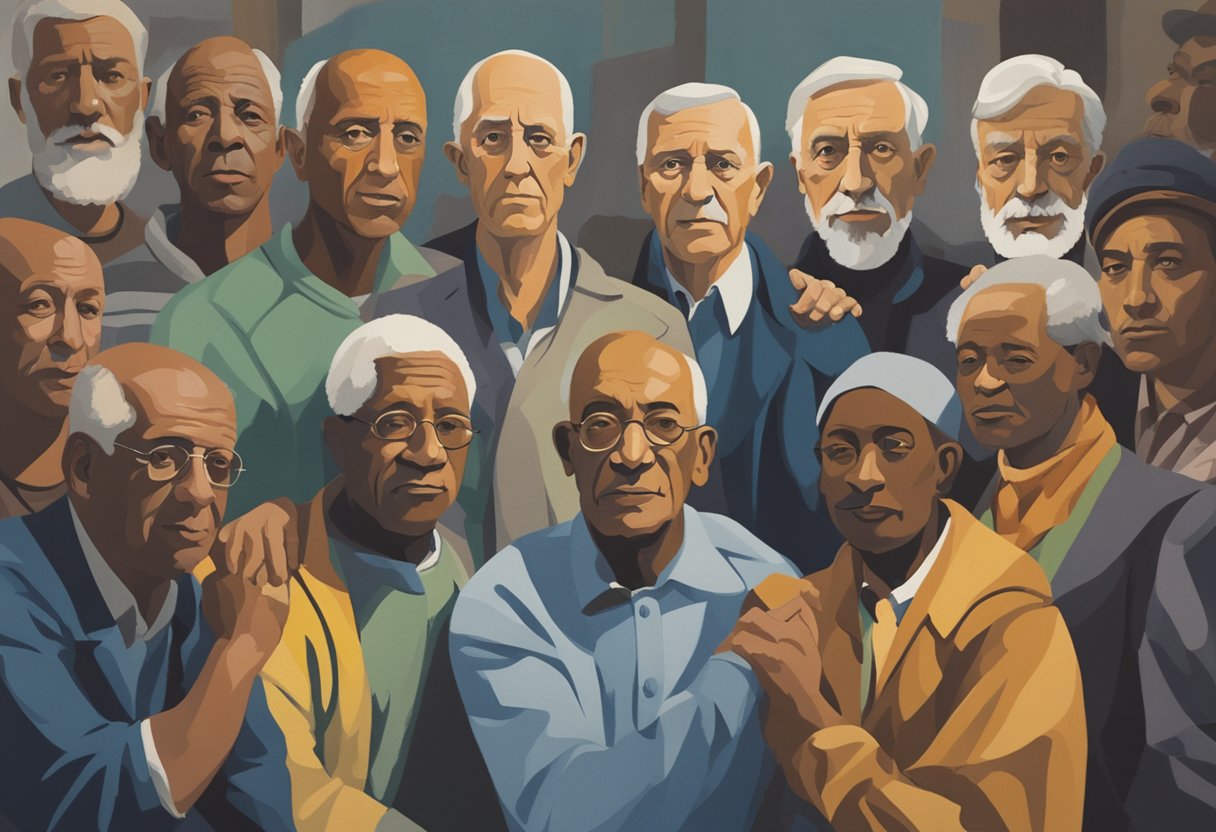
Community support can make a huge difference in a patient’s journey against cancer. Finding strength and hope among peers can empower individuals to face challenges and celebrate victories.
Cancer Support Networks
Cancer support networks create a safe environment for patients to share their experiences and find comfort in collective understanding. These networks often include both physical groups and online forums.
Benefits of Support Networks:
- Emotional Support: Patients find solace in knowing they are not alone.
- Resource Sharing: Access to information about treatments and coping strategies.
- Peer Encouragement: Stories of hope and survival can be highly motivating.
Engaging in a community allows us to gain different perspectives on our experiences. Through these connections, we can uplift one another, making our battles less isolating. Initiatives like peer support groups have shown positive impacts, helping cancer warriors feel more empowered and informed.
The Importance of Sharing Stories
Sharing personal cancer stories is an impactful way to foster connections and inspire others. Each tale brings unique insights and lessons that can guide others on their path to healing.
Why Sharing Stories Matters:
- Human Connection: Real-life experiences resonate deeply.
- Inspiration: Hearing about others’ resilience can boost our resolve.
- Awareness: Personal stories highlight various aspects of the cancer journey, spreading knowledge.
In our community, storytelling is a form of therapy. It helps process what we’ve gone through and provides hope to those who need it. By opening up, we heal ourselves and offer a beacon of light to others navigating similar paths. Sharing is empowering and humbling, reminding us that we are stronger together.
Advocacy and Education
In battling cancer, advocacy and education play crucial roles. Maximizing the impact of research and providing essential resources to patients and their families can make a significant difference.
Cancer Research Developments
Innovations in cancer research are yielding promising results. Organizations like the American Cancer Society and the National Cancer Institute are leading efforts to find new treatments. Research focuses on understanding cancer at the molecular level, developing targeted therapies, and refining immunotherapy. Nonprofits like Susan G. Komen and Livestrong actively fund these studies, pushing boundaries in detection and treatment.
Breakthroughs such as CRISPR gene editing and CAR-T cell therapy highlight the potential for personalized medicine. Researchers work tirelessly to turn these advanced treatments into practical solutions, offering hope to those navigating this journey.
Educational Resources for Patients and Families
Accessible educational resources empower patients and their caregivers. Websites like Cancer.net and Columbia University’s Cancer Center provide comprehensive information on diagnosis, treatment options, and self-care. Understanding the disease and treatment processes reduces anxiety and prepares us for informed decision-making.
Community-based programs offer workshops and support groups. These initiatives foster community, allowing patients and families to share experiences and strategies. Books, podcasts, and online courses provide valuable insights and coping mechanisms. Together, these resources help us navigate the complex landscape of cancer with knowledge and confidence.
The Debate
We often discuss the benefits of setting realistic goals in surviving cancer. Yet, some people argue about the value and feasibility of goal-setting during such a challenging period.
Challenges:
- Emotional Stress: Managing cancer’s emotional impact is overwhelming. Setting goals might add extra pressure when we already have much on our plate.
- Physical Limitation: Treatment’s side effects can restrict physical and mental abilities, making it hard to pursue specific goals.
Benefits:
Setting realistic goals helps:
- Regain control
- Boost self-esteem
- Provide a sense of purpose
Realism vs. Optimism
The debate also involves finding a balance between being realistic and staying optimistic. We need to ensure our goals are achievable without diminishing our hope.
- Realism: Ensures our goals are reachable and tailored to our current capabilities.
- Optimism: Maintains our spirit and encourages us to look forward to the future.
Personalized Care
Different health professionals have varied opinions on goal-setting. For instance, some doctors emphasize individualized care, basing their recommendations on each patient’s values and situation.
Pros:
- Tailored goals fit personal needs and circumstances.
- Enhances quality of life, focusing on well-being.
Cons:
- Requires an in-depth understanding of each patient’s unique condition.
- It may be challenging to implement in standard medical practice.
Final Thoughts
Setting realistic goals has been a crucial part of our recovery journey. We learned to appreciate the little milestones, from walking further each day to engaging in hobbies that bring joy.
SMART goals—Specific, Measurable, Attainable, Relevant, and Time-bound—guided us. They turned overwhelming challenges into manageable steps, giving us control over our lives again.
We know how isolating and exhausting cancer can be. It’s vital not to compare our progress with others. We each walk a unique path, and what works for one person might not work for another.
We found strength in setting goals about improving our physical fitness. Simple activities like stretching or mild workouts helped rebuild our confidence and health. Engaging in sports or finding ways to stay active brought us a sense of normalcy.
Emotional well-being was another area where goals made a difference. Seeking therapy, joining support groups, or practicing mindfulness were ways we managed stress and boosted our mental health.
Celebrating small victories was vital. Whether it was a good day, feeling more robust, or even just laughing more often, each win mattered and added up.
Let’s remember that goals are not just tasks to complete. They are stepping stones that help us reclaim our lives, strength, and hope. Let’s remain supportive of each other as we continue our journeys. Together, we can thrive and inspire.
Stay strong, brothers. -T
Frequently Asked Questions
Our path to recovery involves hope, achievable goals, and maintaining a positive mindset. Staying motivated and receiving support from loved ones, as well as making lifestyle changes for a healthy future, are crucial.
What can you say to inspire hope in someone fighting a cancer diagnosis?
Hope is powerful. We can remind each other that every day is a new chance to fight, and small victories matter. Share stories of survivors who overcame similar battles to highlight the possibility of recovery and a fulfilling life ahead.
How can patients with cancer set achievable goals during their treatment journey?
Setting specific and realistic goals is vital. For example, aim to walk a short distance daily or complete a light exercise routine. Breaking larger goals into smaller, manageable parts ensures steady progress without feeling overwhelmed.
What are some effective strategies for maintaining a positive mindset after a cancer diagnosis?
Focusing on what we can control can nurture a positive mindset. Engage in hobbies, practice mindfulness, and connect with support groups. Celebrating small wins, no matter how minor they seem, can boost morale significantly.
How can a male cancer patient stay motivated during the recovery process?
Staying motivated can be challenging. Setting personal milestones, such as achieving fitness goals or learning new skills, can provide a sense of purpose. Visualizing the future and the activities we look forward to can also help sustain our drive.
How can loved ones best support the emotional needs of a male battling cancer?
Loved ones can offer emotional support by being present and listening. It is crucial to encourage us to express our feelings and provide a safe space for them. Simple gestures like sharing a meal or watching a favorite show together can also make a big difference.
What lifestyle changes might benefit a male cancer survivor pursuing a healthy future?
Adopting a balanced diet, regular exercise, and sufficient rest are fundamental lifestyle changes.
Avoid smoking and limit alcohol consumption. Incorporate regular check-ups to monitor health.
Small, consistent changes can significantly impact long-term well-being.
