

A Thriver’s Guide to Regaining Energy

As we move beyond the trials of cancer treatment, many of us confront an unexpected challenge: persistent fatigue. We understand this weariness, often called cancer-related fatigue, is more than feeling tired.
It’s a profound exhaustion that doesn’t get better with rest and can significantly impact our quality of life. As thrivers, not just survivors, we aim to reclaim our energy and vitality.
Managing this fatigue is a nuanced journey that balances the right mix of activity with rest periods. We’ve discovered that strategic approaches, including physical and psychosocial interventions, can make a substantial difference. Eating well, using certain supplements with care, and embracing restful sleep strategies form part of our toolkit. Alongside our efforts, fostering strong support networks is crucial as we navigate this path together.
Key Takeaways
- Cancer-related fatigue can persist after treatment, affecting quality of life.
- A strategic mix of interventions can help manage fatigue and regain energy.
- Support networks play a key role in a thriver’s fatigue management plan.
Understanding Cancer-Related Fatigue
When we speak of fatigue in the context of cancer, we’re referring to a deep, persistent tiredness that isn’t relieved by sleep alone. This type of fatigue can be one of the most challenging symptoms we deal with as survivors.
Defining Fatigue in the Cancer Context
Cancer-related fatigue (CRF) is a distinct, overwhelming sense of weariness that can strike those of us with cancer. It’s a tiredness that goes beyond what we would typically experience after physical activity and doesn’t quite shake off with rest. Our battle with fatigue might persist even after treatment, and it often requires strategies beyond ordinary rest to manage effectively.
Identifying Symptoms and Impact on Daily Life
Symptoms of CRF encompass more than just a physical aspect— they include emotional and cognitive challenges that can disrupt our daily lives. Here are common symptoms we might notice:
- Physical health takes a plunge, making activities we once managed with ease feel like monumental tasks.
- Concentration falters, and we struggle to focus on tasks at work or during our favorite sports.
- Simple social interactions can become exhaustive, limiting our desire to engage with friends and family.
- Our mood swings as energy depletes, leading to frustration and affecting our relationships.
In our fight against fatigue, we can adopt various active and sport-based approaches to bolster our vitality. We create routines that mix light exercise with adequate rest, focus on a diet that fuels our bodies, and sometimes seek therapy adjustments to manage the energy dips.
Though each of us experiences CRF differently, by sharing experiences and what works for us, we can help one another overcome this draining side effect of our battle against cancer.
Assessment and Measurement of Fatigue

Understanding how to gauge the intensity of cancer-related fatigue and its impact on our daily lives is crucial for managing our energy levels effectively.
Tools for Measuring Fatigue
Several validated tools can help us measure the severity of fatigue. These include the Functional Assessment of Chronic Illness Therapy—Fatigue (FACIT-F), which targets issues related to chronic illness.
The Piper Fatigue Scale—Revised focuses on different dimensions of fatigue, such as affective meaning, behavior, sensory, and cognition/mood. Utilizing these tools, we can accurately assess the fatigue levels and gather insights necessary for crafting a personalized recovery plan.
- Functional Assessment of Chronic Illness Therapy—Fatigue (FACIT-F)
- Piper Fatigue Scale-Revised
- Brief Fatigue Inventory
- Cancer Fatigue Scale
- Fatigue Symptom Inventory
- Patient-Reported Outcome Measurement Information System (PROMIS) Fatigue Short Form and CAT
- Multidimensional Fatigue Inventory-20
Utilizing a Fatigue Diary
A fatigue diary is a personalized, detailed record of how fatigue fluctuates with our daily activities and mood. In the diary, we track the time of day when fatigue hits hardest, activities we’ve engaged in, and our emotions at the time. This data helps us identify patterns and trigger points, enabling us to strategize our days around peak energy times and rest when needed. Here’s how we can structure our fatigue diary entries:
- Time and Intensity: Note the time and rate the intensity of fatigue on a scale of 1-10.
- Activities: List the activities we engaged in before the onset of fatigue.
- Emotional State: Document our mood or emotional state during fatigue.
- Rest and Recovery: Observe and record the effectiveness of rest or recovery methods we utilized.
This structured approach helps us take control of our day and plan our activities, aligning with the times we feel most energetic and ensuring we have space for the recovery we need after being physically active.
Physical and Psychosocial Interventions
As survivors, we often explore multiple strategies to tackle post-treatment fatigue. Here, we’ll discuss exercise, psychosocial support, and psychological treatments that can ease our journey.
Exercise as a Key Component
Consistent physical activity stands out as a powerful tool in our recovery arsenal. Even modest exercise can boost energy levels and enhance our physical well-being. Studies suggest that structured physical activity programs can lead to improvements in fatigue for individuals like us who have faced cancer.
For example, participating in a mix of resistance training and aerobic exercises tailored to our capabilities effectively rebuilding our strength and stamina.
Role of Psychosocial Support
Support from others plays a vital role in managing fatigue. Psychosocial interventions provide solidarity and understanding, including support groups and one-on-one counseling. These interventions create spaces where we can share experiences and tips for coping and foster a sense of community. They remind us that we’re not alone on this path and that there is strength in our shared struggles and triumphs.
Effective Psychological Treatments
Psychological therapies serve as a cornerstone for emotional recovery. Techniques like cognitive behavioral therapy (CBT) and mindfulness practices help us develop better coping mechanisms for fatigue.
Psychotherapy allows us to explore and address emotional issues that may compound our physical exhaustion, while psycho-educational interventions inform us about fatigue management strategies. Leveraging these psychological resources can significantly reduce fatigue and improve our quality of life.
Indeed, these psychological treatments can be found to have empirical support in reducing fatigue in cancer survivors, as studies have identified significant effects from such interventions. Additionally, evidence suggests some post-intervention outcome benefits for physical functioning from psychosocial interventions.
By integrating these physical and psychosocial interventions into our lifestyles, we forge a comprehensive approach to fatigue management, striking at the physical and psychological aspects that affect our energy levels post-treatment.
Nutrition and Dietary Considerations

As cancer thrivers, we know that managing post-treatment fatigue hinges on our dietary choices and habits.
Managing Dietary Needs
When discussing diet, it’s key to focus on balanced meals that fuel our bodies and sustain our energy levels throughout the day. Structured nutritional counseling can guide us in tailoring a diet plan specific to our needs as survivors. We aim for:
- Proteins: Integral in muscle repair and immune function.
- Carbohydrates: They supply us with the glucose our body craves for energy.
- Fats: Essential fats aid in recovery and cellular health.
- Hydration: Enough fluids are crucial to flush out toxins from treatment.
Supplements and Herbal Interventions
Sometimes, we need a boost—this is where supplements and herbal remedies can come into play. But let’s approach this with a discerning eye, ensuring we discuss any supplements with our healthcare providers to prevent interactions with our recovery regime. Enhancements we consider include:
- Vitamin B12 and D: For bone health and energy metabolism.
- Iron: If levels are low, we must replenish to avoid fatigue.
- Omega-3 Fatty Acids: To reduce inflammation and promote heart health.
Remember, our path to wellness is unique, and we must adjust as we learn what best helps us thrive post-treatment.
Medications and Supplements
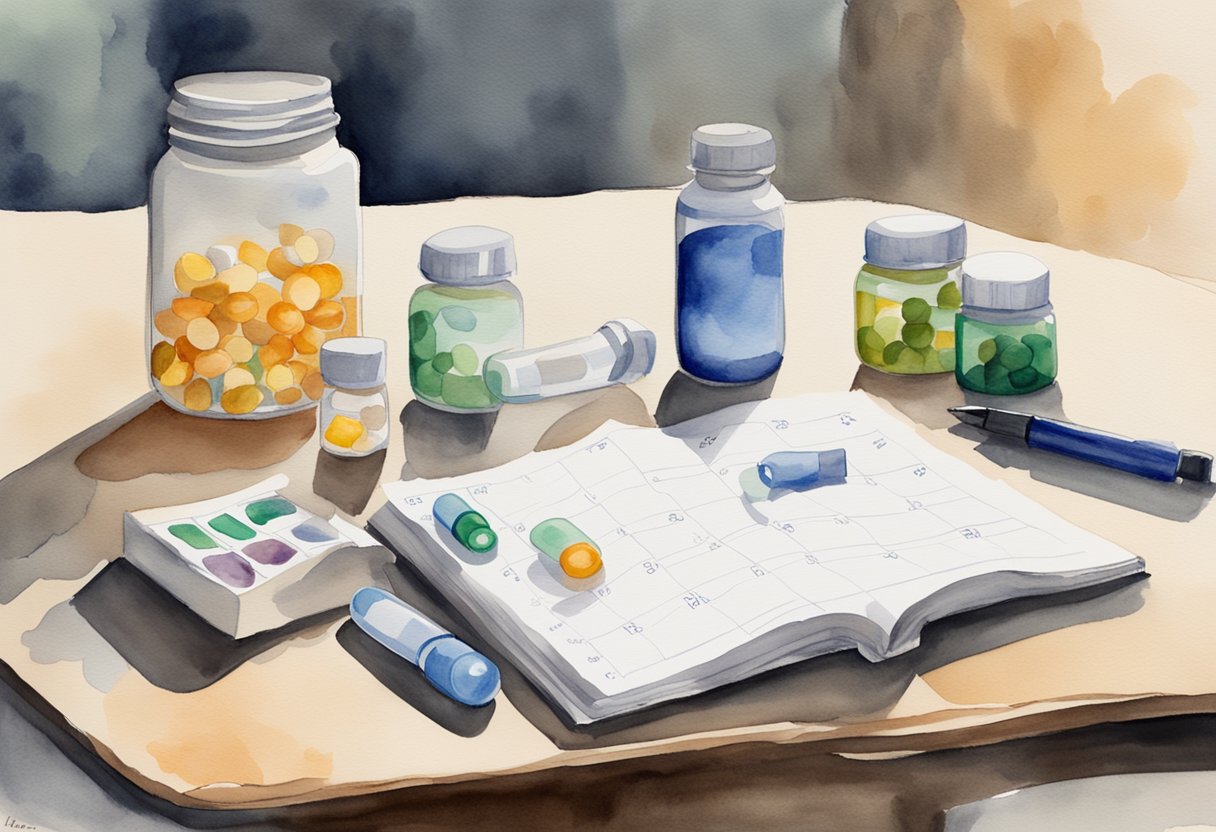
After enduring the rigors of treatment, we often confront persistent fatigue that can cling to us like a stubborn shadow. Here, we’ll focus on the medication and supplement allies that can help us in this battle.
Pharmacological Interventions for CRF
Pharmacological treatments can be potent allies against cancer-related fatigue (CRF). One promising medication is methylphenidate, which may alleviate fatigue by enhancing neurochemical modulation in our brains.
Erythropoietin may potentially aid those of us struggling with anemia, a frequent culprit behind fatigue. However, this treatment calls for careful balance and medical supervision due to its complex impact on our bodies.
For those times when fatigue seems unyielding, steroids like dexamethasone can provide a temporary boost in energy. While the lift from steroids can be significant, we must hold discussions with our healthcare teams regarding the duration of use and potential side effects.
Efficacy and Safety of Supplements
Weighing the pros and cons of supplements is essential as we seek to fortify our bodies. Ginseng emerges as a noteworthy contender. Studies imply a possible benefit in reducing fatigue for some of us, though results can vary, and quality matters.
When searching for these supplements, we champion informed choices backed by reliable studies, emphasizing quality and purity. Let’s also not overlook the fact that these supplements don’t substitute our foundational health practices but serve as potential boosters on our path to recovery.
Incorporating Rest and Sleep Strategies

Navigating post-treatment fatigue requires deliberate steps towards enhancing sleep and allowing for ample rest, which can significantly uplift our quality of life.
Importance of Restorative Sleep
We know too well that the journey doesn’t end in remission. Recovery demands restorative sleep to repair our bodies and rejuvenate our spirit. Rest is not mere inactivity but a proactive measure that bolsters our energy reserves. As survivors, we’ve experienced how consistent, quality slumber can transform weariness into wellness, especially for us men who might overlook rest in the hustle of life.
Developing Good Sleep Hygiene
It’s not just sleep but the caliber of it that defines our resurgence. Let’s talk strategies. Set a sleep schedule; consistent timing aids in regulating our internal clock. Our bedrooms should be sanctuaries – calm, dark, and quiet. Reducing screen time before bed is not a mere suggestion but a game changer. Also, exercise remains a steadfast ally; even moderate activities like a post-dinner walk can prime us for better sleep. Embrace these routines, and watch fatigue bow to persistence.
Sleep Schedule
- Set Routine: Aim for the same bedtime and wake-up time daily.
- Wind Down: Engage in calming activities before bed to signal our body it’s time to rest.
Bedroom Environment
- Keep It Cool: Around 65°F (18°C) is often recommended.
- Embrace Darkness: Use blackout curtains or a sleep mask.
- Manage Noise: Consider white noise machines or earplugs to maintain silence.
Exercise and Activity
- Stay Active: Schedule regular, moderate exercise, but avoid it close to bedtime.
- Evening Walks: A gentle stroll can aid digestion and prepare us for sleep.
Our approach to rest mirrors the tenacity we showed during treatment. We equipped ourselves with patience and adopted sleep hygiene practices as steadfastly as we tackled therapy. In doing so, we turn the tides on fatigue, sculpting it into vitality and rendering it a hurdle of the past.
Support Networks and Caregiver Engagement
As cancer thrivers, we know the journey doesn’t end at the last treatment. Our battle against fatigue is ongoing, and leaning on support networks and engaging caregivers are pivotal in managing our energy post-treatment.
Building a Supportive Environment
Establishing a supportive environment is crucial to maintaining resilience after our victories over lymphoma. Support groups offer us camaraderie, sharing the collective wisdom of those who have tread similar paths. These groups become a haven where we exchange coping strategies and learn from each other how to make functional adjustments in our day-to-day lives. We may meet peers who have mastered the art of pacing, turning rest into a strategic activity rather than a sign of weakness.
Caregivers, too, need their networks of support. Encouraging them to seek resources like the National Cancer Institute’s caregiver support can enhance their well-being as they aid in ours. Caregivers’ emotional adjustment is a shared journey; they can better help us when supported.
The Significance of Caregivers in Fatigue Management
Caregivers are our allies in battling post-treatment fatigue. Their role is multifaceted, involving subtle observation to detect changes in our energy levels and employing efficient routines that conserve our strength. Their role is salvageable through actions—we need them to help us strategize our activities and break tasks into manageable pieces.
Tailoring coping strategies specific to us and our love for sports can reignite the energy within us. A well-timed walk or a gentle game of catch in the backyard lifts our spirits and stimulates a functional adjustment to life after lymphoma.
While caregivers offer practical support and reminders for self-care, they also provide invaluable emotional backing. This emotional scaffolding can be as simple as a shared laugh or as deep as a conversation about our fears and hopes, fortifying our resolve to thrive despite fatigue.
Remember, as we navigate these changes, we create a robust structure built on support, engagement, and compassion, ensuring a smoother transition into our new normal.
Final Thoughts…
Managing fatigue after cancer treatment is like crossing the finish line and finding another race ahead. We can tackle it together. One step at a time is how we regain our strength. Gentle exercises, such as physical activity such as walking or swimming, can gradually improve our energy levels without overexertion.
It’s about balance. We schedule rest like any vital appointment, recognizing that our bodies need healing time. We listen to ourselves carefully and know when to rest—no shame in a midday nap or turning in early. Nutrition, too, plays its part. Wholesome meals fuel us much better than snacks lacking in nutrients.
We find solace in companionship, aligning ourselves with other men who’ve charted this path before. Our shared stories create a support network, each a beacon of resilience.
We take pride in each day we get through, knowing that every new dawn is a testament to our strength. Together, we forge ahead as survivors and as thrivers, looking toward a future where fatigue does not define us. Our journey continues with heart, determination, and a collective resolve to thrive against all odds. -T
Frequently Asked Questions
In our journey post-cancer treatment, we often confront lingering fatigue that can be perplexing. Thriving after cancer means understanding how to manage our energy and rebuild our strength effectively.
How can long-term fatigue be managed after completing cancer treatment?
We tackle long-term fatigue by establishing a routine that balances rest with physical activity tailored to our capacity, like taking daily walks or engaging in light sports. Consulting with our healthcare team can guide us to a bespoke plan that blends exercise with relaxation techniques.
What strategies help in overcoming weakness post-chemotherapy?
Overcoming post-chemotherapy weakness involves nourishing our body with balanced meals and staying hydrated. Engaging in physical activity, such as swimming or cycling, can also contribute to progressively rebuilding our strength.
Which vitamins and supplements are effective in combating cancer-related fatigue?
We can consider vitamins and supplements like Vitamin D and B12 to address cancer-related fatigue, but we must discuss them with our doctors before starting any new regimen. Medical advice ensures we choose options backed by evidence tailored to our needs.
What are the steps to regain energy following cancer recovery?
Retaining energy entails nourishing our body with wholesome foods, creating a consistent sleep schedule, and incorporating light exercise. All these actions work in synergy to reinforce our stamina and aid our body in healing.
How long is cancer-related fatigue expected to last once treatment has concluded?
The duration of cancer-related fatigue is variable; for some of us, it might be a matter of weeks or months, while others may experience it for a more extended period. Acknowledging this variation helps us set realistic expectations for our recovery timeline.
What options are available for cancer patients to boost their energy levels?
We have numerous options to boost our energy levels, ranging from engaging in light sports and physical therapy programs to learning energy-conservation techniques. We also focus on hydrating and eating energy-rich foods that fuel our bodies for recovery.
