

Navigating Healthcare Without a Structured Approach

Navigating the landscape of healthcare without a care plan often feels like sailing uncharted waters, especially for those who have weathered the storm of a cancer diagnosis. Crafting a detailed survivorship care plan encompassing future monitoring and assessments can be overwhelming. Some may hesitate to formulate such a plan due to a fear of facing potential health setbacks or because the process seems too complex. However, the absence of a care plan can result in missed screenings or delayed interventions crucial for ongoing health, particularly for older adults or family members acting as caregivers.
Successfully overcoming an illness such as lymphoma leaves individuals with unique insights and experiences, valuable in making informed decisions about their healthcare. A survivor who has come through cancer not just once but twice becomes an advocate for vigilant self-care and an inspiration for others. This approach proves beneficial, especially for men who often neglect regular health checks and consultations. Instead of succumbing to feelings of fear or denial, crafting a comprehensive care plan stands as a testament to one’s resilience and a proactive step towards lasting health.
Key Takeaways
- A care plan ensures vital health screenings are not overlooked.
- Personal experience with illness informs healthcare decisions and advocacy.
- Tailored care plans support older adults and families in managing ongoing health needs.
Understanding Care Plans
A care plan meticulously outlines the management strategies for an individual’s health conditions, including the evaluations and expected outcomes designed to meet their unique needs.
Importance of Individualized Care Plans
Individualized care plans serve as tailored blueprints guiding patients and healthcare providers. They encapsulate a patient’s specific health conditions, the necessary medications, and the nursing diagnosis to ensure comprehensive care. For instance, a survivor of lymphoma will have a plan structured around their requirements to prevent recurrence, which considers their medical history and personal challenges. Regular evaluation within these plans ensures the strategies employed are efficacious, leading to the desired health outcomes.
Components of a Care Plan
The core components of a care plan include:
- Nursing Diagnosis: Assessment of the patient’s health state and identification of potential or actual health issues.
- Expected Outcomes: Clearly defined, attainable health targets critical for motivating continued progress and adjustments in care.
- Medications: List and schedule medications tailored to combat specific health conditions while considering Maslow’s hierarchy of needs to support overall well-being.
- Evaluation: Regular assessment points to ensure the care plan’s effectiveness and make necessary adjustments.
An individualized care plan for a male lymphoma survivor might prioritize regaining strength and emotional well-being, considering his history and proposing activities aligning with his interests in sports. This proactive approach can help facilitate recovery and adapt to a life where health, once threatened, can now thrive through vigilant management and support.
Assessment and Evaluation
In the context of survivorship, particularly for men who have faced lymphoma, assessment and evaluation form the backbone of continued health monitoring post-treatment.
Patient Assessment
Assessment is a comprehensive process tailored to each survivor’s experience. It goes beyond routine checks to encompass a holistic view of an individual’s well-being. Survivors often undergo a Pain Assessment to manage discomfort and improve quality of life. This is crucial, as pain can mask or mimic other issues. Health Conditions, both physical and mental, also receive attention, with specialized screenings for Depression and Anxiety. For those navigating the aftermath of lymphoma, regular assessment becomes a tool for empowerment.
| Aspect | Method of Assessment |
|---|---|
| Physical Health | Clinical exams; Vital signs monitoring |
| Emotional Well-being | Psychological evaluations; Patient surveys |
| Lifestyle Factors | Dietary and activity level assessments |
Evaluation Plan
The Evaluation Plan provides a personalized pathway for monitoring and responding to a survivor’s needs. It recognizes that each faces a unique journey and that what works for one may not suit another. A standout strategy tackles the nuances of Chronic Health Conditions that may develop or persist, ensuring each survivor has a clear roadmap for health management.
- Review intervals: These are established to track progress and adapt the care plan as needed.
- Survivor feedback: I listened to feedback from survivors to refine the care plan, encouraging agency in their care narrative.
These strategies offer support tailored to the individual, acknowledging the breadth of experiences faced by men recovering from cancer.
Health Insurance and Costs
Navigating the complexities of health insurance is crucial for balancing health needs and financial stability. Key to this balance is a clear understanding of coverage options and strategies to manage costs effectively.
Understanding Health Coverage Options
Health insurance can be obtained through employer-provided plans, Medicare, Medicaid, and individual policies on Affordable Care Act marketplaces like Healthcare.gov. Individuals and families can compare different marketplace plans during the open enrollment period. Financial assistance through premium tax credits and cost-sharing reductions may be available for those who qualify based on income.
- Medicare: A federal program mainly for those 65+ or with specific disabilities.
- Medicaid: State and federal program for low-income individuals and families.
- Private insurance: Can be purchased outside government marketplaces but may not qualify for subsidies.
Managing Care Plan Costs
Keeping health insurance costs in check demands attention to key financial terms. The premium is the regular payment to maintain your insurance coverage. Meanwhile, the deductible is paid out-of-pocket before insurance starts covering services. Additionally, out-of-pocket costs include copays and coinsurance the insured is responsible for after the deductible is met.
- Premiums:
- Monthly cost
- It can vary by plan type
- Deductibles:
- Paid before the plan pays
- Higher deductible plans often have lower monthly premiums
Individuals can better manage their healthcare expenditures by selecting a plan that balances premiums with out-of-pocket expenses. For men who have faced illnesses such as lymphoma, the clarity of how they can handle future monitoring costs without the additional stress of financial uncertainty can provide a solid foundation for recovery and well-being.
Planning and Prioritization

Successful care outcomes hinge on diligent planning and setting clear priorities. Tailoring a plan to meet patient-specific needs while considering varying resource availability requires expertise and structured methodologies.
Setting Priorities in Care
Prioritization in healthcare involves aligning treatment and care with the patient’s most pressing needs. Clinicians often refer to Maslow’s hierarchy of needs when organizing care to ensure a foundational approach. In the context of cancer survivorship, this may mean addressing physiological needs, such as managing post-treatment pain, before progressing to psychological or emotional support. For male survivors, who may grapple with both the stigma of expressing vulnerability and the physical aftermath of cancer, this can be particularly pertinent.
- Immediate Needs: They must take precedence, with essentials such as pain control and wound care often at the forefront.
- Subsequent Needs: Once stable, attention shifts to ongoing physical recovery and the psychological impact of recovery.
Establishing Goals
Articulating SMART goals—specific, measurable, attainable, relevant, and time-bound—is vital in care planning. Patients, like those battling lymphoma, often bear insights from their journey, promoting goals that resonate with recovery and long-term health. For these men, goals frequently focus on regaining strength and returning to daily routines, including work and leisure activities, which may encompass a range of sports.
- Client Goals
- Specific: Clearly define what recovery or health maintenance looks like.
- Measurable: Identify progress markers, such as energy levels or physical activity benchmarks.
- Attainable: Set realistic steps, considering the individual’s circumstances.
- Relevant: Tailor goals to align with personal values and interests, like a return to a cherished sport.
- Time-Bound: Establish a timeline for reassessment and adjustment of the care plan.
By adhering to a structured, patient-centered approach, healthcare providers can organize and prioritize care effectively, ensuring each step serves the patient’s defined objectives.
Implementation and Documentation

In the implementation phase, the focus is on executing personalized interventions and documenting outcomes meticulously.
Executing the Care Plan
When an individual embarks on the journey to recovery from lymphoma, cluster care becomes a cornerstone of their treatment. This integrated approach allows for multiple therapeutic actions to be coordinated at once, cutting down on patient exhaustion and maximizing the efficacy of each visit. Nurses play a pivotal role in providing this cluster care, scheduling necessary medical management in a way that respects the patient’s time and energy levels. They tailor the nursing interventions to each person’s unique needs, ensuring a smooth transition through the various stages of healing.
Documenting the Process
Documentation serves as a narrative of the patient’s journey, capturing the nuanced details of their recovery. For men with lymphoma, recording each step provides a clear path of progress and a detailed account of interventions. Nurses meticulously log every aspect of care—from medication administration to emotional support. This record is not only a testament to the patient’s resilience but also a logistical tool, aiding in the seamless coordination of ongoing care and future monitoring for those who have faced the trials of lymphoma not once but twice.
Special Considerations for Older Adults

Older adults face unique challenges that necessitate specialized strategies in health management, particularly in fall prevention and managing ongoing health conditions.
Fall Prevention and Safety
For older adults, ensuring home and community safety is crucial to preventing falls—a frequent and often severe hazard. Tailored interventions can significantly reduce the risk.
- Home Adaptations: Installing grab bars, improving lighting, and removing trip hazards.
- Physical Activity: Encouraging regular exercise to maintain strength and balance.
Managing Chronic Health Conditions
Older individuals often grapple with persistent health conditions that require careful, continuous management.
- Medication Management: Simplifying regimens can prevent misuse and interactions.
- Regular Health Monitoring: Frequent checkups can keep track of any changes that might signal a need for adjustments in care.
Legislation and Healthcare Policy

Healthcare in the United States has undergone significant shifts with legislation like the Affordable Care Act (ACA) and recent changes introduced by the Biden administration, impacting Medicaid and overall healthcare outcomes.
The Affordable Care Act and Medicaid Expansion
The Affordable Care Act, commonly known as the ACA, initiated a comprehensive approach to health reform. Its primary ambition was to increase insurance coverage, enhance healthcare quality, and curtail unmanageable costs. A pivotal element of the ACA was the Medicaid expansion, designed to cover a broader spectrum of low-income Americans by increasing income eligibility limits. As a result, states that opted for expanding Medicaid observed substantial decreases in uninsured rates and improved access to care.
Healthcare Policy Changes Under Biden Administration
The Biden administration has focused on strengthening the ACA and addressing gaps in health insurance coverage. Their measures include improving healthcare enrollments by streamlining the process for Medicaid and the Children’s Health Insurance Program (CHIP). Moreover, Biden’s policy interventions aim to lower healthcare costs for Americans and extend protections, as demonstrated by actions to protect consumers from inadequate insurance plans and reduce unexpected medical bills. This strategy emphasizes transparent, equitable healthcare policy that pledges to foster better clinical and financial outcomes.
Navigating Healthcare Services
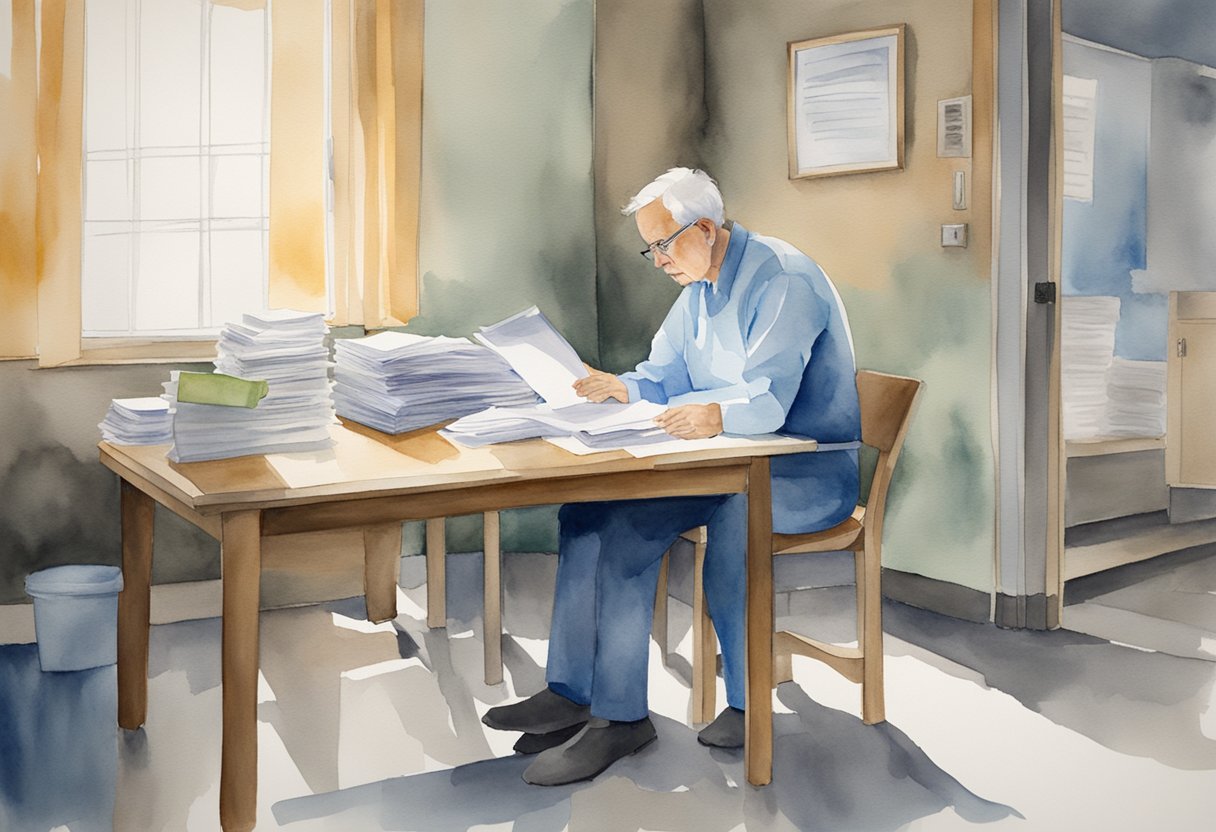
Navigating healthcare services often requires understanding the roles of various providers and the support systems in place. Effective management of care is crucial following significant health events like surviving cancer.
Role of Healthcare Providers
Healthcare providers act as the navigators in the journey of post-treatment life. They orchestrate follow-up care, routine checkups, and any necessary medical interventions. Providers, including doctors and nursing care professionals, are also responsible for ensuring that the survivor understands his post-treatment needs and the signals that may indicate emergency room visits or hospitalizations. A home nurse aide can be instrumental for those who require continuous medical attention at home, assisting with medication management and providing direct care.
Family and Caregivers in Care Planning
Family members and caregivers are the unsung heroes in a cancer survivor’s life. They are emergency contacts, caregivers, and active participants in ongoing patient care, often coordinating with healthcare providers to maintain a cohesive care plan. Collaboration between these individuals allows for a more dynamic and supportive environment, easing the burden of medical diagnosis and management.
In inclusion, they provide the emotional backbone often needed for resilience and recovery. They often help manage the logistics associated with healthcare, such as arranging transportation to appointments and managing at-home care specifics.
In cases of cancer survival, particularly among men who have faced lymphoma, the support network’s involvement can significantly influence the willingness to adhere to recommended survivorship care plans. Each individual’s journey is unique, characterized not just by the clinical aspects of care but also by the depth of human relationships and understanding that forms the fabric of their ongoing recovery and health monitoring.
Final Thoughts…
Survivors often face hesitancy in constructing care plans post-treatment, particularly men who’ve battled lymphoma. For some, plotting out future health monitoring is a glaring reminder of their vulnerability. In these cases, resilience sometimes manifests as an avoidance strategy — a refusal to dwell on the prospect of recurrence. These individuals may adopt a day-by-day approach, finding strength in focusing on the present.
Others cite restraints such as time and the perception of cumbersome medical bureaucracy. The assumption that follow-up care might be inordinately complex can discourage initial engagement with survivorship planning.
A striking contrast can be seen in those who utilize their recovery journey to mentor peers. Drawing on a wealth of personal experience, they often participate in sport-based programs, channeling the discipline and camaraderie of athletic endeavors into their support for others navigating similar paths. Through mutual encouragement, they galvanize fellow survivors to engage with ongoing health management proactively.
Care plans should consider lifestyle modifications that reflect individual interests, perhaps integrating routine screenings with regular activities. For example, pairing visits to the oncologist with basketball league games might instill a sense of normalcy in a survivor’s routine.
This approach underscores a survivor’s fortitude and potential to influence others in their community positively. By demonstrating that life post-cancer can be not just manageable but also fulfilling, they light a beacon of hope for men still grappling with the repercussions of their illness. -T
Frequently Asked Questions
These questions delve into the practicalities and methodologies of nursing care plans, providing clarity and insight for enhanced patient care.
What is the primary purpose of having a nursing care plan?
A nursing care plan is a detailed roadmap guiding nurses in delivering personalized, patient-centric healthcare. It ensures that every facet of an individual’s care is meticulously planned and executed.
How does a nursing care plan contribute to patient care?
Through this document, nurses coordinate and document care strategies, which directly impact patient outcomes by promoting consistent, quality care tailored to the patient’s unique needs.
What are the steps involved in writing a compelling nursing care plan?
Crafting an effective nursing care plan begins with assessments, diagnosing patient needs, planning outcomes, implementing care, and concluding with evaluating patient responses.
Can you provide free examples or templates for nursing care plans?
While specific examples and templates can be beneficial, nurses can access a variety of free examples and templates online to streamline the creation of individualized care plans.
How frequently do nurses utilize care plans in clinical practice?
Nurses regularly refer to and update care plans, ensuring they remain dynamic tools that reflect the patient’s evolving health status throughout their healthcare journey.
What are the key components of a nursing care plan for managing hypertension?
Nursing care plans for hypertension typically encompass patient education, routine monitoring, medication management, dietary modifications, and lifestyle changes to manage blood pressure effectively.
