

Embracing the Journey as a Cancer Thriver

I remember the day I received my lymphoma diagnosis; the world seemed to pause for a moment. Yet here I am, having weathered the storm not once but twice. Through these trials, I’ve learned that resilience is more than enduring; it’s about crafting a life defined not by cancer but by the strength and optimism we muster in its wake.
My journey has shown me that embracing a hopeful outlook can profoundly affect recovery and quality of life.
In this fight, allies are paramount—family, friends, and fellow survivors form a network that bolsters our spirit. I unearthed a well of support I never knew existed, and it proved vital in navigating the complex paths of treatment and rehabilitation.
For us men facing this challenge, sharing experiences and providing solace to one another play a significant role in our collective healing. I learned to adjust my lifestyle to survive and thrive, turning to sports as a cornerstone of my rehabilitation and a source of joy.
Key Takeaways
- A hopeful outlook can impact recovery significantly.
- Support networks are crucial for emotional and practical assistance.
- Active lifestyles and engaging in sports aid in overall well-being.
Understanding Your Diagnosis
When faced with a diagnosis of cancer, grasping the medical intricacies and interpreting your diagnostic results are critical steps. These provide clarity on what lies ahead and guide your journey forward.
Medical Perspectives on Cancer
As someone who has triumphed over lymphoma not once but twice, I know that a cancer diagnosis is not just a medical condition; it’s a life-altering moment steeped in complexity. Each cancer, whether it’s prostate cancer or another form, comes with specific risks and probabilities.
The terminology carries weight: benign versus malignant, staging, and grading—terms that outline the severity and spread within the body. For example, stage II prostate cancer indicates a tumor limited to the prostate, while stage IV suggests extend beyond the original site.
Prostate cancer, in particular, is often gauged by a Gleason score, which assesses the aggressiveness of cancer cells. A higher score signifies more aggressive cancer. These medical assessments serve as a compass, guiding treatment options and informing you about the journey ahead.
Interpreting Diagnostic Results
The moment I heard, “You have cancer,” my world paused. I became a number, a case, a statistic—but my determination to understand these numbers breathed hope into that identity. Diagnostic results often include levels of prostate-specific antigens (PSA) for prostate cancer, revealing the presence and activity of the disease.
Deciphering these figures was crucial. For example, a rising PSA might indicate a recurrence, necessitating prompt action. My own experiences taught me that knowledge is a lifeline. Learning to read these numbers meant I could engage in informed discussions with my doctors and actively participate in decisions about my health. It was about lifting the veil on the unknown and asserting control where I could.
Grasping these medical views and interpreting my test outcomes was undeniably a turning point. It equipped me with the tools to face the condition head-on and, equipped with that knowledge, make decisions that laid the groundwork for a recovery shaped by perseverance and a deep understanding of the path I would take.
Developing a Positive Mindset
Navigating a cancer journey demands a resilient spirit. Embodying a positive mindset directly influences my daily joys and long-term healing. Here’s how I cultivated optimism and harnessed hope after my encounters with lymphoma.
Cultivating Optimism
Daily Affirmations: I start each morning by reflecting on my strengths. These affirmations are short, personal declarations that steer my thoughts toward positivity. Simple statements like “I dare to face my challenges” transform my outlook and set a hopeful tone for the day.
Surrounding Influences: The company I keep plays a crucial role. I align myself with individuals who radiate positivity. They are evidence that a vibrant life post-cancer isn’t just possible; it’s within reach. I absorb their strength, and it fuels my optimism.
Harnessing Hope and Inspiration
A vision of the Future: I keep focused on my aspirations, visualizing life victories – mastering a new skill or celebrating another year of health. This vision isn’t a distant dream but a series of achievable steps, like training for a charity marathon or planning adventurous treks with fellow survivors.
Stories of Triumph: Listening to tales of others who have thrived post-diagnosis offers me immense hope. Their narratives resonate with me, instill a sense of kinship, and inspire my journey. Men who have stood firm against cancer remind me that I am not alone in this fight.
I have lived through dark days and witnessed first-hand that a positive attitude, while sometimes challenging to maintain, acts as a beacon for others. The optimism I project helps me connect with fellow men on this path and allows me to foster hope within my community.
My experience has taught me that through positive thinking and by maintaining a steady mood of confidence, I support not only my recovery but also encourage those around me on their cancer journeys.
Treatment and Side Effects

The path to recovery begins with understanding the intricacies of treatments and managing the accompanying side effects.
Exploring Treatment Options
In my journey through lymphoma, I learned that each cancer treatment plan is tailored. Chemotherapy, amongst the most prevalent methods, targets the disease with powerful medication. Treatment effectiveness varies, which means frequent consultations with oncologists are crucial. They provided me with a map of treatment options, considering factors unique to my case.
Mitigating Pain and Discomfort
Throughout my treatments, pain, and discomfort were frequent companions. However, embracing palliative care early helped me tremendously. Pain management specialists focused on alleviating my symptoms, prescribing treatment side effects relief protocols that included medication and various therapies. They helped me maintain my vigor, allowing me to continue with hobbies like swimming, which kept my spirits and strength afloat.
Support Systems and Caregiving
A robust support network can profoundly impact your journey as a cancer thriver. Friends, family, professional caregivers, and support groups are pivotal in providing the care and emotional backing necessary for a resilient recovery.
The Role of Family and Friends
My family and friends stood as my unwavering foundation throughout my battle with lymphoma. They offered emotional solace and stepped in for practical needs such as transportation to treatments, handling household chores, and managing appointments. Each action, small or big, reinforced my resilience and allowed me to focus on my recovery.
- Emotional Support: Provided constant encouragement, listened, and joined me in celebrating victories.
- Practical Assistance: Helped with routine tasks, ensuring I never felt overwhelmed.
- Advocacy: Acted on my behalf with healthcare providers to make sure my needs were met.
Professional Care and Support Groups
Professional caregivers and support groups provided expertise and community that enriched my understanding of lymphoma and its management. Oncology specialists guided me with tailored treatment plans, and nurses offered care that precisely met my medical requirements.
Professional Care:
- Oncologists: Crafted my treatment roadmap, focusing on innovating for better outcomes.
- Nurses Became my allies in managing side effects and ensuring comfort.
Support Groups:
I found camaraderie and understanding through support groups that connected me with other men facing similar challenges. We exchanged strategies for coping with the physical and mental demands of cancer, leaning on each other for strength.
- Peer Experiences: Sharing stories and tips from a male perspective created a sense of brotherhood.
- Insightful Discussions: We tackled personal identity and maintaining vigor during recovery.
By integrating a mix of personal connections and specialist resources, I crafted a comprehensive support system that nurtured my journey to becoming a cancer thriver.
Lifestyle Adjustments and Rehabilitation
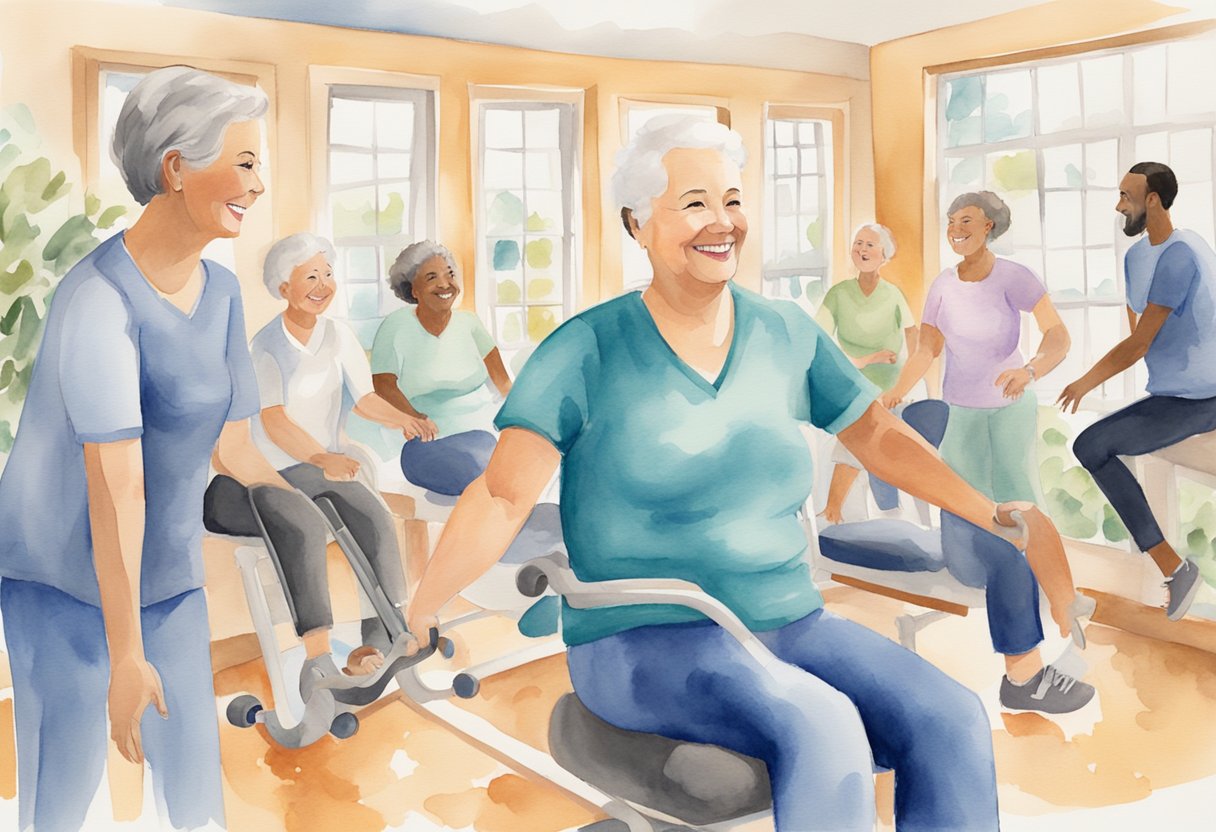
After beating lymphoma, I realized the impact lifestyle changes and dedicated rehabilitation services have on recovery. Thriving post-cancer involves a disciplined approach to daily habits, with a strong support system of health professionals.
Diet, Exercise, and Physical Activity
Proper nutrition and regular physical movement form the cornerstone of my recovery. Consulting with a dietitian tailored my diet to meet my unique needs, enhancing my body’s resilience. Exercise isn’t just about lifting weights; walking is a gentle yet effective way to regain strength and build stamina.
Physical activity, though challenging, was never out of reach. I started slow, focusing on consistent, light activities such as short walks, gradually increasing the intensity as my endurance and health improved.
Cancer Rehabilitation Services
The road to regaining full function was paved with the expertise of rehabilitation services. Physical therapists worked with me to restore my physical capabilities. They guided me through exercises that improved both my balance and muscle strength.
Occupational therapists played a crucial role in my day-to-day functionality. They helped me relearn how to perform daily tasks efficiently, reducing strain and preventing injury. These professionals offered more than just therapy; they provided a sense of hope and a path back to independence.
My story might resonate if you’re a fellow survivor, especially men facing this journey. Stay grounded in the reality of the challenge, but know that with perseverance and the right support, regaining control over your life is within reach.
Emotional Well-Being and Coping Mechanisms

In the journey of overcoming cancer, fostering emotional well-being is paramount, and finding effective coping mechanisms can make a significant difference in our day-to-day lives.
Managing Stress and Anxiety
I remember when the weight of uncertainty hung over me; it was crucial to manage stress and anxiety. Strategies I adopted included mindfulness training and cultivating a network of emotional support. Mindfulness practices, such as deep breathing exercises and meditation, helped me remain present and reduce stress.
My support network, comprising fellow survivors and understanding friends and family, served as a sounding board and a source of constant encouragement. I also found relief by staying physically active, channeling my energy into activities like swimming and jogging, which provided a dual benefit for my physical recovery and mental clarity.
Navigating Emotions and Mental Health
Dealing with cancer catapulted me into a rollercoaster of emotions, swirling from hope to fear, and it took a toll on my mental health. To navigate this, I learned to express my emotions openly and seek help promptly when feelings of depression or anxiety surfaced. Professional therapy was a game-changer, giving me tools to process my feelings healthily.
Additionally, partaking in supportive group settings with other men facing cancer journeys validated my experiences and provided solace. Simple practices like daily affirmations reinforced my resilience and helped me maintain a positive outlook.
Recognizing that each day brings a chance to grow physically and emotionally stronger can transform the arduous path into a story of triumph.
Survivorship and Future Outlook

The journey through cancer involves navigating recovery and preparing for life’s uncertainties with strength and foresight.
Living Beyond Cancer
Overcoming lymphoma has taught me that life after cancer holds new meanings of strength and vitality. As survivors, we adapt to life’s rhythms, cherishing every victory, whether it’s resuming work or engaging in sports we love. We seek balance, aiming for a quality of life that resonates with our refreshed perspective. The resilience across the transition to cancer survivorship becomes a daily practice of affirmations and gratitude, strengthening our will to thrive.
Preparing for Recurrence and Long-Term Care
My experience with recurrent lymphoma has honed my vigilance in long-term care and preparedness. Men facing cancer, like me, often consider the practical aspects: maintaining follow-up appointments, understanding potential long-term side effects, and having plans for quick action if a recurrence threatens our survival.
This proactive approach shapes a future outlook where we stand ready, informed, and resilient in adversity. We manage our health as a coach who strategically leads a team with an unwavering commitment to success.
Final Thoughts…

Reflecting on my journey through not one but two lymphoma diagnoses, I’ve come to recognize the incredible resilience and strength that we, as men, can muster in the face of adversity.
My experiences taught me to harness the power of affirmations to speak life into my daily battles. They serve as a steadfast companion, a reminder to maintain a forward-looking mindset during recovery.
Through my trials, I built a repository of mantras that bolstered my resolve. I want to share a simple yet effective daily affirmation table to encourage other survivors.
| Morning | Midday | Evening |
|---|---|---|
| Today, I choose health. | I am a force of life. | Peace fills my night. |
I frame each day with these affirmations, speaking strength into existence with every dawn and drawing tranquility around me as dusk falls. This practice keeps spirits high and the body engaged in healing.
In our shared walk through cancer’s shadow, we discover not only what we’re made of but also the immense collective support we possess. My openness about this struggle helps forge a path for others, demonstrating that recovery is a personal triumph and a chance to light the way for fellow fighters.
I wish to pass on this baton of hope and resilience to every man grappling with cancer to show that thriving is achievable. Let’s all pledge to exemplify vitality and positivity as the blueprint for our survivorship. -T
Frequently Asked Questions
Surviving lymphoma not once but twice has taught me the undeniable value of maintaining a resilient mindset. These strategies can serve as beacons of hope for men navigating this journey.
What strategies can encourage positivity in individuals battling stage 4 cancer?
I found solace in activities that grounded me in the present moment, such as meditation and connecting with nature, echoing findings from research that highlight managing side effects and emotions through various techniques.
Does maintaining a positive outlook impact the prognosis of cancer patients?
Medical professionals I met consistently emphasized a healthy mindset’s role. I witnessed peers who adopted a constructive attitude handle treatment better, aligning with studies suggesting lifestyle choices can influence outcomes and improve the odds of survival.
What are some practical ways for cancer survivors to become thrivers?
We are transitioning into a thriver involved in embracing regular exercise and fostering community connections, which research corroborates, presenting benefits such as improved strength, mood, and self-esteem.
Are there documented cases of patients who have survived stage 4 cancer, and what can we learn from them?
Yes, I am one. These narratives often share a thread of relentless perseverance and proactive involvement in their treatment plans. They highlight the power of support networks and informed decisions, paving the way for others to follow.
What measures can enhance the longevity of life after a cancer diagnosis?
Post-diagnosis, I heeded advice to manage my health care mindfully, prioritizing persistent medical follow-ups as suggested by organizations like the American Cancer Society.
How can cancer patients foster resilience throughout their treatment journey?
I learned to cultivate resilience by setting achievable goals, embracing a passion for life beyond cancer, and choosing the company of those who uplifted me, underscoring the role resilience plays in any recovery path.
