

Capturing Life Beyond Diagnosis
Surviving cancer is a journey filled with challenges, triumphs, and unforgettable moments. For us, men who have battled lymphoma twice, photography offers a unique lens through which we can capture and celebrate life’s beauty.
It’s not just about snapping pictures; it’s about documenting our path and finding hope in each frame.
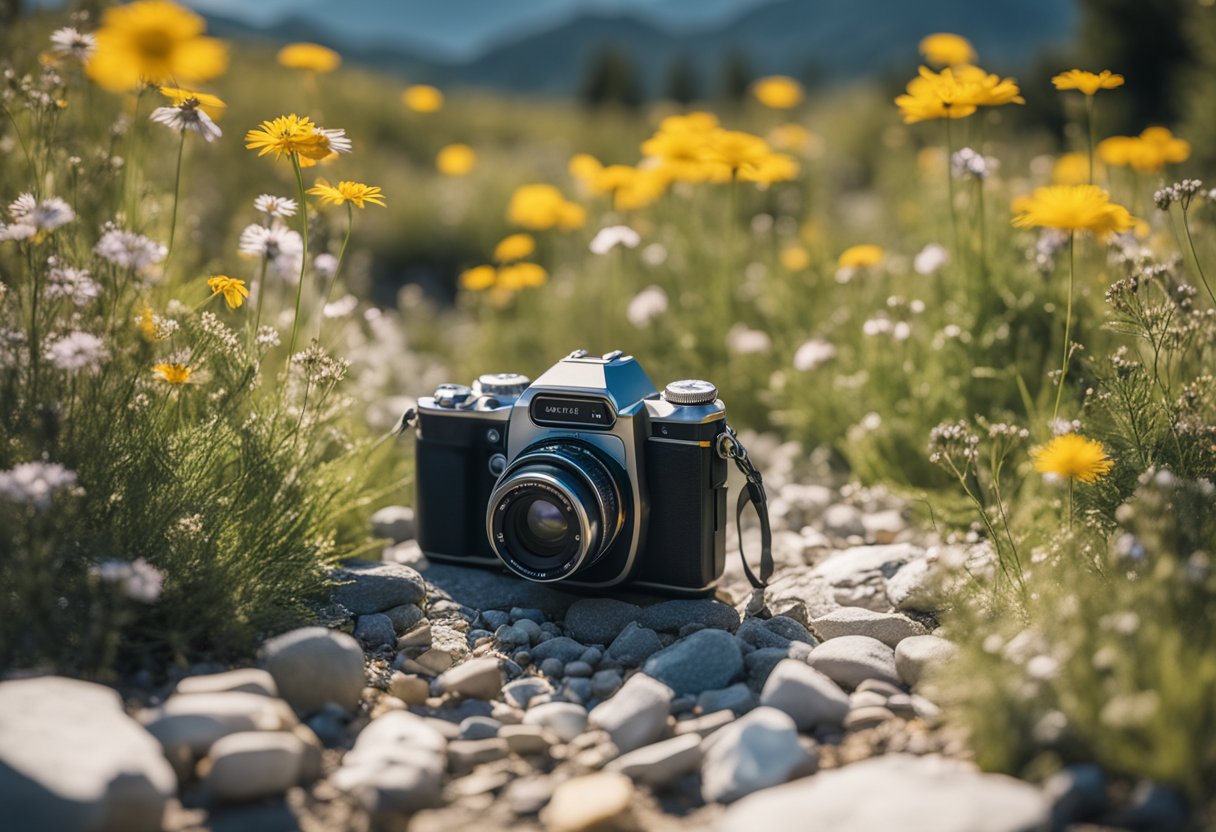
Photography empowers cancer thrivers to view the world with renewed purpose.
The act of taking photos helps us to cherish everyday moments and find strength in our surroundings. By embracing this creative outlet, we can share our experiences, inspire others, and build a supportive community.
We often say that our scars tell stories of battles fought and won. Through photography, we can turn these stories into visual narratives.
With every camera click, we capture an image and a testament of resilience and hope.
Key Takeaways
- Photography helps cancer thrivers capture life’s beauty.
- Documenting our journey through photos inspires and builds a support community.
- Every captured moment tells a story of resilience and hope.
Understanding Cancer
Understanding cancer is essential for anyone on a journey through diagnosis and treatment. It involves recognizing types and stages, emotional impacts, and treatment options.
Types and Stages of Cancer
Cancer comes in many forms and affects different body parts. The most common types include lung, prostate, and skin cancer.
Each type of cancer is unique in how it grows and spreads. The stage of cancer indicates how advanced it is.
Stage I means the cancer is small and contained. By Stage IV, it has spread to other organs.
Diagnosis and Its Emotional Toll
A cancer diagnosis brings various emotions, from fear to hope. When I was diagnosed, fear gripped me.
We need emotional strength to face the reality of cancer.
Oncology teams provide support, but it’s crucial to have a robust personal support system.
Coping mechanisms like photography can bring solace. Simple activities help manage stress and anxiety during this challenging time.
Treatment Modalities in Oncology
Cancer treatment has advanced dramatically. Options include surgery, chemotherapy, and radiation therapy. Treatments vary based on cancer type and stage.
Our oncology team tailors treatments to our needs, aiming to destroy cancer cells while preserving our quality of life.
Sometimes, combining treatments yields the best results. Understanding these modalities encourages informed decisions about our care.
The Cancer Thriver’s Path

Living as a cancer thriver is about embracing the new lease on life provided by remission and fostering hope and strength during the journey. Here’s how we navigate this path with courage and resilience.
Embracing the Term Thriver
Embracing the term thriver rather than survivor acknowledges our ongoing journey. It’s not just about living; it’s about thriving despite the challenges.
This mindset empowers us to take control of our narrative and find meaning beyond the diagnosis.
For many men, this can shift their focus from merely enduring treatments to actively engaging in activities that bring joy and fulfillment.
Photography has played a crucial role in this shift, allowing us to capture and cherish the beauty of our daily lives.
Adopting this term also fosters a support network of like-minded thrivers, offering mutual encouragement and shared experiences.
Maintaining Hope and Strength
Maintaining hope and strength during our journey requires a proactive approach.
Setting small, achievable goals helps retain a sense of normalcy and accomplishment.
Whether a daily walk or more rigorous activity, exercise boosts our physical and mental well-being.
Finding inspiration through hobbies, like photography, keeps our spirits high.
It gives us a creative outlet to express our experiences and connect with others.
Sharing our photos and stories can also inspire other thrivers, reinforcing a community of hope and resilience.
It’s crucial to seek support when needed. Whether through therapy, support groups, or talking with loved ones, recognizing that we don’t have to face this alone strengthens us.
By fostering a hopeful outlook, we continue to push forward, celebrating each milestone and moment of joy.
Holistic Health and Wellness

Holistic health and wellness are vital for those of us who have faced cancer. The journey requires mental, emotional, physical, and nutritional support to thrive.
Mental and Emotional Recovery
Our mental and emotional health can significantly shape our recovery journey.
Focusing on positive thinking and stress reduction techniques is key.
Connecting with support groups and therapy can help us process our emotions.
Meditation and mindfulness practices help us stay present and calm.
We must allow ourselves to feel and release emotions by journaling or seeking therapy.
Personalized mental health plans can make a big difference.
These plans often include counseling, peer support, and sometimes spiritual guidance.
Comprehensive emotional care can empower us to face each day with courage.
Physical Rehabilitation and Yoga
Rebuilding physical strength is as crucial as mental recovery.
Engaging in physical activities like yoga can play a huge role.
Yoga helps improve flexibility, balance, and muscle strength.
Gentle stretches and poses aid in muscle recovery without putting too much strain.
Specific exercises can target areas weakened by treatment.
Incorporating yoga into our routine benefits not only our body but also our mind.
Additionally, other forms of exercise, like walking and swimming, can be adapted to our energy levels and abilities.
Regular physical activity can help alleviate fatigue and enhance our overall quality of life.
Nutritional Support Through the Journey
Nutrition fuels our body’s recovery processes.
Eating a balanced diet rich in fruits, vegetables, lean proteins, and whole grains is essential.
We should include foods that boost our immune system and provide ample energy.
Hydration also plays a critical role in keeping our bodies functioning efficiently.
Consulting with a nutritionist can help tailor our diet to meet our needs and manage treatment side effects.
Supplements may be necessary to fill nutritional gaps.
Ensuring we receive the proper nutrients can support our body’s healing and improve our well-being.
Making mindful food choices allows us to participate actively in our recovery and overall health.
Medical and Surgical Interventions
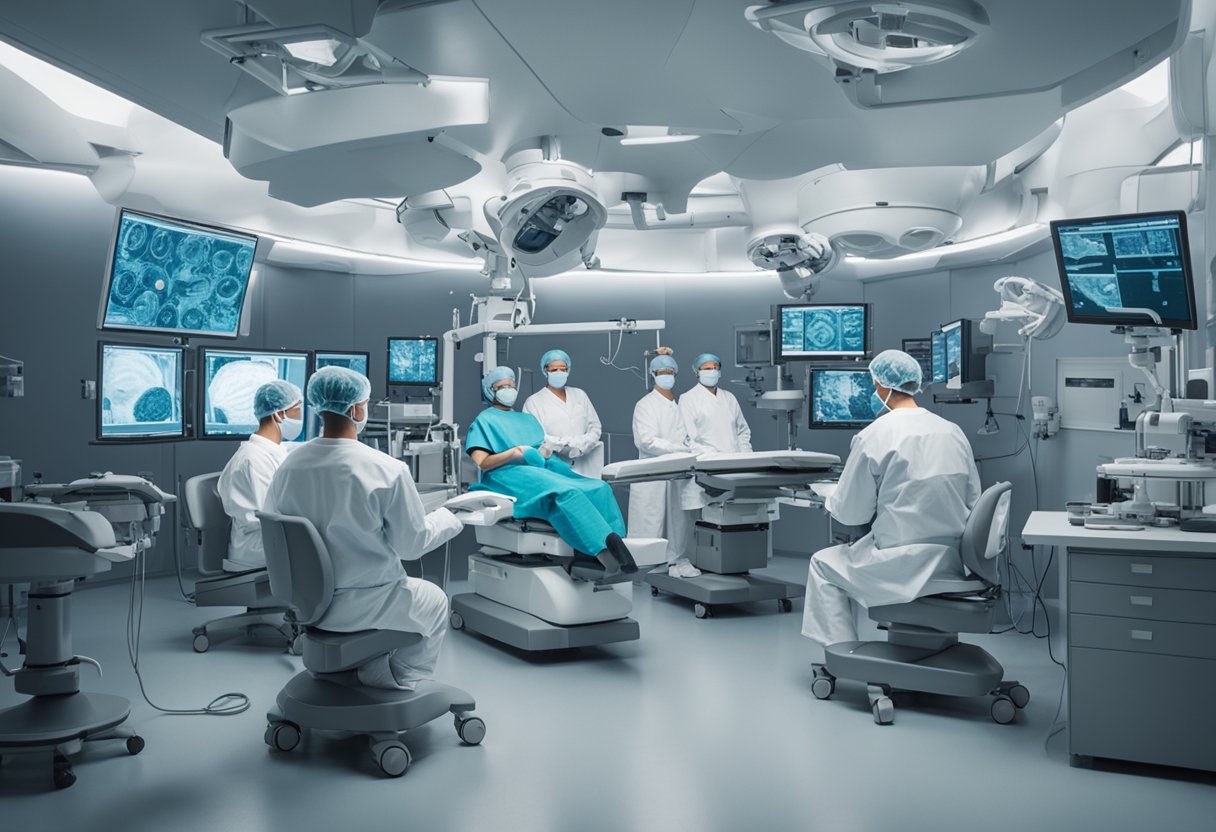
Looking into medical and surgical interventions, we gain insight into the choices and treatments available to men battling cancer. This section covers various surgery types, chemotherapy, and radiation and explores Western and alternative therapies.
Surgery: Types and Decisions
Surgery can be a crucial step in treating cancer.
Types of surgical procedures vary based on the cancer type and stage.
For some, a biopsy is necessary to get tissue samples. Others may need more extensive surgery, such as a tumor resection, to remove affected areas.
The tumor’s location, size often influence decisions about surgery, and how far it has spread.
Doctors might suggest minimally invasive procedures like laparoscopic surgery, which involves small incisions, resulting in shorter recovery times.
Open surgeries might be required for larger tumors or difficult-to-reach areas.
Surgeons often collaborate with oncologists to determine the best approach, ensuring it aligns with the patient’s treatment plan.
Surgical interventions often include discussions around potential side effects and recovery expectations to help us prepare for the journey ahead.
Chemotherapy and Radiation
Chemotherapy uses drugs to destroy cancer cells.
These can be administered intravenously, orally, or through injections.
Side effects can include nausea, fatigue, and hair loss.
Oncologists adjust dosages to maximize effectiveness while minimizing side effects.
Radiation therapy targets cancer cells with high-energy rays.
This method aims to damage the cancer cells’ DNA and stop their growth.
External beam radiation is standard for many types of cancer, using machines outside the body to direct radiation.
Both treatments might be used before surgery to shrink tumors or kill remaining cancer cells.
These treatments are tailored to each patient’s needs, often combining both to achieve the best outcomes. Managing side effects through medications and supportive care is part of the process.
Western Medicine and Alternative Treatments
Western medicine often leads the primary fight against cancer, providing systematic and research-backed treatments.
Options include immunotherapy, which boosts the immune system to fight cancer, and targeted therapy, which attacks specific cancer cells without harming normal cells.
Alternative treatments can complement traditional methods.
These may include acupuncture, yoga, and herbal supplements.
They aim to improve quality of life, alleviate symptoms, and reduce stress.
While not replacements for conventional treatments, they offer additional avenues for those seeking a holistic approach.
Combining both forms provides comprehensive care.
It’s essential to discuss any alternative treatments with healthcare providers to ensure they align with the medical plan and don’t interfere with conventional therapies.
Balancing these treatments can be a crucial part of our cancer journey.
Living with the Marks of Cancer
Living with cancer means facing physical and emotional marks that can last a lifetime. These impacts influence our body image and decisions about our future, including fertility.
Coping with Scars and Body Image
Scars tell a story. Our bodies change, and adapting to these differences can be challenging.
Sometimes, looking in the mirror brings fear or sadness.
Photography can be a powerful tool. By capturing our scars through the lens, we see them differently.
They become symbols of strength, moments frozen in time.
Support from friends and family is vital. Sharing our experiences helps.
Additionally, joining support groups with others who understand can help us accept our new reality.
Fertility and Future Planning
Cancer treatments often affect fertility. For many of us, this adds a layer of anxiety about the future.
Making informed decisions about family planning becomes crucial.
Discussing options with a healthcare provider is essential.
Fertility preservation methods exist, and understanding them helps us prepare.
Freezing sperm or eggs before treatment is a common approach.
Having a clear plan provides comfort. Knowing our options allows us to focus on recovery without worrying about what lies ahead.
By facing these challenges head-on, we control our narrative. We embrace living fully despite the marks left by cancer.
Advocacy and Support Networks
Finding and engaging with supportive communities has been vital for us. These networks provide education, resources, and emotional support through various initiatives.
Finding and Building Community
Building a supportive network starts with connecting with people who understand our experiences.
We can join local support groups or participate in online forums.
Hospitals often offer workshops where we meet others who have battled lymphoma.
Sharing stories can lead to lifelong friendships.
The American Cancer Society’s 24/7 Cancer Helpline is another excellent resource. They connect us with trained specialists for guidance and compassion.
We strengthen our sense of belonging by attending events like Lymphoma Awareness Month activities.
Together, we can navigate this journey with love and understanding.
Prostate Cancer Awareness and Education
Educating ourselves and others about prostate cancer is key to early diagnosis and better outcomes.
We can attend seminars and workshops that provide updated information from medical experts.
Distributing educational materials in community centers and sporting events helps spread awareness.
Highlighting the importance of regular screenings can save lives.
With increased understanding, we dispel myths and reduce stigma.
This effort encourages men to take proactive steps in their health.
Fundraising and Volunteering
Fundraising and volunteering efforts support cancer research and provide resources for those in need.
Participating in charity runs or organized walks raises funds and promotes community spirit.
We can host photography exhibitions to showcase our journey and inspire others, with proceeds going to cancer support organizations.
Being involved gives us a sense of purpose and allows us to give back.
Volunteering at local hospitals or support centers helps us stay connected and provide direct support.
Our efforts benefit the fundraising goals and improve the emotional well-being of those we assist.
Continuing the Legacy

Carrying a legacy of resilience and creativity can inspire others facing similar battles.
Sharing Stories Through Social Media and Art
Social media platforms offer an incredible space for us to share our photographs and stories.
During the pandemic, many found comfort in connecting with others online.
Using platforms like Instagram and Facebook, we can reach people worldwide looking for inspiration and support.
We can use visual storytelling to share our journeys.
Creating an online portfolio or using hashtags about cancer survival helps others find our stories.
This way, we turn our experiences into a beacon of hope for those still fighting.
Creating art, like poetry inspired by Audre Lorde, can also be deeply therapeutic.
Combining our photographs with heartfelt poems brings another layer to our stories.
This blend of text and visuals can help convey the emotions and strength behind our battles, creating a powerful narrative for others to learn from.
Honoring the Journey with Empathy and Humor
Empathy plays a crucial role in our narratives. We ensure that our stories are not just about our struggles but also about offering support to others.
When we openly share how we felt during tough times, it helps others feel less alone.
This shared understanding can be a lifeline for someone going through a similar experience.
Humor is another valuable tool. Laughing through the pain makes the journey more bearable.
Our photographs can highlight moments of joy and light-heartedness, proving that even during dark times, there can be moments of laughter.
Sharing these lighter moments can provide relief and perspective.
Empathy and humor form a balanced approach to storytelling, making our legacy compassionate and uplifting.
It’s not just about chronicling the battle with cancer but showing the human spirit’s ability to endure and thrive.
The Debate
There’s an ongoing discussion about whether photography helps cancer survivors like us cope with the journey.
Some believe it’s a powerful tool for healing. By capturing daily moments, we see beauty in everyday life, which can be comforting during our recovery.
Others argue that focusing on photography might distract us from more essential tasks.
They say our energy should be spent on treatments and family. We understand that, but can’t both coexist?
Benefits of Photography:
- Emotional outlet: Helps express feelings through images.
- Memories: Create lasting memories to look back on.
- Inspiration: Finds beauty in small, everyday things.
Concerns:
- Time-consuming: It may take time away from rest and recovery.
- Distraction: This could potentially divert attention from treatment priorities.
- Equipment costs: Good cameras and gear can be expensive.
As cancer survivors, finding balance is critical.
Photography doesn’t have to take away from our healing process; it can complement it.
We might find it therapeutic to capture moments that inspire us and share our journey with others.
If we manage our time and resources wisely, photography can be a valuable part of our recovery.
Our experience shows that while there are valid concerns, the benefits often outweigh them.
Each journey is unique, and finding what works for us as individuals is key.
Final Thoughts
Photography has been a lifeline for us in our battle with lymphoma.
Capturing moments helps us stay grounded and find purpose in everyday activities.
Through this lens, we can see the beauty around us and appreciate life anew.
Sharing photos of our journey fosters connection with others who have faced similar challenges.
It helps us to inspire and be inspired.
We’re not just documenting our past; we look forward to the future with hope.
For men recovering from cancer, reclaiming confidence can be difficult.
Photography empowers us to see ourselves differently and rebuild our self-worth.
By reflecting on our photos, we acknowledge our strength and resilience.
Using creativity to capture our experiences allows us to tell our story on our terms.
Every snapshot is a testament to our survival and courage.
Let’s continue to inspire one another and embrace the healing power of photography.
We encourage fellow cancer thrivers to take a camera and start this transformative journey.
Let’s create, share, and inspire through our images.
Together, we can see the world through a new lens. -T
Frequently Asked Questions
Capturing moments through photography encourages survivors to see beauty in everyday life. It’s a way to document their journey and find inspiration in their surroundings.
How can creative expression through photography aid in coping with cancer?
Photography helps us focus on the present and express emotions.
By capturing daily progress and moments of joy, we gain control and find positive outlets during our treatment.
What are the inspiring stories of cancer survivors embracing photography?
Many survivors have turned to photography to share their experiences.
For example, Eleonora Ghioldi used her camera to document her journey with breast cancer, showing resilience and hope through her images.
What tips do cancer survivors have for documenting their journey through photos?
Start by capturing moments that matter to you- significant milestones or tiny victories.
Use light and shadow to convey emotions.
Don’t be afraid to show vulnerability; authenticity resonates deeply with others.
How does photography provide a therapeutic outlet for those battling cancer?
Taking photos allows us to shift our focus from illness to creativity.
It’s a form of self-expression that helps process feelings, reduce stress, and find moments of beauty amidst challenges.
In what ways can photography be used to raise awareness about cancer?
Photographs can vividly tell our stories and highlight the realities of living with cancer.
Sharing these images on social media or through exhibitions can raise awareness and inspire support for the cancer community.
What advice do professionals give cancer patients who want to start a photography journey?
Begin with what you have, even if it’s just a smartphone camera.
Focus on what you love, and let your passion guide you.
Attend photography workshops or join online communities to learn and connect with others on a similar path.
