

Embracing a Meaningful Life Post-Recovery
Navigating life after a cancer diagnosis brings a profound shift in perspective, urging us to live with more intention and purpose. As survivors, we seek to infuse each day with value and joy, transforming our routines into poignant experiences. This resolve for purposeful living heightens as we step beyond treatment and recovery, embracing our second chance to sculpt a life that reflects our deepest values and passions.
In this space, we find clarity on what truly matters: relationships, engagement in activities that stir our hearts, and pursuing goals that foster growth and contribution.
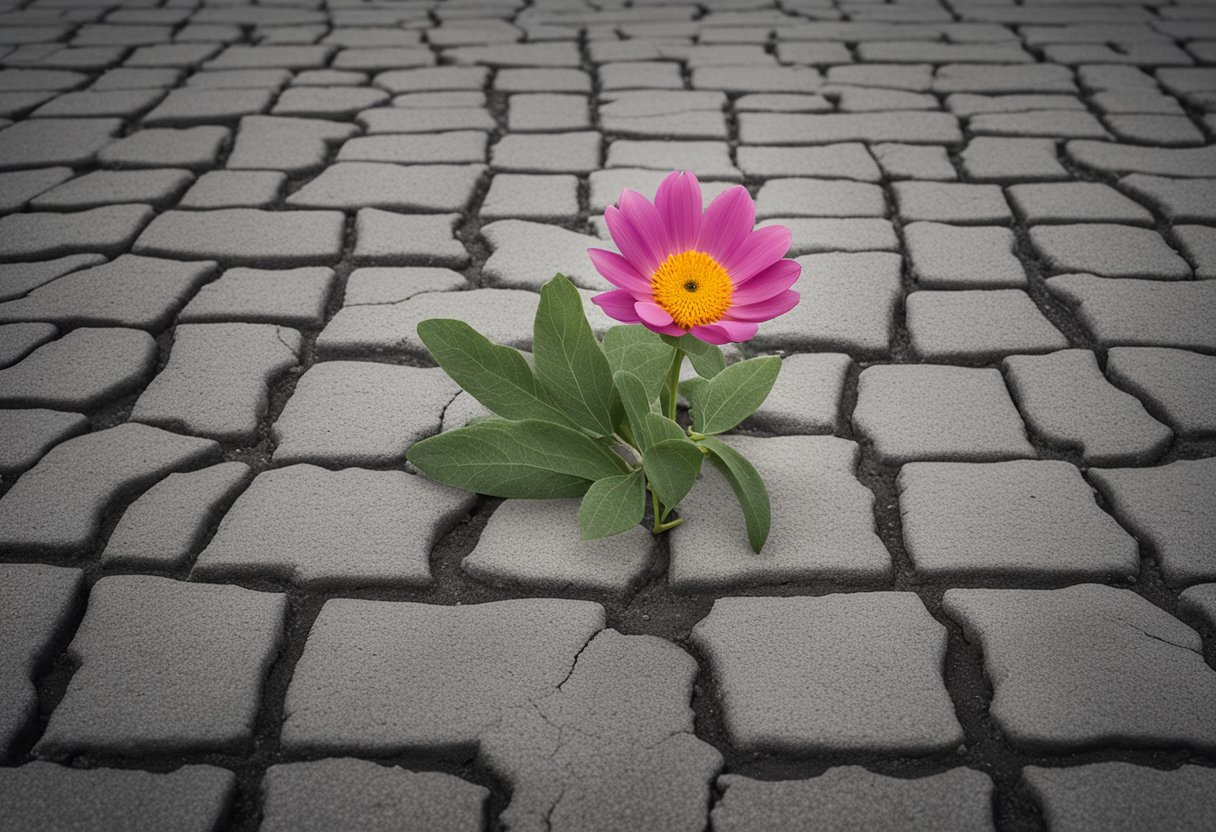
Purposeful living for us involves more than pursuing personal goals—it’s also about our imprint on the world. We hold a unique position, having faced and overcome the intense challenges that come with battling lymphoma.
We channel this resilience into empowering other men walking a similar path, offering support and an example of thriving post-recovery. In doing so, not only do we reinforce our sense of purpose, but we also ignite hope and strength in others.
Engaging in sports and fitness becomes more than a hobby; it’s a testament to our vitality and a powerful tool for inspiring community and camaraderie.
Key Takeaways
- Survivors infuse everyday life with intention and meaning after treatment.
- Pursuing passions and community engagement enriches survivorship.
- Active lifestyles and sports offer a pathway for inspiring resilience in others.
Understanding Cancer Survivorship
After facing lymphoma, we join a resilient group often referred to as cancer survivors. This term embodies anyone who has been diagnosed with cancer, from the point of diagnosis through the remainder of life. Our journey through survivorship underscores the significance of a survivorship care plan, a comprehensive roadmap tailored to our individual needs post-treatment, ensuring our well-being in life after cancer.
Cancer treatment might leave us with long-term side effects, which necessitate follow-up medical care focused on maintaining our quality of life. We must attend regular check-ups and tests, as prescribed in our care plan, to catch any late effects of cancer. These are health issues that can occur months to years after treatment.
- Physical Health: Follow guidelines to stay active; sports participation can keep our bodies strong and elevate our mood.
- Emotional Well-being: Connect with support groups; sharing our experiences can offer solace and encouragement.
- Lifestyle Choices: Opt for a nutritious diet that suits our changed needs and challenges.
We take proactive steps to ensure meticulous health status monitoring with healthcare professionals. By adhering to a tailored survivorship care plan, we navigate the complexities of healing and adapt to the new normal.
We advocate for our health, educate ourselves on necessary follow-ups, and live each day with zest. Engaging fully in life, we discover purpose in our encounters and relish the chance to inspire other men on similar paths. Together, we can surmount the hurdles of cancer survivorship.
Diagnosis and Treatment

Living purposefully post-cancer diagnosis invites us to navigate the journey with resilience and purpose. Our fight starts with understanding the critical phases of cancer detection and the various treatments available.
Early Detection and Diagnosis
Recognizing cancer early gives us leverage against the disease. Routine screenings and an awareness of symptoms lead to timely intervention. If we experience persistent health changes, we must consult a healthcare professional immediately. Technologies like CT scans, MRIs, and biopsies are pivotal in confirming a cancer diagnosis.
Treatment Options
Once diagnosed, we’re faced with several treatment paths. Options include radiation and chemotherapy, which target cancer cells, and surgery to remove tumors. We must also explore clinical trials, offering access to cutting-edge therapies. Throughout treatment, we discover resilience and a community of fellow survivors, fueling our purpose-driven life post-diagnosis.
Physical and Emotional Well-Being

After overcoming cancer, we find ourselves on a continuous journey to maintain both our physical health and emotional equilibrium. We embrace strategies that mitigate the lingering effects of treatment while nurturing our mental wellness.
Coping with Side Effects
Navigating the aftermath of cancer treatment can be challenging. We may encounter side effects like fatigue, lymphedema, or bone loss. A balanced diet rich in nutrients helps our body recover and strengthens us against these persistent effects. We also benefit from regular physical activity, which fights fatigue and strengthens bones.
Strategies:
- Nutrition: Incorporate a healthy diet focusing on whole foods to boost recovery.
- Physical Therapy: Seek specialized guidance to manage lymphedema effectively.
- Exercise: Regular, gentle exercises tailored to our condition can mitigate bone loss.
Mental Health and Support
We acknowledge that our emotional well-being is just as vital as physical health. Anxiety, pain, and depression can surface as formidable challenges during survivorship. Participating in support groups allows us to share with peers who truly understand, fostering a sense of community.
Resources:
- Professional Help: Therapists can provide personalized strategies to tackle mental hurdles.
- Support Networks: We talk, listen, and find solace in groups of fellow survivors.
- Positive Routine: Structured schedules focusing on enjoyable and meaningful activities promote emotional wellness.
Adopting a healthy lifestyle is not just about physicality; it’s a holistic approach that integrates body, mind, and spirit nourishment. We strive together, seeking balance, empathy, and a supportive atmosphere, ensuring that every step we take post-cancer is a stride toward long-term wellness.
Survivorship Care and Follow-up

Thriving after cancer requires more than just treating the disease; it’s about meticulous care and continuous vigilance post-recovery. We are committed to crafting a life of significance, including a solid framework for ongoing health management.
Creating a Survivorship Care Plan
After facing lymphoma not once but twice, we understand the sheer necessity of developing a Survivorship Care Plan. This plan is a comprehensive record that details our cancer journey, including treatments we’ve undergone and potential side effects we need to watch out for. Most crucially, it spells out our next steps in health management.
Here’s what a typical plan includes:
- Treatment Summary: A thorough record of the cancer type, treatments received, and the names of the health care team involved.
- Follow-up Care: Clear guidance on the schedule of follow-up appointments and the specific tests needed to monitor our recovery.
- A list of symptoms to be vigilant about, plus guidance on who to contact in our treatment team should these symptoms arise.
Documenting this information ensures that every doctor we meet is up to date on our health status, allowing for coordinated care and peace of mind.
Regular Follow-up and Monitoring
Diligent follow-up is paramount for us, as it means catching any signs of recurrence early and managing the late effects of treatment. Typically, our survivorship plan prescribes regular visits to a range of doctors—from oncologists to specialists who understand the complexities of lymphoma’s impact on the body.
Here’s the usual follow-up routine:
- Regular physical exams and medical tests are scheduled according to our unique needs and risks.
- If indicated, blood tests and imaging are needed to keep a vigilant eye for any changes that may suggest a recurrence.
Life Management After Cancer
Surviving cancer reshapes our outlook on life, intertwining gratitude with the complexities of daily routines. We now navigate a landscape rich with fresh challenges and opportunities, particularly in work and interpersonal relationships.
Work and Finances
Reintegrating into the workplace may feel daunting after treatment. We must consider our health and work schedule, balancing rest with professional obligations. Interacting with human resources to explore flexible working options or disability benefits can be helpful. Here are some practical considerations:
- Communicate with employers about our current capabilities, limitations, and the potential need for gradual re-entry into work life.
- Access available resources, such as legal protections under the Americans with Disabilities Act in the United States, which advocates for reasonable accommodations in employment.
Family and Relationships
The fabric of our family and relationships is often altered post-cancer. We strive to rebuild bonds and sometimes form new ones.
We foster connections based on mutual support and understanding. Consciously spending quality time with loved ones and expressing affection will fortify these ties.
- Seek counseling or support groups tailored explicitly for male cancer survivors. These can facilitate our coping with cancer.
- Be open to discussing life changes with family. Ensure you’re on the same page with your loved ones regarding your health and plans.
Through determination and support, we survivors can craft a revitalized existence. This new life is marked by what we’ve endured and the joy and purpose we find moving forward.
Advances in Cancer Research and Resources

Cancer survivorship today benefits significantly from ongoing research advancements and a growing wealth of support resources. As survivors, we witness these developments and are an intrinsic part of this transformative era in oncology.
Current Cancer Research
We find ourselves amid an exciting period where cancer research is producing new understandings and therapies at a rapid pace.
Clinical trials continually push the boundaries of our knowledge. They lead to innovative treatments that offer us hope and more days to cherish with our families.
For instance, survival rates for various malignancies have climbed thanks to targeted therapies—these therapies zero in on the cancer without the extensive collateral damage of traditional treatments.
Moreover, the Office of Cancer Survivorship actively funds and supports projects to understand the long-term consequences of cancer and its treatment.
This holistic approach in oncology ensures that our journey after cancer receives the attention it deserves.
It’s heartening to see our community come together, driven by a shared goal to live every inning and every match we have left to the fullest.
Support and Advocacy Resources
Survivorship resources are vital for us in navigating life after cancer. They range from comprehensive care plans devised by our healthcare teams to community-driven support networks that bolster our resolve.
The collective wisdom of those who walked this path before us often lights our way forward. Patient advocacy groups are crucial in offering understanding and practical solutions to our challenges.
For men grappling with cancer’s aftermath, we find camaraderie and comfort in groups tailored to our experiences.
We are encouraged to engage in sports or activities that build our bodies back up and fortify our spirits.
We also have unlimited access to a plethora of online survivorship resources. These guide us towards a balanced, healthful lifestyle post-treatment.
These resources take into account everything from dietary advice to mental health support. They help us to continue living not just as survivors but as thriving contributors to our communities.
Engaging with the Community
As cancer survivors, we recognize the power of unity and the collective journey towards health and wellness.
Support Networks
We thrive through robust support networks that provide both practical and emotional support.
For instance, notable community engagement efforts focus on cancer prevention and early detection measures.
We tap into local groups where we discuss everything from rehabilitation to healthy living practices.
Partnering with local organizations, we ensure that our fellow survivors have access to cancer screening and can make informed decisions about fertility preservation and extended treatment options.
- We Find Strength Together:
- Cancer-specific workouts
- Survivor-led meetings
- Frequent health check-ups
- Educational seminars
Giving Back to the Cancer Community
We take pride in our ability to give back. By sharing our stories and lessons from battling lymphoma, we strive to inspire other men facing similar challenges.
Our outreach initiatives span diverse areas, including organizing sports events for charity and providing resources for those in need.
Whether donating time or resources or simply making contact to offer a listening ear, every action contributes to a more significant impact.
Action Points for Engagement:
| Activities | How We Contribute |
|---|---|
| Charity Sports Matches | Organizing and Participating |
| Community Seminars | Leading and Educating |
| Peer Counseling Sessions | Advising and Sharing |
Our commitment to the community fosters our wellness and amplifies the collective strength of men walking the cancer journey.
Final Thoughts

Surviving lymphoma not once but twice has been a journey like no other. We, as survivors, share a common thread—we mesh resilience with gratitude daily.
We recognize that, for us, living purposefully isn’t just a choice; it’s a necessity. It’s the glue that bonds us to life’s next adventure, to the very act of thriving.
Keys to Purposeful Living:
- Engage in daily practices that ignite our zest for life—a morning jog, a refreshing swim, or meditation.
- Commit to relationships that offer reciprocal support and genuine connection. These bonds often sustain us through the trials that lie ahead.
- Offer our time and stories to support groups, particularly those for men facing cancer. Sharing our journey can light the path for those navigating their own.
- Foster joy through hobbies and pursuits—whether the camaraderie in team sports or the personal challenge of solo endeavors.
Each stride, each lap we take, builds not only our physical strength but our mental resolve as well.
We become beacons of hope and living proof that a cancer diagnosis is not the end but rather a pivot point to something more significant for ourselves and our community.
Our collective experience embodies the spirit of a team—we wear our scars as badges of honor and draw strength from one another.
Let us stride forward with confidence, knowing that we are authors of our next chapter—a chapter where every word and action expresses our will to live fully.
Let’s lace up, step out, and embrace the wealth of opportunity that awaits us. Together, we are more than survivors; we are thrivers shaping a legacy of hope, health, and purpose. -T
Frequently Asked Questions
How can lifestyle changes impact the prognosis of cancer survivors?
As survivors, we learn that incorporating regular physical activity and a nutritious diet can potentially lead to a more favorable prognosis. These commitments may enhance our body’s ability to recover and reduce the risk of recurrence.
What are the emotional challenges faced by individuals during cancer survivorship?
We face a range of emotions that include anxiety, depression, and fear of recurrence. Recognizing these challenges allows us to seek support and engage in mental health practices that foster resilience.
Which strategies most effectively maintain a sense of purpose after cancer treatment?
Setting attainable goals and engaging in community service can reignite a sense of purpose. Pursuing passions that were once sidelined due to illness often helps us regain a zest for life.
How can support systems and communities play a role in the journey of cancer survivorship?
Support from family, friends, and survivor groups can be vital as we navigate the complexities of post-cancer life. These networks provide comfort, practical advice, and a place to share experiences crucial to our emotional well-being.
What are the recommended follow-up care procedures for cancer survivors?
Adherence to a structured follow-up care plan, like those from the American Cancer Society, is crucial to monitor health status. This typically includes regular physical exams and screening for secondary cancers.
How do survivors navigate the transition from active treatment to post-cancer life?
We must adapt to a new normal. This involves managing lingering side effects and adjusting to changes in our bodies.
Establishing routines that accommodate these changes is vital to a smooth transition.
