

Navigating Life After Treatment
Living through cancer is a journey that reshapes our understanding of life and its fragility. As men who have weathered the storm of lymphoma twice, no less, we become acutely aware of what it means to fear the uncertain future that lies beyond the last round of treatment. This fear is a shadow that lingers and a reality we confront daily.
We find strength in unity, connecting with fellow survivors who understand the silent battles we face after the war on cancer seems won. With each other’s support, we adapt to a lifestyle that embraces wellness, advocating for our continued health and finding solace in the solidarity of our shared experiences.
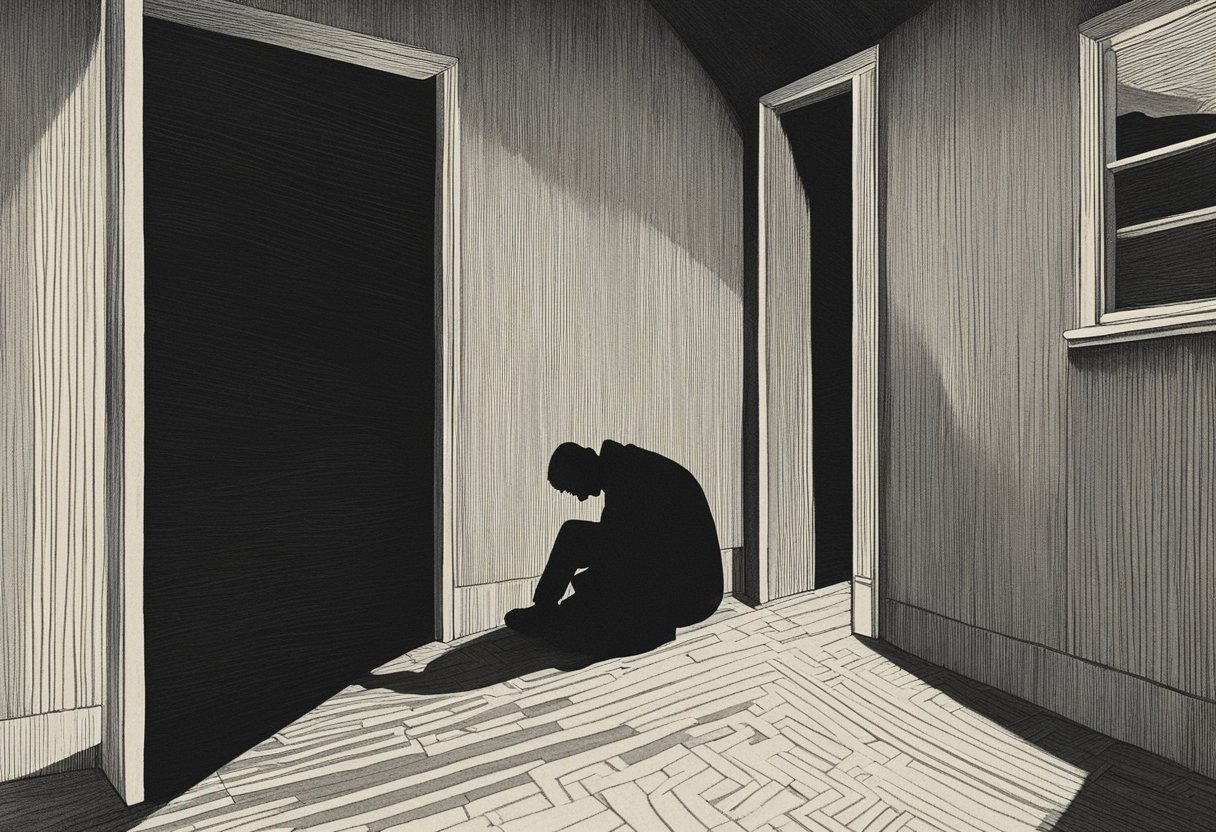
Embracing life after cancer involves nurturing our physical and emotional well-being. It means engaging in sports and physical activities that strengthen our bodies and renew our spirits.
We tackle the long-term management of our health with the same vigor we apply to a game on the field—strategizing, staying on top of our game, and always aiming for victory.
Staying active helps us manage the stress that comes with the fear of recurrence and reminds us of the value of each present moment. In this way, we channel our concerns into a constructive force for a life lived to the fullest.
Our commitment is to enhance social and psychosocial support, not just for ourselves but for every man who joins this unique brotherhood of survivors.
In doing this, we drive advocacy and aim to provide direction for those newly embarking on this path. Fostering a network that uplifts and educates becomes our legacy, transforming fear into hope and uncertainty into triumph.
Key Takeaways
- Unity and support networks are crucial for overcoming post-treatment challenges.
- Active lifestyles and sports participation bolster both physical and emotional recovery.
- Informed advocacy and support drive progress in cancer survivorship experiences.
Understanding Cancer Survivorship
Surviving cancer marks the beginning of a new journey, one where managing health and understanding the path ahead are central. Our approach to life after treatment shapes not only our physical well-being but also our mental peace.
Defining Survivorship
Survivorship begins the moment we are diagnosed with cancer and continues throughout our lives. As survivors, we join a community that focuses on living as well as possible for as long as possible after a cancer diagnosis. For us, survivorship encompasses a spectrum of post-cancer experiences, including our physical, emotional, and social well-being.
The Importance of Follow-Up Care
Regular follow-up care ensures we stay ahead of any potential health issues post-recovery. This care is crucial because it helps us detect any signs of cancer returning immediately.
Our healthcare team schedules regular check-ups, including physical exams, medical tests, or both, to monitor recovery and manage side effects from treatment.
Survivorship Care Plans
Survivorship care plans are vital tools that guide us in our post-treatment lives. These comprehensive plans, developed in collaboration with our healthcare team, outline the treatments we’ve received and detail the follow-up care we need. They offer a roadmap for ongoing care and support, encompassing monitoring for recurrence, screening for other cancers, and managing any persistent side effects.
Addressing the Fear of Recurrence
We understand that fear of recurrence is a common concern among male cancer survivors, with many of us facing heightened anxiety and stress. Here’s how we can regain control and ease our emotions through active coping and management strategies.
Coping with Fear of Recurrence
Build Support Networks: Strong bonds with friends, family, and fellow survivors offer us a safety net. A Stanford Medicine blog discussion recognizes that reaching out to mental health professionals can also be a game-changer. Their expertise can guide us through our tumultuous emotions without judgment.
Stay Informed: Knowledge is a powerful tool. Keep current on health status and understand the risks and likelihood of recurrence. This helps to demystify the fear and gives us a factual basis for our thoughts and feelings.
Find Joy in the Present: Engaging in our favorite sports or starting new ones reconnects us with the present moment. Whether swimming, cycling, or team sports, these activities boost physical health and bring mental refreshment.
Strategies to Manage Anxiety and Stress
Routine Health Checks: Regular appointments with healthcare providers for screenings and tests can offer peace of mind. We stay vigilant without becoming overwhelmed by the ‘what ifs.’
Practice Mindfulness: Techniques such as meditation or yoga bring focus to our breathing and body, grounding us in the here and now. It helps manage stress and anxiety, as being mindful of the moment calms runaway thoughts.
Structured Problem-Solving: Identifying specific concerns and tackling them systematically can prevent a spiral of fear. By breaking down fears into manageable chunks, we can face them head-on with clarity and tact.
Physical and Emotional Well-Being

Our journey as cancer survivors takes us through a landscape that challenges both our body and mind. Integrating exercise, a nutritious diet, and managing our emotional terrain is crucial for navigating this path.
Incorporating Exercise and a Healthy Diet
Regular physical activity significantly elevates our mood and energy levels. We know the impact of a balanced diet and regular exercise on recovery and overall health.
Including fruits, vegetables, and lean proteins in our meals supports our body’s healing process. Even gentle activities such as walking or yoga encourage muscle strength and improve sleep.
| Exercise Options | Benefits |
|---|---|
| Light jogging | Enhances cardiovascular health |
| Swimming | Low-impact, supports joint health |
| Yoga | Boosts flexibility and mental calmness |
Understanding and Managing Emotions
Confronting our emotions head-on allows us to recognize and dispel the anxiety and depression that often accompany our survivorship. We learn to express and manage feelings effectively through meditation and support groups.
Practices like meditation provide solace, guiding us toward mental clarity and emotional stability.
- Meditation and deep-breathing exercises: reduce stress levels
- Support networks: offer understanding and shared experiences
- Professional therapy: aids in navigating complex emotions
Long-Term Effects and Management
After overcoming cancer, we face a lifelong journey that includes monitoring and managing the lasting impacts of treatment. Our resilience helps us address these challenges head-on.
Late Effects of Cancer Treatment
Late effects from cancer therapies may not appear until months or years after treatment ends. We know that certain chemotherapy drugs and radiation can cause myriad health problems down the line.
For instance, hearing loss can result from high doses of chemotherapy. Bone loss and an increased risk of stroke are other potential late effects, especially concerning when we reflect on our experiences with aggressive treatments.
- Bone Loss: A serious concern for us survivors, especially after treatments that impact hormone levels and bone density.
- Neuropathy: A nerve condition marked by tingling, numbness, or pain; neuropathy is a lasting symptom that can affect quality of life.
Self-Management of Symptoms
As survivors, it’s up to us to recognize and address symptoms that arise. We champion self-management as a way to harness control over our wellness.
For symptoms like lymphedema, which causes swelling, we learn to incorporate regular exercise, skincare, and proper nutrition into our daily routine.
| Symptom | Self-Management Strategy |
|---|---|
| Pain | Engage in gentle physical activities and consult with doctors for appropriate pain management. |
| Lymphedema | Wear compression garments and pursue therapies to ease discomfort and reduce swelling. |
Together, we cultivate a lifestyle that includes physical activities we revel in – swimming, basketball, or a brisk walk. These practices keep us grounded, reminding us to savor each moment.
Enhancing Social and Psychosocial Support
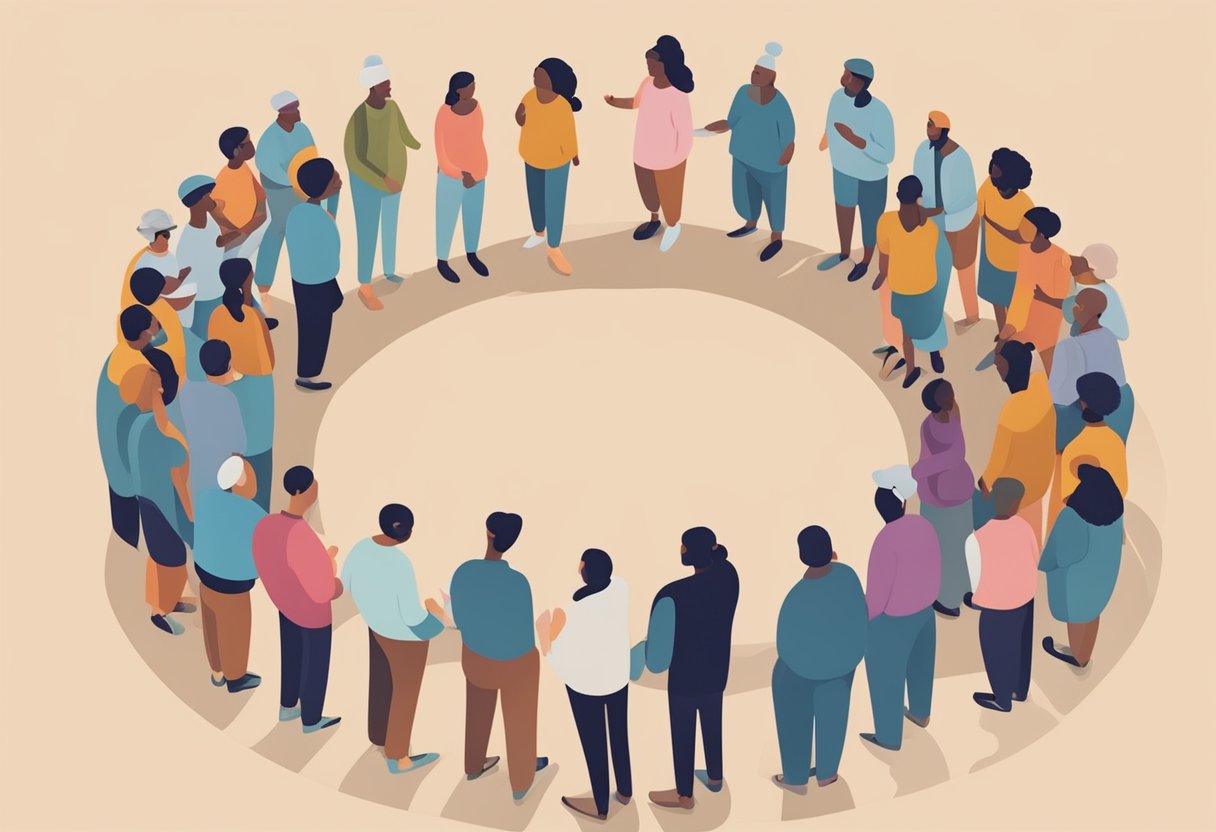
We know from personal trials that facing the aftermath of cancer treatment calls for more than physical healing; it requires nurturing our minds and relationships. A solid psychosocial support network is our beacon when fear shadows our thoughts.
The Role of Support Groups
Support groups serve as a compass that guides us through emotional turbulence.
As we sit in circles with others who have walked paths similar to ours, we find solace in shared stories and strategies for coping.
Structured peer support, led by a compassionate therapist, allows us to voice our most profound concerns in a space where empathy resonates.
- Benefits of Participation:
- Shared experiences provide insight and combat isolation.
- Professional guidance helps navigate emotional challenges.
Engaging in these groups lets us tackle our shared worries head-on, ranging from fearing recurrence to managing life’s daily stresses.
Connecting with Friends and Family
Linking arms with friends and family is like anchoring ourselves to a sturdy vessel amidst stormy seas.
Encouraging words from loved ones can shine a light on our darkest days. Discussing our experiences with them may require courage initially, but this opens doors for aid and understanding that are otherwise obscured.
- Ways to Cultivate Connections:
- Organize regular gatherings or activities to foster joy and unity.
- Seek individual or family counseling to bridge communication gaps.
These actions reinforce our social ties, creating a web of support that holds firm against the burdens cancer leaves in its wake. Together, we rediscover the strength that lies within camaraderie and caring.
Navigating Post-Cancer Lifestyle

After prevailing over cancer, we focus on fostering an enriching lifestyle encompassing our health and passions. The path forward is crafting a balanced existence that sustains and fulfills us.
Adopting a Healthy Lifestyle
A vibrant quality of life post-cancer hinges on making thoughtful choices about our health.
We understand the risks; smoking and alcohol can compromise the body’s recovery, so we sideline these habits in favor of nurturing practices.
Our daily regimen now includes:
- Nutritious Eating: A diet flush with vegetables, fruits, and lean proteins to replenish our energy.
- Regular Exercise: Moderately intense activities, such as walking or cycling, to keep our bodies vigorous and help reduce fatigue.
These steps not only bolster our physical well-being but also alleviate the mental fog that can linger after cancer treatment.
Recreation and Hobbies
Amidst the healing journey, we rediscover leisure activities and hobbies that spark joy and creativity in our lives.
They serve as a refuge, a way to reclaim the enthusiasm that cancer once overshadowed. Our pursuits might include:
- Fishing or golfing, offering tranquility and focus.
- Woodworking and painting are both channels for expression and skill-building.
These pastimes rekindle old flames and forge new connections with fellow enthusiasts, reinforcing our support network and promoting camaraderie in our collective stride towards richness in life.
Advocacy and Future Directions
In the journey beyond cancer, advocacy, and strategic initiatives foster brighter horizons for survivors, particularly men who have faced the ordeal of lymphoma.
The Work of Cancer Organizations
Organizations like the American Cancer Society have steadfastly supported men through their survivorship.
By providing resources and creating community connections, these organizations strive to dismantle the fear and uncertainty that accompany post-cancer life.
They stand as pillars in advocacy efforts, campaigning for better policies and striving for continuous healthcare system improvements to ensure survivors receive comprehensive care.
Research and Survivorship Programs
Institutions such as the National Cancer Institute and its Office of Cancer Survivorship focus on enhancing the quality of life for survivors.
Through rigorous research and developing programs tailored to survivor needs, these entities contribute significantly to understanding the long-term effects of cancer and its treatments.
They drive innovations in care and support, ensuring survivors can access the resources they need to lead fulfilling lives. -T
Frequently Asked Questions
After overcoming cancer, it’s natural to seek reassurance and find ways to manage post-treatment concerns.
What strategies can help in managing anxiety after receiving an all-clear from cancer?
We discover tranquility by engaging with peers who understand our journey.
Regular check-ups grant peace of mind, and embracing hobbies keeps us rooted in the joy of now.
How can I address the persistent worry of cancer recurrence effectively?
Acknowledging our fears serves as the first step.
We then arm ourselves with knowledge and lean on counselors skilled in navigating these waters, enhancing our psychological resilience.
In terms of psychological well-being, what do cancer survivors face the everyday challenges?
We often grapple with a gamut of emotions, from joy at our survival to the shadows of anxiety and uncertainty post-recovery. Finding equilibrium is our collective quest.
Can psychological interventions reduce the fear of cancer recurrence?
Yes, targeted therapies offer us a beacon.
Techniques like cognitive-behavioral therapy equip us to reframe thoughts and fortify our mental bastion against fear.
What resources are available for cancer survivors to cope with post-treatment fear and anxiety?
Survivorship programs, like those at UC Davis Comprehensive Cancer Center, offer us a compass in this new terrain, with specialists who guide our steps toward well-being.
What are the best practices for maintaining mental health in cancer survivorship?
We see the most significant strides in well-being when we blend physical fitness with mindfulness practices. This helps us tackle our psychological hurdles while we strengthen our bodies.
