

Navigating Love and Resilience
Rebuilding relationships after a cancer battle is challenging yet deeply rewarding. We—like many male cancer warriors—know that surviving cancer involves more than physical healing. Reconnecting with loved ones demands patience, communication, and emotional repair.

By sharing our journeys, we aim to offer hope and strategies for those navigating similar paths.
Our experiences highlight the impact of cancer on relationships. Trust and support were tested in ways we never imagined.
Communicating openly and building a network that understands our struggles is crucial.
Rebuilding isn’t just about mending old ties and nurturing our emotional and mental well-being.
Emotional healing and health management are vital to sustaining rebuilt relationships post-cancer. We can’t stress enough the need for self-care and creating strong support systems to manage fear and uncertainty.
Let’s walk this path together, stronger than before.
Key Takeaways
- Reconnecting requires patience and communication.
- Emotional healing and self-care are crucial.
- Building a supportive network helps manage fears.
Understanding the Impact of Cancer on Relationships
Cancer can strain relationships by causing emotional and physical challenges. Rebuilding connections requires understanding these impacts and how to navigate them effectively.
Navigating Emotional Turmoil
Cancer brings a wave of emotions that can be tough to manage. Men, in particular, may struggle with showing vulnerability. We tend to shoulder the burden quietly.
This emotional stress can lead to communication breakdowns with loved ones.
Feeling fear, anger, or sadness is normal, but bottling these feelings can hurt our relationships.
Discussing emotions openly can make a world of difference.
Sharing our feelings creates a bond and eases the pressure.
Encouraging our partners or families to express their emotions can strengthen these bonds.
Seeking counseling or support groups can also help.
Therapy offers a safe space to talk about our fears.
This shared vulnerability can help rebuild trust and understanding within relationships.
The Role of Support in Recovery
Support systems are crucial for recovery. We need emotional and practical assistance from family and friends.
This support can significantly improve our mental health and overall well-being.
Family members and friends can help with daily tasks, making life easier during treatment.
Practical help like cooking meals or driving to appointments can reduce our stress.
Emotional support, such as simply listening or spending quality time together, is equally vital.
As men, sometimes we resist asking for help. But it’s essential to let our loved ones be there for us.
Accepting their help and showing gratitude can strengthen our relationships.
Building a robust support network is a crucial step in our recovery journey. It helps us face the challenges ahead with strength and resilience.
Communication as the Cornerstone of Reconnection

Cancer significantly impacts our relationships, making communication and intimacy more critical than ever. Here, we explore open and honest communication and how we can adjust to new forms of intimacy during this challenging time.
Open Communication and Honesty
Open communication is vital for rebuilding and maintaining healthy relationships.
During treatment, we often bottle up our fears and concerns.
Being honest with our loved ones can bridge gaps and build trust.
Expressing our needs makes it easier for friends and family to support us.
Creating a safe space for conversation is crucial.
We need to give others the chance to share their worries, too.
This mutual honesty can bring us closer and alleviate feelings of isolation.
It’s helpful to have regular check-ins to discuss feelings and experiences.
These small but consistent efforts reinforce our commitment to staying connected and caring for one another.
Adjusting to New Forms of Intimacy
Cancer changes the dynamics of our relationships, especially regarding intimacy.
Physical limitations and emotional struggles require us to redefine what closeness means.
Exploring new ways to express love and connection beyond physical intimacy is okay.
We can focus on emotional intimacy by sharing thoughts, dreams, and fears.
Activities like cooking together, watching movies, or simply holding hands can foster a sense of closeness.
Communicating our comfort levels and being patient with each other is essential.
We can find a balance that respects emotional and physical needs.
This adjusted intimacy strengthens bonds and helps us navigate challenging times together.
The Journey of Emotional Healing

When we face cancer, emotional health becomes as crucial as physical recovery. Let’s explore strategies for dealing with mental stress and finding resilience.
Coping with Anxiety and Depression
Cancer can bring severe anxiety and depression.
When I faced my battles with lymphoma, emotional support was vital.
Engaging in therapy helped me manage my fears and find stability.
Therapists offer tools and strategies to cope with psychological distress, like cognitive-behavioral techniques.
Support groups also play a crucial role.
Sharing our experience with other cancer warriors instills a sense of solidarity.
Our friends and family can be pillars of strength, offering empathy during our most challenging times.
Simple activities like journaling or engaging in hobbies can also reduce anxiety and improve mental well-being.
Self-care matters in our journey to heal emotionally.
Finding Hope and Resilience
Hope and resilience are our anchors.
Optimism isn’t about denying our struggles but believing in our capacity to overcome them.
I found hope in small victories, like responding well to treatments.
Setting achievable goals allowed me to celebrate progress, no matter how minor.
Resilience builds through consistent practices.
Mindfulness and meditation help us center our thoughts and reduce stress.
Physical activity, even gentle exercises, boosts our mood and energy levels.
Let’s lean on our loved ones for encouragement.
Every shared laugh or comforting word fortifies our resolve to fight on.
Reference: Resilience and Coping in Cancer Survivors
The journey of emotional healing is ongoing. It’s about finding balance and drawing strength from within and those around us.
Health Management and Self-Care Practices
Managing our health and practicing self-care play pivotal roles in our journey as cancer warriors. These practices are essential for our physical well-being and healthy lifestyle.
The Importance of Physical Health
Physical health is a cornerstone of recovery and overall well-being for male cancer warriors.
Regular exercise helps improve our strength, endurance, and overall fitness.
This includes activities like walking, swimming, or even lightweight training, depending on what our bodies can handle.
Exercise also releases endorphins, enhancing our mood and reducing the stress associated with cancer treatment.
Staying physically active supports cardiovascular health and helps manage weight.
This is vital, mainly when dealing with the side effects of treatment.
It’s beneficial to consult healthcare providers to develop a personalized fitness plan that suits our capabilities and goals.
Nutrition also plays a crucial role; consuming a balanced diet of fruits, vegetables, lean proteins, and whole grains boosts our immune system and speeds up recovery.
Self-Management and Lifestyle Adaptations
Self-management involves taking active steps to manage our health and adapting our lifestyle to meet the demands of living with cancer.
In medicine and pharmacology, lifestyle changes, mental health, social support, and medical decision-making are often used as self-management strategies.
Adapting our lifestyle may include integrating relaxation techniques like meditation or yoga to manage stress.
Building a supportive network of family, friends, or cancer survivor groups who understand our journey is beneficial. They provide emotional support and practical advice.
Educating ourselves about our condition and treatment options empowers us to make informed decisions.
Decision-making becomes a partnership with our healthcare team, fostering an ongoing collaborative relationship emphasizing our active role in managing health.
This approach enhances our quality of life and promotes a proactive stance toward our healing journey.
Building a Supportive Network
Creating a supportive network is crucial for men battling cancer. Surrounding ourselves with caring individuals can help us find strength and resilience in our journey.
Leveraging Support Groups and Caregivers
Joining a support group can connect us with others who understand our experiences. These groups offer a safe space to share feelings and get advice. Meeting others who have faced similar battles is encouraging, as their insights can be invaluable.
Caregivers play a pivotal role in our recovery. Having someone to assist with daily tasks ensures we don’t feel overwhelmed. A good caregiver understands our challenges and offers empathy and much-needed help.
Building a network involves being open to receiving help. It’s necessary to recognize that seeking support shows strength, not weakness.
Cultivating a Climate of Empathy and Understanding
Creating an empathetic environment leads to better emotional support. Empathy fosters deeper connections and trust. Friends and family who genuinely understand our experiences make us feel valued and less alone.
Empathy goes beyond surface-level sympathy. It involves genuinely trying to see from our perspective. This emotional bond can be powerful in reducing feelings of isolation and stress.
Encouraging friends to educate themselves about our condition fosters better empathy and understanding. This way, conversations are more meaningful and supportive. Our relationships grow more robust through this empathetic climate, offering mutual comfort and reassurance.
Strategies for Managing Fear and Uncertainty
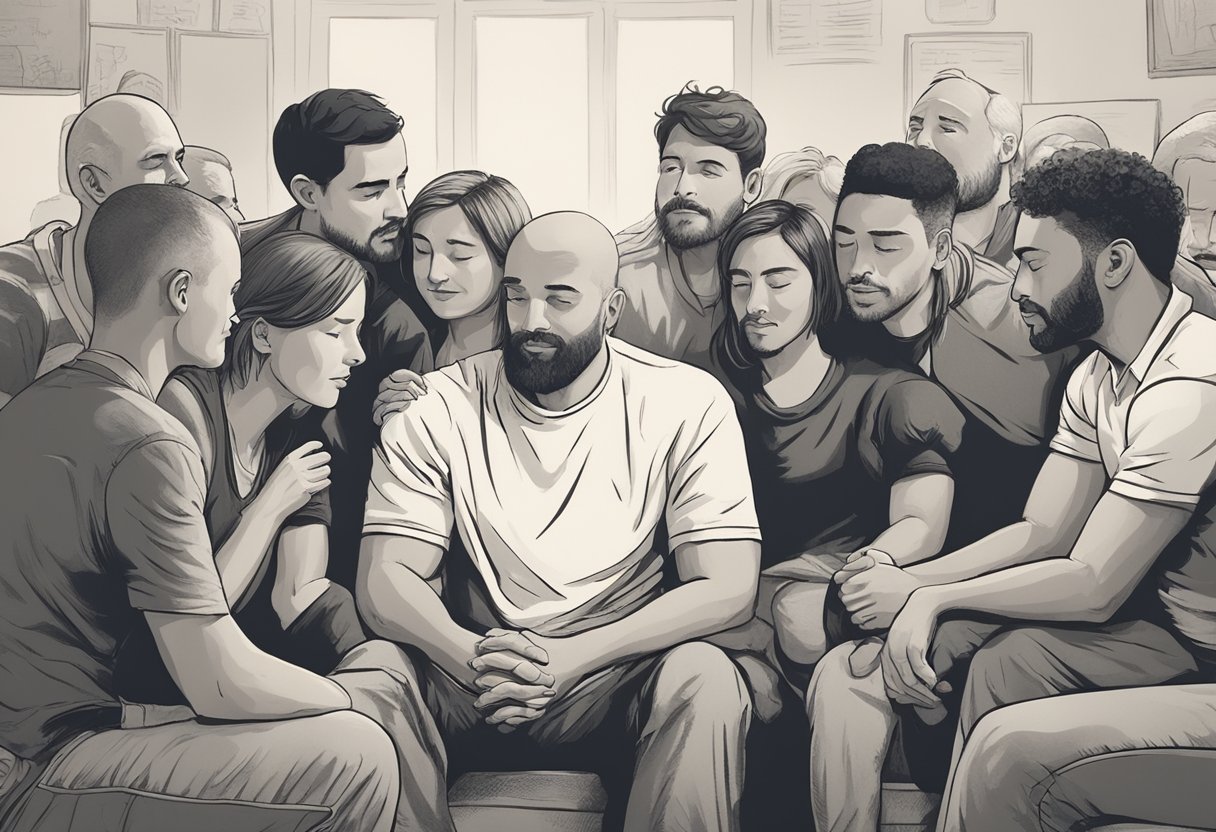
Living with cancer can profoundly affect our relationships and mental health. Let’s discuss managing the fear of recurrence and embracing positive thinking to strengthen our bonds with loved ones.
Addressing the Fear of Recurrence
Fear of recurrence is real. Accepting this fear is the first step. We can’t let it dominate our lives. By staying informed and maintaining regular check-ups, we can control our anxiety. Talking openly with family and friends about our fears provides emotional support.
Engaging in relaxation techniques such as yoga or mindfulness can help. These practices calm our minds and body, easing the tension caused by uncertainty. Hobbies and physical activities, like walking or gardening, distract us from negative thoughts and remind us of the joys in life.
We should also focus on what we can control. Keeping a healthy exercise routine, a balanced diet and good sleep strengthens our body and mind, reducing the stress that feeds our fear.
Embracing Positive Expectancies and Appreciation
Adopting a positive outlook helps us cope with challenges. By setting realistic goals, we inspire ourselves to move forward. Appreciating the small victories along the way boosts our morale and keeps our spirits high.
Showing gratitude for the support of loved ones strengthens our relationships. Simple gestures like saying “thank you” or spending time together can create lasting positive memories. We must remember to express gratitude for their patience and love during tough times.
Connecting with support groups or other cancer survivors also provides a sense of community. Sharing experiences and advice with those who understand our journey reinforces our confidence and resilience.
Incorporating these coping strategies into our lives fosters a sense of control and hope, helping us navigate the uncertainties that lie ahead.
Sustaining Rebuilt Relationships Post-Cancer

Maintaining a connection and long-term growth is essential for lasting bonds when rebuilding relationships post-cancer. This requires consistent effort, commitment, and communication.
Maintaining Connection and Partnership
Staying connected after surviving cancer involves open communication and shared activities. We must express our feelings clearly and frequently. This helps to avoid misunderstandings and to foster a deeper bond.
Engaging in hobbies or projects together strengthens our partnership. Whether cooking a meal, hiking, or playing sports, shared experiences create lasting memories and reinforce our connection.
Regular check-ins can also be beneficial. We should schedule time to discuss our relationship, goals, and concerns. This ensures that both partners feel heard and valued.
Long-Term Commitment and Growth
Committing to long-term growth means supporting each other’s personal and shared goals. We must encourage our partners to pursue their dreams and ambitions.
Exploring new activities together can help keep our relationship dynamic and exciting. This allows us to grow both individually and as a couple.
We also need to understand that post-traumatic growth is a journey. Being patient and empathetic with each other helps navigate life’s complexities after cancer. Celebrating small achievements reinforces our commitment to each other’s well-being.
Involving a support network can be a tremendous asset. Family and friends provide additional layers of understanding and encouragement, helping us sustain our relationships through the ups and downs.
The Debate

Navigating relationships during and after cancer can be tricky. For men, the mix of traditional expectations and modern relationship dynamics adds another layer of challenge.
Some argue that the “warrior” mentality can empower us to fight through the most challenging times. Yet, this mindset can also imply failure for those who struggle or relapse.
Others believe that focusing on effective treatments and emotional support is more practical. This approach emphasizes real solutions over sheer willpower.
Different Perspectives
Pros of the Warrior Mentality:
- It can boost mental strength.
- Fosters a sense of purpose.
Cons of the Warrior Mentality:
- Implies weakness if treatment fails.
- Puts undue pressure on the patient.
Pros of Treatment Focus:
- Provides actionable steps.
- Emphasizes healthcare support.
Cons of Treatment Focus:
- May overlook the mental struggle.
- It can seem impersonal.
Modern Relationship Landscape
Current relationship dynamics can be confusing. Modern feminism and trends like “men going their own way” create new norms and expectations, clouding and complicating the desire for intimacy.
Rebuilding Strategies
Talk Openly:
Communicate feelings and fears openly with loved ones.
Seek Professional Help:
Therapists can help navigate complex emotions and relationships.
Prioritize Well-being:
Focus on health, both physical and emotional.
Support Networks
Join Support Groups:
Connecting with others facing similar challenges can offer comfort and advice.
Lean on Friends and Family:
Don’t hesitate to ask for support when needed.
Final Thoughts
Rebuilding relationships after overcoming cancer is a journey we tackle together.
Connection is the key. We need to focus on open dialogue with our loved ones. Sharing our fears and hopes creates a stronger bond.
Establishing trust is also vital. Being honest about our struggles and progress allows everyone to support us more effectively. Let’s make time for regular check-ins.
Engage in laughter and light-hearted activities. They ease tension and bring positivity into our lives. Sporting events or a simple game night can improve our mental health.
Activities to consider:
- Weekly family dinners
- Sports outings
- Movie nights or game nights
Taking time for self-care is another crucial step. When we care for ourselves, we can better support those around us.
Building a support network with friends and family helps us feel understood. They provide a safe space for us to express ourselves.
Remember, patience is a key. Healing relationships, like healing from cancer, takes time. By being present and empathetic, we strengthen our connections. -T
Frequently Asked Questions
Cancer can strain relationships. This topic can offer strategies for rebuilding and strengthening relationships with family and friends.
How can spouses strengthen their bond when one partner is diagnosed with cancer?
Spouses can spend quality time together, even just small activities at home. It’s also helpful to maintain open discussions about feelings and plans. This honesty can help partners feel more connected and supported.
What strategies are most effective for supporting a male partner through cancer treatment?
Encouraging participation in hobbies and interests can be uplifting. Joining a support group or counseling sessions can help both partners manage stress and emotions. Additionally, it is crucial to ensure that he feels heard and understood.
What communication techniques enhance understanding within relationships affected by cancer?
Regularly scheduled talks can help keep communication flowing smoothly. Practicing active listening and validating each other’s feelings creates a safe space for sharing. Sometimes, it’s not about solving problems but being present and attentive.
In what ways can partners rebuild intimacy after a male cancer diagnosis?
Rebuilding intimacy can start with simple physical gestures like holding hands or hugging. Open conversations about comfort levels and desires can also guide the way. Patience and understanding from both sides are crucial to reconnecting.
What are considerate and supportive messages to share with a male loved one battling cancer?
Messages that express love and faith in his strength can be very comforting. Simple phrases like “I’m here for you” or “We’ll get through this together” can provide significant emotional support. Avoid overwhelming him with sympathy; focus on shared moments and positive outlooks.
How does a cancer diagnosis impact the dynamics of a male-female relationship, and what can be done to navigate these changes?
A cancer diagnosis can shift roles within the relationship, requiring adjustments and understanding from both partners.
Sharing responsibilities and seeking professional advice can be helpful. Open dialogue and mutual support can ease the transition and strengthen the partnership.
